

 Ammar Sabilarrohman
 Ali Ikhwan
 Dwi Wanna
 Neng Nana
 Siti Muinah
 Asro
Asro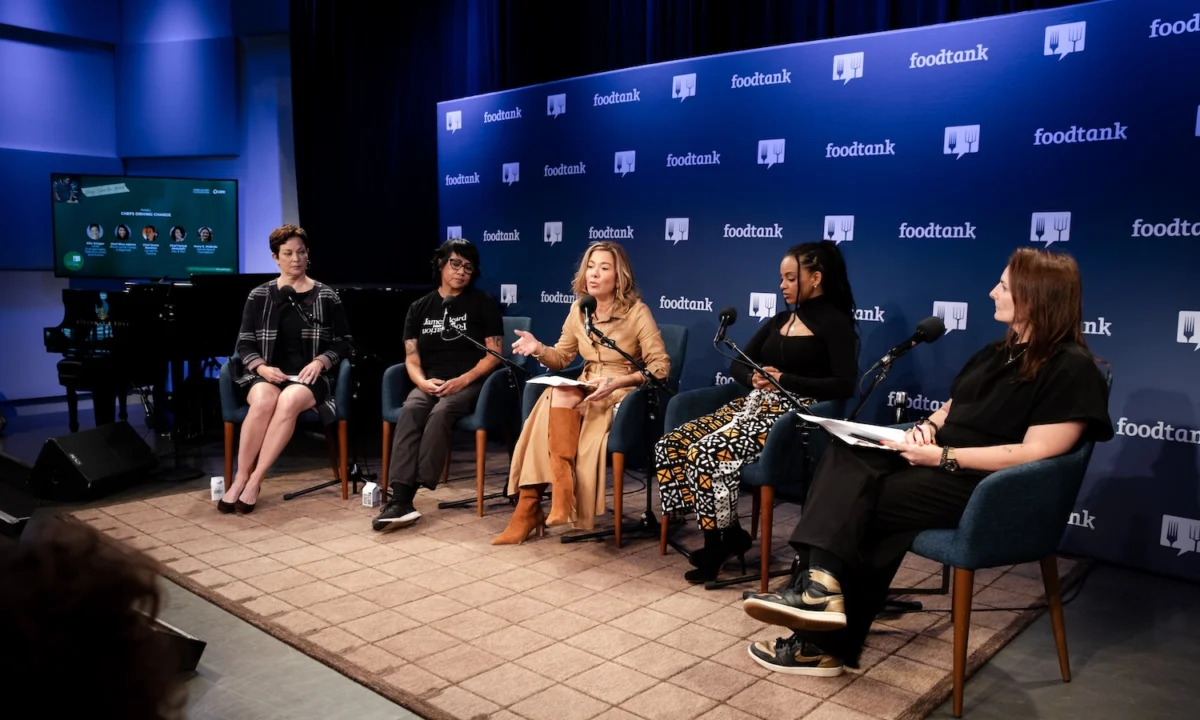
In the modern culinary landscape, the role of a chef has transcended the kitchen. No longer confined to the creation of menus and the mastery of technique, today’s most influential culinary figures are acting as the vital connective tissue between farmers, policymakers, and the global consumer base. By leveraging their immense purchasing power and cultural authority, chefs are increasingly positioning themselves as architects of a more equitable, resilient, and sustainable food future.
This shift was the focal point of "Chefs Save the World," a high-level summit held during Climate Week NYC 2026. Hosted in partnership with the James Beard Foundation and CARE, the event brought together an assembly of culinary innovators, agricultural experts, and humanitarian advocates to address the systemic crises facing our food systems. As Emmy- and James Beard Award-winning chef and advocate Andrew Zimmern aptly stated, "Chefs are in a very unique position on planet Earth to be changemakers."
The Intersection of Global Crisis and Culinary Responsibility
The "Chefs Save the World" summit served as a stark reminder that the kitchen is not a neutral space. It sits at the epicenter of the most pressing global challenges of our time, including the gender pay gap, immigration policy, chronic food insecurity, and the accelerating climate crisis.
For the modern chef, sustainability is no longer just about composting or sourcing seasonal produce; it is about addressing the "systems problem" that currently governs the way we eat. As Emily Janoch, Associate Vice President for Evidence and Learning at CARE, pointed out during the summit, the irony of the current food system is profound: "In many parts of the world, the people who are food insecure are the people who are growing the food."
This reality challenges the traditional charitable approach to hunger. It demands a shift toward structural reform where the economics of the restaurant industry—often characterized by razor-thin margins—must be reconciled with the moral necessity of paying farmers and food workers a living wage.
Chronology of a Paradigm Shift
The conversation surrounding the "chef as activist" has evolved rapidly over the last decade. Historically, the culinary industry was characterized by rigid hierarchies and a singular focus on the patron’s experience. However, the mid-2010s saw a rise in "food-conscious" dining, where traceability and farm-to-table ethics moved from niche movements to mainstream expectations.
By the early 2020s, the convergence of the COVID-19 pandemic and climate-driven supply chain volatility forced a deeper reckoning. Chefs were forced to confront the vulnerability of their supply chains and the fragility of their workforce. The 2026 Climate Week NYC summit marked a maturity in this movement: moving away from reactive measures and toward proactive, systemic advocacy.
Throughout the morning sessions, the discourse shifted from identifying problems to proposing a framework for change. Speakers emphasized that if chefs are to influence the future, they must first demand diversity—not just in the produce they source, but in the kitchens they lead and the tables they serve.
Supporting Data: Why Diversity is the Engine of Resilience
The central thesis presented by experts like Chef Bleu Adams, Executive Chef at Black Lamb Group and Director of IndigeHub, was that diversity is the primary driver of resilience. In agricultural terms, a monoculture—the practice of growing a single crop—is highly susceptible to disease and climate shock. Similarly, a food system that lacks human diversity is structurally brittle.
"If we demand more diversity in our food system, that is what is going to build resilience," Adams noted. Her argument extends to the human element: kitchens that are inclusive of different cultures, backgrounds, and lived experiences are better equipped to innovate and navigate the complexities of global food trade.
Food Tank President Danielle Nierenberg echoed this sentiment, arguing that the path to "better food" begins with a fundamental embrace of diversity in every stage of the supply chain. "Whether that’s diversity in our fields, diversity in our ingredients, diversity in the people preparing our food, or diversity in the people we welcome around our tables," Nierenberg asserted, "we are building the foundation for a more robust global society."
Official Responses: The Economic Tug-of-War
The most poignant moments of the summit addressed the "tricky economics" of ethical sourcing. Liz Murray, Chief Operating Officer at The Marlow Collective, posed the central dilemma facing today’s restaurateurs: "How do we balance the really tricky economics of being able to actually charge the cost of food to be able to pay farmers fairly and pay our employees and offer benefits to allow them to stay in this industry?"
Erica Helms, Chief Growth Officer at the James Beard Foundation, noted that the current operating environment is the most difficult in history. Inflation, labor shortages, and climate-induced ingredient scarcity have made the "cost of doing business" a political issue.
The consensus among the panelists was that the current pricing model is unsustainable. For a chef to "save the world," they must first educate the consumer on the true cost of food. This involves transparency in how ingredients are sourced and the recognition that when we pay less for food, someone else—usually a vulnerable farmer or a underpaid worker—is bearing the cost.
Reclaiming Indigenous Wisdom and Local Agency
A major takeaway from the summit was the need to move away from Western-centric food models and toward the preservation and revitalization of Indigenous foodways. Chef Sean Sherman, a vocal proponent of decolonizing the North American diet, challenged the audience to reconsider what we define as "local."
"We’ve been living under this eurocentrism of our food here in North America," Sherman explained. He pointed out the irony of major metropolitan hubs like New York City, where one can find cuisines from every corner of the globe, yet find almost no representation of the Indigenous foods that are native to the land itself.
Through his organization, NĀTIFS (North American Traditional Indigenous Food Systems), Sherman is actively working to correct this imbalance. His "Ring Diet"—a framework for understanding the nutritional and ecological value of regional foods—encourages chefs to look at the biodiversity of their own ecosystems rather than relying on imported, industrialized ingredients.
The message was clear: if we want to build a sustainable future, we must stop ignoring the expertise of those who have stewarded the land for millennia. Both Chef Sherman and Chef Fariyal Abdullahi, Executive Chef and Partner at Hav & Mar, stressed that international aid and culinary partnerships must not override local knowledge. "They have the knowledge; they just need resources," Abdullahi noted.
Implications: A Call to Curiosity
As the summit concluded, the call to action was simple yet profound: Be curious.
The implications for the future of the food industry are significant. If chefs successfully pivot toward being educators and advocates, we can expect:
- A Shift in Menu Philosophy: Expect to see a greater focus on underutilized plants, indigenous grains, and proteins that are less environmentally taxing, driven by chefs who are actively seeking out biodiversity.
- Increased Radical Transparency: Restaurants will increasingly be held accountable not just for the quality of their food, but for the labor practices and agricultural partnerships behind every dish.
- Policy Advocacy: Chefs will continue to move from the kitchen to the halls of government, lobbying for policies that support small-scale, regenerative farmers and protect food-system workers.
The "Chefs Save the World" summit provided a roadmap for this evolution. By fostering curiosity about the origins of our food, respecting indigenous agricultural wisdom, and demanding an economic system that values people as much as profits, the culinary community is proving that the plate is the most powerful tool for global change.
As Chef Sean Sherman reminded the audience, "We have a lot of evolving to do as humans and as a global community. Food is that connection." The change starts with the curiosity of the chef, but it ends with the conscious choice of the consumer—and in that space, there is a profound opportunity to reshape the world.
To view the full event replay and learn more about the initiatives discussed, visit the official Food Tank event page. For more information on the ongoing efforts to revitalize Indigenous food systems, explore the work of NĀTIFS.

 Lina Hope
 Raul Delapena Setiawan
