

 Nana Wu

 Dwi Wanna

 Suro Senen

 Evan Lee Salim

 Azzam Bilal Chamdy
By [Your Name/Editorial Desk]
October 13, 2026
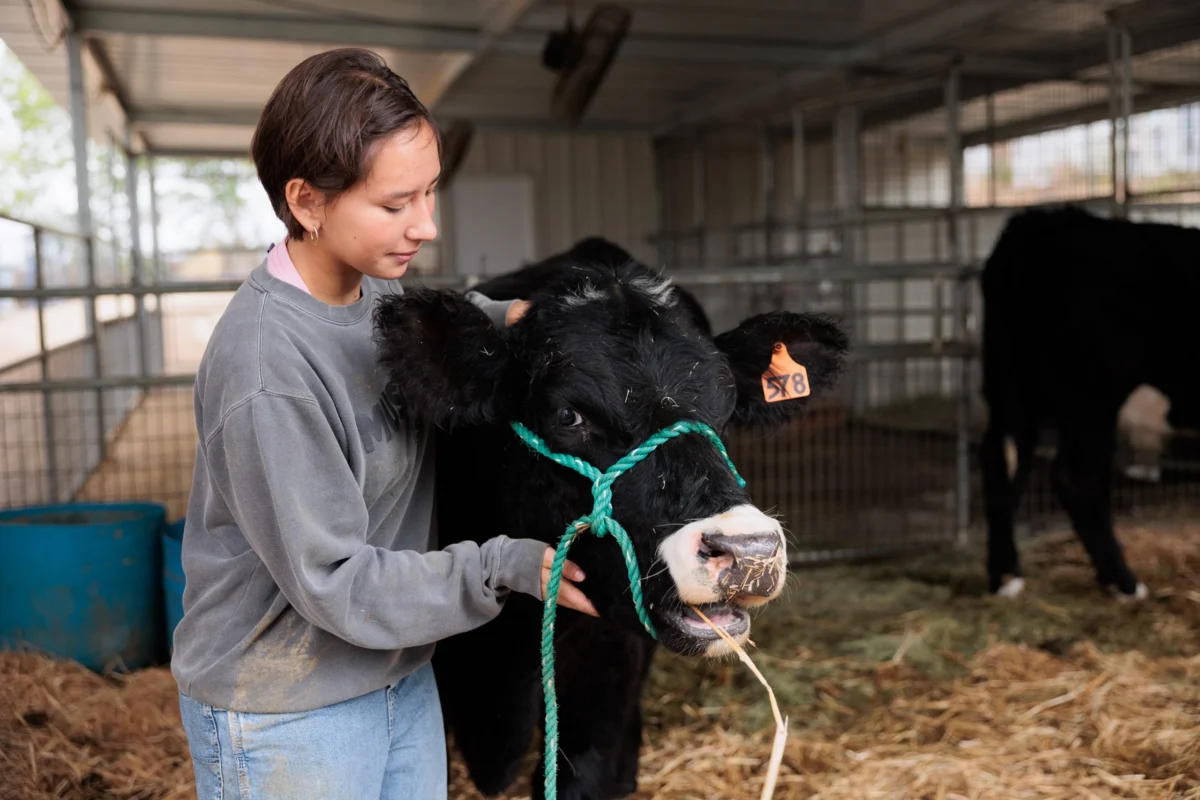
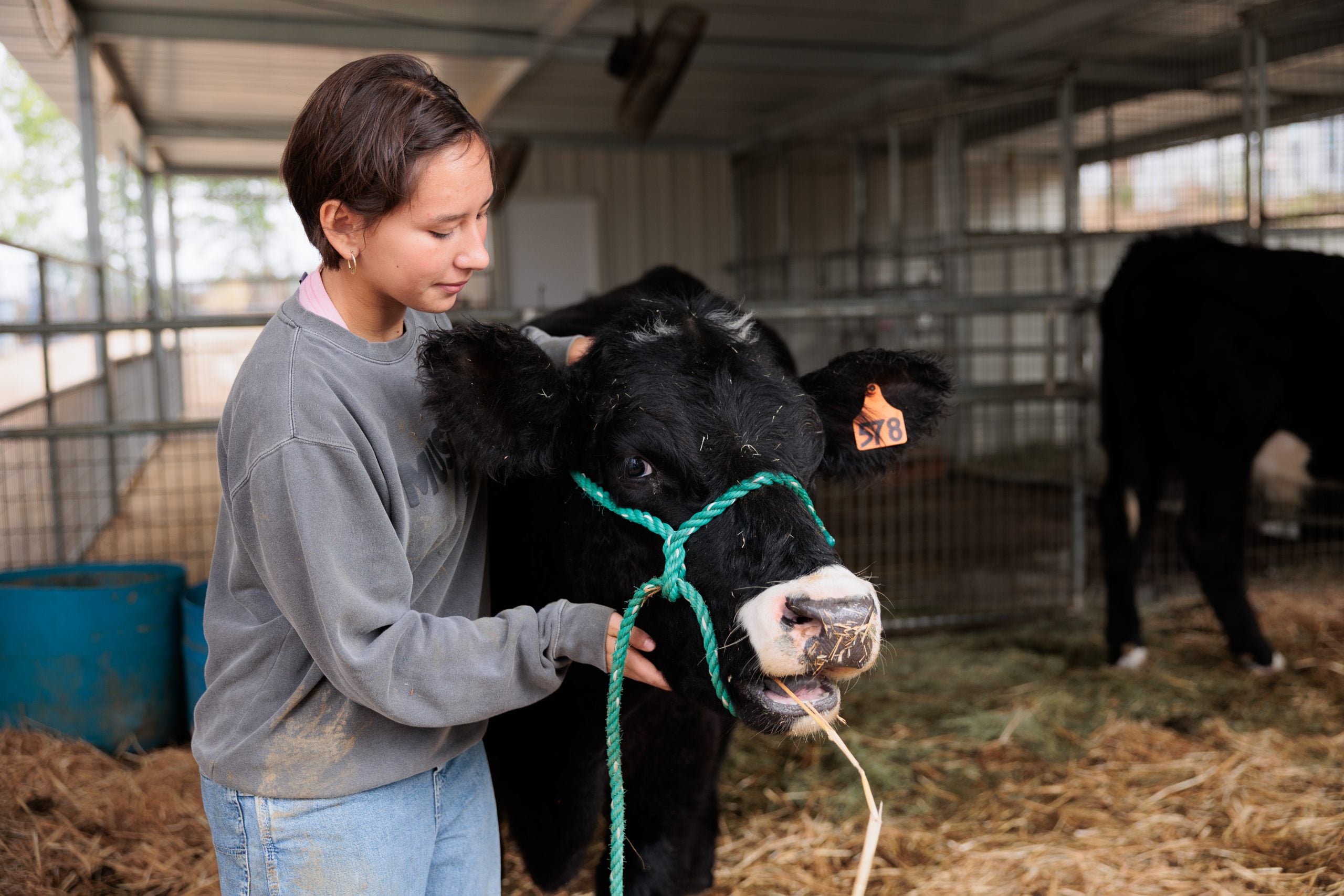
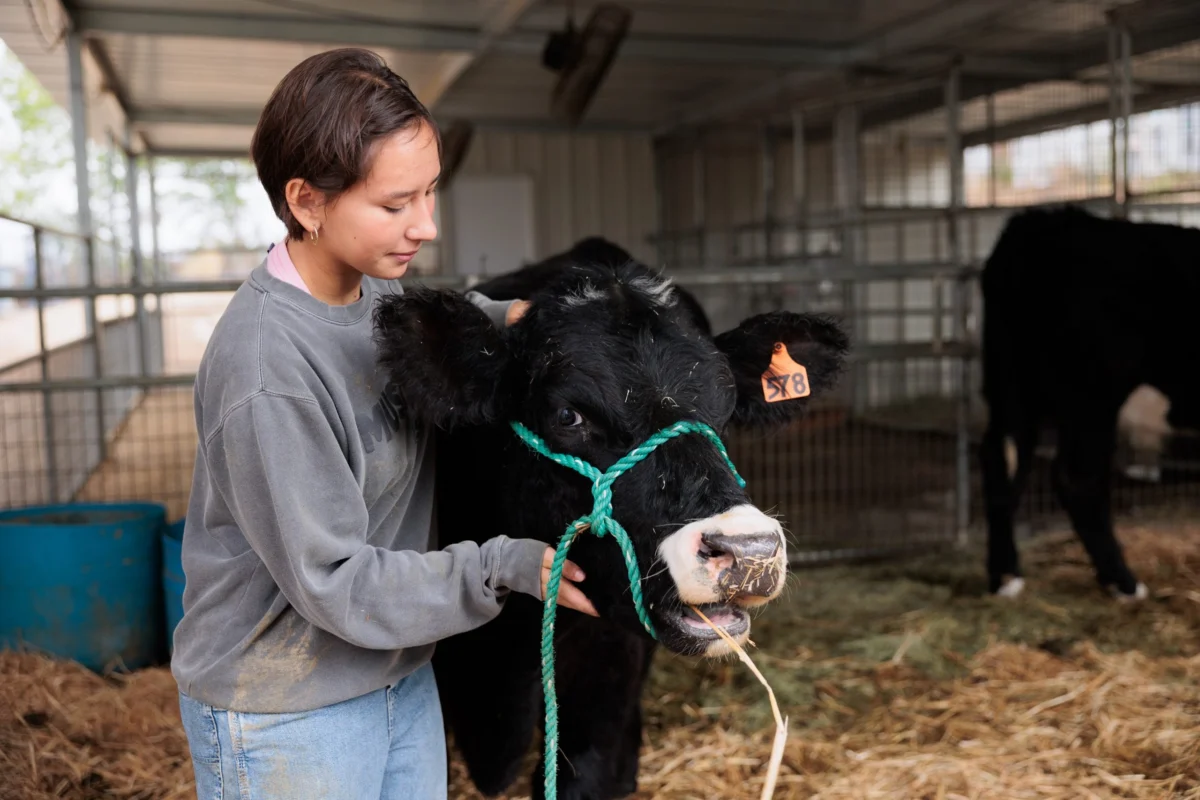
In the quiet, rolling pastures of Acton, California, a young calf named Pepper is finally learning what it means to be a child. Just over a year old, the vibrant, energetic animal spends his days frolicking under the California sun, grazing on fresh hay, and seeking out the gentle touch of his human caregivers. To the casual observer, Pepper is simply a happy resident of Farm Sanctuary. But to those who know his history, his presence here represents something profound: a victory of empathy over industry, and a testament to the power of a single individual’s moral conviction.
Pepper’s journey to sanctuary was far from guaranteed. Born into the rigorous machinery of a school-based agricultural program, he was destined for the auction block and the inevitable path to slaughter. His rescue, facilitated by a dedicated student named Carmen and her mother, Maria, serves as a poignant reminder of the ethical friction inherent in educational programs that treat sentient beings as commodities.
The Reality of School Agriculture Programs
For decades, organizations like Future Farmers of America (FFA) and 4-H have operated within school systems across the United States. These programs are designed to provide students with hands-on experience in animal husbandry, teaching them the logistics of raising livestock for the food industry. Participants are tasked with feeding, grooming, and managing the health of an animal, often forming deep, long-term emotional bonds with their charges in the process.
However, these programs operate on a fundamental contradiction. Students are encouraged to develop a "bond" with their animals—a necessity for effective care—yet they are simultaneously conditioned to view these same animals as agricultural products. At the conclusion of the program, the animal is typically sold at auction, slaughtered for meat, and the student is expected to accept this as the standard conclusion to their project.
For many young people, this transition is traumatic. While the industry frames the process as a lesson in "responsibility" and "hard work," many students struggle with the emotional dissonance of sending a friend to a slaughterhouse. For Carmen, a student in Temecula, California, that dissonance proved impossible to ignore.
A Chronology of a Rescue
The path to Pepper’s safety was fraught with administrative challenges and emotional hurdles.
- Early 2026: Pepper and his brother, Salt, are placed into the care of students within a Temecula-area school agricultural program. Over the following months, Carmen assumes responsibility for Pepper, while another student takes on the care of Salt.
- Summer 2026: As the program approaches its conclusion, the reality of the auction looms. Carmen, having developed a profound, compassionate connection with Pepper, decides that the standard trajectory for his life is unacceptable.
- August 2026: With the support of her mother, Maria, Carmen begins reaching out to animal welfare organizations. They identify Farm Sanctuary in Acton, California, as a potential haven.
- September 2026: Negotiations begin to secure the release of both Pepper and his brother, Salt. While the effort to save both animals is pursued with vigor, the complexity of school program logistics and ownership rights proves difficult.
- Late September 2026: A breakthrough is achieved for Pepper. Through persistent advocacy, Carmen and Maria successfully secure his release and transport him to the sanctuary.
- October 2026: Pepper arrives at Farm Sanctuary. He is officially designated a permanent resident, marking the start of his life as an animal allowed to grow and age naturally, free from the threat of the food industry.
The Bittersweet Cost of Progress
While Pepper’s rescue is a cause for celebration, the outcome for his brother, Salt, remains a somber note in the story. Despite the best efforts of the rescue team and the families involved, the negotiations to save Salt were ultimately unsuccessful.
The inability to save both brothers highlights the systemic rigidity of these agricultural programs. Once an animal is integrated into the commercial pipeline, extraction becomes a complex legal and financial battle. For animal rights advocates, Salt’s situation is a tragic but illustrative example of why the focus must remain on systemic change rather than just individual rescues. Every time an animal is "left behind," it reinforces the urgency of the movement to shift school curricula away from animal exploitation.
The Psychological Impact on Students
The emotional toll on students who participate in these programs is often underestimated. Child development experts have long noted that fostering an environment where children are required to betray their own innate empathy can have lasting psychological consequences.
"Children are naturally wired for empathy," says a representative from the sanctuary. "When a school program asks them to bond with a calf and then forces them to send that calf to slaughter, they are essentially asking the child to perform a violent act against their own conscience. It is a fundamental conflict that we shouldn’t be forcing onto our youth."
Research suggests that the "resilience" often touted by these programs is, in reality, a form of desensitization. By normalizing the slaughter of an animal the student has named, cared for, and loved, the program effectively suppresses the child’s natural inclination toward compassion.
Implications for Future Education
The success of Pepper’s rescue has sparked a broader conversation about the future of agricultural education. Farm Sanctuary and other organizations are now leveraging this story to advocate for "Humane Education"—a model that teaches students about farm animals through a lens of stewardship and respect, rather than production and profit.
The Three-Pronged Approach to Change:
- Direct Action and Rescue: Providing permanent homes for animals that have been marked for slaughter, ensuring they receive lifelong veterinary care and enrichment.
- Educational Outreach: Developing curricula that teach biology, ethics, and ecology without the need for animal exploitation. These programs are designed to be integrated into existing school systems as replacements for traditional livestock projects.
- Advocacy and Policy Reform: Working with school boards and parents to challenge the presence of auction-based agriculture programs and promoting plant-based or observation-based alternatives.
How the Public Can Support the Shift
The story of Pepper and Carmen is not an isolated incident; it is a signal of a changing tide. Parents who are concerned about the ethics of their children’s school programs are increasingly speaking out, requesting that schools provide alternatives that do not involve the slaughter of animals.
For those interested in supporting this transition, Farm Sanctuary provides resources for educators and families to petition their local school districts. This includes providing access to humane education toolkits, leadership training for youth, and template letters for concerned parents to send to school administrators.
As for Pepper, he is now thriving. He receives individualized attention, nutritious food, and the social stability of living in a herd where he is safe from harm. His story serves as a living reminder that our food systems are not immutable. They are products of our choices, and as Carmen and Maria demonstrated, those choices can be redirected toward a more compassionate path.
A Legacy of Compassion
In the coming months, Pepper will be reunited with the people who fought for his life. These visits will serve as a powerful milestone in his development, reinforcing the idea that his life has value beyond his utility to an industry.
The organization remains committed to ensuring that stories like Pepper’s become the norm, not the exception. By choosing to donate or advocate for systemic change, the public plays a crucial role in dismantling the cycle of cruelty. As the sanctuary notes in their latest appeal, every contribution helps provide the resources necessary to maintain a sanctuary for the hundreds of residents who—like Pepper—have been given a second chance at life.
In the end, Pepper’s story is a challenge to all of us. It asks a simple, yet piercing question: If one student, through the sheer force of her empathy, can change the life of a calf, what could we accomplish if we applied that same level of compassion to our entire food system?
For now, Pepper remains in the barn, content and curious, completely unaware that his simple existence has ignited a debate that could change the future of agricultural education for generations to come. He is, at last, a calf allowed to be a child, and in that, he has found his freedom.

 Nila Kartika Wati
 Layla Zulfa

