

 Nana Wu

 Dwi Wanna

 Suro Senen

 Evan Lee Salim

 Reynand Wu
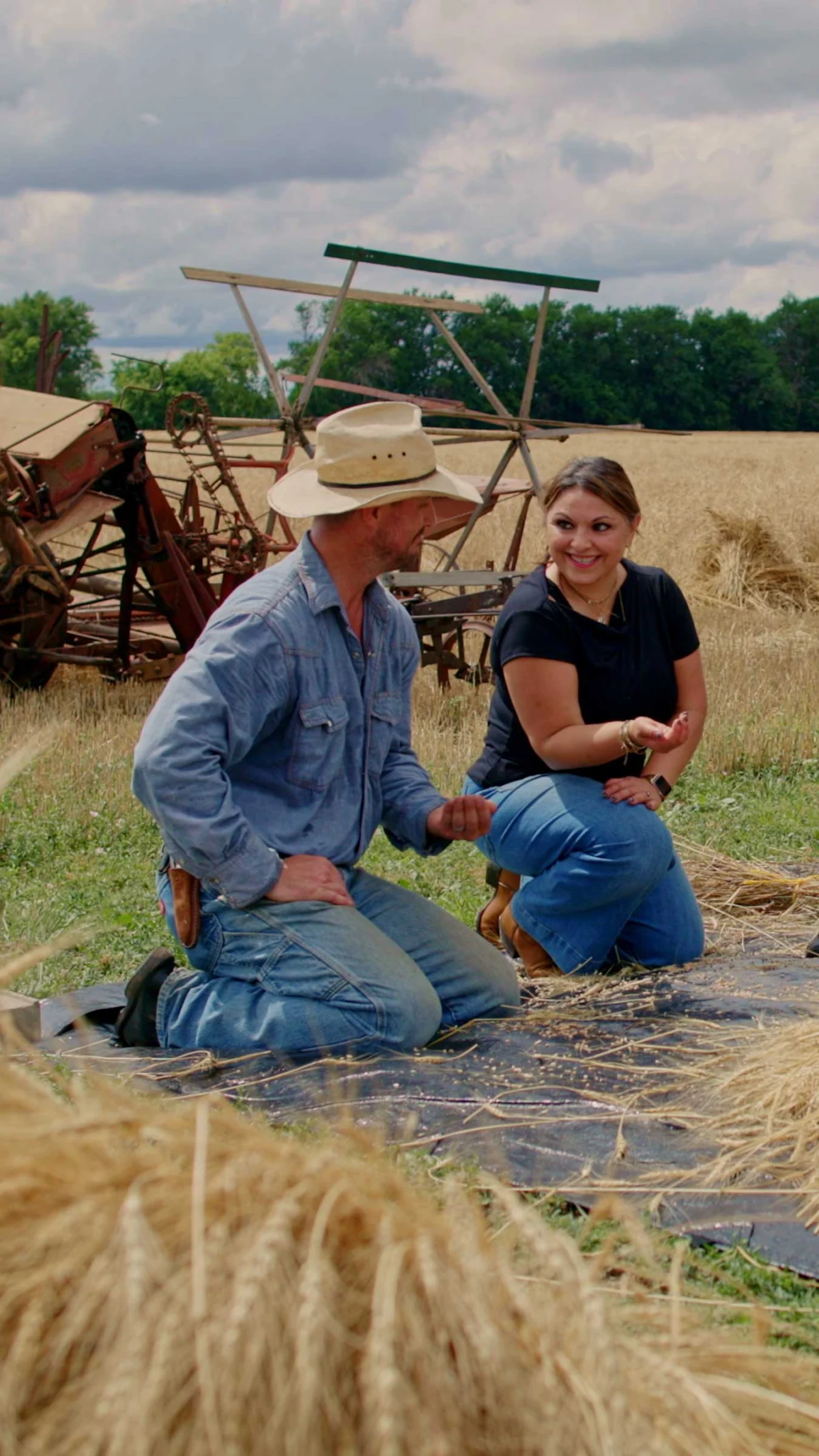
In the modern American landscape, the distance between the dinner plate and the dirt has never been greater. For the average consumer, food is a commodity pulled from supermarket shelves, disconnected from the complex ecosystems and human labor that make its existence possible. However, for television host and author Capri Cafaro, the iconic phrase "No Farms No Food®" is far more than a catchy slogan on a bumper sticker—it is a fundamental truth of national security, economic stability, and cultural heritage.
Through her extensive work with dairy producers, grain growers, and regional food advocates, Cafaro has become a vocal proponent of the American Farmland Trust (AFT). Her mission is to bridge the chasm between urban consumers and rural producers, ensuring that the stewards of our soil receive the advocacy and protection they require to thrive in an era of rapid development and environmental flux.
The Intersection of Culture and Conservation
Capri Cafaro’s journey toward agricultural advocacy was not an overnight transition. As a storyteller who has spent years documenting the nuances of America’s regional food cultures, she has seen firsthand the faces behind the food. Her work has taken her from the high-tech greenhouses of the West Coast to the generational family farms of the Midwest.
"Anyone who eats should recognize that farmland preservation and supporting the next generation of farmers is critical to our sustainability as a nation," Cafaro asserts. This perspective shifts the conversation from a niche agricultural interest to a universal concern. If the land is lost to development—transformed into asphalt parking lots and sprawling subdivisions—it is lost forever.
Cafaro is particularly passionate about the demographic shifts in modern agriculture. Notably, women now farm or co-farm more than 40 percent of U.S. farmland. By amplifying these voices, Cafaro highlights that the future of farming is diverse, resilient, and inherently tied to the health of the American family.
A Chronology of Crisis and Commitment
To understand the urgency behind the AFT’s mission, one must look at the timeline of American land use over the past half-century.
The Post-War Expansion (1950s–1980s)
Following World War II, the United States saw an unprecedented surge in suburbanization. As cities expanded, the "urban fringe" pushed outward, consuming the most productive, high-quality soil in the country. It was during this period of rapid, unchecked development that the loss of prime farmland accelerated, setting the stage for a crisis of agricultural viability.
The Founding of AFT (1980)
Recognizing that the loss of farmland was not just an aesthetic or environmental issue, but an existential threat to food security, the American Farmland Trust was founded in 1980. Its mission was revolutionary: to bridge the gap between conservationists and farmers. Unlike other environmental groups that focused solely on wildlife, AFT recognized that working lands—farms and ranches—were part of the environmental solution.
The Modern Era (2000–Present)
As the 21st century progressed, the challenges facing farmers became more multifaceted. Climate change, fluctuating global markets, and an aging farmer population created a "perfect storm." With the average age of American farmers rising, the "transfer of land" crisis became a primary focus. AFT began prioritizing not just the physical protection of acres, but the mentorship of new farmers and the implementation of regenerative practices to combat soil degradation.
Supporting Data: The Fragility of Our Food System
The statistics regarding the state of American farmland are sobering and underscore the necessity of the work being championed by figures like Cafaro.
- Land Loss: According to recent AFT research, the U.S. has lost millions of acres of farmland to development. The rate of conversion—often referred to as "paving over paradise"—has reached an alarming pace, with millions of acres of high-quality agricultural land being converted to residential or commercial use every year.
- The Gender Gap and Representation: Women are the fastest-growing demographic in agriculture. Despite this, they often face systemic barriers in accessing credit, land ownership, and technical assistance. Organizations like AFT have stepped in to provide targeted resources to ensure these stewards have the tools to succeed.
- Economic Impact: Agriculture remains a pillar of the American economy. However, the economic viability of small-to-mid-sized family farms is under constant pressure. When farmland is protected, it serves as an economic engine for rural communities, supporting local tax bases and infrastructure.
- Environmental Stewardship: Well-managed farms act as carbon sinks and protectors of water quality. AFT’s focus on environmentally sound farming practices—such as cover cropping, no-till farming, and managed grazing—directly contributes to national climate goals.
The AFT Approach: A Three-Pronged Strategy
The American Farmland Trust distinguishes itself through a holistic, three-pronged philosophy that Cafaro frequently highlights in her advocacy:
1. Protecting Agricultural Land
AFT works at both the policy and local levels to secure farmland. Through the use of Agricultural Conservation Easements, they ensure that land remains dedicated to farming, even as ownership changes. This protects the land from being turned into shopping malls or subdivisions, maintaining the integrity of our national food basket.
2. Promoting Sound Practices
Conservation is not just about keeping the land; it is about how the land is treated. AFT provides farmers with the science and support to adopt regenerative practices. These methods improve soil health, increase water retention, and enhance biodiversity, ensuring that the land remains productive for the next hundred years, rather than being depleted for short-term gains.
3. Keeping Farmers on the Land
Technology and land-use policy are only half the battle. The human element is crucial. AFT facilitates "land linking," where retiring farmers are connected with aspiring young farmers, ensuring the continuity of knowledge and the survival of the family farm model. By showing up in the rooms where legislative decisions are made, AFT acts as a lobby for those who are too busy working the fields to advocate for themselves.
Official Responses and Strategic Implications
The implications of failing to protect our farmland are catastrophic. From a national security standpoint, a country that cannot feed itself is vulnerable. From a social standpoint, the disappearance of the family farm erodes the cultural fabric of rural America.
"We have to stop viewing farms as merely ‘undeveloped space,’" says an AFT representative. "Every acre of farmland lost is a lost opportunity for climate mitigation, a loss of local food security, and a loss of a rural livelihood."
The policy implications are clear: the U.S. government must incentivize the preservation of agricultural land at the federal level, potentially through stronger Farm Bill provisions. Furthermore, states must reconsider zoning laws that favor rapid, sprawling development over the preservation of vital resource lands.
Capri Cafaro’s involvement serves as a catalyst for these conversations. By utilizing her platform as a television host, she translates complex agricultural policy into a narrative that the general public can digest. She emphasizes that whether you live in a high-rise in Manhattan or a farmhouse in the heartland, the health of our soil dictates the health of our society.
A Call to Action: The Role of the Citizen
The article concludes with a powerful invitation. As Cafaro notes, the preservation of our agricultural future is not solely the responsibility of the government or large corporations; it is a collective task.
"Join me," Cafaro invites. By becoming a member of the American Farmland Trust, citizens are doing more than just donating money; they are investing in the infrastructure of their own sustenance. Membership provides the resources needed to continue the advocacy work that keeps farmers on their land, protects the soil from development, and ensures that the next generation has the opportunity to farm.
In an increasingly uncertain world, the most reliable investment we can make is in the land beneath our feet. Through the efforts of the American Farmland Trust and the dedicated voices of those like Capri Cafaro, there is a path forward—one where the farm remains the foundation of the American identity, and where "No Farms No Food" is not just a reminder of our past, but a promise of our future.
For those interested in contributing to this vital work, membership information is available at farmland.org/edible. As we look toward the horizon of the 21st century, the message is clear: protect the land, support the farmer, and secure our future.

 Nila Kartika Wati
 Layla Zulfa

