 Laily UPN

 Suro Senen

 Muslim
 Raul Delapena Setiawan
 Layla Zulfa
Introduction: A Legacy of Collaboration Under Strain
The World Health Organization (WHO) stands as the cornerstone of global public health, a specialized agency of the United Nations tasked with coordinating international responses to health crises. For decades, the United States served as a founding member and the primary financial contributor, instrumental in the landmark eradication of smallpox and significant advancements against HIV, polio, Ebola, and malaria. However, the recent formal notification of the United States’ intent to withdraw from the organization has sent shockwaves through the international diplomatic and scientific communities.
The WHO leadership has characterized this decision as a profound setback, warning that it compromises the safety of both the United States and the broader global community. As the world navigates the long-term aftermath of the COVID-19 pandemic, the departure of a major global power from this collaborative framework raises critical questions about the future of international health security, diplomatic sovereignty, and the efficacy of multilateral institutions.
The Chronology of a Public Health Crisis
To understand the friction between the U.S. government and the WHO, one must examine the timeline of the COVID-19 pandemic, which served as the primary catalyst for the current geopolitical dispute.
Early Detection and Initial Response
The narrative of the pandemic response began on December 31, 2019, when the WHO received the first reports of a "pneumonia of unknown cause" in Wuhan, China. The organization immediately activated its emergency incident management system and requested further data from Chinese health authorities.
By January 11, 2020—the date of the first reported death in China—the WHO had already utilized formal channels, social media, and public statements to alert the international community. During this critical window, the WHO convened global experts to synthesize guidance for protecting national health systems.
Escalation and Emergency Declaration
On January 30, 2020, the WHO Director-General declared COVID-19 a "Public Health Emergency of International Concern" (PHEIC) under the International Health Regulations. At that juncture, the global situation remained relatively contained, with fewer than 100 cases reported outside of China and zero recorded deaths globally. Throughout the subsequent months, the Director-General consistently issued dire warnings, famously stating that the "window of opportunity is closing" and that the world needed to treat the virus as "public enemy number one."
Addressing the Allegations: The "Failures" Debate
The U.S. administration’s decision to withdraw was predicated on several high-profile accusations, most notably that the WHO “failed” during the pandemic, “obstructed the timely sharing of information,” and “concealed” failures to protect the world.
The WHO’s Counter-Defense
The WHO maintains that these claims are factually inaccurate. Leadership asserts that while no organization is infallible, the WHO acted with rapid transparency based on the best available evidence at the time. A point of contention remains the implementation of social restrictions. The WHO clarifies that it recommended specific public health tools—such as masking, physical distancing, and vaccination—but never issued mandates for lockdowns or vaccines.
The organization maintains that its role was to provide technical guidance, leaving sovereign governments to tailor policies that best fit their domestic political and social contexts. The WHO argues that it respected the sovereignty of the United States throughout the crisis, just as it does with all 194 member states.
Political Friction and the Question of Sovereignty
Beyond the operational complaints regarding COVID-19, the United States expressed deep concerns regarding the organizational culture of the WHO. Washington alleged that the agency had been co-opted by a “politicized, bureaucratic agenda” driven by nations hostile to American interests.
Impartiality and Global Governance
The WHO flatly rejects this characterization. As a UN agency, the WHO operates under the mandate of its 194 member states. The organization maintains that its core mission—the pursuit of the highest attainable standard of health for all people—necessitates absolute impartiality. By serving all nations without "fear or favor," the WHO argues it acts as a neutral broker, essential in a world where health crises do not recognize national borders or political ideologies.
Implications for Future Global Health Security
The withdrawal of the United States, while currently under review by the WHO Executive Board and the World Health Assembly, presents a series of systemic risks to global health stability.
The Loss of Collaborative Synergy
The WHO’s infrastructure relies on a continuous, 24/7 flow of data and resources. The systems developed for disease surveillance are designed to protect every nation, including those that choose to exit the framework. The absence of U.S. participation limits the depth of intelligence sharing and the financial stability of global efforts to combat antimicrobial resistance, food safety risks, and the persistent threat of emerging zoonotic diseases.
A Path Toward Reform and Future Agreements
Despite the tension, the WHO continues to push for progress. Last year, the World Health Assembly adopted the WHO Pandemic Agreement, a landmark instrument of international law aimed at ensuring future pandemics are met with a more unified global front.
Currently, member states are negotiating an annex to this agreement known as the Pathogen Access and Benefit Sharing (PABS) system. If successfully ratified, this system would codify the rapid detection and sharing of pathogens, while ensuring that the resulting vaccines, diagnostics, and therapeutics are distributed equitably across the globe. The WHO views these as critical safeguards against the very “failures” the U.S. government cited as its rationale for withdrawal.
The Way Forward: Diplomacy and Re-engagement
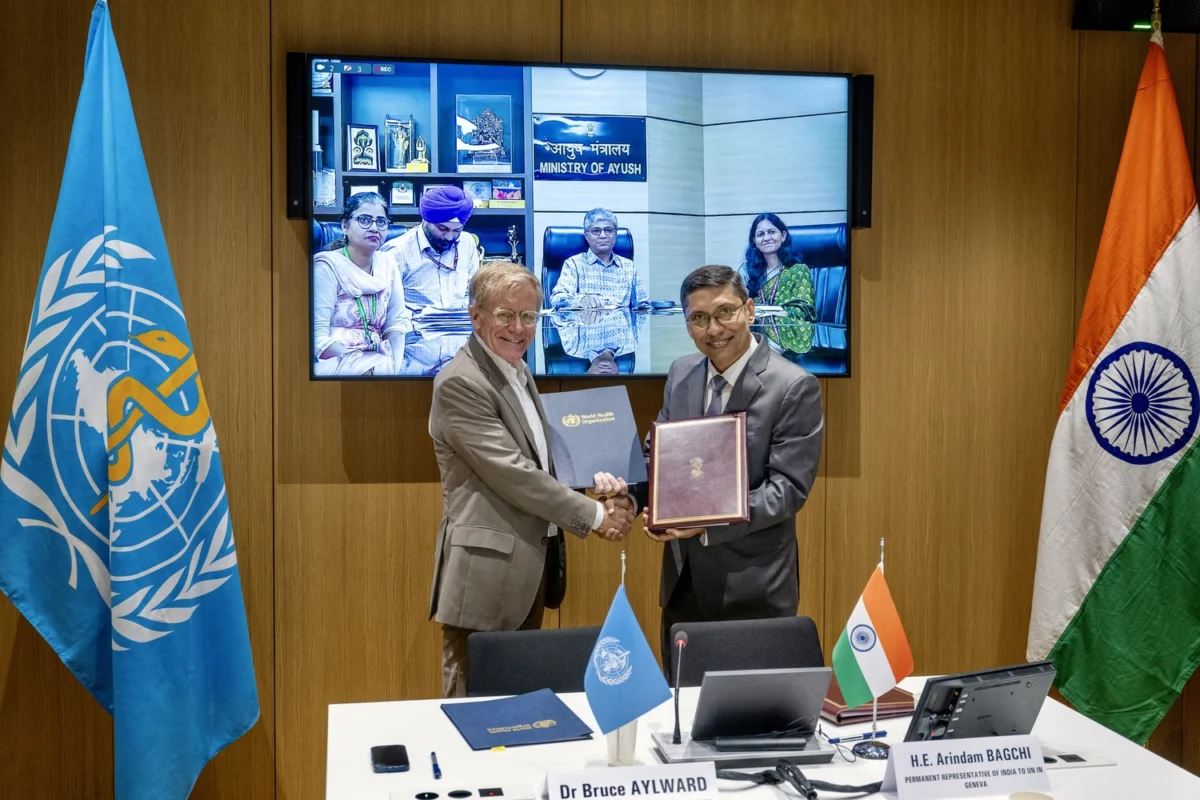
The WHO leadership has expressed a clear desire for the United States to return to the fold. The upcoming meetings of the WHO Executive Board in February and the World Health Assembly in May 2026 will serve as the formal platforms for addressing the specific grievances raised by the U.S. notification.
The narrative of this withdrawal is ultimately a case study in the complexities of modern multilateralism. Public health experts argue that in an era of globalization, the threats posed by pathogens—whether influenza, Ebola, or novel coronaviruses—are essentially collective problems that require collective solutions. The WHO maintains that its doors remain open, and its mission remains unchanged.
Conclusion
The relationship between the United States and the World Health Organization is currently at a historic crossroads. While the U.S. government has voiced significant frustrations regarding accountability and perceived political bias, the WHO continues to position itself as a necessary, if imperfect, vehicle for global health security.
As the diplomatic process unfolds, the international community will be watching closely to see if a reconciliation is possible. For now, the WHO continues to operate under its constitutional mandate, prioritizing the health of the global population while navigating the loss of its most significant historical partner. The hope within the organization is that the "highest attainable standard of health as a fundamental right" will eventually supersede the political grievances of the moment, bringing the United States back to the table to help build a safer, more resilient world.
Note: For further information regarding the formal proceedings of the Executive Board or to review the technical documentation related to the pandemic response, stakeholders are encouraged to visit the official WHO database and the archives of the World Health Assembly.