

 Lina Irawan
 Lina Hope
 Rifan Muazin
 Neng Nana
 Jia Lissa
 Iffa Jayyana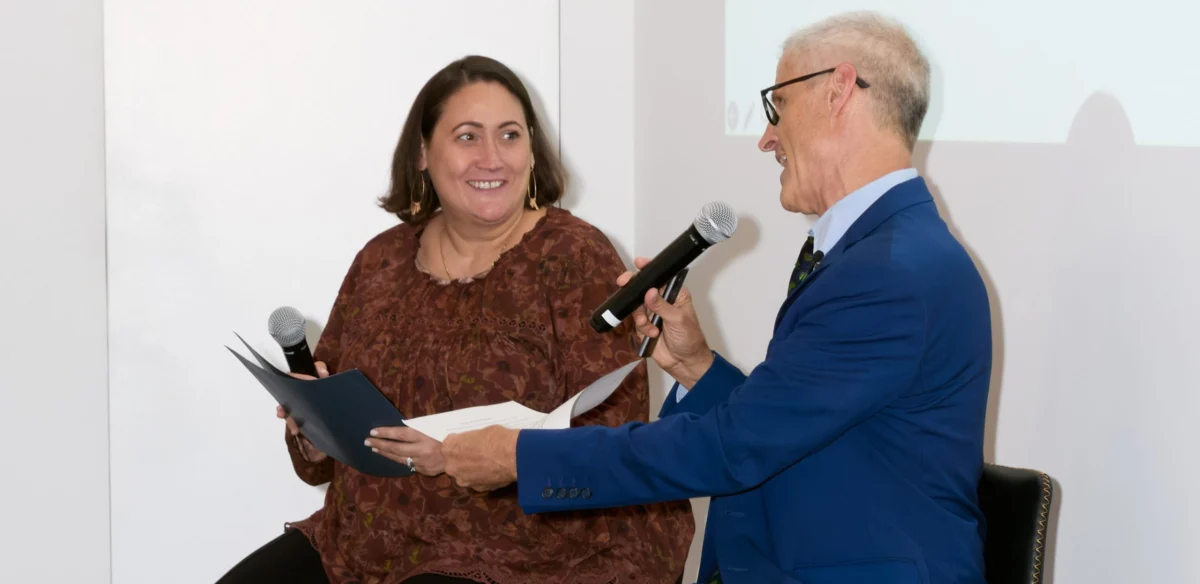
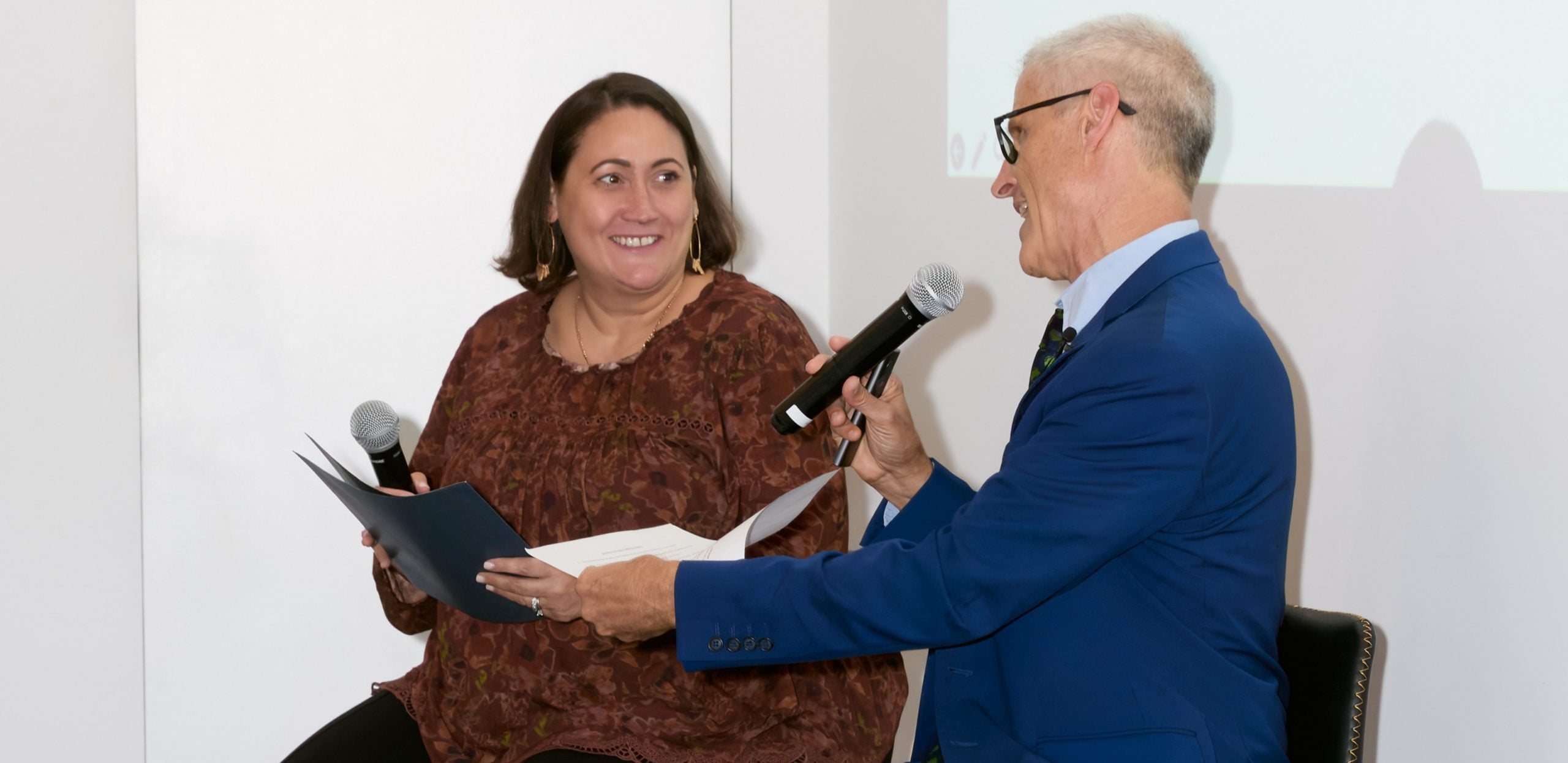
NEW YORK CITY — On the evening of October 6, 2026, the heart of Union Square pulsed with a different kind of energy—one rooted in advocacy, history, and the promise of a more compassionate future. At Project Farmhouse, a venue synonymous with sustainability and purpose-driven dialogue, Farm Sanctuary hosted a gala that served a dual purpose: it acted as the grand finale of the organization’s 40th-anniversary celebrations while simultaneously igniting the national book tour for co-founder Gene Baur’s latest literary contribution, Farm Sanctuary: The Story of a Movement.
The event was more than a mere launch; it was a reflective journey through four decades of animal advocacy, bridging the gap between the radical, grassroots beginnings of the 1980s and the sophisticated, policy-driven landscape of 2026.
The Main Facts: A Milestone for the Movement
The centerpiece of the evening was the unveiling of Farm Sanctuary: The Story of a Movement, a comprehensive visual history that chronicles the evolution of the organization from a small-scale rescue operation into a global powerhouse for farm animal protection.
Attendees—a diverse crowd of activists, policy experts, and long-time supporters—were among the first to hold the volume, which features archival photography, personal testimonials, and contributions from legendary figures in the animal rights movement. The book is designed not just as a retrospective, but as a roadmap for the next generation of advocates.
"We are standing at a crossroads," Baur remarked during his address. "To understand where we are going, we must honor the grit, the heartbreak, and the small victories that defined the last forty years."
Chronology: From Grateful Dead Shows to Global Advocacy
To understand the weight of this 40-year milestone, one must look at the timeline of Farm Sanctuary’s growth. The event organizers took great care to weave the organization’s history into the evening’s atmosphere.
The Early Days: 1986–1995
In the mid-80s, the concept of "farm animal rescue" was virtually non-existent in the public consciousness. Gene Baur and his early collaborators operated on a shoestring budget, relying on unconventional methods to raise awareness and capital. A nod to this era was featured prominently in the evening’s catering: vegan versions of the veggie dogs that Baur famously sold at Grateful Dead concerts. This nostalgic menu item served as a reminder that the most significant movements often begin with individual initiative and the willingness to meet people where they are.
The Institutionalization of Empathy: 1996–2015
The middle decades saw Farm Sanctuary transition from a rescue operation to a policy-influencing institution. This era was marked by high-profile legal battles, legislative victories against factory farming practices, and the establishment of permanent sanctuaries that allowed for the public to bear witness to the personalities of rescued animals.
The Modern Era: 2016–2026
The final decade of this forty-year span has been defined by the mainstreaming of plant-based advocacy. The collaboration with figures like Allie Taylor, director of the New York City Mayor’s Office of Animal Welfare, reflects the current reality: animal welfare is no longer an outlier cause; it is a critical component of municipal policy, public health, and climate action.
Supporting Data: The Impact of Four Decades of Advocacy
While the evening was celebratory, the underlying data driving the event was sobering. Over the past 40 years, Farm Sanctuary has played a pivotal role in shifting the cultural paradigm regarding sentient beings.
- Policy Shifts: Through decades of documentation and legal advocacy, Farm Sanctuary has been instrumental in the passage of state and local laws banning extreme confinement, such as gestation crates and battery cages.
- Public Education: The organization has reached millions of people through its sanctuary tours, educational programs, and multimedia outreach, effectively transforming the narrative of the "farm animal" from a commodity to an individual.
- The Power of Narrative: Farm Sanctuary: The Story of a Movement serves as a primary data source for the movement, documenting the thousands of individual lives saved and the ripple effect those rescues have had on global agricultural policy.
Official Responses and Guest Perspectives
The evening featured a series of speakers who highlighted the intersection of art, policy, and personal mission.
Allie Taylor: The Role of Municipal Governance
Allie Taylor, representing the NYC Mayor’s Office of Animal Welfare, provided a perspective on the importance of institutional support. "When we look at the history of Farm Sanctuary, we see a template for how cities can evolve," Taylor noted. "It’s not just about rescue; it’s about creating a society where the inherent value of life is recognized in our laws. Gene’s work has provided the framework for the legislative progress we are seeing today in New York and beyond."
Sue Coe: Art as an Instrument of Truth
Renowned artist Sue Coe, who contributed both original artwork and a poignant essay to the new book, spoke to the emotional labor of the movement. "The struggle for animal liberation is often hidden behind closed doors," Coe said. "My role—and the role of this book—is to make the invisible visible. When you look at these pages, you aren’t just seeing animals; you are seeing the moral conscience of our era."
Implications: Where Does the Movement Go From Here?
As the 40th anniversary celebrations conclude, the implications of this moment are profound. The launch of the book serves as a declaration that the movement is not entering a state of retirement, but rather a phase of consolidation and expansion.
A New Strategic Focus
The discussions at Project Farmhouse hinted at the organization’s future priorities. As global climate anxiety intensifies, the connection between industrial animal agriculture and environmental degradation has become impossible to ignore. Farm Sanctuary is positioning itself to be a leading voice in the "Just Transition" dialogue, arguing that the shift away from factory farming is essential for a sustainable planet.
The Next Generation of Activists
The book serves as a vital pedagogical tool. By documenting both successes and failures, it provides a blueprint for younger activists who are entering a digital age where the speed of information—and misinformation—is unprecedented. The emphasis on "The Story of a Movement" suggests a pivot toward narrative-driven activism, where the personal stories of rescued animals are used to bypass political polarization and touch the core of human empathy.
The Role of Urban Policy
The involvement of the NYC Mayor’s Office of Animal Welfare signals a significant shift in how animal advocacy interacts with urban centers. As more people move into cities, the disconnect from food sources grows. Initiatives that bring the stories of these animals into the urban core—much like this book launch—are becoming essential for maintaining public interest and political will.
Conclusion: A Living Legacy
As the event drew to a close, the atmosphere at Project Farmhouse was one of quiet resolve. The celebration of 40 years of Farm Sanctuary was not merely a look backward at the long, arduous road traveled since 1986. It was an acknowledgment that the work—the advocacy, the rescue, the education, and the legal challenges—is far from over.
Gene Baur’s book stands as a testament to the fact that while the systems of exploitation are deeply entrenched, they are not immutable. Through the tireless work of volunteers, researchers, artists, and policy makers, the status of farm animals has shifted from the periphery of moral consideration to the center of global debate.
As the attendees departed into the cool New York City night, the consensus was clear: the story of the movement is not yet finished. With the release of this new volume, the next chapter begins, carried forward by a new generation armed with the history, the data, and the inspiration provided by four decades of unyielding compassion. The movement has come a long way from selling veggie dogs at concerts, but the core mission—to love, to protect, and to change the world—remains exactly as it was on day one.


 Sagoh
Sagoh
