

 Nana Wu

 Dwi Wanna

 Suro Senen

 Evan Lee Salim

 Lina Hope
Listen to This Article:
For many bakers, the ultimate dream is a bustling storefront, a line snaking out the door at opening, and an empty display case by mid-morning. While such scenes are undeniably indicators of success, they also hint at a crucial business reality: a potential ceiling on growth. Relying solely on walk-in traffic, no matter how robust, limits your revenue to the physical confines of your location and the number of customers who happen to pass by.
The modern bakery landscape, however, offers a vibrant array of opportunities to transcend these traditional boundaries. Just beyond your front door lies a vast market hungry for your creations: office managers needing bespoke breakfast spreads for team meetings, discerning grocery shoppers seeking artisanal products for their shelves, and out-of-state enthusiasts eagerly awaiting your signature cookies delivered right to their homes.
With a well-conceived strategy and the right distribution channels, bakeries can significantly expand their revenue streams and brand footprint without the immediate necessity of a larger kitchen or a costly second retail location. This comprehensive guide delves into seven powerful methods for selling beyond the counter, exploring the strategic prerequisites, operational demands, and ideal scenarios for each, offering a roadmap for aspiring and established bakers alike to transform their passion into a scalable enterprise.
Note: Auguste Escoffier School of Culinary Arts does not provide financial advice. Always consult with a professional to determine what is best for your situation. As Auguste Escoffier School of Culinary Arts is based in the United States, the information provided here is specific to American students. International students should consult the tax codes of their respective countries. Nothing in this article is intended to be professional tax advice. Always consult a tax advisor regarding your specific situation.
How to Know Which Channel Is Right for You: A Strategic Assessment
Before embarking on any expansion journey, a critical internal audit is paramount. Each bakery, whether a nascent cottage operation or an established storefront with years of steady traffic, possesses a unique set of strengths, limitations, and growth potential. Choosing the most suitable distribution channel requires a clear-eyed understanding of your current setup and a forward-looking vision for your brand.
Conducting Your Internal Audit
To gain the clarity needed for strategic decision-making, ask yourself the following crucial questions:
- Product Suitability: What are your flagship products? Do they have a long shelf life? Are they easily transportable without compromising quality? Are they unique enough to stand out in a new market? Perishable items like delicate pastries might be ideal for local catering, while sturdy cookies or artisanal breads could excel in online sales or wholesale.
- Production Capacity: How much more can your current kitchen produce without compromising quality or overstretching your team? Do you have the necessary equipment for larger batches? Is there room for additional staff or specialized packaging stations? Expanding capacity might involve investing in new machinery or optimizing workflows.
- Staffing & Skills: Does your current team possess the bandwidth and expertise to handle new operational demands? Will you need to hire staff for logistics, sales, marketing, or specialized production? Consider the legal and financial implications of expanding your workforce.
- Financial Resources: What capital do you have available for initial investments in new equipment, marketing, legal fees, or packaging? Can you comfortably manage potential cash flow lags, especially with wholesale accounts that often operate on delayed payment terms? A realistic budget is crucial for sustainable growth.
- Brand Identity & Market: What is your bakery’s core brand identity? Who is your ideal customer, and where do they typically shop? How will a new channel reinforce or expand your brand’s reach? Understanding your market will guide your choice of partners and platforms.
- Personal Goals: What kind of business do you ultimately envision? Are you seeking steady, predictable income, widespread brand recognition, or maximum profit? Your personal aspirations should align with the chosen growth path.
A thorough inventory of these factors will illuminate your current standing, enabling you to select the most viable next step and strategically plan for future expansions. Distribution is but one facet of scaling a bakery; considerations like production efficiency, staffing models, and robust financial management are equally vital. For a deeper dive into these areas, resources on general bakery scaling strategies are invaluable.
To help weigh your options, here’s how seven of the most common channels compare at a glance:
| Channel | Best Suited For | What It Can Take to Start | Real-World Example |
|---|---|---|---|
| Wholesale | Bakeries with spare production capacity and one or two standout, transportable products | A repeatable production schedule, food safety/labeling compliance, and cash flow to cover the payment lag from wholesale accounts | King’s Hawaiian |
| Licensing | Established bakeries with a recognizable product, signature recipe, or brand name | Legal agreements protecting your recipes or brand, plus clear quality standards for licensees | Cinnabon |
| Subscription Services | Storefront or cottage bakeries with shippable products seeking predictable recurring revenue | Packaging and shipping logistics that preserve freshness, plus a subscription platform | Milk Bar’s First Bite Club |
| Online Sales | Bakeries with shelf-stable or shippable products and a strong visual brand | High-quality product photography, reliable packaging/shipping, and compliance with cottage food laws for interstate sales | Levain Bakery via Goldbelly |
| Strategic Partnerships | Bakeries looking to grow visibility without heavy capital investment | Finding a complementary partner business with an aligned customer base and brand positioning | Blue Bottle Coffee and Sugarbloom Bakery |
| Catering | Bakeries with staffing flexibility for irregular, large-volume orders | Flexible staffing schedules, dedicated ordering systems, and pricing structured for customization and delivery | Panera Bread |
| Franchising | Bakeries with a proven, well-tested brand and operating system | Franchise disclosure documents and systems for quality control across locations you don’t directly manage | Great Harvest Bread Co. |
1. Wholesale: Expanding Reach Through Retail Partners
Wholesale distribution involves producing larger quantities of your baked goods to sell to other businesses—such as cafes, restaurants, grocery stores, hotels, or specialty food shops—who then resell them to their own customer base. This model can be an ideal expansion strategy if your bakery boasts a few reliable bestsellers that are not only popular but also easy to produce in high volume and transport efficiently.
The Core Concept of Wholesale
The appeal of wholesale lies in its ability to significantly amplify your production volume and market penetration without requiring you to open new retail locations or directly manage additional customer interactions. Instead, you leverage the existing customer traffic and infrastructure of your partner businesses. This creates a symbiotic relationship: your partners offer unique, high-quality products to their clientele, and you gain access to new markets and increased sales volume.
Ideal Candidates for Wholesale
Bakeries best suited for wholesale typically possess:
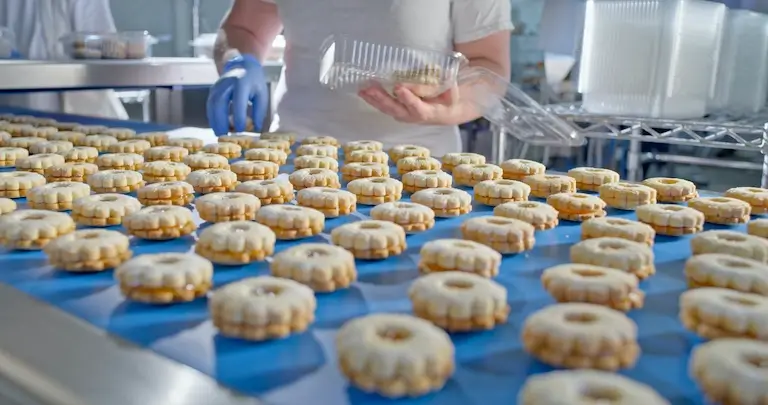
- Consistent, High-Quality Products: Items that hold up well during transport and have a predictable shelf life. Think artisanal breads, robust cookies, muffins, or savory pastries.
- Spare Production Capacity: The ability to scale up baking operations without sacrificing the quality or efficiency of your existing retail production.
- Operational Efficiency: Streamlined processes for large-batch baking, packaging, and inventory management.
Strategic Implementation & Logistics
Launching a successful wholesale operation requires careful planning:
- Partner Identification: Research potential partners whose brand aligns with yours and whose customer base would appreciate your products. Start small, perhaps with a local cafe, before approaching larger grocery chains.
- Product Selection: Focus on a limited range of products that are your strong sellers and travel well.
- Packaging & Labeling: Develop durable, attractive packaging that protects your products and meets all food safety and labeling compliance requirements (ingredients, allergens, nutritional information).
- Delivery Logistics: Determine how products will be transported. Will you handle deliveries in-house, or partner with a third-party distributor?
- Sales & Marketing: Prepare a professional wholesale catalog or line sheet with product details, pricing, and ordering information.
Pricing for Profitability and Partnership
One of the most critical aspects of wholesale is pricing. You must set a price that allows your retail partners to make a profit while ensuring healthy margins for your own business, even with the increased volume.
- Keystone Pricing: A common baseline in retail, keystone pricing suggests the final retail price is double the wholesale cost. If your artisanal cookies retail for $18 a dozen, a retailer would typically expect to buy them from you for $9.
- Cost Analysis: Before agreeing to any rate, conduct a meticulous audit of all your costs: ingredients, labor (including packaging and delivery), overhead, and even potential spoilage. Ensure that a lower wholesale price still yields a healthy profit margin for your increased volume.
- Payment Terms: Be prepared for payment lags. While upfront payment is ideal, many wholesale agreements range from Net 7 (payment due in 7 days) to Net 60 (payment due in 60 days). Ensure your cash flow can comfortably cover ongoing operating expenses during these waiting periods.
Real-World Success: The King’s Hawaiian Saga
The story of King’s Hawaiian exemplifies the power of wholesale. Robert Taira opened Robert’s Bakery in Hilo, Hawaii, in 1950, specializing in Portuguese sweet bread. Its immense popularity led Taira to innovate, transforming the bread into smaller, convenient rolls. This adaptation, coupled with a strategic expansion into supermarkets, allowed the company to reach a far wider audience. Rebranded as King’s Hawaiian, the company grew to multiple manufacturing sites, becoming a national staple, particularly cherished during holiday meals. Their journey from a local bakery to a ubiquitous brand is a testament to the effective leveraging of wholesale channels and product evolution.
2. Licensing: Leveraging Your Brand’s Equity
Licensing offers a unique path to expansion by allowing other businesses to pay for the right to make and sell your signature products under your established brand name. This strategy extends your market reach and brand presence without directly adding to your daily kitchen operations or requiring significant capital investment in new production facilities. It’s crucial to distinguish licensing from franchising: a licensee pays to incorporate your distinct product or recipe into their existing operations, whereas a franchisee pays to open an entire, replicated version of your bakery business model.
When Licensing Makes Sense
Licensing is most effective for bakeries that possess:
- A Recognizable Brand Name: A strong, established brand identity that consumers trust and recognize.
- Signature Products/Recipes: Unique, proprietary recipes or product lines that have garnered significant popularity and a distinct market identity.
- Intellectual Property: Elements that can be legally protected, such as unique flavor profiles, product designs, or brand logos.
The Mechanics of a Licensing Agreement
A licensing agreement grants another company the right to use your intellectual property (recipes, brand name, logo) in exchange for royalties, typically a percentage of their sales using your licensed product. Key elements of such an agreement include:
- Scope of License: Clearly define which products, recipes, or brand elements are being licensed and for what specific use (e.g., Cinnabon flavor in ice cream, but not Cinnabon pastries).
- Geographic Territory: Specify where the licensee can operate (e.g., national, regional, international).
- Term: The duration of the agreement.
- Royalty Structure: How and when royalties are paid.
- Quality Standards: Detailed specifications for product quality, ingredients, and manufacturing processes.
Safeguarding Your Brand’s Reputation
The primary challenge and critical component of licensing is maintaining brand integrity and quality control. Since your name is on a product you aren’t directly producing, robust legal protections and stringent quality standards are non-negotiable.
- Legal Agreements: Consult an attorney to draft comprehensive legal agreements that clearly outline quality standards, ingredient specifications, production methods, packaging requirements, and the consequences for failing to meet these standards. Trademark your brand name and any unique product identifiers.
- Monitoring and Audits: Implement a system for regular checks and audits of the licensee’s products and processes to ensure consistent quality.
- Realistic Timelines: Licensing income typically builds more slowly than other channels. Success often hinges on finding the right strategic partner who genuinely aligns with your brand values and quality ethos, rather than rushing into the first available offer.
Cinnabon’s Licensing Empire
Cinnabon stands as a prime example of successful brand licensing. In 2001, the company primarily operated through mall kiosks and airport locations. Recognizing the power of its signature cinnamon flavor and brand recognition, Cinnabon embarked on an aggressive licensing program. Today, the Cinnabon name and flavor profile are integrated into over 70 different products through partnerships with major food companies like General Mills and Kellogg’s. These licensed products—ranging from cereals and coffee creamers to snack cakes—are produced and distributed by the partner companies, allowing Cinnabon to expand its reach exponentially without owning a single manufacturing facility beyond its core operations. This strategy transformed Cinnabon from a mall-based treat purveyor into a global flavor brand.
3. Subscription Services: Cultivating Predictable Revenue
A subscription box, club, or membership program is a powerful model for converting one-time purchasers into sources of predictable, recurring revenue. Customers pay on a set schedule—weekly, monthly, quarterly—in exchange for regular deliveries of your baked goods or ongoing exclusive perks. This channel offers a significant advantage in forecasting demand, allowing bakeries to plan production more accurately rather than relying on daily walk-in estimates.
The Allure of Recurring Revenue
The benefits of a subscription model are manifold:
- Predictable Income: Stable revenue streams make financial planning easier.
- Improved Inventory Management: Knowing subscriber numbers allows for more efficient purchasing of ingredients and reduced waste.
- Enhanced Customer Loyalty: Subscribers often feel a deeper connection to the brand, fostering community and reducing churn.
- Marketing Opportunities: Subscription programs can be leveraged to introduce new products or offer exclusive items.
Product Selection for Subscriptions
This channel works well for both traditional storefronts and cottage bakeries, as it doesn’t necessitate a physical retail space. However, it critically depends on having products that:
- Ship Well: Items must withstand transit without damage or significant loss of freshness.
- Hold Up Over Time: Products should retain their quality for several days, allowing for shipping time and customer enjoyment. Shelf-stable items like cookies, granola, or specialized breads are ideal, but creatively packaged perishable items can also succeed.
Operational Essentials
Running a successful subscription service demands meticulous attention to logistics:

- Packaging for Freshness: Invest in high-quality packaging materials that insulate, protect, and preserve the freshness of your baked goods during transit. Consider eco-friendly options.
- Shipping Logistics: Establish reliable shipping partnerships. Research optimal shipping methods, costs, and delivery times to ensure products arrive in peak condition. Offer tracking options to customers.
- Subscription Platform: Utilize a robust e-commerce platform with integrated subscription management features (e.g., Shopify apps like Recharge, Cratejoy, or dedicated subscription services) to handle recurring orders, billing, and customer account management.
- Customer Service: Provide clear communication regarding delivery schedules, billing, and easy cancellation options to maintain subscriber satisfaction.
Engaging Your Subscriber Base
Research indicates that subscription programs can significantly increase customer spending, but retaining subscribers requires more than just sending a box. The how and when you engage subscribers are crucial for long-term loyalty.
- Value Proposition: Clearly articulate the unique benefits of joining your club (e.g., exclusive products, discounts, early access, unique themes).
- Personalization: Where possible, offer choices or tailor boxes to subscriber preferences.
- Community Building: Create a sense of belonging through exclusive content, forums, or social media groups.
- Surprise & Delight: Occasionally include a bonus item or a handwritten note to enhance the unboxing experience.
Milk Bar’s First Bite Club: A Case Study in Innovation
Christina Tosi’s Milk Bar, renowned for its innovative and playful desserts, successfully launched its "First Bite Club." This exclusive subscription program grants members early access to new desserts directly from Milk Bar’s test kitchen, often months before they appear on the regular menu. The program proved so popular it sold out within days of its launch. This model not only provides a consistent revenue stream and strengthens loyalty among dedicated fans but also serves as an invaluable platform for the bakery to test new products, gather feedback, and generate buzz before a wider release.
4. Online Sales: Breaking Geographical Barriers
Selling your baked goods online can dramatically expand your customer base far beyond your immediate local footprint, transforming a neighborhood gem into a national sensation. This channel is particularly viable for bakeries specializing in shelf-stable or shippable products like cookies, certain breads, and pre-packaged goods.
The Digital Storefront Advantage
The primary draw of online sales is accessibility. Your "store" is open 24/7, reaching customers across states or even internationally, who might never visit your physical location. This greatly increases your potential market size and brand visibility.
Product Fit for E-commerce
- Shelf-Stable/Shippable: Prioritize items that can withstand transit and arrive fresh. Cookies, brownies, loaf cakes, granola, and some artisan breads are excellent candidates. Delicate items like highly decorated cakes or cream-filled pastries are generally unsuitable unless highly specialized packaging and expedited shipping are employed.
- Visually Appealing: Online sales rely heavily on visual appeal. Your products need to look as delicious as they taste.
- Strong Brand Identity: A distinctive brand helps you stand out in a crowded online marketplace.
Crafting a Compelling Online Presence
Success in e-commerce hinges on a well-executed digital strategy:
- High-Quality Photography: This is non-negotiable. Professional, well-lit photos that make your products irresistible are crucial. Buyers can’t taste or smell online, so visuals are everything.
- User-Friendly Website: Invest in an intuitive e-commerce platform (e.g., Shopify, Squarespace, WooCommerce) that offers a seamless shopping experience, secure payment processing, and clear navigation.
- Detailed Product Descriptions: Provide comprehensive information, including ingredients, allergens, size, weight, and storage instructions.
- Reliable Packaging & Shipping: Develop robust packaging that protects items from damage, maintains freshness, and presents beautifully upon arrival. Partner with reliable carriers and clearly communicate shipping costs and delivery timelines.
- Digital Marketing: Employ strategies like search engine optimization (SEO), social media marketing, email campaigns, and paid advertising to drive traffic to your online store.
Navigating Legalities for Interstate Sales
For cottage bakeries, selling online across state lines introduces additional legal complexities.
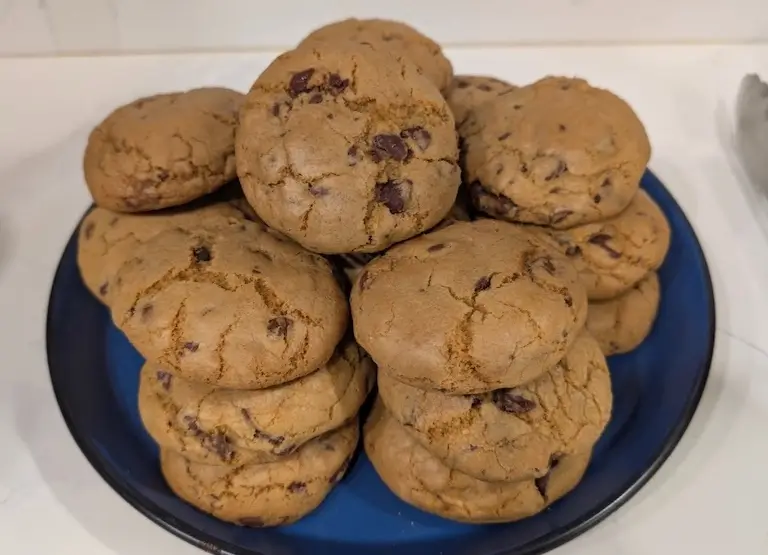
- Cottage Food Laws: Understand your state’s specific cottage food laws regarding interstate sales. Some states restrict or prohibit out-of-state sales for cottage-licensed businesses.
- Tax Obligations: Consult with an accountant about sales tax obligations in different states where you sell products. This can become complex as your sales volume grows.
- Food Safety Regulations: Be aware of federal and state food safety regulations that apply to commercial food production and shipping.
Levain Bakery’s National Cookie Craze
Levain Bakery in New York’s Upper West Side became legendary for its colossal chocolate chip walnut cookies, attracting lines around the block since 1995. Recognizing the national demand, Levain successfully built a nationwide shipping model, often partnering with gourmet food platforms like Goldbelly. Their strategy focuses on baking fresh and shipping same-day, ensuring their iconic cookies arrive ready to eat. Beyond cookies, Levain has also expanded into branded merchandise, including cookie jars, candles, and apparel, further solidifying their brand presence and creating additional revenue streams.
5. Strategic Partnerships: Amplifying Your Brand Together
A strategic partnership allows your bakery to collaborate with a complementary business, expanding your collective reach and visibility without the complexities or capital investment of a merger or acquisition. This channel is particularly effective for building brand awareness and acquiring new customers through shared audiences.
The Synergy of Collaboration
Strategic partnerships can take many forms:
- Cross-Promotion: Joint marketing campaigns where each business promotes the other to their respective customer bases.
- Co-Branded Products: Creating a unique product that combines elements from both businesses (e.g., a coffee shop selling your pastries specially made to pair with their coffee).
- Referral Arrangements: Formally agreeing to refer customers to each other.
- Shared Space/Pop-ups: Hosting a pop-up shop within a partner’s venue or sharing retail space.
Identifying the Right Partner
The key to a successful partnership lies in finding a business that:
- Complements Your Offering: Their products or services naturally enhance yours.
- Shares a Similar Target Audience: Their customers are likely to be interested in your products, and vice versa.
- Aligns with Your Brand Values: The partner’s brand image and reputation should reflect positively on yours.
- Examples: Ideal partners often include local coffee shops, florists, independent bookstores, event venues, artisanal cheese shops, or even complementary food trucks.
Structuring Effective Partnerships
- Clear Objectives: Define what success looks like for both parties. Is it increased foot traffic, direct sales, brand mentions, or new customer acquisition?
- Mutual Benefit: Ensure the partnership provides clear advantages for both businesses.
- Formalize Agreements: Even for simple arrangements, a basic written agreement outlining responsibilities, duration, and expectations can prevent misunderstandings.
Blue Bottle Coffee & Sugarbloom Bakery: A Model of Mutual Growth
The relationship between Blue Bottle Coffee and San Francisco’s Tartine Bakery initially explored a merger, which ultimately didn’t materialize. Instead, Sugarbloom Bakery found a different, highly effective path: a strategic partnership with Blue Bottle. Rather than merging operations, Sugarbloom partnered to supply its pastries to Blue Bottle’s cafes. They meticulously focused on crafting pastries that perfectly complemented Blue Bottle’s diverse coffee varieties, creating a curated experience for customers. This collaboration allowed Sugarbloom to significantly expand its distribution and brand visibility to Blue Bottle’s discerning clientele, while Blue Bottle enhanced its food offerings with high-quality, locally sourced baked goods, all without either company sacrificing its independence.
Beyond Direct Sales: Benefits of Brand Association
Strategic partnerships are often more about visibility and customer acquisition than direct sales volume. They offer cost-effective marketing, reputation building through association with trusted brands, and access to new customer demographics that might otherwise be expensive to reach.
6. Catering: Delivering Delight to Events and Offices
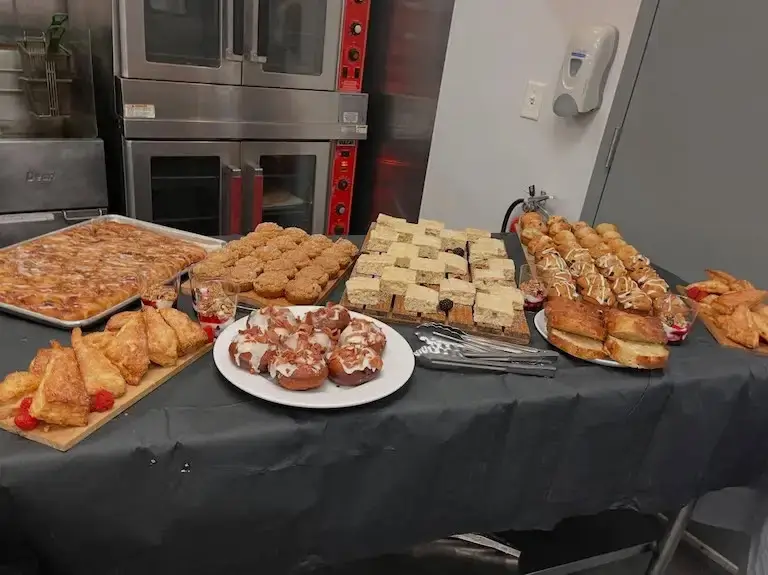
Catering provides a flexible and often highly profitable avenue for bakeries to expand their sales, ranging from simple drop-offs of pastries for a corporate meeting to elaborate dessert tables for weddings and events. This channel thrives when a bakery is comfortable engaging directly with customers about their specific needs, timelines, and delivery logistics, and when its kitchen operations can adapt to irregular, large-volume orders.
Catering’s Versatile Spectrum
Catering services can be tailored to various scales and complexities:
- Corporate Catering: Supplying breakfast pastries, lunch desserts, or snack breaks for office meetings, conferences, or employee appreciation events.
- Social Event Catering: Providing cakes, cupcakes, dessert bars, or full pastry spreads for weddings, birthdays, anniversaries, and private parties.
- Specialty Events: Partnering with event planners or venues to offer bespoke dessert options.
The Operational Demands of Catering
Success in catering requires a robust operational framework:
- Flexible Production Schedules: Unlike daily retail, catering orders are often unpredictable. Your kitchen must be able to scale up production for large, sporadic orders without disrupting your regular bake schedule.
- Dedicated Ordering Systems: Implement a clear system for taking, tracking, and managing catering orders. This could be a dedicated online portal, email system, or phone line separate from your retail counter.
- Delivery Logistics: Plan for transportation, including appropriate vehicles, temperature control (if needed), and reliable drivers. Factor

 Lina Irawan

 Siti Muinah

