 Jia Lissa

 Raul Delapena Setiawan

 Asro

 Layla Zulfa

 Sagoh
 Lina Irawan
Listen to This Article:
For millennia, the act of cooking has transformed raw ingredients into nourishing and delightful meals. Yet, behind every perfectly balanced dish lies an almost deceptively simple framework, a quartet of fundamental elements that, when understood and skillfully manipulated, elevate everyday cooking to an art form. This profound yet accessible philosophy, popularized by acclaimed chef and author Samin Nosrat, centers on four pillars: Salt, Fat, Acid, and Heat. Far from being mere ingredients or rigid steps, these elements act as a chef’s levers, allowing them to precisely adjust flavor, texture, contrast, and depth in countless culinary creations.
From the home kitchen to the professional galley, the principles of Salt, Fat, Acid, and Heat empower cooks to transcend the confines of a recipe, fostering a deeper understanding of food science and sensory cues. This article delves into the core tenets of this transformative framework, exploring what each element contributes, how to identify imbalances, and the methods for achieving harmonious flavors, whether you’re embarking on a culinary career or simply aiming for more confident, delicious weeknight dinners.
The Genesis of a Culinary Philosophy: From Implicit Knowledge to Explicit Framework
The notion that certain elements are crucial for delicious food is not new. Experienced cooks and chefs have long instinctively understood that a squeeze of lemon brightens a rich sauce, or that proper seasoning elevates the natural taste of ingredients. However, this inherent understanding lacked a formal, accessible language for many.
The Nosrat Revolution: Chef Samin Nosrat provided this language. Through her critically acclaimed book and subsequent Netflix series, Salt, Fat, Acid, Heat: Mastering the Elements of Good Cooking, Nosrat codified these principles, making them digestible and actionable for a broad audience. Her work wasn’t about inventing new techniques but rather articulating the underlying why behind successful cooking, connecting centuries of culinary wisdom with practical, sensory science. This articulation marked a significant moment in culinary education, bridging the gap between professional kitchens and home cooks by offering a framework for intuitive cooking.

Nosrat’s genius lay in demonstrating how these four elements are not steps to be followed sequentially or ingredients to be used in equal measure, but rather adjustable levers. Observing a meal you already adore—a perfectly roasted chicken, for instance—reveals these elements in seamless action: the intense heat creating a crisp, golden skin; the rendered fat carrying rich flavors through savory pan drippings; a bright squeeze of lemon cutting through that richness; and precisely measured salt bringing all the other flavors into sharp, delicious focus. This observational approach, central to Nosrat’s teachings, encourages cooks to "taste critically," moving beyond a simple "good" or "bad" to identify precisely what a dish needs.
Deconstructing Flavor: The Four Pillars of Culinary Balance
Understanding each element’s unique role is the first step toward mastering the Salt, Fat, Acid, Heat framework.
| Element | What It Brings to a Dish | Where You’ll Find It |
|---|---|---|
| Salt | Enhances existing flavors, tempers bitterness, and brings ingredients into focus | Kosher salt, Parmesan, soy sauce, miso, anchovies |
| Fat | Carries flavor and contributes richness, moisture, tenderness, or crispness | Butter, olive oil, cream, eggs, nuts |
| Acid | Adds brightness, balances richness and sweetness, and can change texture | Citrus, vinegar, tomatoes, yogurt, buttermilk |
| Heat | Transforms flavor, aroma, color, moisture, and texture through cooking | Searing, roasting, simmering, frying, baking |
Salt: The Amplifier of Taste
Often overlooked beyond its basic function, salt is perhaps the single most crucial ingredient for unlocking and amplifying flavor. As food writer Tamar Adler eloquently puts it in An Everlasting Meal: Cooking with Economy and Grace, "All ingredients need salt…it doesn’t reflect badly on pea or person that either needs help to be most itself."
What Salt Does to Food: Salt acts as a flavor enhancer, making the inherent taste of an ingredient more pronounced. A properly seasoned tomato tastes more intensely of tomato; bread with sufficient salt allows the nuanced flavors developed during fermentation to shine. Beyond taste, salt physically interacts with food: it draws moisture from vegetables (useful for crisping or concentrating flavors), helps proteins retain moisture through brining, and plays a vital role in gluten development and fermentation in bread dough. The timing of salt application is also critical; salting meat in advance allows deeper penetration, while gradual salting of soups and sauces builds flavor layers throughout cooking.
In pastry, salt is equally indispensable. It balances sweetness, preventing desserts from becoming cloyingly sugary, and sharpens the flavors of ingredients like chocolate, caramel, butter, and spices. A sprinkle of flaky sea salt on caramel, for instance, provides a delightful contrast that highlights the caramel’s toasted, buttery notes. Escoffier Chef Instructor Dawn DeStefano emphasizes this, noting, "If you’ve ever had bread (baked) without salt, you’d be like, ‘What is this? Something’s missing.’"
Beyond the Shaker: Diverse Sources of Salt: Salt doesn’t always come from a shaker. Many ingredients contribute salinity along with additional layers of flavor. Parmesan offers saltiness with umami and nuttiness; soy sauce provides savory depth and fermented complexity. Fish sauce, anchovies, olives, capers, cured meats, miso, and salted butter all serve this dual purpose. The choice depends on the dish’s needs: a pinch of kosher salt for simple seasoning, or anchovies for a deeper savory profile. It’s crucial to account for these ingredients’ salt content, especially when reducing sauces or stocks, as flavors—and salinity—concentrate.
Identifying and Correcting Salt Imbalance: A dish needs more salt if it tastes flat, muted, unusually bitter, or less flavorful than its ingredients suggest. The goal is to make the food taste complete without salt becoming the dominant flavor. Add salt incrementally, stir, and taste again, allowing time for it to disperse.
If a dish is too salty, dilution is usually the most effective remedy. Add more unsalted base ingredients like stock, vegetables, grains, or dairy. For soups or stews, simmering with a raw, peeled potato can absorb some excess salt, though it won’t fully salvage a heavily oversalted dish. While fat, acid, or sweetness can soften the perception of saltiness, they cannot remove the salt already present. Staging salt additions throughout the cooking process and tasting regularly are the best preventive measures.
Fat: The Carrier of Sensation and Texture
Fat is far more than just a source of richness; it’s a critical element for carrying flavor, shaping texture, and influencing aroma. The type and amount of fat profoundly impact a dish’s overall balance and appeal.
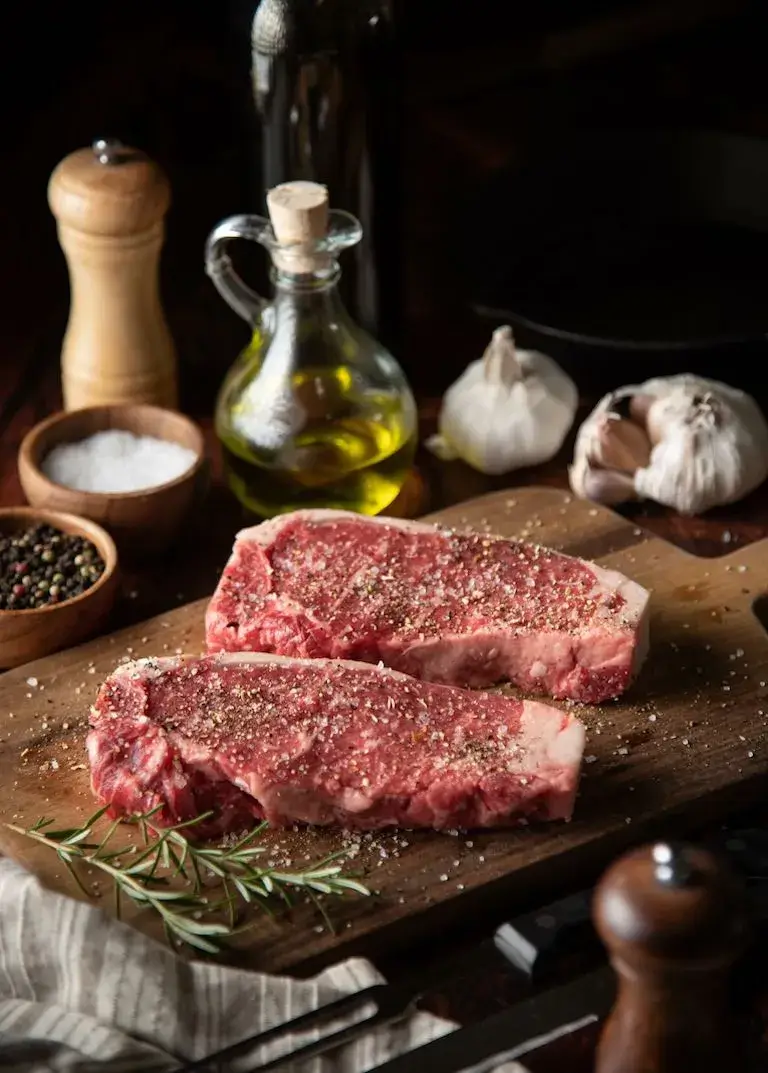
What Fat Does to Food: Fat is a powerful solvent for many flavor and aroma compounds found in herbs, spices, and other ingredients. Blooming spices in hot oil, for example, releases their volatile aromatic compounds, distributing them throughout a dish and allowing their flavors to linger on the palate. Similarly, incorporating vanilla extract into butter in baking helps disperse its aromatic compounds, contributing to a more even and pronounced vanilla flavor in the finished product.
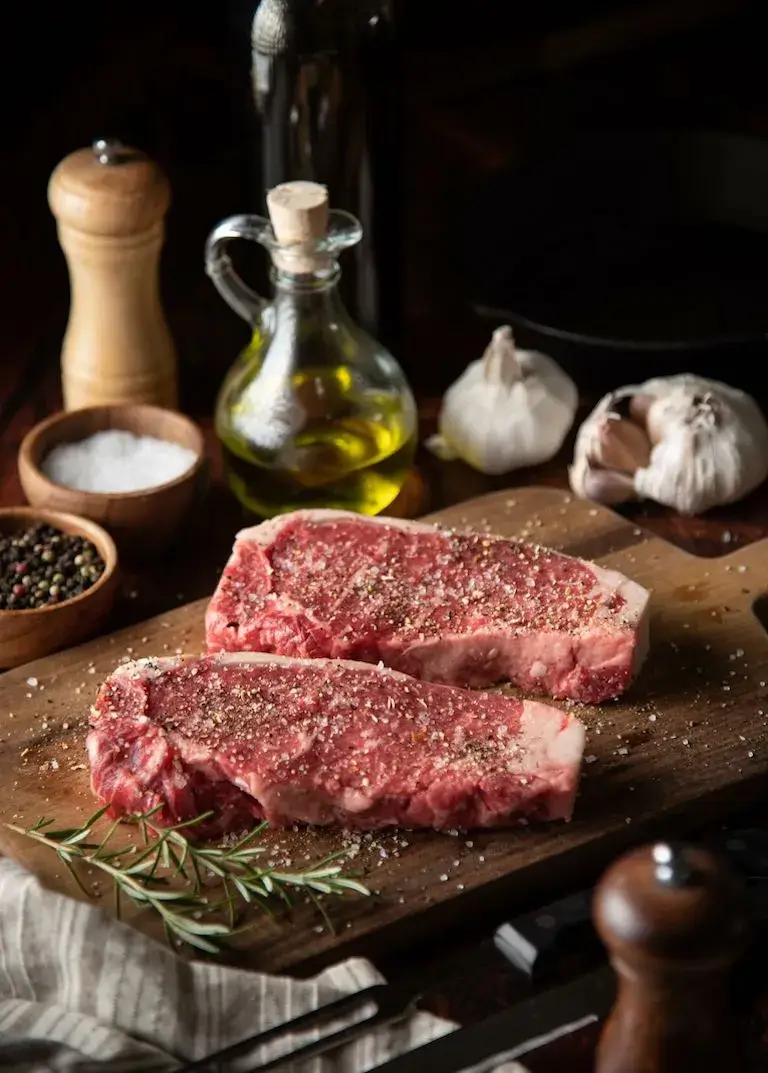
Texture is another domain where fat reigns supreme. Butter can lend a silky smoothness to a sauce; olive oil provides body to a vinaigrette; and cream or coconut milk can mellow the sharp edges of an acidic soup. In baking and pastry, fat contributes tenderness, flakiness, moisture, or structure depending on its form and how it’s incorporated. Cold butter creates distinct, airy layers in a croissant, while softened butter yields a tender, even crumb in a cake. "Fat gives everything that mouthfeel," explains Chef DeStefano, emphasizing its importance from a savory roast to a delicate custard. The diverse range of fats—butter, olive oil, coconut milk, bacon fat, sesame oil—each brings its unique flavor profile and cooking properties to the table.
Identifying and Correcting Fat Imbalance: A dish lacking fat may taste thin, dry, overly sharp, or simply incomplete. Aromatics might be fleeting, and lean proteins, vegetables, or sauces could lack moisture and body. A small knob of butter can round out a pan sauce, a drizzle of olive oil can smooth a vegetable purée, and cream can soften a curry. Because fat is calorically dense and can quickly dominate, it should always be added judiciously and incrementally, tasting after each addition.
Conversely, too much fat can render food greasy, heavy, or cloying, muddling flavors and making a dish tiresome to eat. Where possible, excess fat can be physically removed by draining, blotting, or skimming. To balance the perception of excessive richness, acidic ingredients (citrus, vinegar), fresh herbs, bitter greens, pickled vegetables, or crisp garnishes can introduce contrast and restore freshness. While these additions don’t remove the fat, they effectively rebalance the sensory experience of the dish.
Acid: Adding Brightness and Contrast
When a dish is adequately seasoned with salt but still feels flat or dull, acid is often the missing piece. It introduces tartness, cuts through richness, and provides a vibrant contrast that awakens the palate.
What Acid Does to Food: Acid brightens and lightens a dish, making rich, sweet, or earthy foods feel more dynamic. The classic example is a squeeze of lemon over a buttery sauce or a splash of vinegar stirred into a slow-cooked stew; the acidity provides a counterpoint that prevents the dish from feeling heavy. This balancing act is equally vital in baking and pastry, where citrus, cultured dairy, and tart fruits temper sweetness. Chef DeStefano highlights lemon meringue pie as a perfect illustration: the sharp lemon filling is beautifully mellowed by the sweet meringue and rich crust, allowing each component to shine without overwhelming the other.
Acid also plays a crucial role in altering texture. Ingredients like citrus juice, vinegar, wine, yogurt, and buttermilk are common in marinades because their acidity begins to denature proteins, tenderizing meat and seafood. However, precision is key, as prolonged exposure to strong acids can lead to a mushy texture. Samin Nosrat’s popular buttermilk-marinated roast chicken exemplifies how gentle acidity, combined with salt, can produce exceptionally tender and flavorful meat. In desserts, acid can even act as a setting agent, as seen in a lemon posset where lemon juice causes milk proteins to coagulate, thickening sweetened cream into a smooth dessert. This showcases the scientific versatility of acid in the kitchen.
Identifying and Correcting Acid Imbalance: A dish may need acid if it tastes muddy, heavy, overly rich, or one-dimensionally sweet, even after proper salting. Consider a deeply savory braise that, despite hours of cooking, feels sluggish on the palate. A final splash of vinegar can "wake up" those concentrated flavors, making the dish taste more defined and lively. Acid is often most impactful when added towards the end of cooking, as prolonged heat can diminish the fresh, vibrant notes of citrus or delicate vinegars. Wines, however, generally require earlier addition to allow their alcohol to cook off and their flavors to integrate.
If a dish is too acidic, tasting sharply sour, puckering, or harsh, dilution is again the primary solution by adding more of the base ingredients. Fat can also help soften the perception of acidity, while a small amount of sweetness can round off a sharp edge. It’s crucial to make these adjustments incrementally, as too much sugar can simply swap one imbalance for another, resulting in a dish that is both sour and cloyingly sweet.
Heat: The Ultimate Transformer
Unlike salt, fat, or acid, heat is not an ingredient but rather the fundamental force that transforms ingredients, altering their flavor, aroma, color, moisture, and texture. Mastering heat control is paramount, dictating the difference between a pale, insipid surface and a crisp, golden crust, or between a silky custard and scrambled eggs.
What Heat Does to Food: As heat is applied, a cascade of physical and chemical changes occurs: proteins firm up, starches absorb liquid and swell, water evaporates, and food begins to brown. Two key processes underpin flavor development: caramelization and the Maillard reaction.
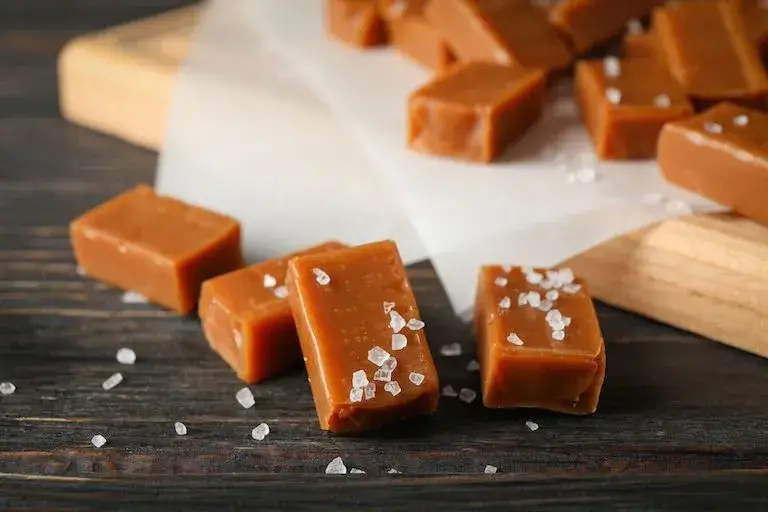
Caramelization is the breakdown of sugars under heat, resulting in deeper colors and increasingly complex, nutty, and sometimes slightly bitter flavors. This is evident when sugar on a crème brûlée is torched, transforming into a brittle, toasted crust.
The Maillard reaction, a non-enzymatic browning reaction, occurs when amino acids and reducing sugars react under heat. This complex chemical process creates the browned colors, savory aromas, and hundreds of new flavor compounds found in seared meat, toasted bread, roasted coffee, and browned butter. Moisture inhibits the Maillard reaction, which is why drying the surface of ingredients and avoiding overcrowded pans are crucial for achieving optimal browning and flavor development.
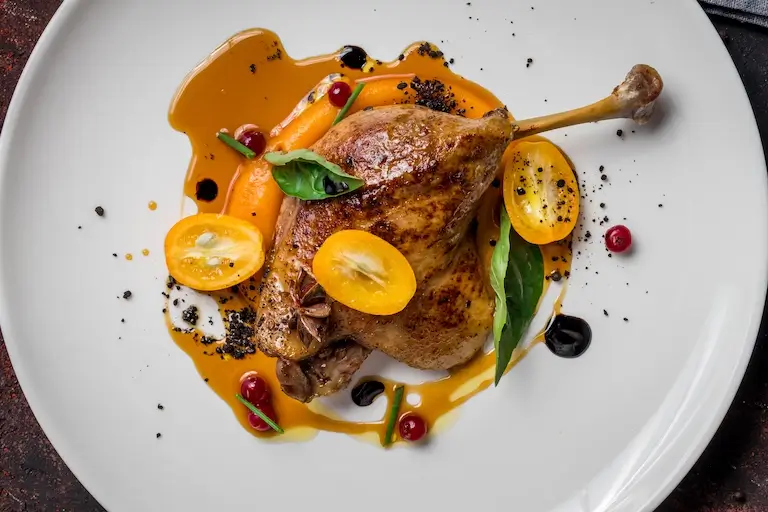
Identifying and Correcting Heat Imbalance: If food steams instead of sears, remains pale, absorbs too much frying oil, or becomes soft before browning, the cooking temperature is likely too low. Overcrowding a pan also contributes to this, as ingredients release moisture faster than it can evaporate, creating steam and preventing efficient browning. Consider a steak: placed in a cold pan, it will cook through without developing a flavorful crust. In a thoroughly preheated pan, the high heat initiates the Maillard reaction, yielding a deep brown crust, complex aromas, and a satisfying textural contrast.
Conversely, excessive heat can lead to burning the exterior before the interior cooks, bitter flavors from scorched butter or garlic, sauces that scorch or separate, and dry or tough proteins. Matching the heat level to the cooking technique and ingredient is essential. High heat is suitable for searing, sautéing, and crisping, while simmering, braising, melting chocolate, thickening custards, and cooking delicate proteins demand gentler, controlled heat. Sensory cues are your best guide: watch for rapid darkening, excessive smoking oil, or acrid aromas, and adjust the temperature accordingly.
Mastering the Balance: A Diagnostic Guide for Culinary Confidence
When a dish tastes "off," resist the urge to automatically reach for the salt. Instead, critically assess its flavor, aroma, texture, and appearance to pinpoint the likely imbalance. Make one small adjustment, allow it to integrate, and then taste again.

| If your dish tastes or looks… | Likely issue | Try… |
|---|---|---|
| Flat, muted, or watery | Too little salt | Add a small pinch of salt, stir, and taste again. |
| Properly salted but still dull | Too little acid | Add citrus juice, vinegar, or another appropriate acidic ingredient. |
| Heavy, greasy, or overly rich | Too much fat or too little acid | Remove excess fat when possible, or add a bright, acidic ingredient. |
| Thin, dry, or sharply flavored | Too little fat | Add an appropriate fat in a small amount (e.g., butter, olive oil, cream). |
| Sour, puckering, or harsh | Too much acid | Add more base ingredients, fat, or a small amount of sweetness to round it out. |
| Pale, soft, or steamed rather than browned | Too little heat | Raise the temperature, reduce pan crowding, or extend cooking time. |
| Burned, bitter, scorched, or dry | Too much heat | Lower the temperature or shorten the cooking time. |
| Overwhelmingly salty | Too much salt | Dilute with unsalted base ingredients when possible (e.g., more stock, vegetables). |
At home, this intuitive understanding develops through repeated cooking, mindful tasting, and remembering adjustments. This trial-and-error approach is effective but limited to what one happens to cook. A structured culinary program, however, offers a accelerated path. By comparing preparations side-by-side, exploring a shared vocabulary for describing flavor and texture, and receiving direct feedback from experienced chef instructors, students develop this critical awareness much more rapidly. Escoffier Chef Instructor Dawn DeStefano compares this process to building muscle memory, emphasizing the importance of tasting ingredients in their pure form, keeping flavor journals, and utilizing tools like flavor wheels to describe tastes and textures with precision. "It’s a matter of taste, taste, taste," she asserts, underscoring that these principles apply universally across savory cooking, baking, and pastry—different branches of the same culinary tree.
Beyond the Recipe: Implications for Culinary Excellence
The Salt, Fat, Acid, Heat framework offers profound implications for cooks at all levels. For home cooks, it liberates them from rigid adherence to recipes, fostering confidence and creativity. It transforms cooking from a series of steps into an adaptive, intuitive process where understanding replaces rote memorization. This deeper comprehension empowers individuals to troubleshoot dishes, adapt to ingredient availability, and consistently produce delicious results tailored to their preferences.
For aspiring culinary professionals, mastering these elements is not just an advantage but a necessity. Culinary education rooted in this framework prepares chefs to innovate, to confidently develop new dishes, and to seamlessly adjust to the dynamic environment of a professional kitchen. It provides the foundational grammar of flavor, allowing them to communicate precisely and execute complex culinary visions. The ability to taste critically, identify imbalances, and apply the correct elemental adjustment is the hallmark of a skilled chef, enabling them to consistently deliver exceptional dining experiences.
The next time you cook, consciously pause and taste before making an adjustment. Notice whether the dish craves sharper contrast, greater richness, clearer seasoning, or simply more transformative time over the heat. By actively engaging with these four foundational elements, you can elevate your culinary practice, cook with newfound confidence, and truly unlock the potential of every ingredient.
For those ready to develop these skills through a more guided approach, exploring foundational culinary techniques and sensory evaluation within a structured program can provide an unparalleled foundation. Contact us to discover how Escoffier’s culinary arts and pastry programs could help you build a stronger foundation in flavor, technique, and the elemental mastery of Salt, Fat, Acid, and Heat.

FAQs
Q: What are Salt, Fat, Acid, and Heat in cooking?
A: Salt, Fat, Acid, and Heat are four foundational elements chefs consider when building and balancing flavor. Salt enhances flavor, fat carries flavor and shapes texture, acid creates brightness and contrast, and heat transforms ingredients through cooking. Chefs have long worked with these principles, while Samin Nosrat popularized them as an accessible framework through her book and Netflix series Salt, Fat, Acid, Heat.
Q: Do I need to use all four elements in every dish?
A: Not every dish needs four separate ingredients representing each element, nor should the elements appear in equal amounts. Some may already be present; salmon contains fat, tomatoes provide acid, and Parmesan contributes both saltiness and fat. The balance depends on the ingredients, technique, and the desired outcome.
Q: Does "heat" refer to spicy ingredients?
A: In this framework, "heat" refers to cooking temperature and energy, not chile heat. It includes how you control temperature, time, and cooking methods to affect texture and flavor through processes such as browning, caramelization, simmering, and roasting.
Q: How do I know if my dish needs salt or acid?
A: A dish may need salt when its individual flavors taste muted or difficult to distinguish. It may need acid when it is adequately seasoned but still tastes dull, heavy, overly rich, or one-dimensionally sweet. Add a small amount of one element, mix thoroughly, and taste again before making another adjustment.
Q: Are Salt, Fat, Acid, and Heat the same as the five basic tastes?
A: No. The five generally recognized basic tastes are sweet, sour, salty, bitter, and umami. Salt, fat, acid, and heat form a cooking framework. Salt and acid affect taste directly, fat influences flavor and mouthfeel, and heat changes the physical and chemical properties of food.
Q: Do these principles apply to baking and pastry?
A: Yes. Salt balances sweetness, while fat contributes flavor, moisture, tenderness, or flakiness. Acid can tenderize baked goods, react with leavening agents, or help set desserts such as possets. Heat controls rise, structure, browning, and caramelization. Learning to balance these elements can help you create desserts with greater complexity than sweetness alone.


 Lina Hope

 Siti Muinah