

 Reynand Wu
 Sagoh
Sagoh
 Basiran
 Evan Lee Salim
 Jia Lissa
 Siti Muinah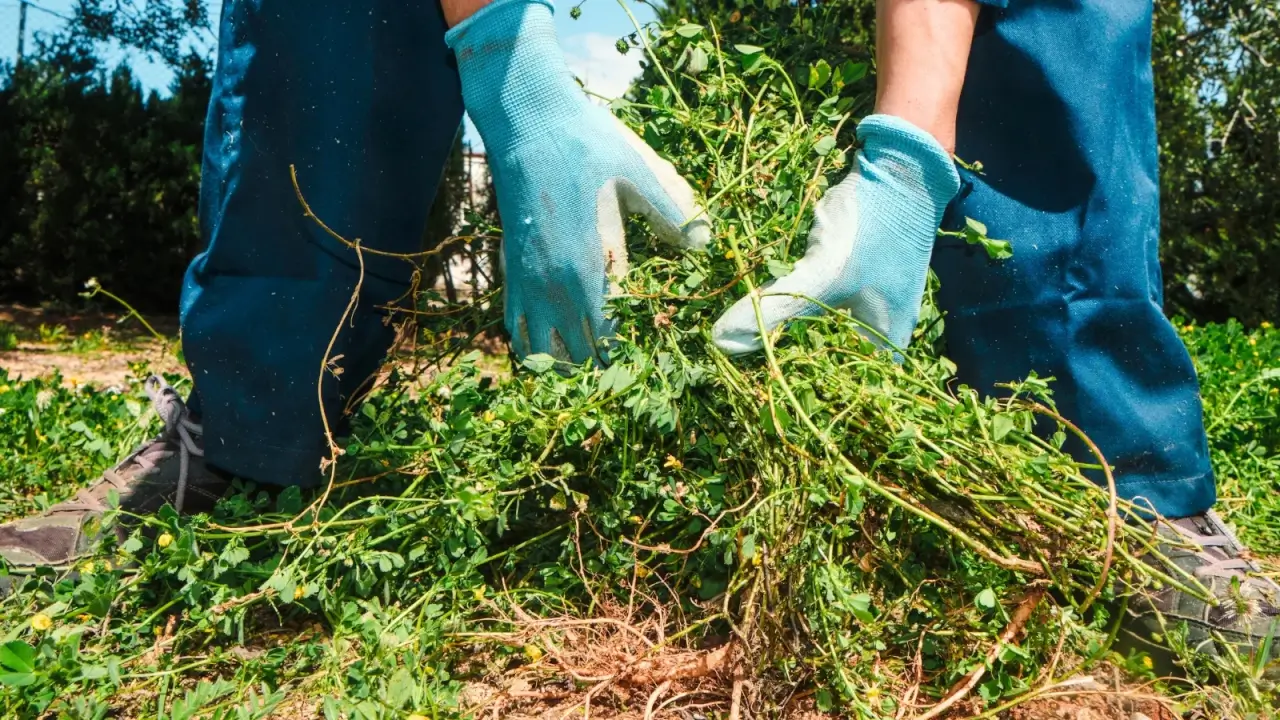
For generations, the standard of industrial agriculture has been defined by the clean, stark lines of the monocrop—vast expanses of single-species fields that are as aesthetically predictable as they are ecologically fragile. However, a quiet revolution is taking place beneath the canopy of our staple crops. Interseeding, the strategic practice of planting cover crops or secondary species within an established cropping system, is shifting from a fringe experimental technique to a cornerstone of regenerative and resilient agriculture.
By moving away from the "one field, one crop" mentality, farmers are discovering that the space between rows is not dead weight; it is a vital asset. Whether managed by small-scale market gardeners or operators of thousand-acre corn rotations, interseeding is redefining the farm’s function, its economic profile, and its environmental footprint.
The Evolution of the Interseeding Paradigm
The concept of interseeding is not new, but its application has evolved significantly. Historically, "three sisters" planting—the indigenous practice of growing corn, beans, and squash together—represented the gold standard of symbiotic agriculture. Today, modern farmers are scaling these ancient principles to meet contemporary challenges.
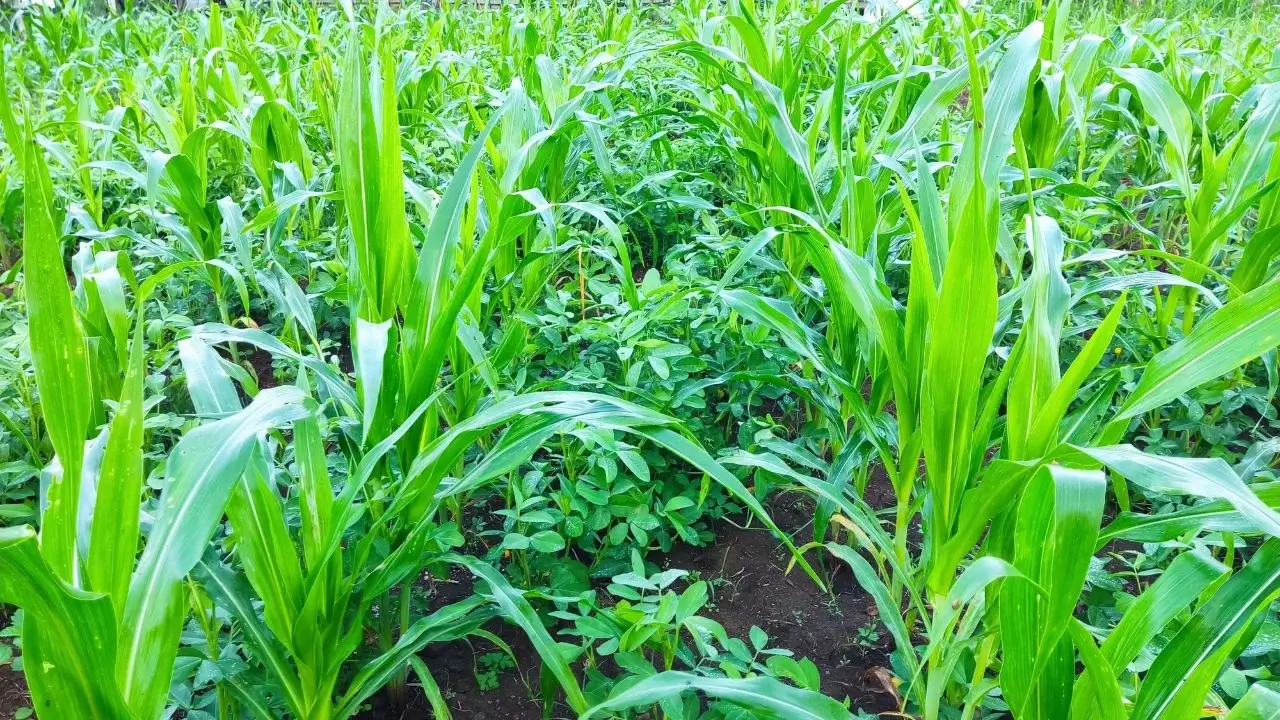
The process typically involves establishing a secondary crop—often a legume, grass, or pollinator-friendly flower—at a specific point in the growth cycle of the primary crop. For large-scale corn producers, this might mean drilling rye or clover between rows while the corn is still in its vegetative stage. For the small-scale farmer, it might involve high-intensity interplanting of quick-maturing vegetables or flowers. The objective remains constant: maximizing the biological potential of every square inch of soil.
1. Maximizing Field Output: The Economics of Efficiency
The most immediate appeal of interseeding is the potential to double or triple production within the same spatial footprint. When a farmer integrates a high-value crop—such as cut flowers or niche legumes—into the rows of a primary vegetable crop, they are essentially stacking revenue streams.
The Strategy of Staging
The success of high-density interseeding hinges on light management and timing. In industrial grain production, the primary crop is spaced specifically to allow light penetration for the understory. On smaller, diversified farms, the strategy is more artisanal. Farmers often employ "sun-path" planning, where taller crops are placed on the north side of the plot to ensure that shorter, shade-tolerant companion crops receive adequate light on the south side.
By diversifying what is harvested from a single acre, producers hedge their bets against market volatility. If one crop underperforms due to a localized pest or weather event, the interseeded partner often remains viable, providing a critical buffer for the farm’s bottom line.
2. Providing Sustainable Fodder for Livestock
Integrating livestock into cropping systems is a hallmark of truly circular agriculture, and interseeding provides the bridge between the field and the barn. For dual-purpose ranches, interseeding livestock fodder directly into fields serves as an "in-situ" feed source that reduces the reliance on stored hay and expensive feed inputs.
Silvopasture and Restoration
In recent years, restoration ranchers have begun experimenting with seeding nitrogen-fixing legumes into native grass stands. This not only increases the nutritional profile of the pasture but also improves the grazing resilience of the land. Furthermore, in silvopasture systems—where trees and livestock share the same space—interseeding shade-tolerant grasses beneath timber stands provides animals with shelter from extreme heat and wind while simultaneously providing nutritional forage.
This creates a self-sustaining loop: the animals graze the interseeded crops, their waste naturally fertilizes the soil, and the primary timber or crop yield benefits from the enhanced nutrient cycling.
3. Natural Weed Suppression: The "Nature Abhors a Vacuum" Principle
Weed management is arguably the most labor-intensive aspect of farming. Conventional methods often rely on heavy tillage or synthetic herbicides, both of which degrade soil structure over time. Interseeding offers a biological alternative.
By ensuring the ground is constantly covered with beneficial vegetation, farmers effectively "fill the vacuum" that weeds would otherwise occupy. When a fast-growing clover or vetch is interseeded between rows, it creates a living mulch that prevents sunlight from reaching weed seeds, thereby inhibiting their germination.

This is not merely about convenience; it is about long-term soil health. Every time a farmer turns the soil to kill weeds, they expose organic matter to oxidation and risk losing topsoil to erosion. By shifting to an interseeding model, the soil remains protected, roots stay intact, and the need for mechanical disturbance is drastically reduced.
4. Engineering Soil Composition
The health of a farm is ultimately dictated by the biology of its soil. Intensive monocropping can lead to nutrient depletion, where the same minerals are extracted from the soil year after year, leaving it sterile and prone to compaction.
Interseeding acts as a natural restorative agent. Legumes, for instance, are the powerhouse of the soil, fixing atmospheric nitrogen and depositing it into the root zone for the primary crop to utilize. Beyond nitrogen, various cover crops serve as "bio-drills," with deep taproots that break through compacted subsoil, improving water infiltration and air circulation.

In instances where the soil has been contaminated or depleted, certain hyper-accumulator plants can be interseeded to extract toxins or heavy metals from the soil, effectively "cleaning" the plot while simultaneously adding biomass that can be tilled back into the earth—a practice known as "chop and drop."
5. Cultivating Beneficial Ecosystems (Integrated Pest Management)
Perhaps the most sophisticated application of interseeding is its role in Integrated Pest Management (IPM). By intentionally selecting plants that attract beneficial insects, farmers can outsource their pest control.
The Role of Umbels and Native Blooms
To combat aphids and caterpillars, farmers are increasingly interplanting flowers with compound blooms, such as dill, fennel, and yarrow. These "umbellifers" are magnets for parasitic wasps and hoverflies—the natural predators of many common agricultural pests. By providing a habitat for these predators to reside, breed, and feed, the farm creates a self-regulating defense system.

This approach requires a nuanced understanding of local ecology. As experts suggest, checking with local native plant societies is essential. Different pollinators are attracted to different color spectrums: blue and purple hues tend to draw in solitary bees, while white flowers are favored by nocturnal moths. By diversifying the floral architecture of the farm, producers can ensure that their fields are not just production sites, but vibrant, functioning ecosystems.
Implications for the Future of Agriculture
The transition to an interseeding-heavy model is not without its challenges. It requires a higher level of management, a deeper understanding of plant biology, and often, specialized equipment for precision seeding. However, the implications of this shift are profound.
As the global food system faces the dual pressures of climate instability and declining soil health, the "more with less" philosophy of interseeding offers a path toward resilience. It shifts the farm from a factory model to an ecosystem model, where the objective is not just to extract yield, but to build biological capital.
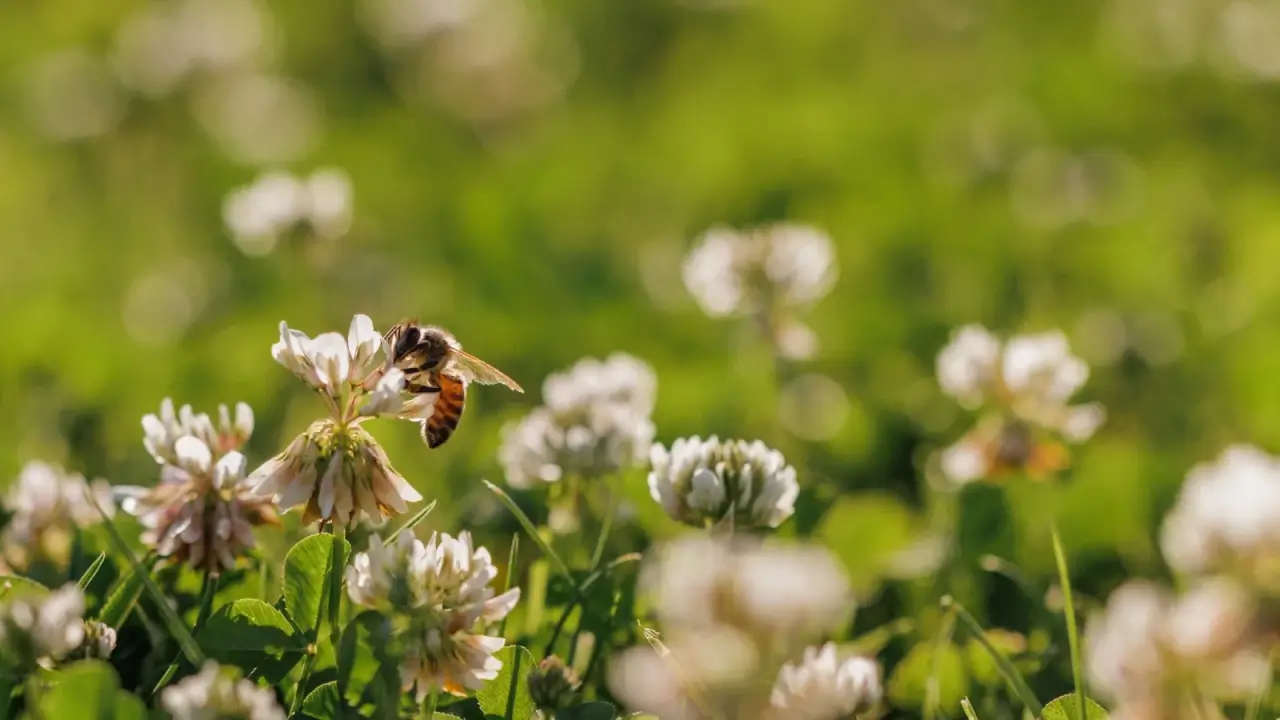
For the modern farmer, the field is no longer just a place to grow a single commodity. It is a complex, multi-layered environment where every plant has a purpose, every root serves a function, and every harvest is part of a larger, regenerative cycle. As more producers adopt these practices, the agricultural landscape will continue to transform—moving away from the sterile, vulnerable monocrops of the past and toward a more robust, diverse, and profitable future.


 Nila Kartika Wati
 Laily UPN
