

 Reynand Wu
 Sagoh
Sagoh
 Basiran
 Evan Lee Salim
 Jia Lissa
 Nila Kartika Wati
By Brodie Crouch
Not long ago, leather was a foundational element of the British economy. From the boots on a laborer’s feet to the upholstery in a Victorian parlor, it was a ubiquitous, essential material. However, the dual pressures of globalization and the rise of inexpensive synthetic materials quietly dismantled the UK’s leather industry. As manufacturing moved overseas and "fast fashion" prioritized volume over longevity, the once-vibrant network of tanneries and processing plants vanished.
Today, the UK finds itself in a paradoxical position. While global luxury houses—including iconic British brands like Mulberry—are beginning to reinvest in domestic hide production, the infrastructure required to support this revival remains fragile. Is this a genuine industrial renaissance, or merely a niche trend? And more importantly, does the revitalization of British leather offer a pathway toward a more sustainable, resilient, and ethical fashion future?
The Anatomy of Decline: A Lost Supply Chain
The collapse of the British leather industry was not merely a loss of jobs; it was a systemic failure that rippled through the nation’s agricultural heartland. As demand for domestic hides plummeted, abattoirs—the vital nodes where livestock are processed—found themselves struggling to stay afloat.
In the modern landscape, when a hide loses its value, it becomes a liability. Thousands of hides that could have been transformed into durable, high-quality leather are instead shredded, fed into biodigesters, or sent to landfill. This is a profound waste of a byproduct, but the consequences extend far beyond the environmental impact. The decline of the leather trade has accelerated the closure of local, small-scale abattoirs.
The implications for food security are significant. Local abattoirs are the backbone of a secure food chain; their closure forces livestock to travel longer distances to slaughter, increasing stress on the animals and eroding the "protected provenance" that defines high-quality British meat. Losing these facilities effectively severs the link between the farmer, the processor, and the consumer, making the nation more dependent on opaque, long-distance supply chains.
A New Paradigm: The "Pasture-to-Product" Movement
In the face of these challenges, a small but determined coalition is attempting to rewrite the narrative. British Pasture Leather (BPL) is at the vanguard of this movement, proving that high-quality leather production can exist in harmony with regenerative agriculture. By creating a closed-loop system—utilizing pasture-based cattle properties, local abattoirs, and traditional tanneries—BPL is demonstrating that it is possible to transform a potential waste product into a premium material.
This model is not theoretical. In a landmark partnership with Mulberry, BPL has successfully channeled hides from ethically raised cattle in the UK into the luxury brand’s Somerset factories. The resulting products are fully traceable, linking a specific handbag or shoe back to the very pasture where the animal grazed.
The Role of Biodiversity and Animal Welfare
The secret to this revival lies in the farming methods. These hides do not come from factory-farmed feedlots, but from regenerative systems that have been practiced for generations. Native cattle breeds are raised on species-rich grasslands, interspersed with hay meadows, hedgerows, and woodlands. These landscapes are carbon-sequestering, biodiverse, and inherently more resilient to climate volatility.
When consumers buy products made from this leather, they are not just buying a bag; they are supporting a landscape. They are incentivizing farmers to maintain hedgerows, protect soil health, and uphold the highest standards of animal welfare.
Challenging the "Pleather" Narrative: The Sustainability Debate
The conversation around leather is often dominated by binary arguments. Critics of the leather industry rightly point to the "industrial" model: a global supply chain often linked to Amazonian deforestation, excessive water consumption, and the use of toxic chromium-based tanning agents. Academic research, such as the recent study in ACS Sustainable Chemistry and Engineering, notes that the global average carbon footprint of finished bovine leather can be significantly higher than synthetic "vegan" alternatives.
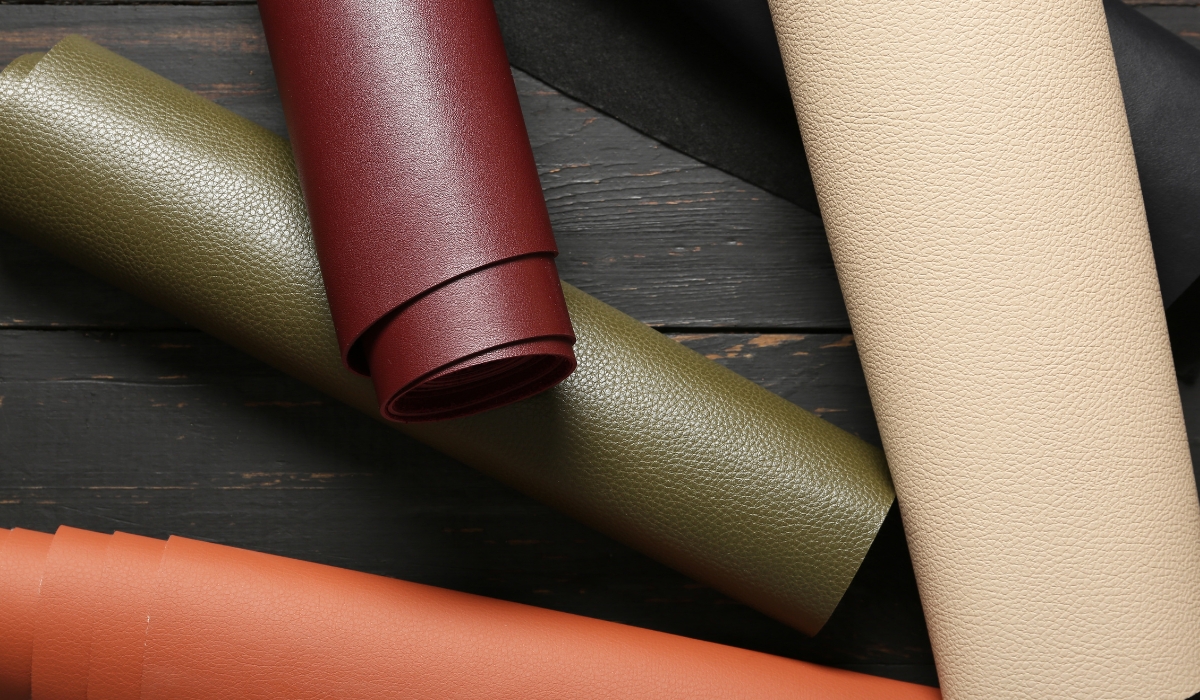
However, this is where the story requires nuance. Much of the "vegan" leather currently on the market is petroleum-based plastic—a material that does not biodegrade and carries its own significant environmental burden.
The British craft model offers a third way. By utilizing hides that are a byproduct of the meat industry, we are essentially "upcycling" a waste product. Furthermore, the traditional vegetable-tanning process—using tannins from tree bark rather than heavy metals—is a centuries-old method that is significantly less damaging to the environment. It removes toxic chromium from the equation, decoupling production from the environmental devastation caused by mining.
Chronology of a Revival
- 1990s–2010s: The era of "Fast Fashion." Global supply chains shift manufacturing to Asia. UK tannery numbers collapse by over 70%.
- 2015–2020: Growing consumer awareness regarding plastic pollution leads to skepticism toward synthetic "pleather" alternatives.
- 2021: The Sustainable Food Trust and similar organizations begin highlighting the crisis of local abattoir closures.
- 2023–2024: British Pasture Leather (BPL) gains traction, partnering with artisanal tanneries and luxury brands.
- 2026 (Present): Luxury brands like Mulberry formalize "farm-to-product" traceability protocols. Small-scale experiments, such as Wiltshire’s "Farm Sneaker" workshops, allow consumers to engage directly with the production process.
Supporting Data: Why Traceability Matters
To convince a skeptical public, the industry must move beyond marketing rhetoric. This is where measurement frameworks like the Global Farm Metric (GFM) become essential. The GFM provides a standardized way to evaluate the environmental and social impact of a farm. By applying this to the leather supply chain, brands can provide empirical proof that their hides are sourced from farms that demonstrably improve biodiversity and animal welfare.
Transparency is the new luxury. As scrutiny over sustainable sourcing intensifies, the ability to prove that a piece of leather is a "climate-positive" byproduct—rather than a contributor to deforestation—will be the defining factor for the industry’s long-term survival.
Official Responses and Industry Perspectives
Industry experts argue that the price tag of this "new" British leather will inevitably be higher, reflecting the true cost of skilled labor and regenerative land management. However, this is a price that a growing segment of the luxury market is willing to pay.
"We are moving away from the era of anonymous materials," says a spokesperson for the artisan network behind BPL. "When you know the name of the farmer and the tannery, the product gains a narrative value that mass-produced plastic can never match. This isn’t just about leather; it’s about rebuilding the social and economic fabric of rural Britain."
The Implications: What Does This Mean for the Future?
If this model scales, the implications are profound:
- Economic Resilience: The revitalization of local tanneries creates specialized, high-skilled jobs in rural areas that have historically been hollowed out by urban-centric manufacturing trends.
- Food Security: By creating a market for hides, the industry provides an additional revenue stream for farmers, making small-scale abattoirs more economically viable. This keeps the local food system intact.
- Cultural Heritage: Traditional vegetable-tanning techniques, which were on the brink of extinction, are being preserved and passed on to a new generation of craftspeople.
- Fashion Ethics: It forces a shift in consumer consciousness—from the "disposable" culture of cheap, synthetic fashion to the "investment" culture of high-quality, durable, and traceable goods.
Conclusion: An Impossible Dream?
Is a full-scale revival of the British leather industry an impossible dream? Perhaps not. The economic headwinds—rising energy costs, trade regulations, and a cost-of-living crisis—are real and daunting. Yet, the convergence of consumer demand for sustainability, the need for rural economic development, and the luxury sector’s pursuit of authentic, traceable supply chains creates a unique window of opportunity.
The story of British leather is no longer just about the past. It is about whether we have the collective will to support systems that value quality over quantity and local resilience over global efficiency. By turning our gaze back to our own pastures and the skilled hands of our local tanners, we may find that the solution to our modern fashion crisis was under our feet all along.
For those interested in the future of our food and farming systems, the British Pasture Leather initiative offers a blueprint for how we might reconnect our wardrobes with the landscapes that sustain us. More information on their work and the vital role of local abattoirs can be found through the Sustainable Food Trust.

 Siti Muinah
 Laily UPN
