

 Reynand Wu
 Sagoh
Sagoh
 Basiran
 Evan Lee Salim
 Jia Lissa
 Laily UPN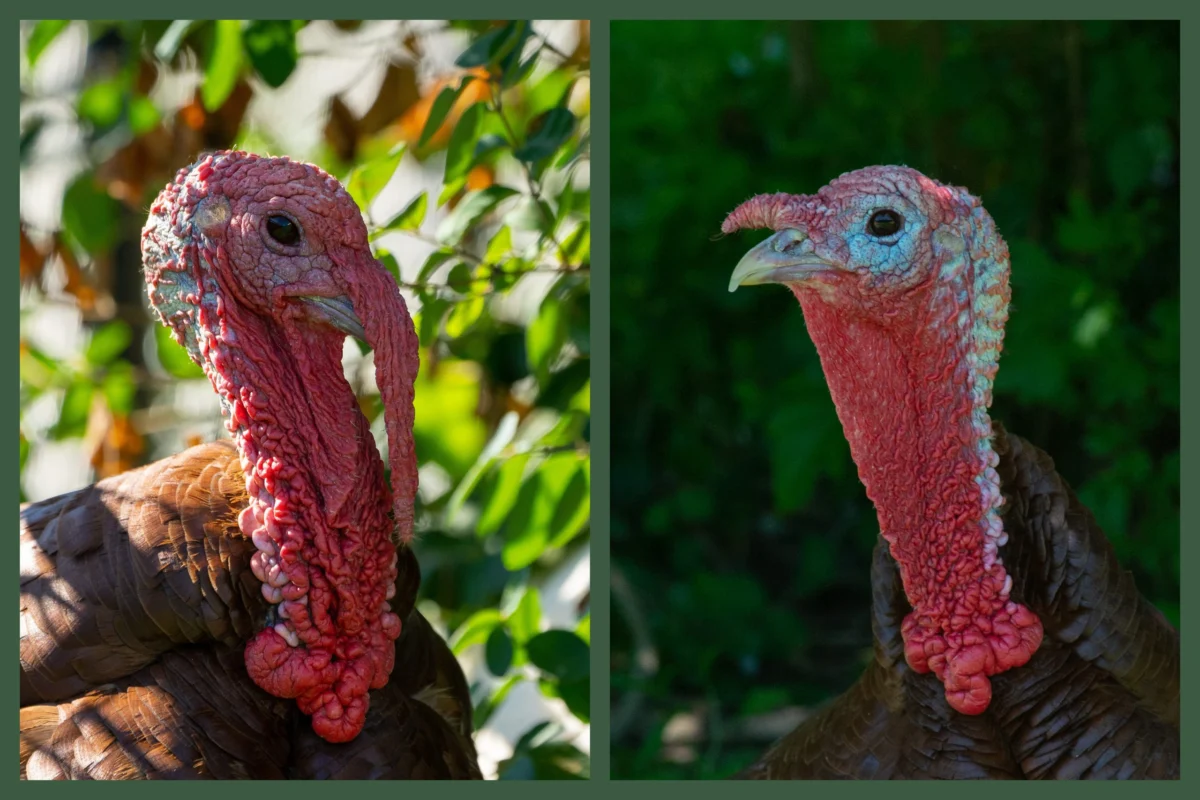
October 2, 2026 — To most of the American public, the turkey is a seasonal icon, a centerpiece of holiday tradition, and a standard commodity of the agricultural industry. Yet, behind the sterile walls of factory farms, millions of these sentient, highly social birds spend their short lives treated as mere units of production. Far removed from the wild, their natural behaviors are suppressed, and their unique cognitive abilities remain largely unknown to the general consumer.
As we approach the 2026 holiday season, Farm Sanctuary invites a deeper reflection on these animals. By examining the lives of rescued residents, we can uncover a reality that challenges the traditional narrative: turkeys are not just "poultry"—they are individuals with complex emotional lives, distinct personalities, and sophisticated modes of communication.
1. The Biological Marvel: More Than Just a Bird
The popular image of a turkey is often one of a flightless, lumbering creature. In reality, wild turkeys are athletic, agile, and remarkably fast. They are capable of reaching flight speeds of up to 55 miles per hour, utilizing their strength to travel short distances and, perhaps most importantly, to roost high in the treetops at night to remain safe from predators.
This physical capability is a testament to their evolutionary success. However, for the more than 200 million turkeys raised for food annually in the United States—with 46 million slaughtered specifically for the Thanksgiving holiday—this natural inheritance is denied. Confined to barren, overcrowded indoor sheds, these birds are physically and psychologically restricted, unable to express the behaviors that define their species.
2. Emotional Intelligence and Social Bonds
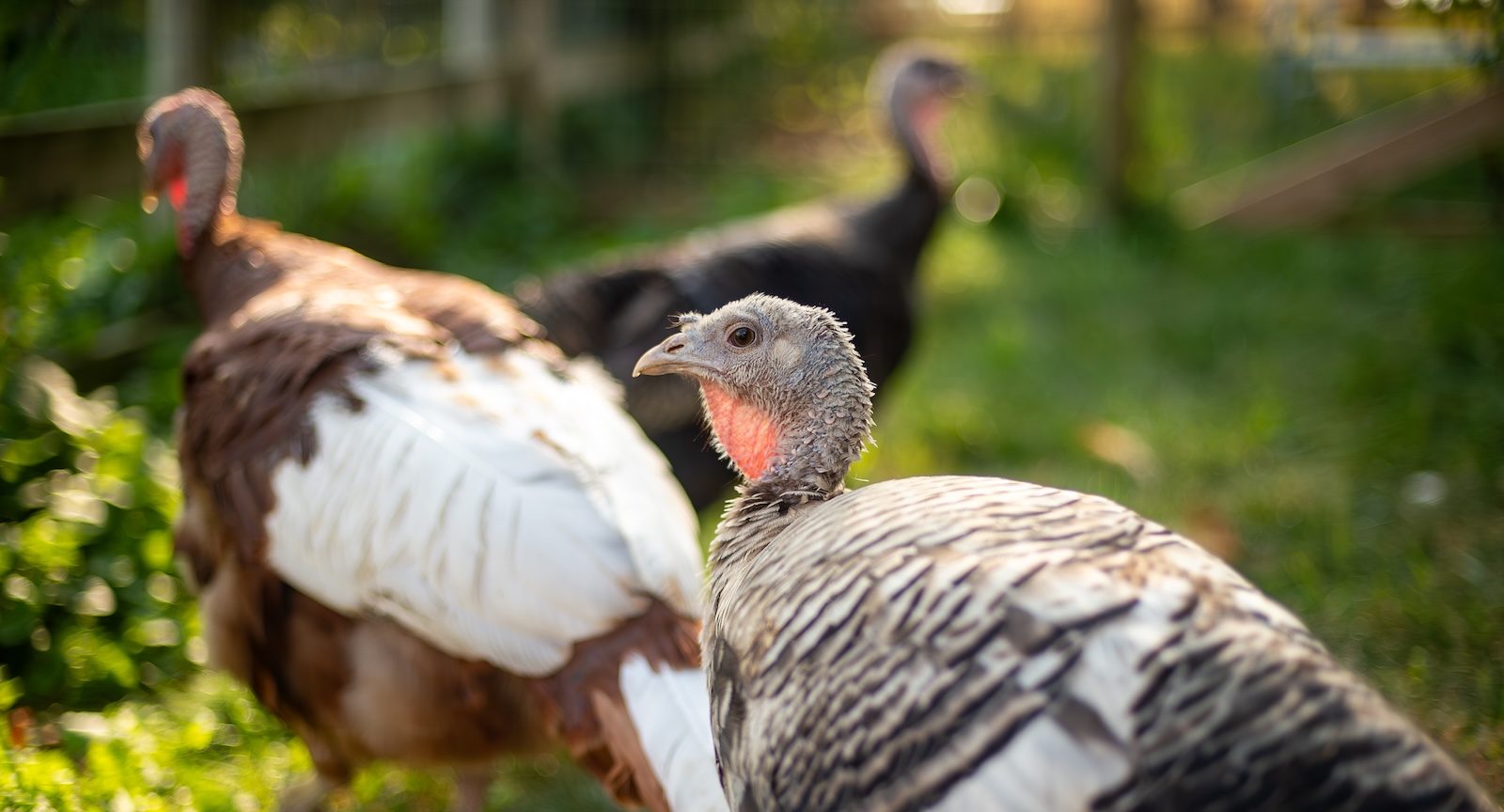
At the heart of the Farm Sanctuary mission is the witness to the "inner lives" of these animals. Caregivers at the sanctuary have observed that turkeys form deep, long-lasting bonds with one another. They are selective in their social circles, choosing specific companions to trust and spend their days with.
Interestingly, this capacity for connection extends to human beings. Whether it is Julie, a rescued turkey who maintains a steadfast friendship with her companion Roberto, or others who actively seek the company of their caregivers, it is clear that turkeys are capable of forming cross-species attachments. These relationships are built on mutual trust and recognition, proving that these birds possess an emotional depth that belies the industrial view of them as livestock.
3. Sensory Enrichment: Music and Connection
One of the most surprising findings in modern animal behavior studies at sanctuaries is the response turkeys have to auditory enrichment. Like humans, these birds find comfort in music. Caregivers often play soothing melodies for residents like Thelma, who exhibits visible signs of relaxation and contentment when serenaded. This is not merely an aesthetic choice; it is a vital part of the psychological welfare programs at Farm Sanctuary, designed to reduce stress and foster a sense of security for animals who have often arrived from traumatic backgrounds.
4. Communication: A Language of 28 Distinct Calls
The social complexity of a turkey is perhaps best demonstrated by their linguistic capabilities. Research indicates that turkeys utilize a vocabulary of at least 28 distinct calls to communicate with one another.
Furthermore, the bond between a mother and her offspring—known as "poults"—is established long before birth. A mother turkey will communicate with her chicks while they are still developing inside the egg. Once hatched, they rely on these vocalizations to identify one another. This acoustic recognition is the foundation of their family units, highlighting a sophisticated level of maternal care and social awareness that is often overlooked in industrial farming environments.
5. The Living Mood Ring: Color-Changing Physiology
Perhaps the most striking physical trait of a turkey is the ability to change the color of its skin. Similar to the physiological adaptations seen in octopuses or chameleons, a turkey’s skin hue serves as a visual indicator of its internal emotional state.
When a male turkey, such as Mateo—a resident of Farm Sanctuary—is courting a female or asserting dominance during a confrontation with a rival, his skin may shift to vibrant shades of red, white, or blue. These rapid changes serve as a language of their own, signaling intent, aggression, excitement, or fear. It is a vivid reminder that these birds are constantly processing and reacting to their environment, their social standing, and their emotional impulses.
Chronology of Institutional Neglect
The disparity between the reality of the turkey’s life and the legal protections afforded to them is stark.
- Pre-Industrial Era: Turkeys lived according to their natural rhythms, utilizing the forest canopy and complex social structures.
- The 20th Century: The rise of industrialized agriculture saw the transition of the turkey from a farmyard animal to a high-density "product."
- The Current Reality: The modern industry standard dictates a lifespan of only four to five months for meat-birds. Hens utilized for egg production face an even more precarious existence, often culled after just 25 weeks when their production rate drops below the threshold of profitability.
The Legal Blind Spot
A significant impediment to the welfare of these birds is the "Humane Methods of Slaughter Act." Despite the fact that turkeys and chickens account for approximately 98% of all land animals slaughtered for food in the United States, they are explicitly excluded from federal protections under this act. This regulatory gap leaves the majority of sentient, intelligent birds in the U.S. without even the most basic legal safeguards regarding their treatment during handling and slaughter.
Implications and the Path Forward
The scientific and observational data presented here suggests a fundamental need to re-evaluate our relationship with these birds. If a creature is capable of complex communication, deep social bonding, and emotional expression, it follows that our ethical obligations toward them must be reconsidered.

The 2026 "Adopt a Turkey" Project
In response to these findings, Farm Sanctuary continues its "Adopt a Turkey" project, which launches this year on October 23. The initiative is not merely a fundraiser; it is an educational campaign designed to bridge the gap between the public and the individuals living at the sanctuary. By symbolically adopting a turkey, supporters provide for the long-term care of rescued residents and contribute to a larger movement advocating for a plant-based food system.
The project seeks to highlight that every turkey, if given the chance, has a story, a personality, and a life worth living. It encourages the public to view the holiday season not as a time for consumption, but as a time for compassion.
A New Tradition
As we look toward the conclusion of 2026, there is a growing movement of people choosing to celebrate the season by honoring these birds rather than consuming them. Farm Sanctuary’s upcoming "Celebration for the Turkeys" events in New York (November 7) and California (November 21) serve as beacons for this cultural shift. These events offer a space for community, education, and the celebration of life, inviting the public to witness the resilience and beauty of the animals they are working to protect.
Conclusion
The evidence is clear: the turkey is a sophisticated, social, and emotional individual. Whether through their distinct vocalizations, their ability to express mood through color, or their capacity for cross-species friendship, turkeys defy the labels imposed upon them by the food industry.
As we move forward into the remainder of the year, the question remains: will we continue to treat these intelligent beings as commodities, or will we choose to recognize them as the complex, sentient individuals they truly are? The path toward a more compassionate food system begins with this fundamental shift in perception. To join the movement and learn more about how you can advocate for these remarkable birds, visit AdoptaTurkey.org.

 Siti Muinah
 Nila Kartika Wati
