

 Nana Wu

 Dwi Wanna

 Suro Senen

 Evan Lee Salim

 Asro
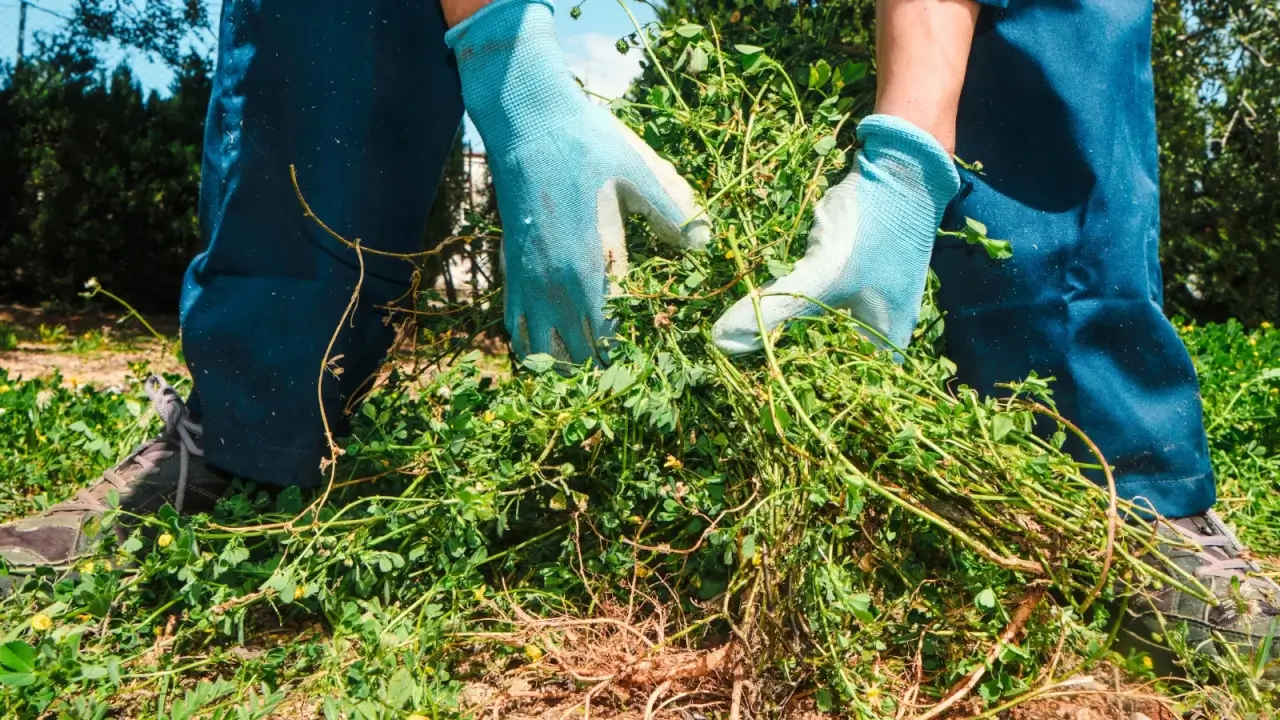
In the modern agricultural era, where efficiency is often measured by yield-per-acre and bottom-line profitability, the practice of monocropping has long reigned supreme. However, a growing cohort of producers is rediscovering an ancient, yet sophisticated, strategy that promises to harmonize economic output with ecological stewardship: interseeding. By intentionally planting a secondary crop—typically a cover crop—within the primary growing cycle of another, farmers are transforming their land from static production zones into dynamic, multi-layered ecosystems.
This article explores five transformative ways that interseeding is reshaping the farming landscape, moving beyond simple space-saving to establish a more resilient, regenerative future for global food systems.
1. Maximizing Economic Output Through Vertical and Horizontal Integration
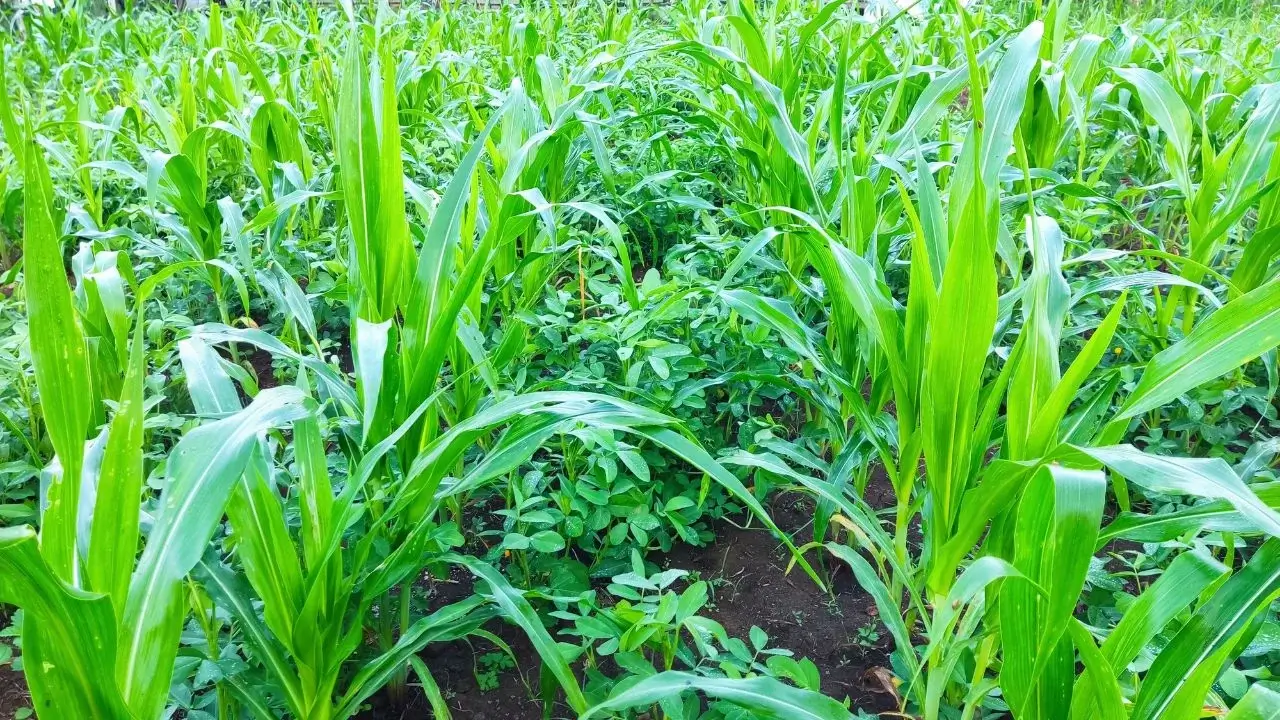
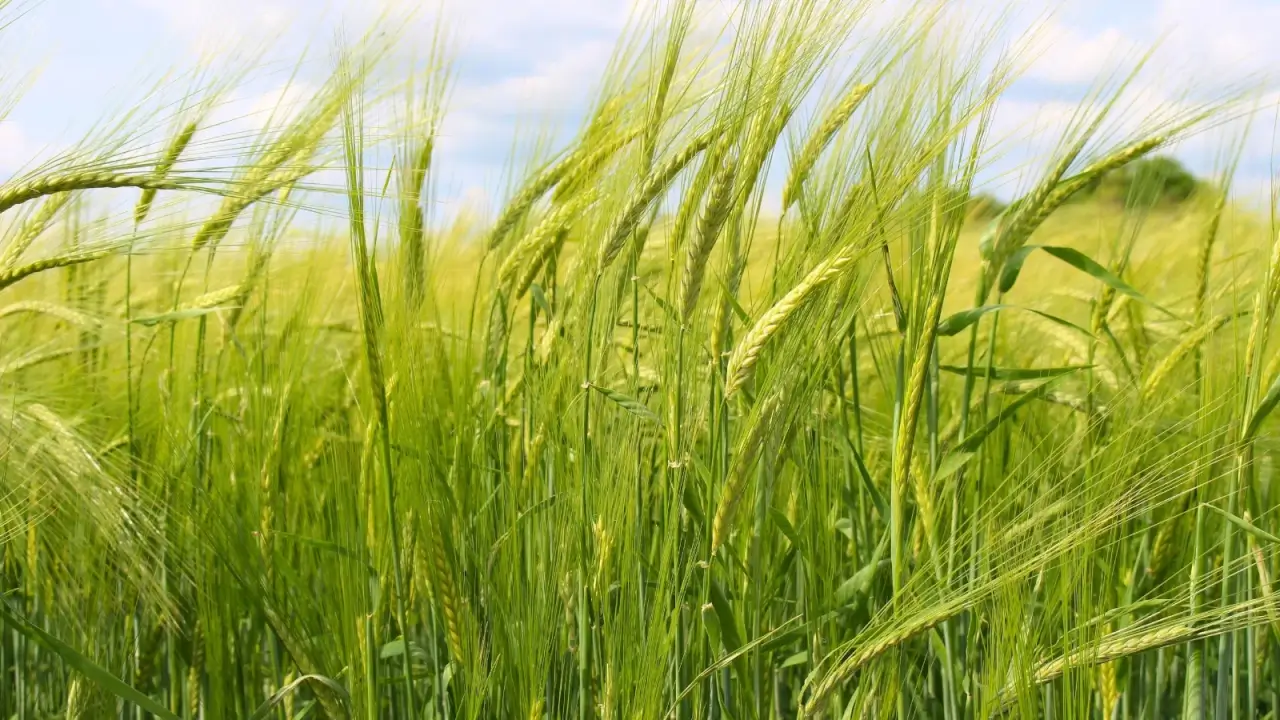
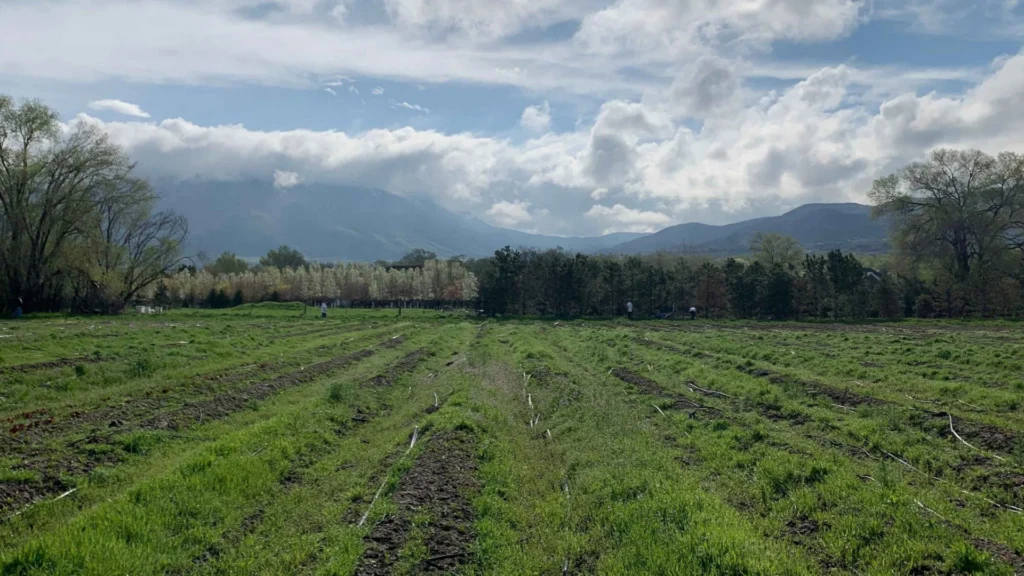
At its core, interseeding challenges the traditional notion that a single field should yield only a single commodity. On large-scale operations, such as those dominating the Midwest corn belts, farmers are increasingly experimenting with planting rye or barley between rows of corn. This practice does not merely "fill space"; it optimizes the use of sunlight, moisture, and soil real estate.
The Math of Multi-Cropping
When a producer manages to harvest two or even three distinct crops from the same acreage, the return on investment for land and labor costs increases exponentially. For smaller, diversified farms, the strategy shifts toward high-value companion planting. Pairing long-season tomatoes with fast-maturing beans, or cabbage with onions, allows for a staggered harvest schedule that keeps revenue flowing throughout the season.
Furthermore, by integrating high-value cut flowers alongside vegetable crops, farmers can tap into premium markets without sacrificing vegetable yield. The key to success here is tactical staging—ensuring that the taller primary crop does not completely shade out the secondary, shorter-statured crop, a balance that requires precise knowledge of local microclimates.
2. Providing Sustained Fodder for Livestock Integration
The integration of livestock into row-cropping systems—often referred to as "dual-purpose ranching"—is perhaps one of the most significant shifts in modern regenerative agriculture. Interseeding allows farmers to provide high-quality forage for livestock precisely when it is needed most.
From Survival to Prosperity
During the winter months, when grazing is typically restricted, interseeded fodder crops act as a critical safety net. Restoration ranchers are now pioneering the practice of seeding legumes into native grass stands, effectively creating a nutrient-dense pasture that supports animal health while simultaneously fixing nitrogen for the grass.
Beyond ruminants, poultry producers are finding that interseeding crops like millet, clover, and leafy greens acts as a biological attractant for both the birds and the insects they consume. By planting these species in areas where insect populations are high, farmers can essentially "program" their livestock to perform pest control services. This creates a closed-loop system where the animals provide labor (pest management) and fertilizer, while the interseeded crops provide the fuel to keep that engine running.
3. The Biological Solution to Weed Suppression
The struggle against weeds is one of the most time-consuming and costly aspects of conventional farming. Constant tilling to manage weed pressure degrades soil structure and requires significant fuel and labor. Interseeding provides a biological alternative to the mechanical "scorched earth" policy of traditional cultivation.
Nature Abhors a Vacuum
Weeds thrive in open, disturbed soil. By interplanting a fast-growing cover crop that covers the ground surface, farmers can effectively "shade out" opportunistic weeds before they can establish a foothold. Legumes, in particular, are favored for this role. Beyond their weed-suppressing canopy, they enrich the soil with nitrogen, providing a dual benefit that ripples through the entire cropping cycle.
For farms focused on restoration, the use of native ground cover is an emerging gold standard. These plants do more than suppress weeds; they provide essential habitat for beneficial soil microbes and pollinators, creating a self-regulating landscape that requires fewer external chemical inputs over time.
4. Engineering Superior Soil Composition
The long-term viability of any farm depends entirely on the health of its soil. Intensive monocropping often strips the earth of its vital nutrients, leaving behind a degraded substrate that requires synthetic fertilizers to remain productive. Interseeding serves as a restorative mechanism to counter this depletion.

The "Chop and Drop" Philosophy
A common practice in regenerative circles is the "chop and drop" method. After a cycle of interseeded cover crops has done its work, the biomass is tilled under or left to decompose on the surface. This adds vital organic matter back into the soil, improving water retention and structure.
In addition to nutrient cycling, certain plants used in interseeding possess phytoremediation capabilities. They can pull heavy metals or toxins from the soil and encapsulate them within their tissues, effectively cleaning the land for future, more sensitive plantings. Furthermore, on steep terrain, interseeding acts as a literal anchor, with complex root systems holding topsoil in place and preventing the erosion that often plagues large-scale, tilled landscapes.
5. Attracting Beneficials and Integrated Pest Management (IPM)
Perhaps the most elegant benefit of interseeding is the creation of a "living pharmacy" within the field. By selecting specific plant species, farmers can encourage the presence of predatory insects that manage pest populations naturally.

The Science of Umbellifers
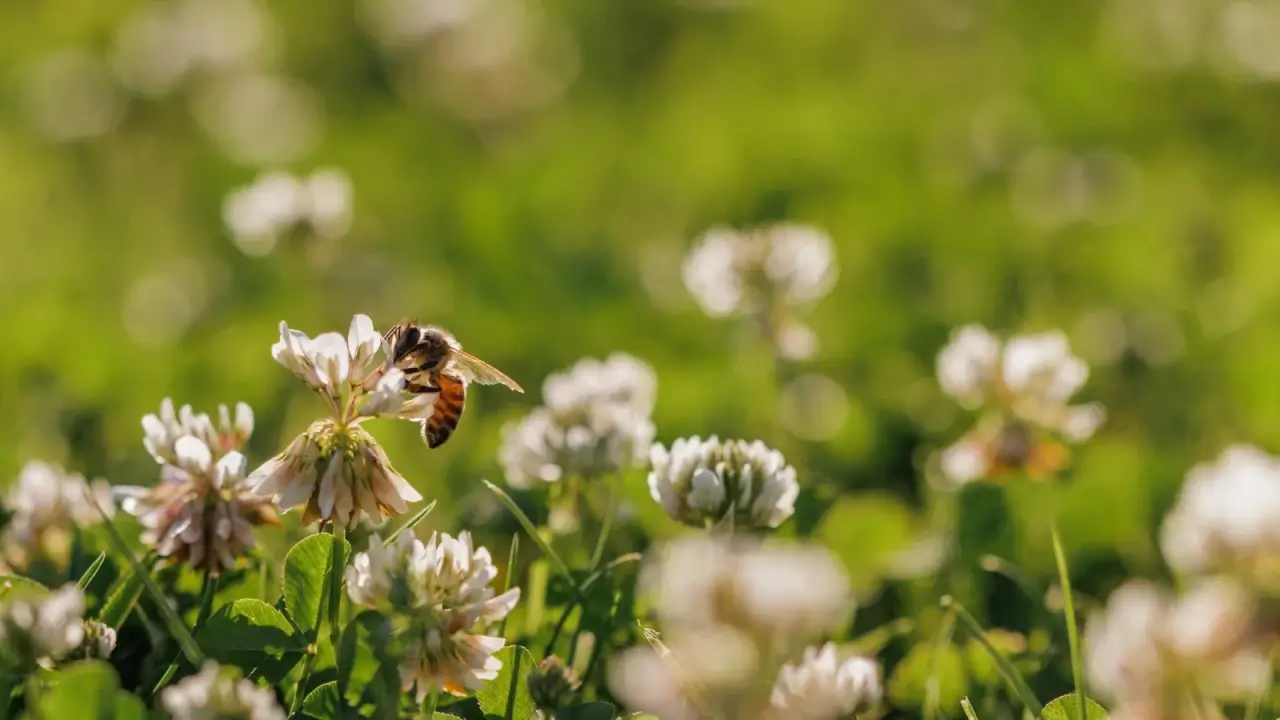
Farmers are increasingly incorporating flowering plants with umbels—compound, umbrella-shaped blooms—to attract beneficial insects. Parasitic wasps, hoverflies, and lady beetles are all major allies in the fight against aphids and other common pests. By creating a diverse, flowering environment, the farmer effectively builds an "insectary" that operates 24/7.
The choice of color and bloom time is strategic:
- Blue and Purple flowers: Attract a variety of solitary bees and pollinators.
- White flowers: Often serve as magnets for moth species and specialized predatory flies.
- Native Species: Essential for supporting the specific local pollinators that have evolved to interact with regional flora.
By consulting with local Native Plant Societies, farmers can curate an interseeded mix that provides the most robust support for their specific region’s ecosystem.

Chronology: The Evolution of the Practice
The resurgence of interseeding is not a new invention but a return to ancestral techniques, albeit with modern technological support.
- 1900s–1950s: Agriculture moved heavily toward monoculture to support post-war industrialization, prioritizing standardized yields.
- 1980s–1990s: The first wave of environmental concern led to the introduction of basic cover-cropping to combat the erosion issues caused by intensive monoculture.
- 2010s–Present: The "Regenerative Revolution" has seen the rise of precision interseeding. Modern seed drills and satellite mapping allow farmers to plant secondary crops with surgical precision between rows of corn, soybeans, or wheat without disrupting the primary harvest.
Supporting Data and Economic Implications
Studies have consistently shown that while the initial setup cost for seeds and specialized equipment may be higher than traditional monocropping, the long-term savings are significant. Producers who successfully integrate interseeding report a 15% to 30% reduction in synthetic fertilizer usage within three years. Moreover, the diversification of revenue streams—selling both a primary grain and a secondary cover/fodder crop—creates a hedge against market volatility, protecting the farm from the catastrophic price drops that can bankrupt a single-commodity operation.
Official and Industry Responses
Major agricultural organizations and university extension programs have begun to pivot their research budgets to support interseeded systems. The USDA’s Natural Resources Conservation Service (NRCS) has expanded its financial assistance programs to include cost-sharing for farmers who adopt cover-cropping and interseeding techniques.
"The shift is undeniable," notes one regional agricultural economist. "We are moving away from the industrial model of ‘input-output’ and toward an ecological model of ‘systems management.’ The farmers who are adopting these practices are not just surviving; they are building wealth in their soil that will outlast their own tenure on the land."
Conclusion: A Resilient Future
Interseeding represents a profound shift in how we perceive the agricultural landscape. It is a departure from the "conquest" of nature toward a "collaboration" with it. Whether through the suppression of weeds, the improvement of soil health, or the creation of a natural pest defense system, interseeding provides a clear roadmap for a more sustainable, profitable, and resilient food system. As we face the challenges of a changing climate and an growing global population, the farm of the future may well be one that looks less like a single-crop machine and more like the complex, vibrant, and multi-layered ecosystem it was always meant to be.

 Asep Darmawan

 Layla Zulfa

