

 Jia Lissa
 Raul Delapena Setiawan

 Asro

 Layla Zulfa
 Sagoh
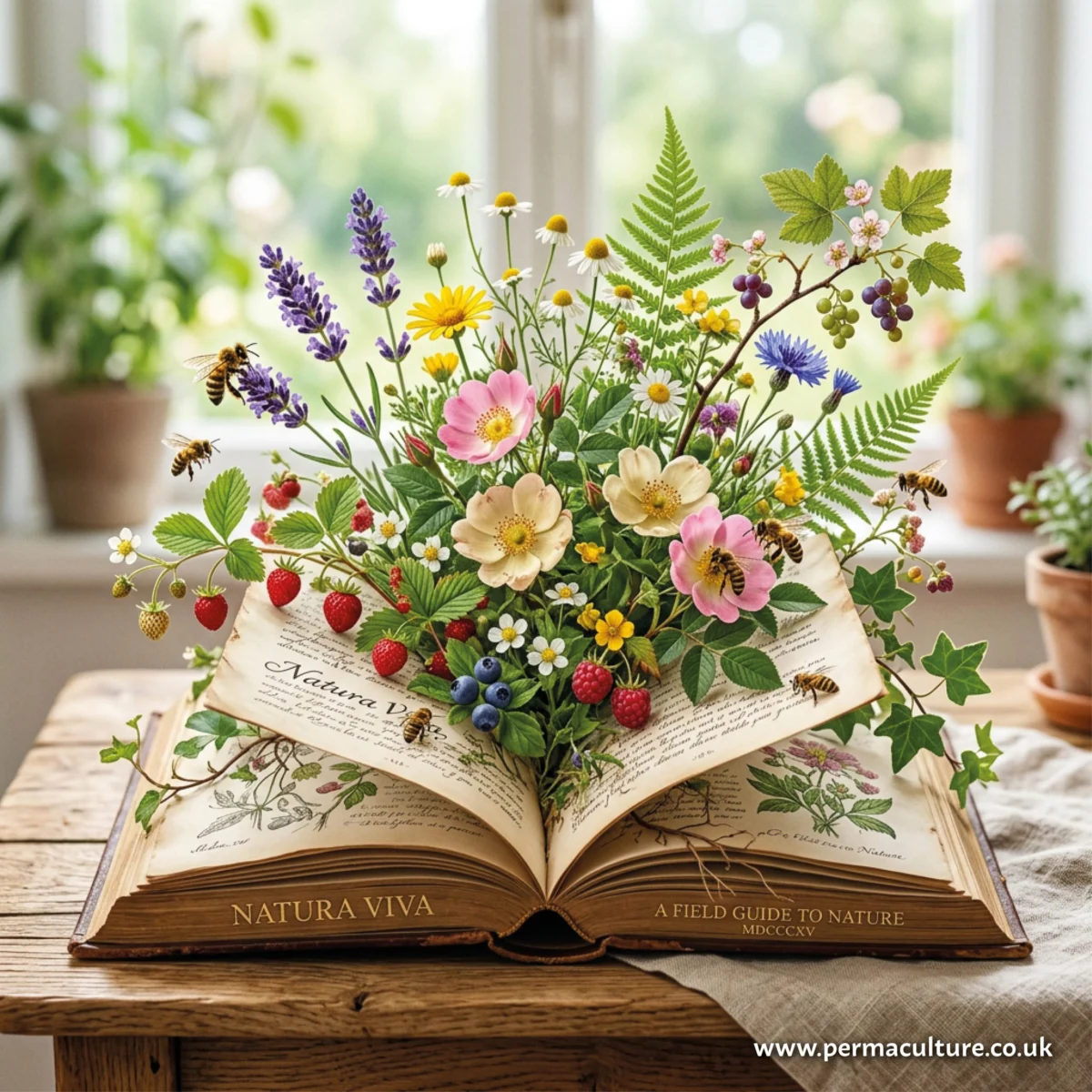
Since its inception in 1992, Permaculture magazine has served as more than just a periodical; it has functioned as a global catalyst for ecological regeneration, sustainable living, and community resilience. Over the past three decades, it has evolved into a vital repository of wisdom for those seeking to transition from extractive industrial practices to regenerative, earth-centered systems. As the world faces unprecedented climate instability, the magazine’s mission to inspire personal action and systemic change has never been more relevant.
The Genesis of a Movement: A Chronology of Influence
The history of Permaculture magazine is a timeline of the environmental movement’s maturation. When the first issue was printed in 1992, the concept of "permaculture"—a design system developed by Bill Mollison and David Holmgren—was largely confined to academic circles and fringe back-to-the-land movements.
- 1992: Permaculture magazine launches, providing a dedicated platform for practitioners to share knowledge on organic gardening, low-impact living, and ecological design.
- Early 2000s: The publication expands its scope, bridging the gap between small-scale agriculture and global climate activism. It begins documenting "food forests" and off-grid technological advancements.
- 2010s: The rise of digital media allows the magazine to reach a global audience, fostering a community of over 55,000 YouTube subscribers and an extensive social media presence.
- Present Day: The magazine functions as a multifaceted media organization, publishing books through Permanent Publications and maintaining a searchable digital archive of over 127 back issues, effectively preserving 30 years of human ingenuity in the face of ecological crisis.
Supporting the Commons: A Blueprint for Collective Action
In an era where independent media faces the dual threats of corporate consolidation and algorithmic censorship, Permaculture magazine has issued a comprehensive call to action. Their strategy for survival is built upon the very principles they advocate: connectivity, diversity, and mutual aid.
1. Digital Stewardship and Algorithmic Presence
The modern media landscape is dictated by algorithms that favor engagement. By actively liking, sharing, and commenting on the magazine’s content across Instagram, Facebook, and TikTok, readers do more than just show support—they act as curators for a larger movement. This collective "digital tending" ensures that permaculture principles reach those outside of existing echo chambers.
2. The Power of Educational Infrastructure
Education remains the bedrock of the permaculture movement. The magazine’s YouTube channel has become a library of transition, offering films on no-dig gardening, rewilding, and DIY ethics. By subscribing and participating in this digital classroom, viewers contribute to a repository of knowledge that empowers the next generation of designers and land stewards.
3. Institutional Integration: Reaching Libraries and Universities
Perhaps the most ambitious aspect of the magazine’s current outreach is its focus on institutional support. Libraries and universities, which serve as the gatekeepers of knowledge, are currently facing severe budget constraints. By sponsoring subscriptions for these institutions, supporters ensure that the magazine is accessible to students and researchers, effectively "planting the seeds" of sustainable design in the curricula of the future.
Data-Driven Impact: Why Personal Advocacy Matters
The effectiveness of Permaculture magazine is rooted in a fundamental human truth: trust is decentralized. A landmark 2019 study revealed that consumers are twice as likely to trust recommendations from friends and family (75-77%) than any other form of advertising.
This psychological data informs the magazine’s "Local Influencer" strategy. By encouraging readers to suggest the magazine to local independent bookshops, health food stores, and village shops, the organization is leveraging the high-trust environment of local commerce. When a trusted local shop owner recommends a publication, it carries the weight of a personal endorsement, creating a ripple effect that traditional marketing cannot replicate.
Official Perspectives: The Value of Independent Publishing
The editorial team at Permaculture emphasizes that their independence is their greatest strength. By operating outside the influence of large media conglomerates, they maintain the editorial integrity required to challenge status quo agricultural practices.
"Every book ordered directly from us is a vote for independent, world-changing publishing," notes Tony, a representative for the organization. "When readers choose to bypass mass-market retailers, they are participating in a local economy that prioritizes the health of the soil and the community over quarterly dividends."
The financial model of the magazine is increasingly reliant on this direct support. Donations and subscriptions do not merely pay for printing costs; they allow the organization to provide pro-bono resources, support grassroots practitioners, and host events that bring the global permaculture community together.
Implications for a Resilient Future
The call to support Permaculture magazine is, in essence, a call to build a "resilient culture." The implications of this support extend far beyond the pages of a magazine.
The Ripple Effect of Knowledge Sharing
When an individual implements a technique from the magazine—such as a new composting method or a permaculture design principle—they are contributing to a real-world case study. By tagging the magazine in their social media posts, these individuals turn their private gardens into public classrooms. This creates a virtuous cycle where success stories inspire further action.
Professional and Social Integration
The magazine is now pushing for deeper integration into professional and social spheres. From encouraging workplace subscriptions to promote employee well-being, to advocating for reading circles and skill-shares in community centers, the goal is to make permaculture an "essential resource" rather than an alternative hobby.
Global Knowledge Exchange
The organization is also exploring the importance of international accessibility. By encouraging the translation of articles and summaries into other languages, they are ensuring that permaculture design—which is inherently adaptable to local climates—can be utilized in diverse ecosystems across the globe, from the arid regions of the Middle East to the tropical landscapes of Southeast Asia.
How to Get Involved: A Multi-Tiered Strategy
For those wishing to contribute to this legacy, the magazine has outlined a clear path for involvement, categorized by effort and impact:
- High-Impact Institutional Support: Contacting libraries and universities to initiate sponsored subscriptions.
- Professional Advocacy: Recommending the magazine to local retailers and independent bookstores.
- Community Building: Hosting film nights or reading groups centered on permaculture content.
- Creative Contribution: Submitting case studies, photography, or articles to showcase diverse lived experiences.
- Direct Commerce: Purchasing books and subscriptions directly from the publisher to ensure the financial viability of independent journalism.
Conclusion: The Long Game
As we move deeper into the 21st century, the need for practical, scalable, and regenerative solutions is urgent. Permaculture magazine has spent 32 years documenting the transition to a world that works for all. By supporting this publication, readers are not simply subscribing to a magazine; they are underwriting a piece of living history.
Whether through the simple act of sharing a link, the financial commitment of a gift subscription, or the intellectual contribution of a case study, every action taken in support of this community helps to solidify the foundation of a more sustainable, equitable, and resilient future. The magazine’s survival is a testament to the fact that when a community unites around shared values, it can change the world—one garden, one school, and one reader at a time.

 Reynand Wu
