Nana Wu

 Dwi Wanna

 Suro Senen

 Evan Lee Salim

 Iffa Jayyana
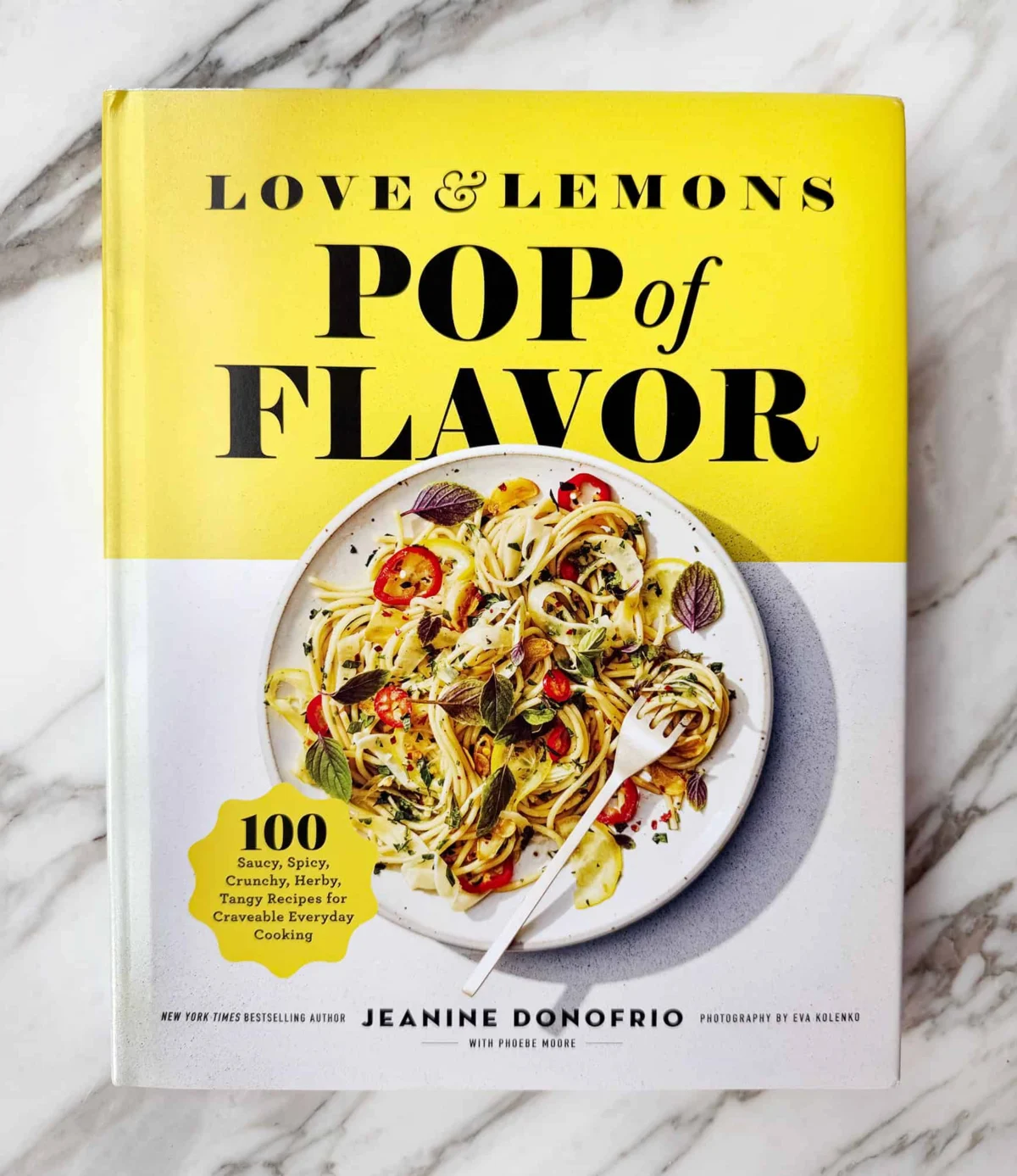
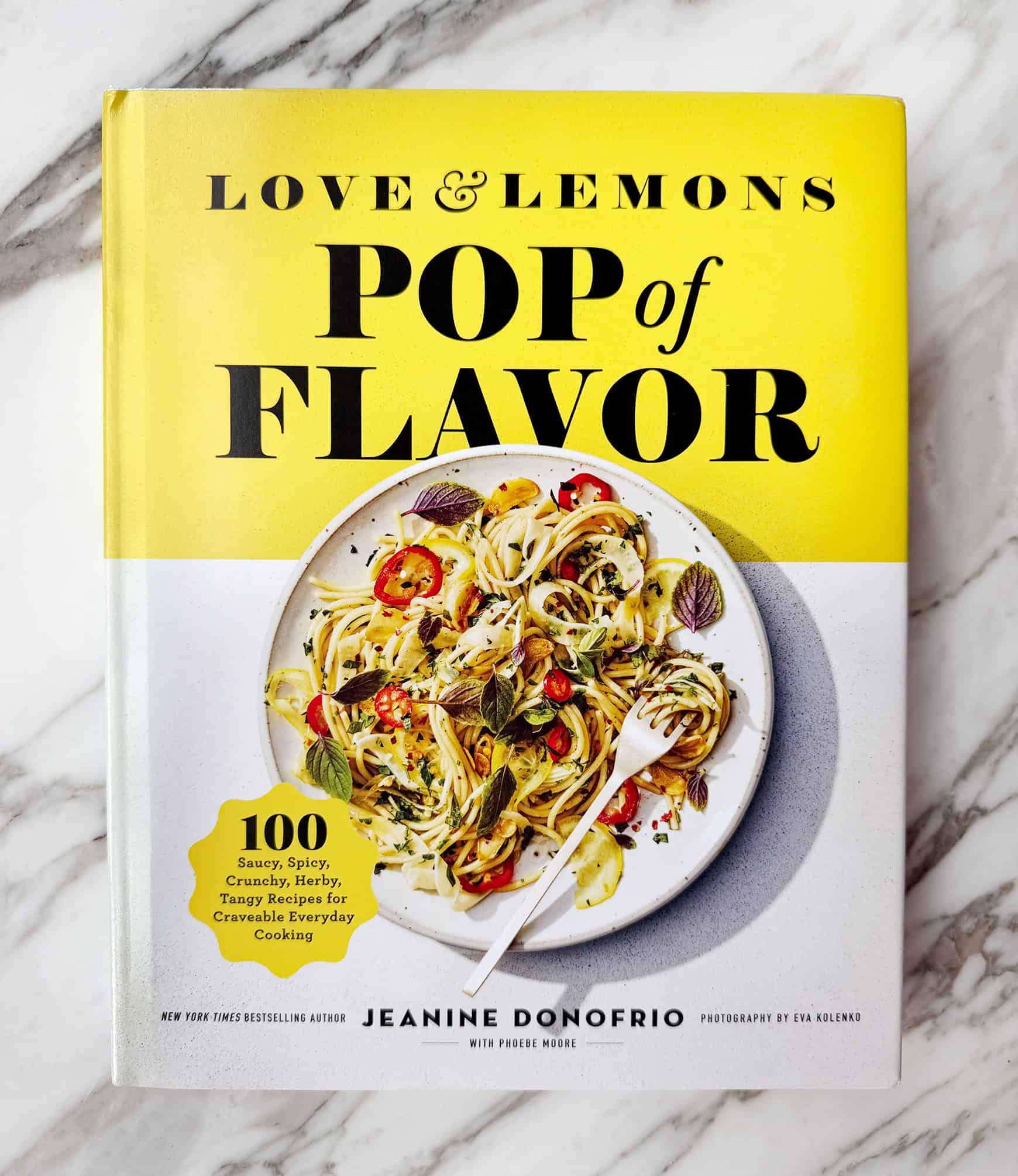
In an era where home cooks are increasingly looking for ways to streamline their kitchen routines without sacrificing the vibrancy of restaurant-quality meals, the release of Love & Lemons Pop of Flavor marks a significant shift in culinary literature. Authored by the team behind the widely acclaimed Love & Lemons platform, this new cookbook challenges the traditional, meal-type-oriented structure of kitchen manuals. Instead, it invites readers to organize their cooking around the very thing that drives human appetite: the visceral, immediate craving for specific textures and flavor profiles.
The book, which officially hit bookshelves this April, is being hailed as a practical solution to "kitchen fatigue"—a common affliction for parents, professionals, and anyone struggling to maintain the spark of inspiration in the daily grind of dinner preparation.
The Genesis of a Culinary Concept: Chronology of the Project
The journey to Pop of Flavor began in a relatable, albeit challenging, domestic environment. When the author’s son, Ollie, reached the age of two, the chaos of toddlerhood began to bleed into the kitchen. Like many caregivers, the author found that the joy of cooking was being slowly eroded by the relentless demand of getting food on the table during loud, messy, and exhausting evenings.
- 2024 (Early Stages): The author begins conceptualizing a book that focuses on "flavor-boosting components" rather than rigid, multi-step recipes. The initial goal was to solve the problem of bland, repetitive weeknight meals.
- 2025 (Development & Testing): The concept of "flavor-first" organization takes shape. The team begins categorizing recipes by texture (crunchy, creamy, zesty) and flavor (savory, bright, umami) rather than the standard "Breakfast, Lunch, Dinner" structure.
- April 2026: Love & Lemons Pop of Flavor is officially launched, arriving in bookstores across the United States and Canada.
Supporting Data: Why "Flavor Components" Change the Game
The central thesis of the book is that home cooking doesn’t have to be a series of complex, long-form endeavors. Instead, it argues that keeping a curated "arsenal" of high-impact components can transform even the simplest ingredients—a bowl of rice, a piece of roasted protein, or a heap of steamed vegetables—into a memorable dish.
The Component-Based Model
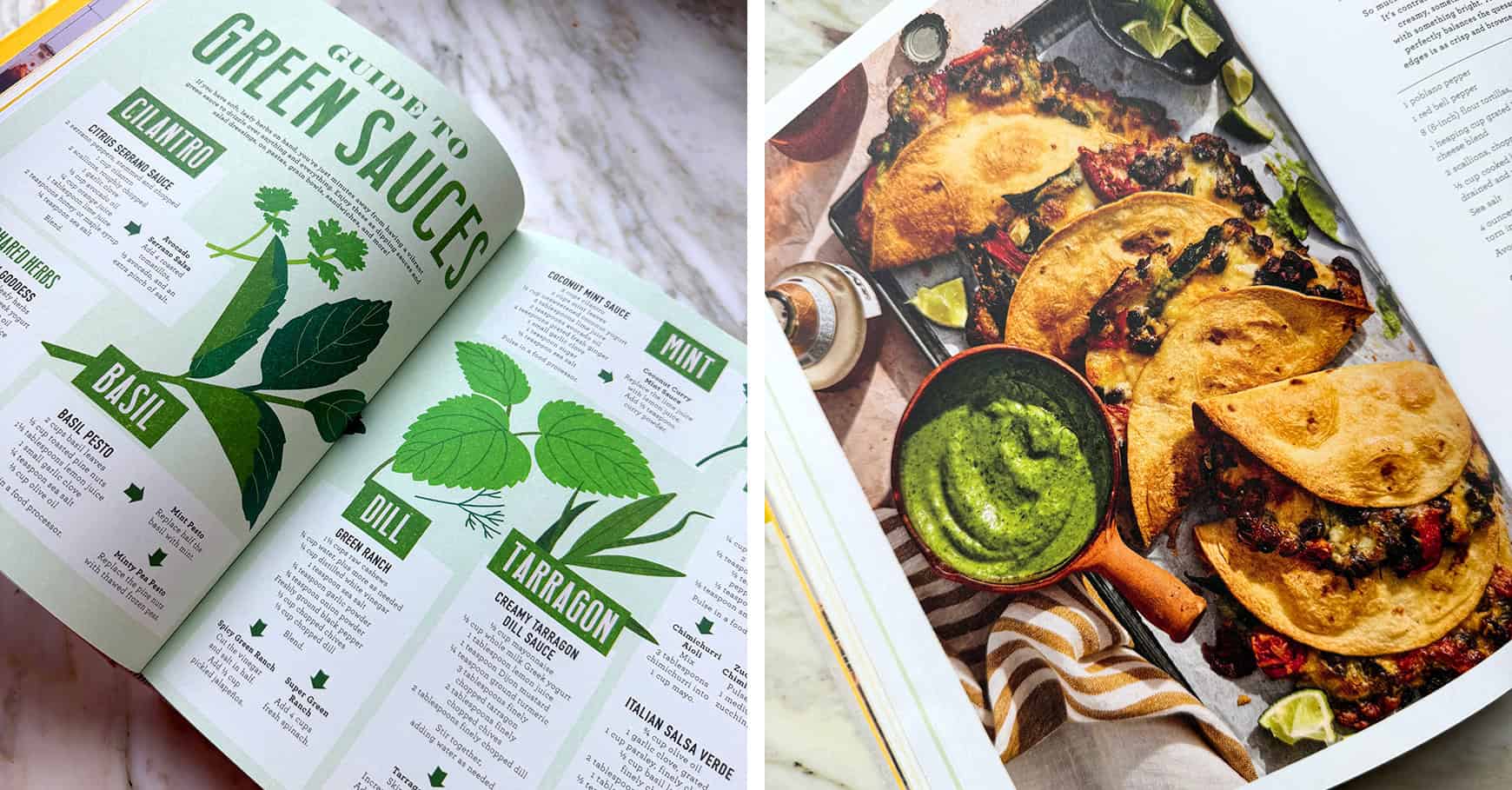
The book functions by providing readers with both store-bought shortcuts and accessible, homemade staples. These include:
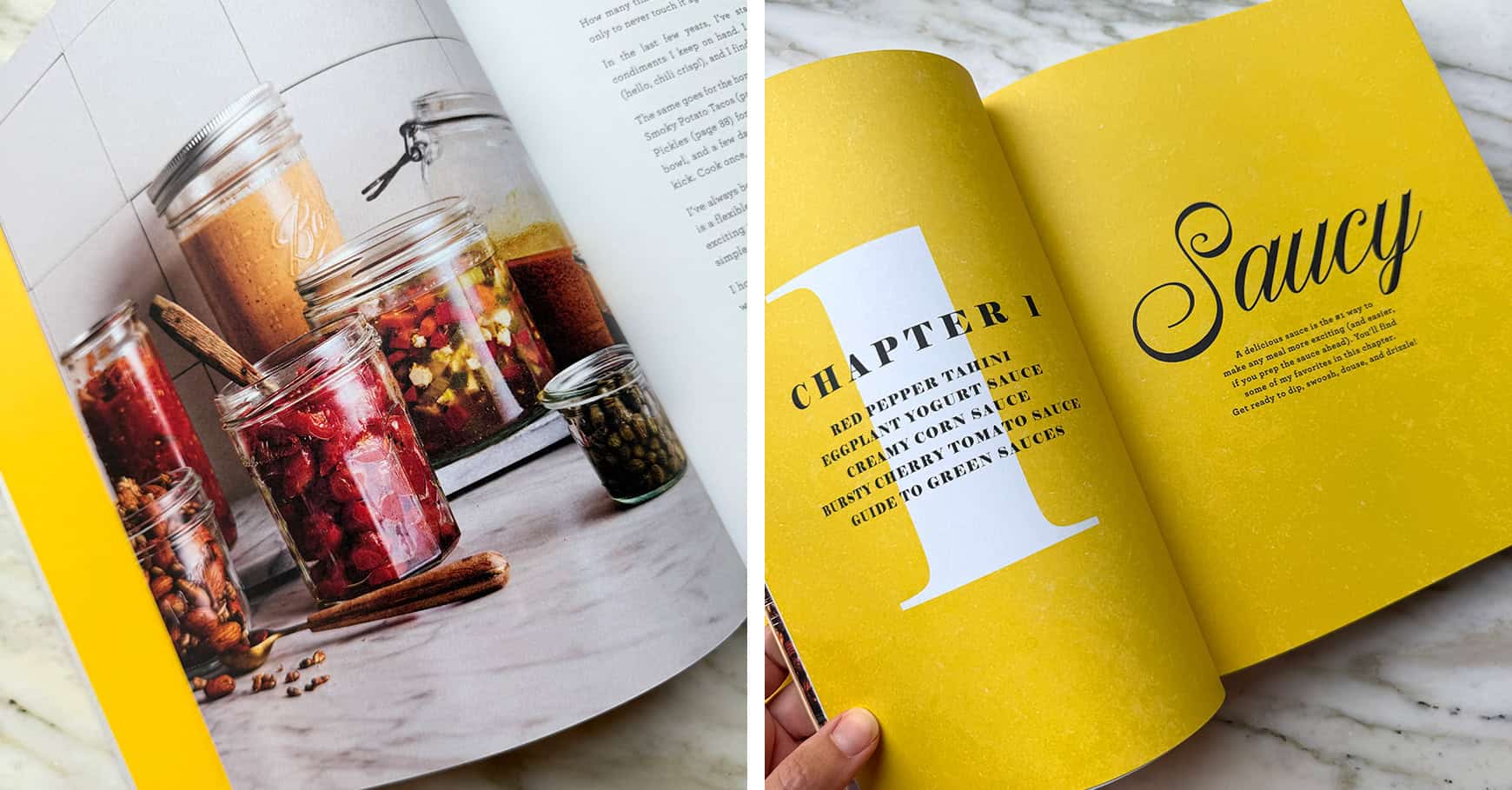
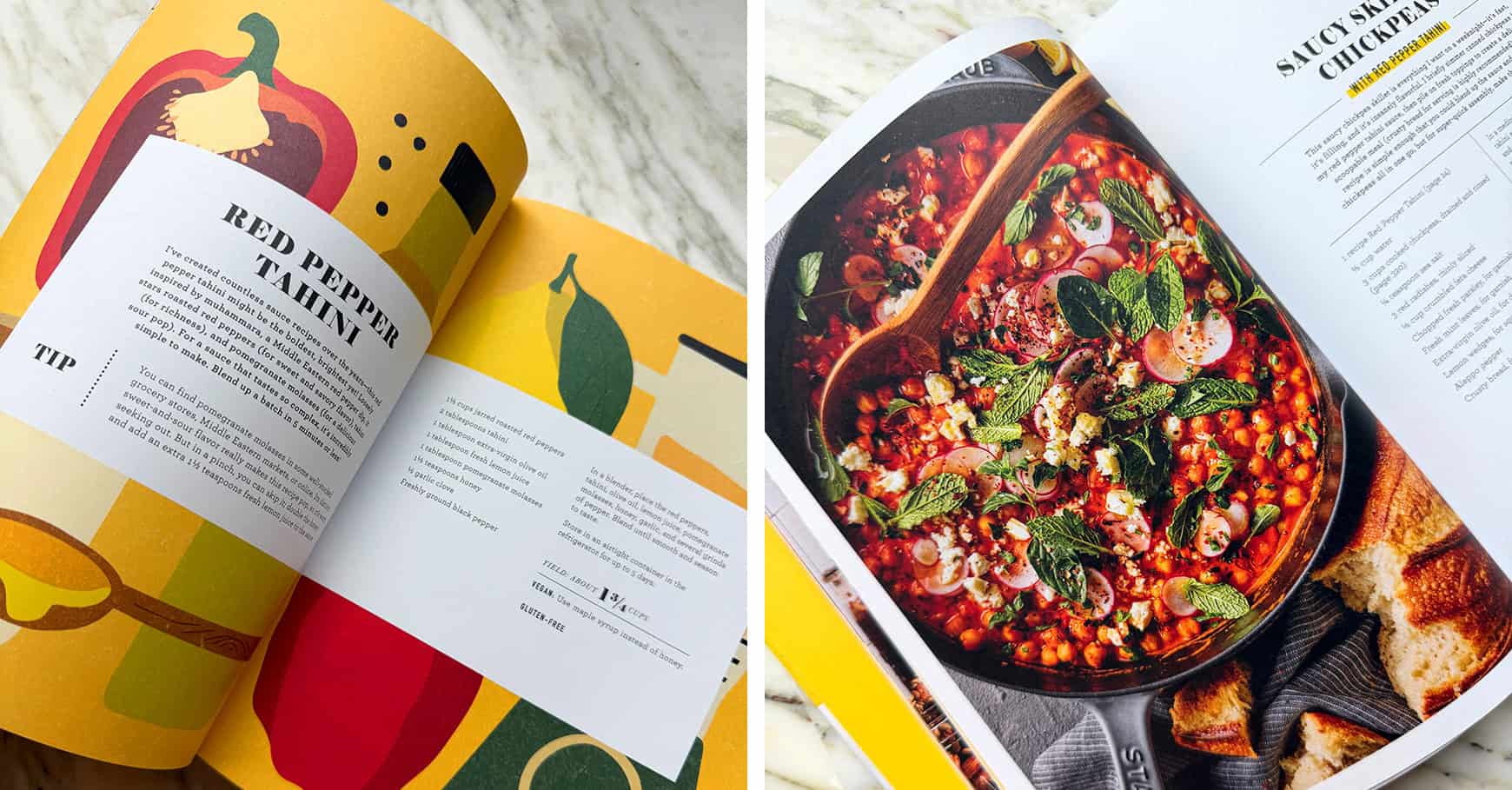
- Punchy Sauces: Such as the signature Red Pepper Tahini Sauce.
- Textural Additions: Crunchy seed and nut mixes that elevate the mouthfeel of any dish.
- Bright Accents: Tangy pickles and fresh herb blends that provide the titular "pop."
According to the author, the strategy is simple: for every core component featured, the book provides three distinct, full-length recipes. Beyond that, it offers an extensive collection of "no-recipe" ideas, encouraging readers to experiment intuitively. This methodology is designed to bridge the gap between amateur cooking and the professional chef’s mindset, where the focus is often on balancing elements rather than following strict measurements.
Official Perspective: The Philosophy of Cravings
In a recent statement regarding the book’s release, the author noted that the primary goal is to empower the reader. "This book is a celebration of cooking what you crave," the author remarked. "When I lost my kitchen spark, it wasn’t because I lacked recipes; it was because I lacked the tools to make simple meals exciting."
By shifting the focus from the clock to the palate, the book addresses a psychological aspect of cooking that is often overlooked. When a home cook feels an intense craving for something "crunchy" or "zesty," the traditional cookbook layout—which requires them to search through "Salads" or "Entrees"—is often a hindrance. Pop of Flavor bypasses this friction, providing a more direct route to satisfaction.
Implications for Modern Home Cooking
The publication of Pop of Flavor arrives at a pivotal moment in the culinary industry. As food prices rise and time becomes an increasingly scarce commodity, the "component" style of cooking provides an economic and logistical advantage.
Reducing Food Waste
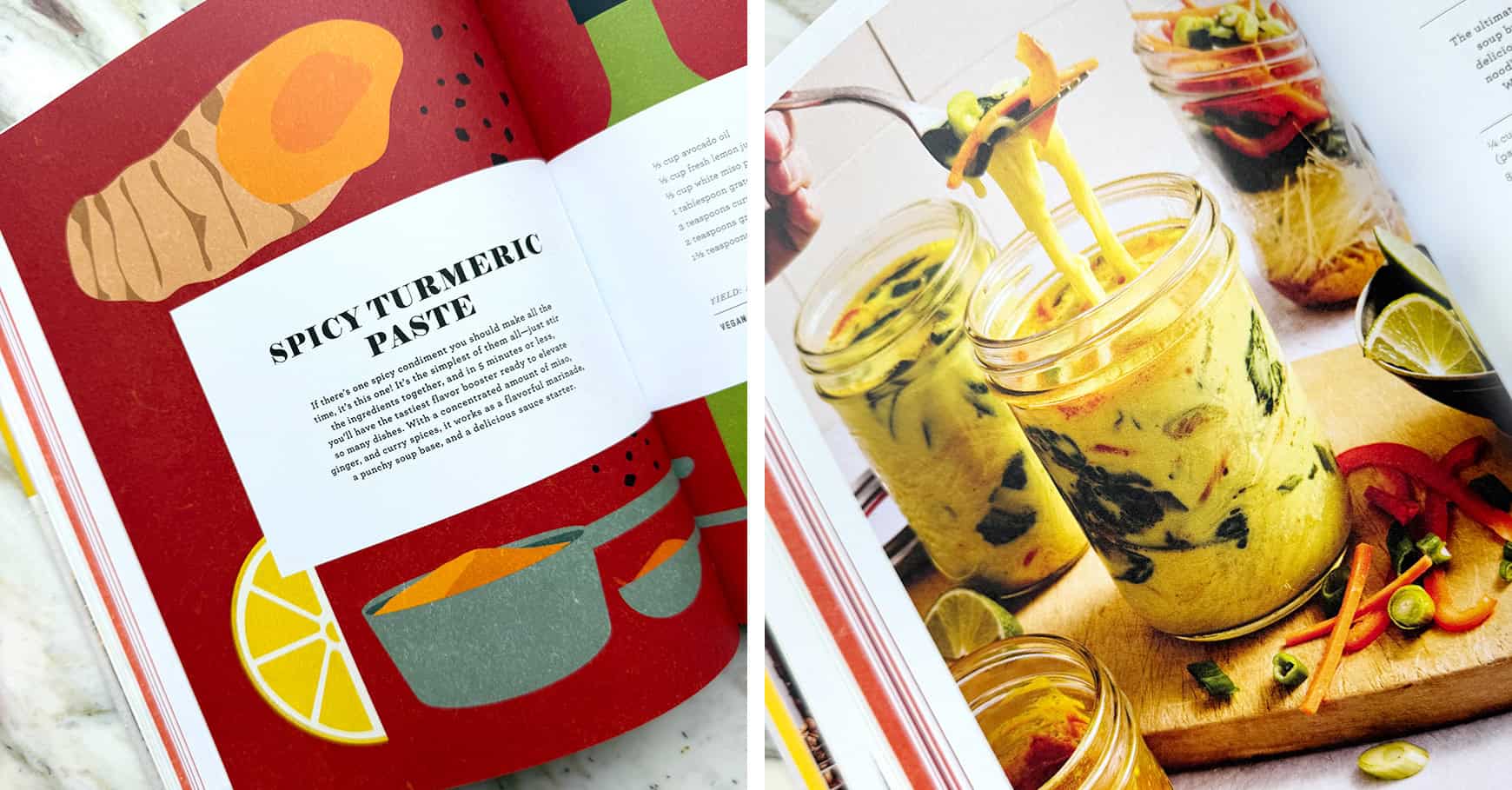
By focusing on flexible components that can be added to various dishes throughout the week, the book naturally encourages a more sustainable kitchen. A batch of Spicy Turmeric Paste or a jar of house-made pickles is not bound to a single recipe; it can be used to elevate a variety of leftovers, thereby reducing the amount of wasted produce and perishables.
The "Kitchen Spark" Effect
The psychological impact of the book is perhaps its most significant implication. For many, the kitchen has become a place of duty rather than a place of creativity. By simplifying the process of adding flavor, the author provides a "low-barrier" entry point for cooking. When a user realizes they can turn a 15-minute meal into a restaurant-quality experience with just one or two homemade components, their confidence grows. This, in turn, helps to rekindle the curiosity required for more complex cooking.
A Structural Deep Dive: What’s Inside?
The architecture of the book is deliberate. Rather than chapters defined by protein or time of day, the reader is guided by sensory descriptors.
The Flavor Spectrum
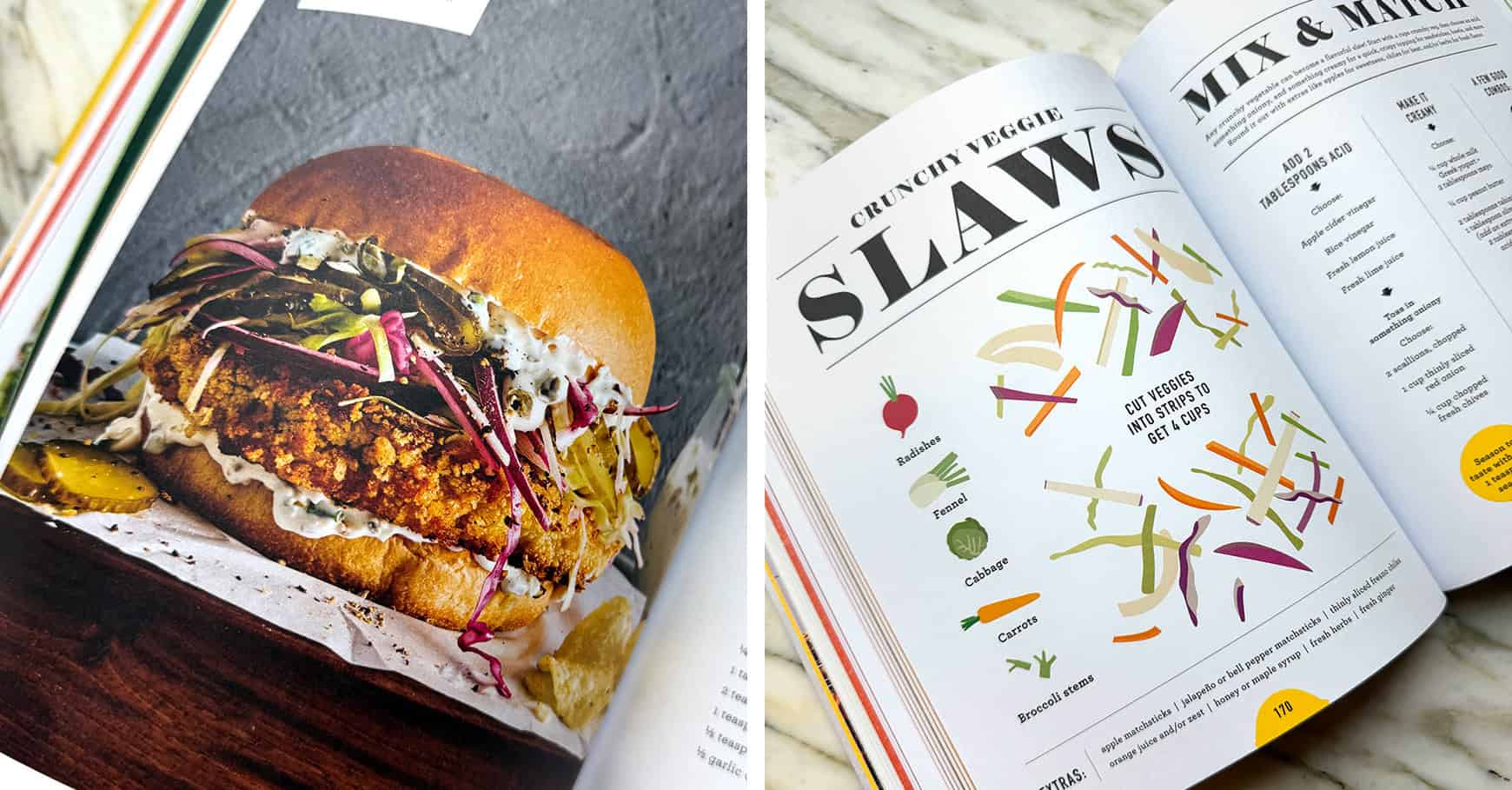
- The Crunch Factor: Dedicated sections on how to use nut mixes, toasted seeds, and fresh vegetables to provide necessary textural contrast.
- The Zest and Acid Profile: Exploring the use of capers, citrus, and vinegars to cut through heavy, rich ingredients.
- Umami and Spice: Deep dives into chili crisps and complex pastes that provide the "base" note for many of the book’s dishes.
Practicality for the Busy Reader
The book is specifically marketed to:
- Busy Parents: Those who, like the author during the early years of parenting, need quick, high-impact solutions.
- Aspiring Home Chefs: Those looking to develop a better understanding of how flavors interact and how to build a dish from the ground up.
- Meal-Prep Enthusiasts: Users who enjoy preparing staple ingredients in advance to streamline their weekday routine.
Market Response and Availability
Since its release, the book has received significant attention from culinary communities and lifestyle publications. Retailers across the United States and Canada report strong initial interest, citing the book’s visual appeal and the clear, actionable nature of the content.
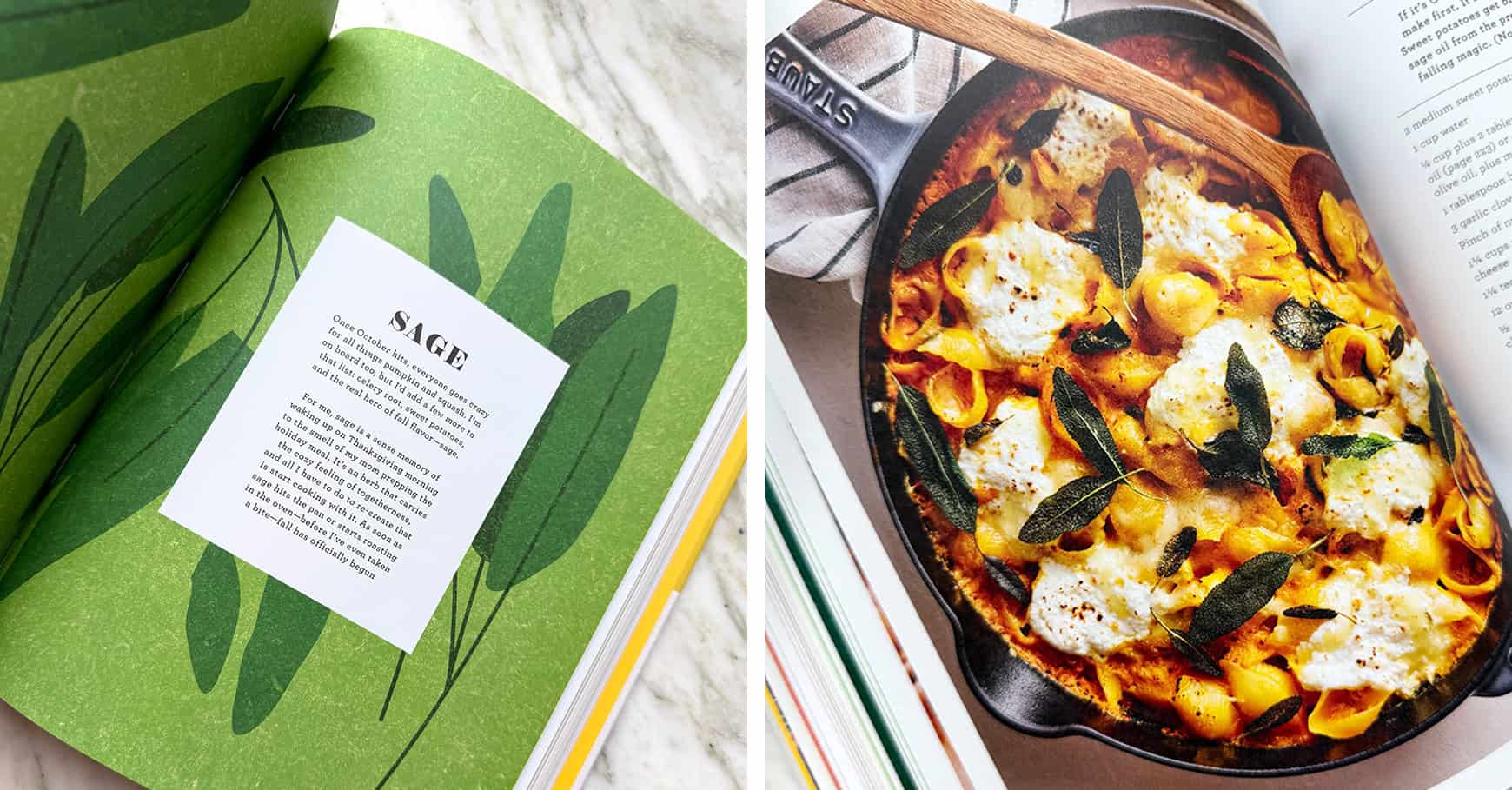
The book is currently available wherever fine books are sold. For those looking to integrate the "Pop of Flavor" philosophy into their daily routine, the text serves as both a manual and a manifesto. It is a reminder that cooking is not merely about fueling the body, but about engaging the senses and finding joy in the act of transformation.
In conclusion, Love & Lemons Pop of Flavor is more than just a collection of recipes; it is a guide to reclaiming the kitchen. By providing the tools to create flavor-packed components that can be used on a whim, the author has provided a roadmap for anyone looking to escape the monotony of routine cooking and return to the pleasure of the craft. Whether you are a novice looking to build confidence or a seasoned cook looking to simplify your process, the principles laid out in this volume offer a fresh, vibrant, and incredibly practical approach to the modern kitchen.

 Ali Ikhwan