Nana Wu

 Dwi Wanna

 Suro Senen

 Evan Lee Salim

 Reynand Wu
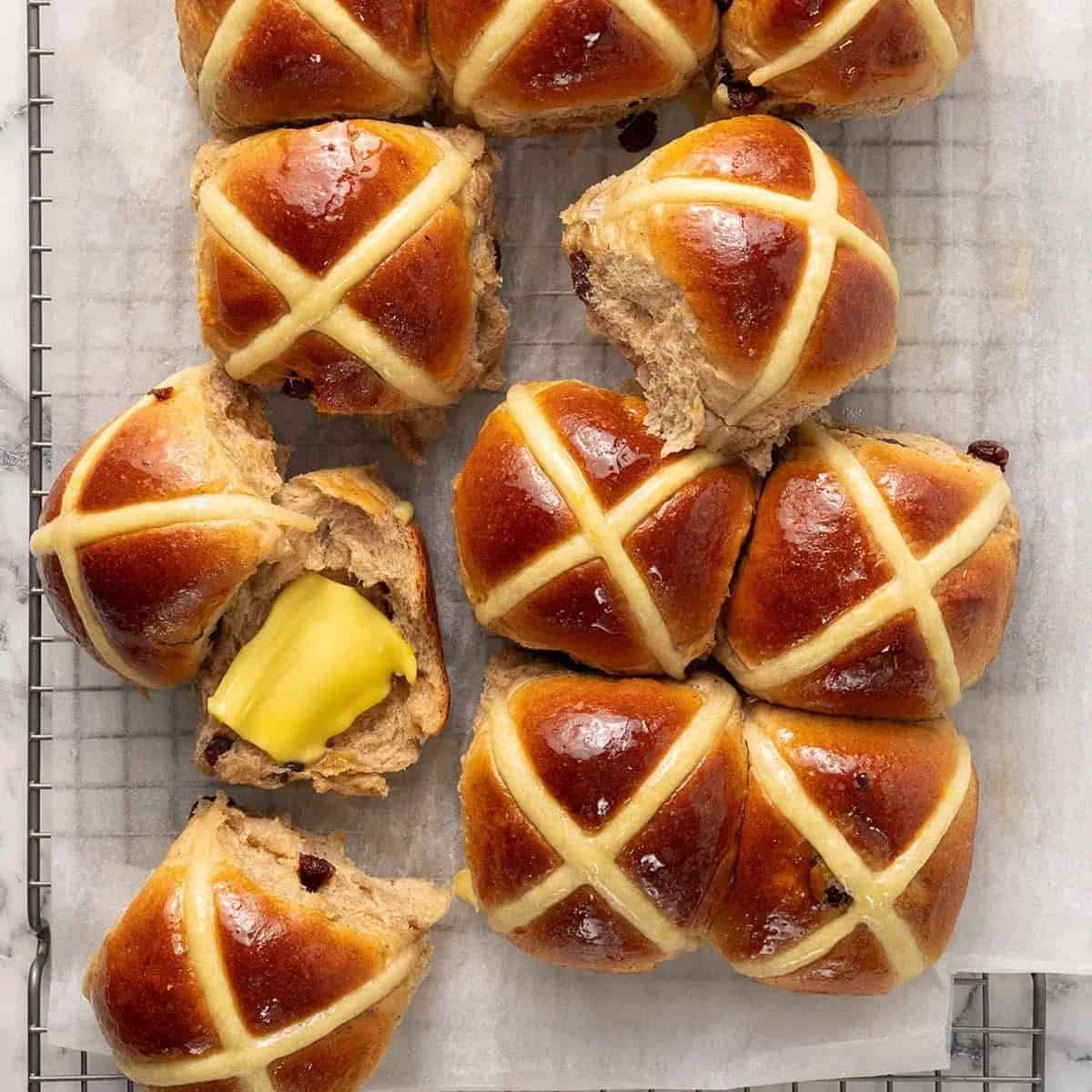
For many, the Easter season is synonymous with the distinct, spiced aroma of freshly baked hot cross buns. Whether toasted with a generous slab of salted butter or enjoyed fresh from the oven, these buns are a culinary cornerstone of the holiday. However, achieving that elusive "bakery-level" quality—characterized by a pillowy, soft crumb that retains its moisture for days—often feels like a challenge reserved for professional bakers.

Enter the Tangzhong method, a transformative technique that is fundamentally changing how home bakers approach enriched doughs. By integrating a simple, science-backed pre-cooking step, this recipe promises a level of texture and longevity that defies the typical stale-by-noon expectations of homemade bread.

The Chemistry of Softness: Understanding the Tangzhong Method
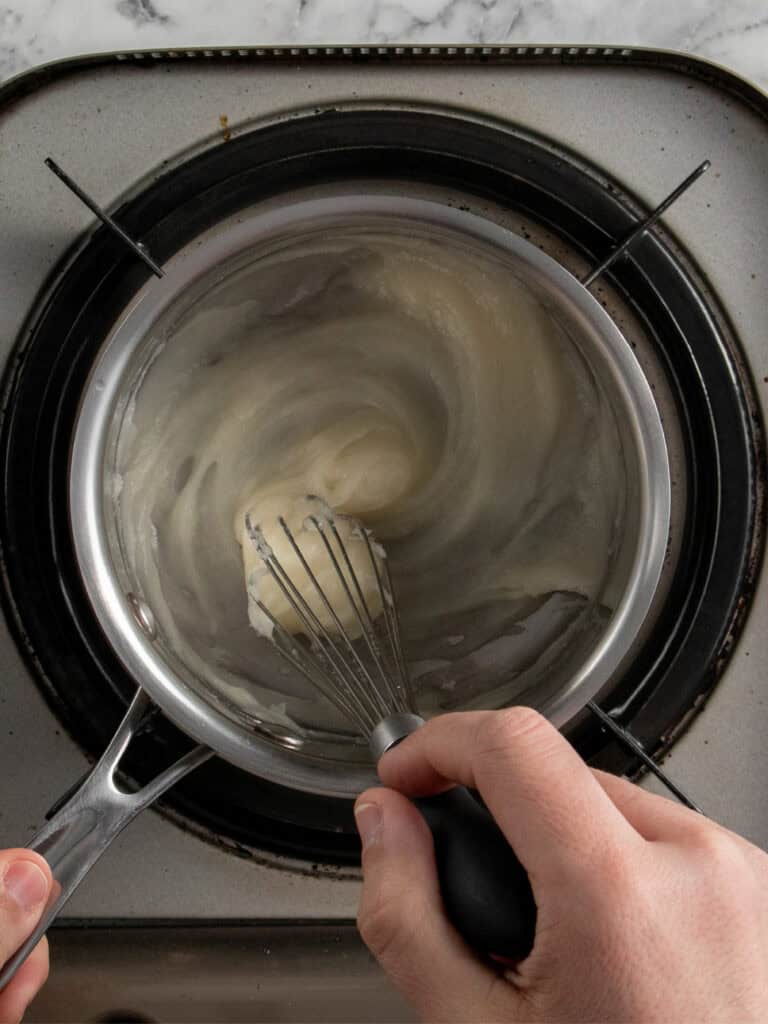
The secret to these bakery-soft buns lies in a Japanese technique known as Tangzhong. Unlike standard doughs that rely solely on the hydration of flour during the mixing phase, the Tangzhong method involves pre-cooking a small portion of the flour and liquid (water or milk) to create a roux-like paste.
When flour is heated in liquid, the starch granules gelatinize, allowing them to absorb significantly more moisture than they would at room temperature. When this gelatinized mixture is incorporated into the final dough, it traps water within the bread’s structure, preventing it from evaporating during the high-heat baking process. This result is a crumb that remains exceptionally soft and tender for days, rather than hours. For the home baker, this is the difference between a bun that is a delight to eat on the third day and one that is relegated to the toaster as a desperate measure against dryness.
A Chronology of the Perfect Bake
Achieving the perfect hot cross bun is not merely about ingredients; it is a discipline of timing and environmental control. The process, when executed with precision, follows a rigorous timeline designed to maximize flavor development and structural integrity.

Phase 1: The Foundation (Preparation)
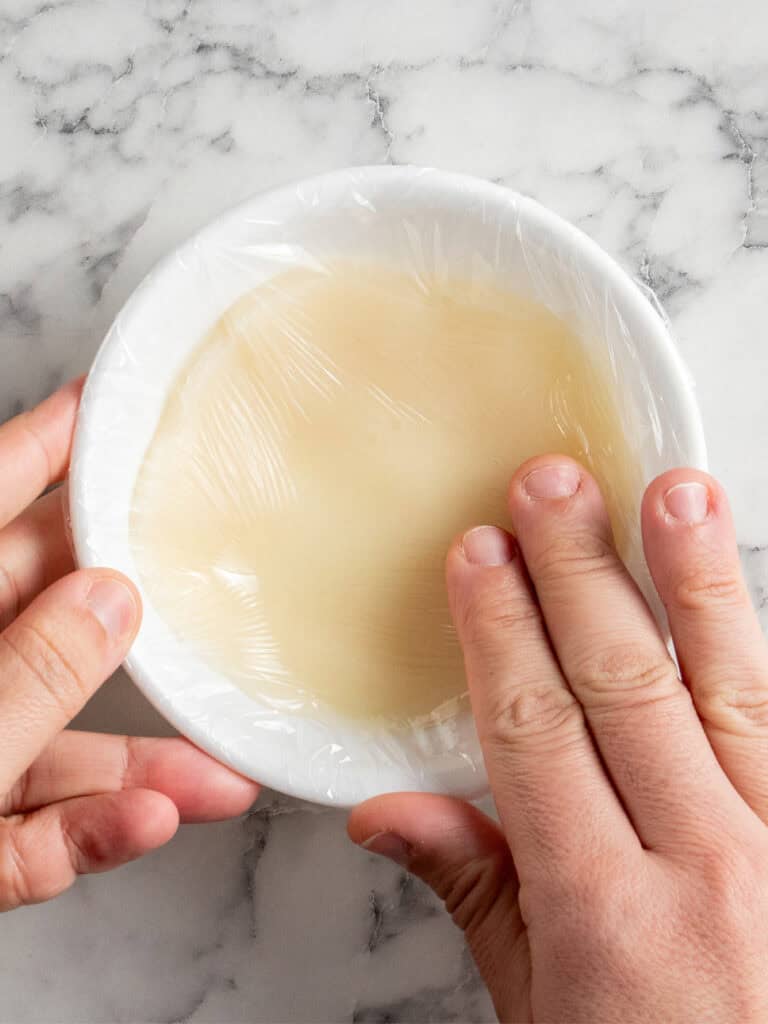
The process begins with the preparation of the Tangzhong. This paste must be cooked until it reaches a thick, pudding-like consistency and, crucially, must be allowed to cool completely to room temperature. Introducing a warm Tangzhong to the yeast would be detrimental, as it would accelerate fermentation too quickly, compromising the dough’s final structure.
Phase 2: The Development (Mixing and Kneading)
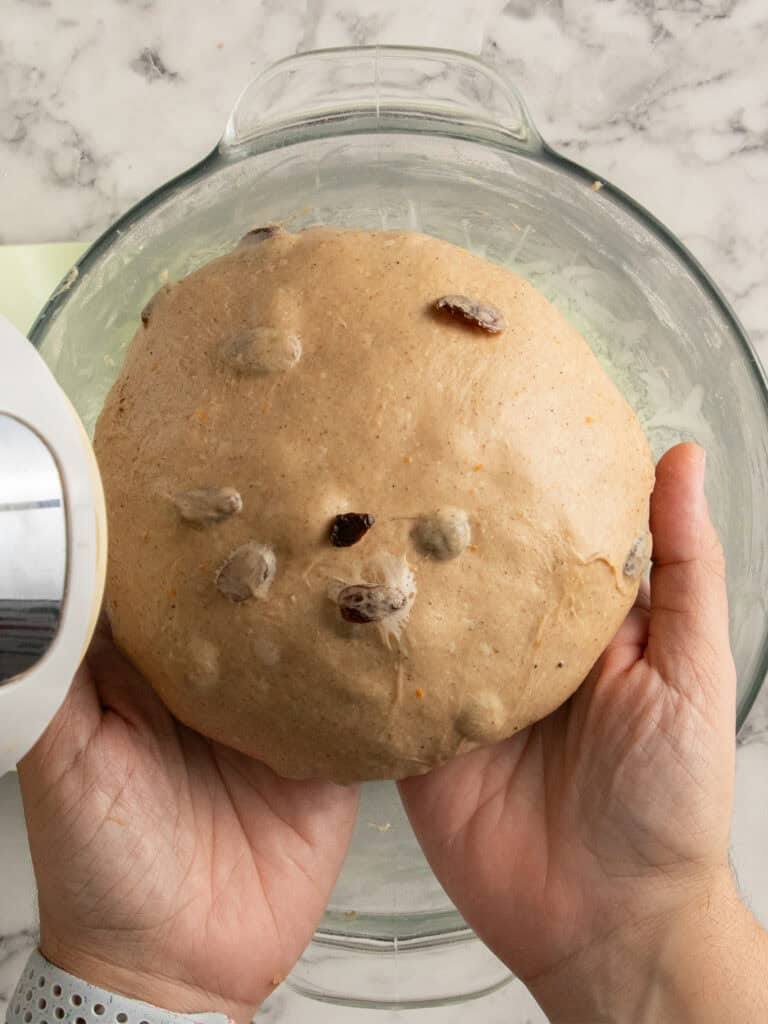
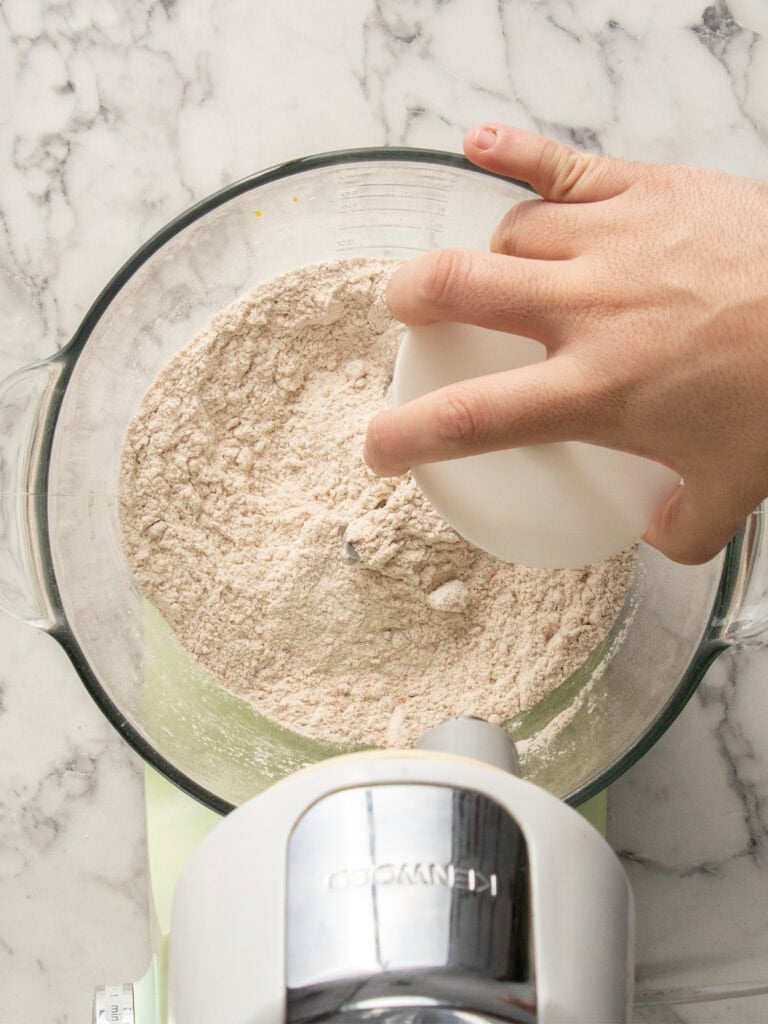
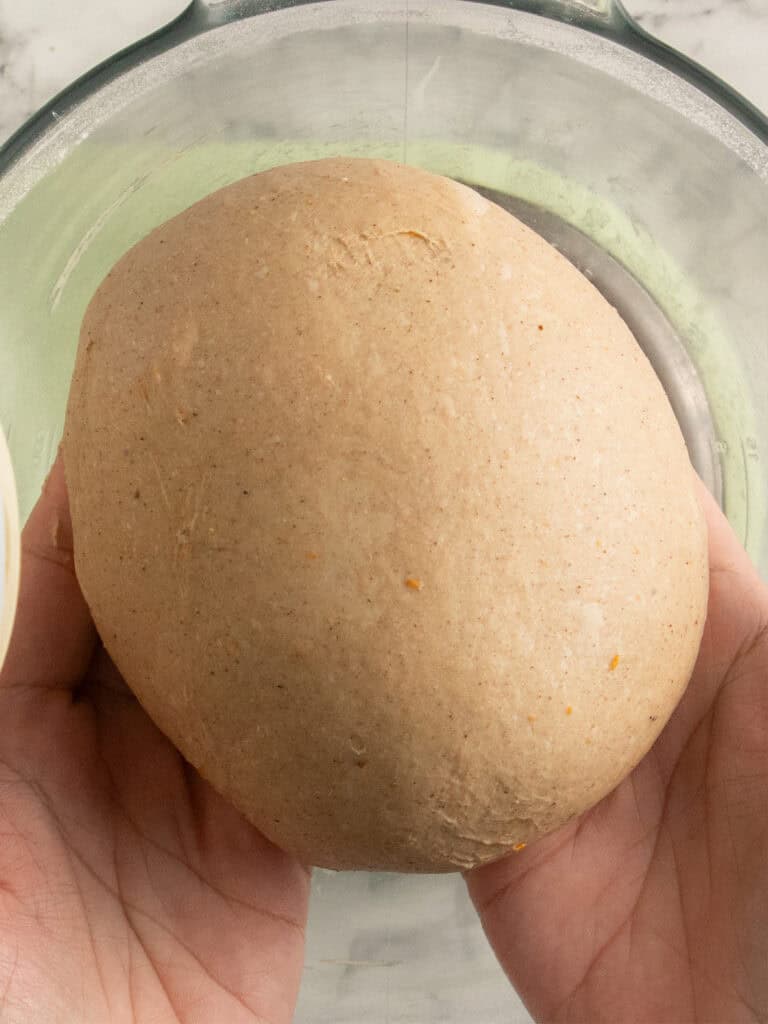
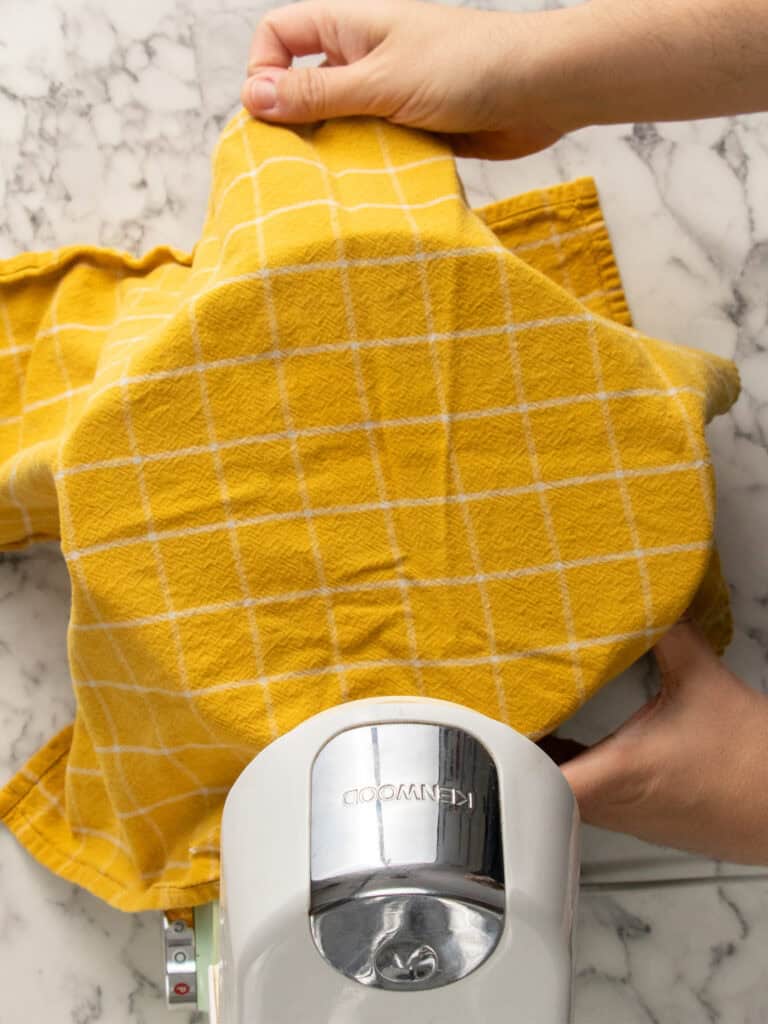
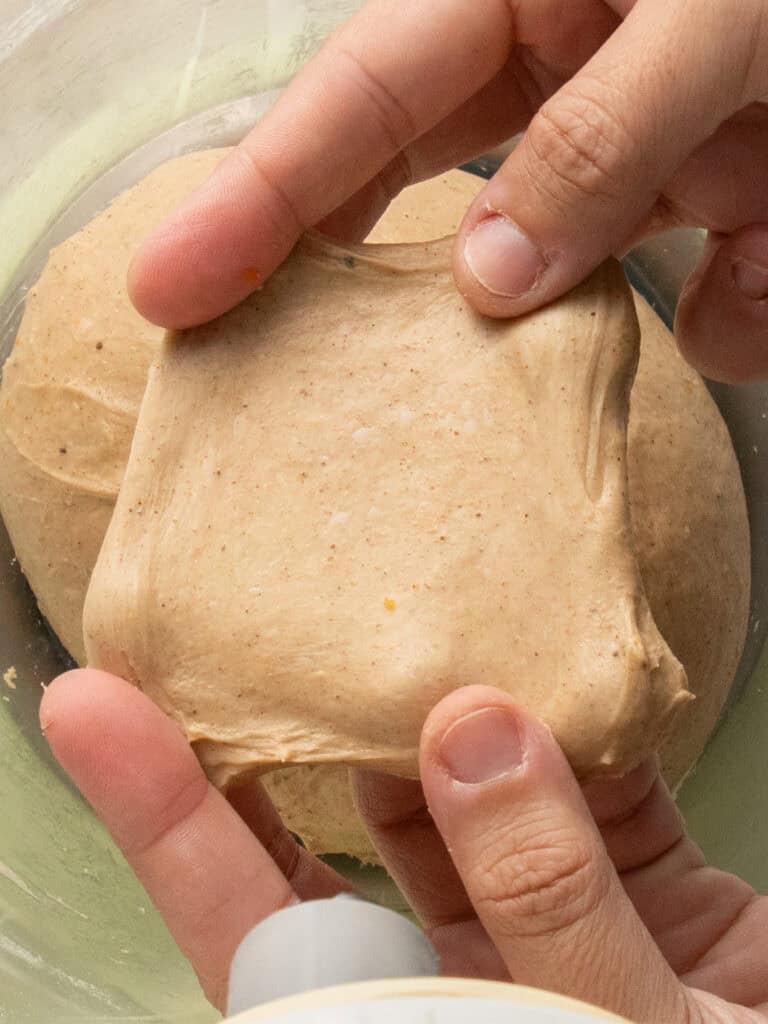
The dough is an enriched variety, utilizing eggs and butter to provide richness and structure. The kneading process is the most critical stage of the mechanical work. Using a stand mixer, the dough must be worked until it reaches the "windowpane" stage—a point where a small piece of dough can be stretched thin enough to let light through without tearing. This indicates that the gluten network is sufficiently developed to trap the gases produced during proofing.
Phase 3: The Cold Fermentation
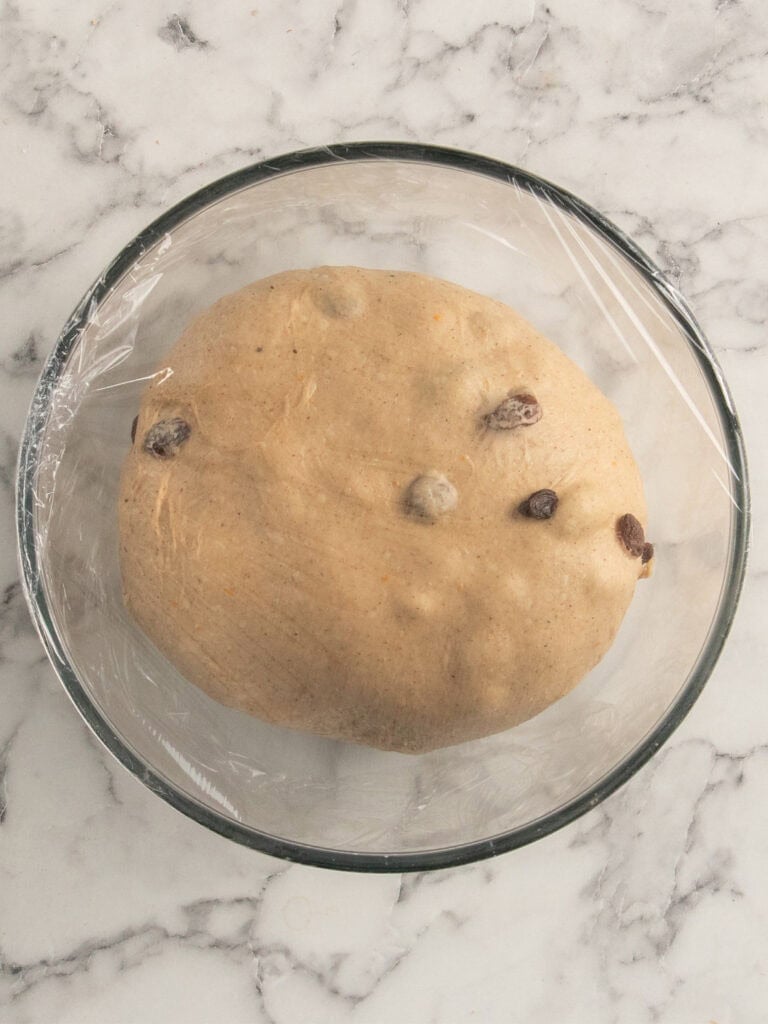
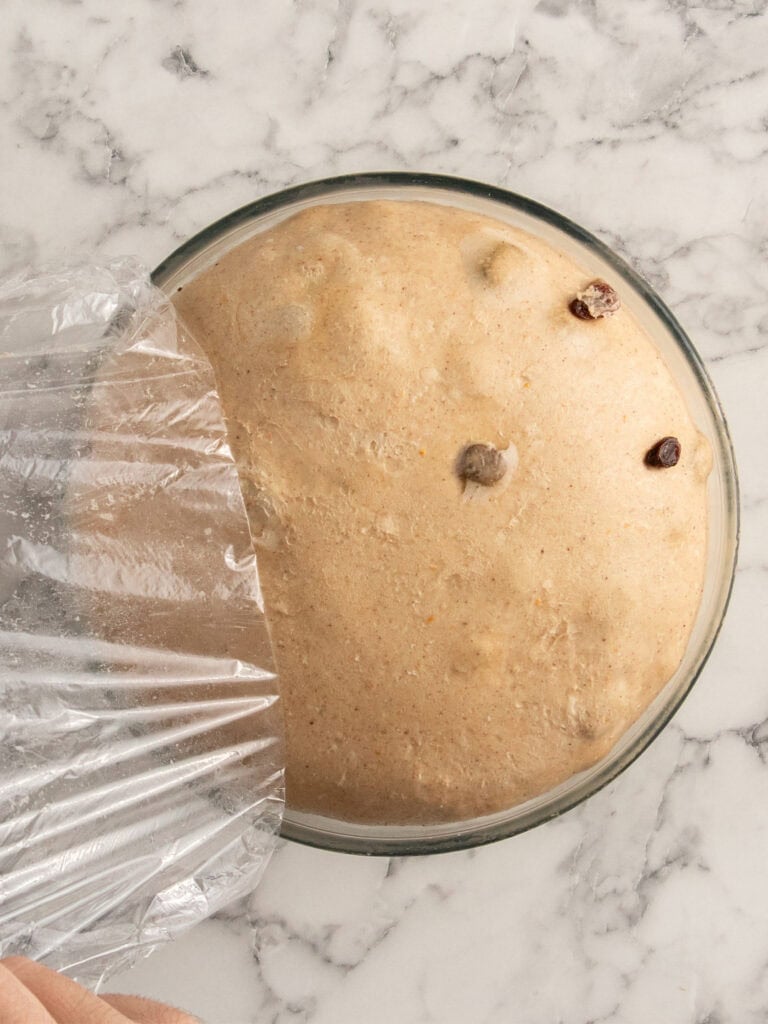
While many recipes advocate for a quick rise, the most flavor-forward buns undergo a slow, cold fermentation. After an initial room-temperature proof, the dough is moved to the refrigerator for at least four hours, though overnight is preferred. This slow rise allows the yeast to work steadily, developing deep, complex flavors that simply cannot be achieved in a two-hour cycle.
Phase 4: Shaping and Final Proof
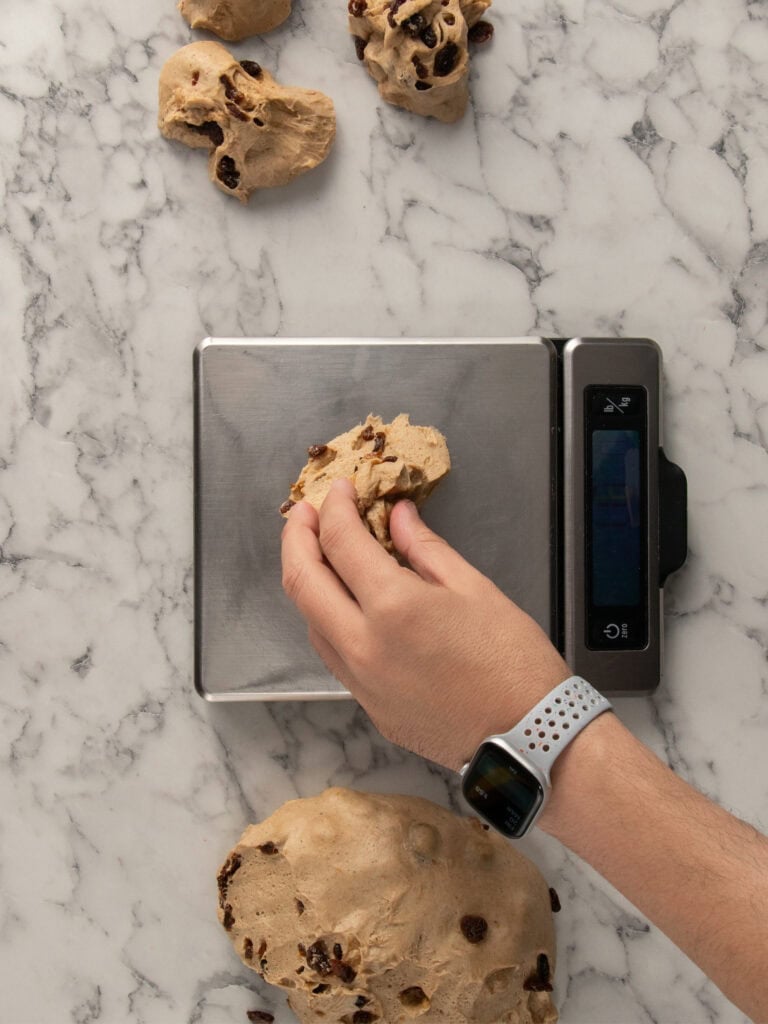
Once chilled, the dough becomes significantly easier to handle. Portioning the dough into consistent, weighed balls ensures an even bake. The final shaping—tucking the edges underneath to create a smooth, taut surface—is essential for the iconic "domed" look of a professional bun.
Supporting Data and Technical Requirements
Success in baking is rarely a matter of luck; it is a matter of adherence to specific technical parameters. For those looking to replicate this level of quality, attention to detail is paramount.
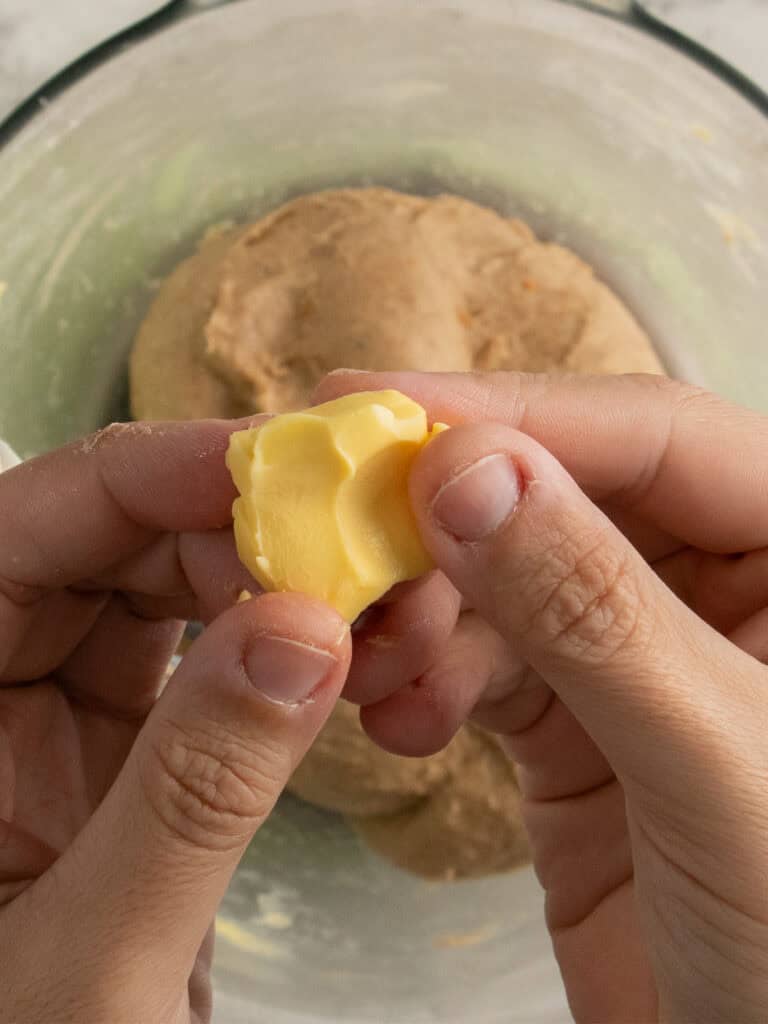
- Temperature Management: Softened butter should be exactly 18°C (65°F). If it is too soft, the dough will become greasy and heavy; if it is too cold, it will not incorporate into the dough properly.
- The Windowpane Test: Never rely solely on a timer. Different mixers—whether planetary or spiral—apply varying degrees of friction. A spiral mixer, for instance, develops gluten significantly faster than a traditional dough hook. Always check for the physical texture of the dough.
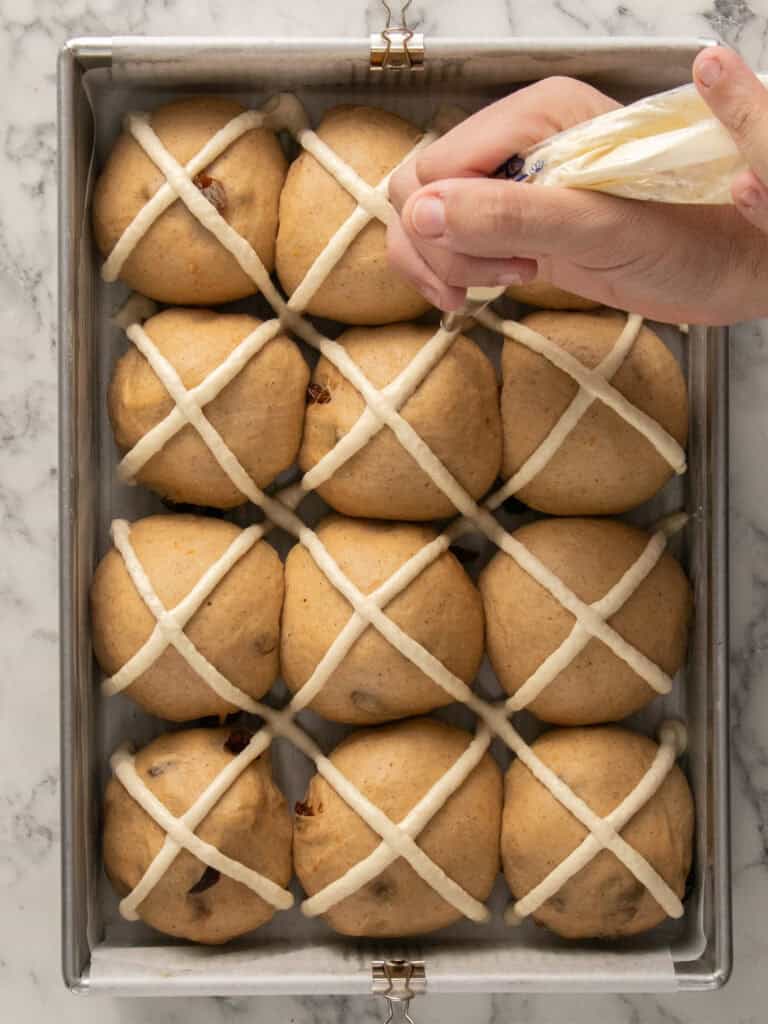
- The Cross: The signature cross on top of the bun is created using a simple flour-and-water paste. This should be made immediately before piping. Making the paste too far in advance allows gluten to develop, which will cause the paste to pipe out in a lumpy, uneven manner.
Implications for the Home Baker
The adoption of professional techniques like the Tangzhong method has significant implications for the home kitchen. It bridges the gap between commercial production and domestic baking, empowering individuals to create products that possess the shelf-life and sensory appeal of high-end artisan bakeries.
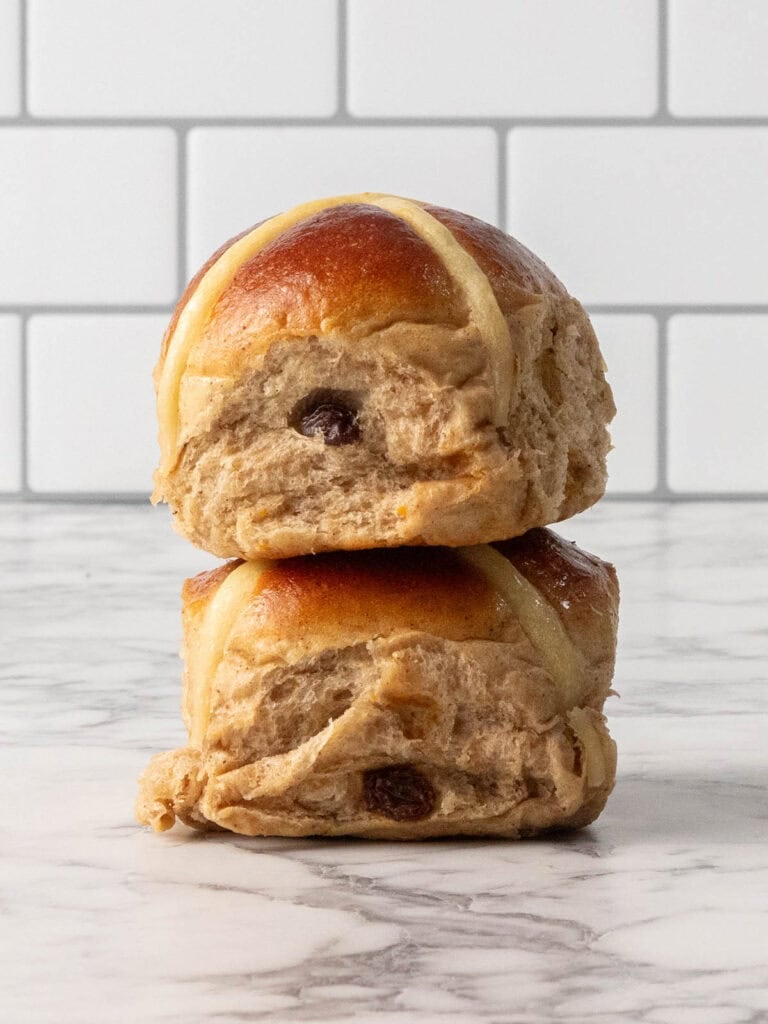
Moreover, the "Hot Cross Bun Law"—the insistence that these buns be torn by hand rather than sliced with a knife—highlights the importance of texture. A bun made with this method is structurally soft enough to tear, revealing a delicate interior that, when paired with a half-centimeter slice of cold, salted butter, creates a contrast in temperature and texture that is central to the eating experience.

Expert Perspective: Why Enriched Doughs Demand Respect
According to professional pastry chefs, the most common mistake home bakers make is rushing the process. Enriched doughs, which contain high levels of fat, are inherently heavier than lean breads (like baguettes). They require more time to proof and more strength in the gluten structure to hold their shape.
By utilizing bread flour, which has a higher protein content, and respecting the 10-minute rest period after the initial knead, the baker allows the gluten to relax. This relaxation is vital; it ensures the dough can expand during the bake without rupturing. When the dough is forced to rise before it is ready, or when it is not kneaded sufficiently, the result is a dense, "bready" texture that lacks the airy, light finish of a premium bun.
A Note on Variations
While the traditional spiced, fruit-laden bun remains the gold standard, the underlying science remains adaptable. The same Tangzhong method can be applied to chocolate-heavy versions, where the addition of cocoa powder and dark chocolate chunks replaces some of the traditional fruit. The principles remain identical: the Tangzhong keeps the cocoa-heavy dough from drying out, while the slow, cold fermentation balances the sweetness of the chocolate with the savory notes of the fermented yeast.
Final Considerations for the Aspiring Baker
To successfully master this recipe, the baker must view the kitchen as a laboratory. The use of digital scales is not a suggestion but a requirement; volume-based measurements are notoriously unreliable due to the packing density of flour.
Furthermore, the glazing process—simmering orange juice, sugar, and a cinnamon stick—serves as more than just a decorative finish. It provides a protective barrier that seals in moisture and adds a secondary layer of aromatic complexity. When brushed onto the hot buns immediately upon exiting the oven, the glaze creates that signature sheen that makes a hot cross bun instantly recognizable.
By focusing on these specific, evidence-based steps, the home baker can move beyond the frustration of store-bought alternatives. The result is not just a seasonal treat, but a masterclass in the science of baking, delivered directly from the oven to the table. Whether you are a novice or a seasoned hand in the kitchen, the integration of these techniques offers a clear, repeatable path to achieving the perfect, buttery, soft-for-days hot cross bun.

 Ali Ikhwan