 Dwi Wanna
 Nana Wu
 Muslim
 Reynand Wu
 Ammar Sabilarrohman
 Asro
Asro
For decades, the term "permaculture" conjured images of sprawling, multi-acre homesteads tucked away in the countryside, far removed from the constraints of suburban cul-de-sacs or urban row houses. However, a quiet revolution is taking root in our backyards. Brandy Hall, a leading voice in the regenerative movement and founder of the landscaping firm Shades of Green Permaculture, is proving that the principles of deep ecology aren’t just for the agrarian elite—they are the blueprint for a healthier, more sustainable future for every homeowner.
Main Facts: The Shift Toward Regenerative Landscaping
At its core, permaculture is a design philosophy that mimics the patterns and relationships found in nature. Rather than imposing rigid structures onto the land, it seeks to work with the natural flow of energy, water, and life. Hall’s work bridges the gap between theoretical ecology and practical landscaping, helping clients transform sterile lawns into functional, living ecosystems.

The primary objective of this movement is to move away from "extractive" landscaping—where resources like chemical fertilizers, city water, and excessive labor are poured into a yard—and toward "regenerative" systems. These are landscapes that, once established, provide for themselves, sequester carbon, and restore biodiversity. From capturing rainwater to creating "guilds" of plants that support one another, Hall’s approach turns the backyard into a powerhouse of ecological utility.
Chronology of a Paradigm Shift
The interest in home permaculture has seen a significant surge over the past several years, catalyzed by growing concerns over climate volatility and the health impacts of industrial agriculture.

- The Foundational Phase: The rise of organic gardening in the early 2000s laid the groundwork, educating homeowners about the risks of synthetic pesticides.
- The Design Integration Phase: As climate data became more granular, landscape designers like Hall began moving beyond "organic" to "permaculture," emphasizing the systemic design of water management and soil health rather than just the absence of chemicals.
- The Modern Era: Today, we are seeing a shift where suburban homeowners are actively seeking to mitigate their ecological footprint. With the publication of works like The Complete Guide to Home Permaculture, the methodology has moved from niche hobbyism to a mainstream movement, with homeowners now treating their land as a vital piece of the local environment rather than a purely aesthetic backdrop.
Supporting Data: Why Small-Scale Matters
While one backyard might seem insignificant in the face of global climate change, the cumulative effect of suburban land use is profound. In the United States, turf grass is the single largest irrigated crop by surface area. By replacing even a fraction of this monoculture with permaculture principles, homeowners can unlock massive environmental benefits:
- Water Retention: Through swales, rain gardens, and increased organic matter in the soil, residential landscapes can act as sponges, reducing the burden on municipal stormwater systems and preventing erosion.
- Carbon Sequestration: Perennial plantings, hedgerows, and deep-rooted native species trap significantly more carbon than mowed grass.
- Chemical Reduction: By utilizing biological pest control—attracting beneficial insects through diverse planting—the reliance on synthetic pesticides, which often leach into local watersheds, is drastically minimized.
- Biological Connectivity: A series of permaculture-friendly yards creates "corridors" for pollinators and local wildlife, essential for maintaining urban and suburban biodiversity.
Official Responses and Expert Insight
In a recent conversation regarding the intersection of her work and the broader agricultural landscape, Brandy Hall addressed the misconception that permaculture is an "all-or-nothing" commitment.

"At its core, permaculture is about relationships," Hall explained. "For farms and homeowners alike, it doesn’t have to mean a complete overhaul. It starts with observation. Where is water moving across the land? How can we slow it, spread it, and sink it? How can we keep soil covered year-round?"
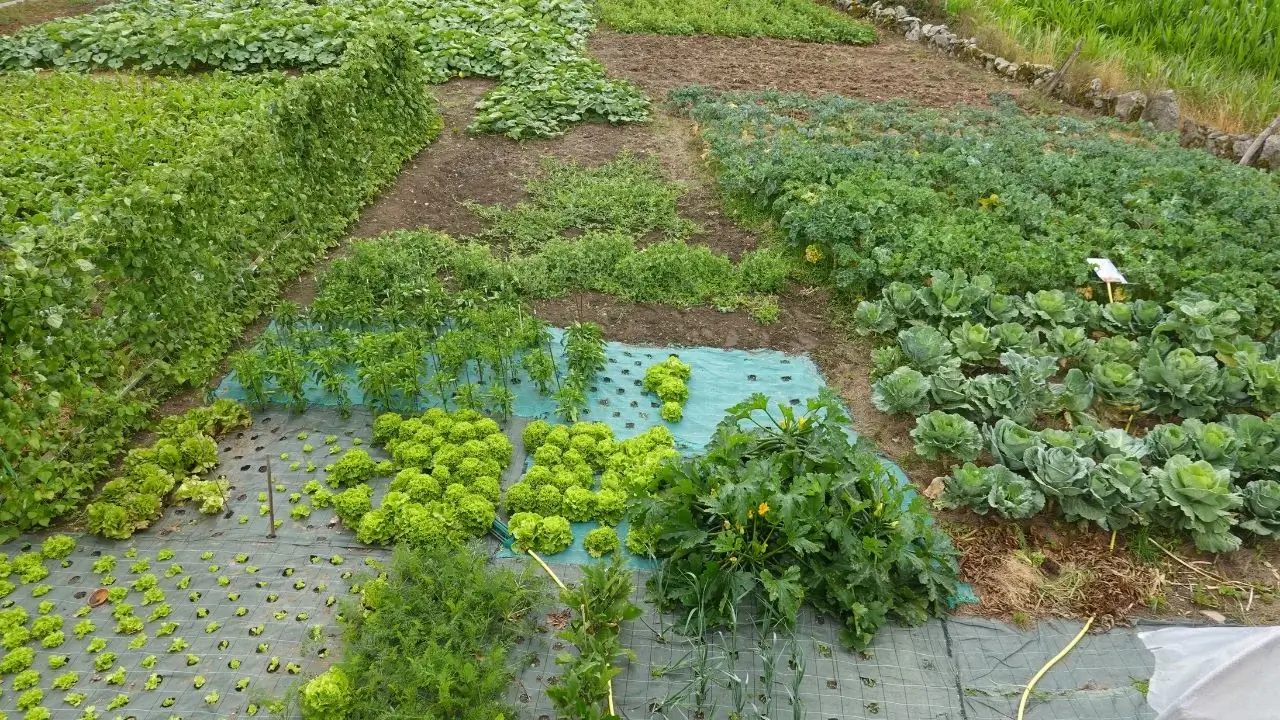
Hall emphasizes that the "regenerative" label is not just a trend but a necessary evolution in how we interact with the Earth. "A regenerative farm or garden is one that is building life rather than extracting from it. You’ll see diversity like polycultures instead of monocrops. You’ll see soil that is alive—dark, structured, and full of microbial activity. It’s not about perfection; it’s about building resilience season by season."
Addressing Industrial Influence
One of the most pressing questions for growers situated near conventional, large-scale industrial farms is how to mitigate chemical drift and soil degradation. Hall suggests that the permaculture approach provides a robust defense: "Buffering is a big one. Hedgerows, windbreaks, and densely planted edges can help reduce chemical drift and provide a physical and ecological boundary. These edges are often underutilized, but they can do a tremendous amount of work."
Implications for the Future
The shift toward permaculture has deep implications for both personal health and community structure. Hall’s own origin story—rooted in the personal and family health challenges caused by exposure to industrial herbicides—serves as a stark reminder that the way we treat our soil directly impacts the way we live in our homes.
Teaching the Next Generation
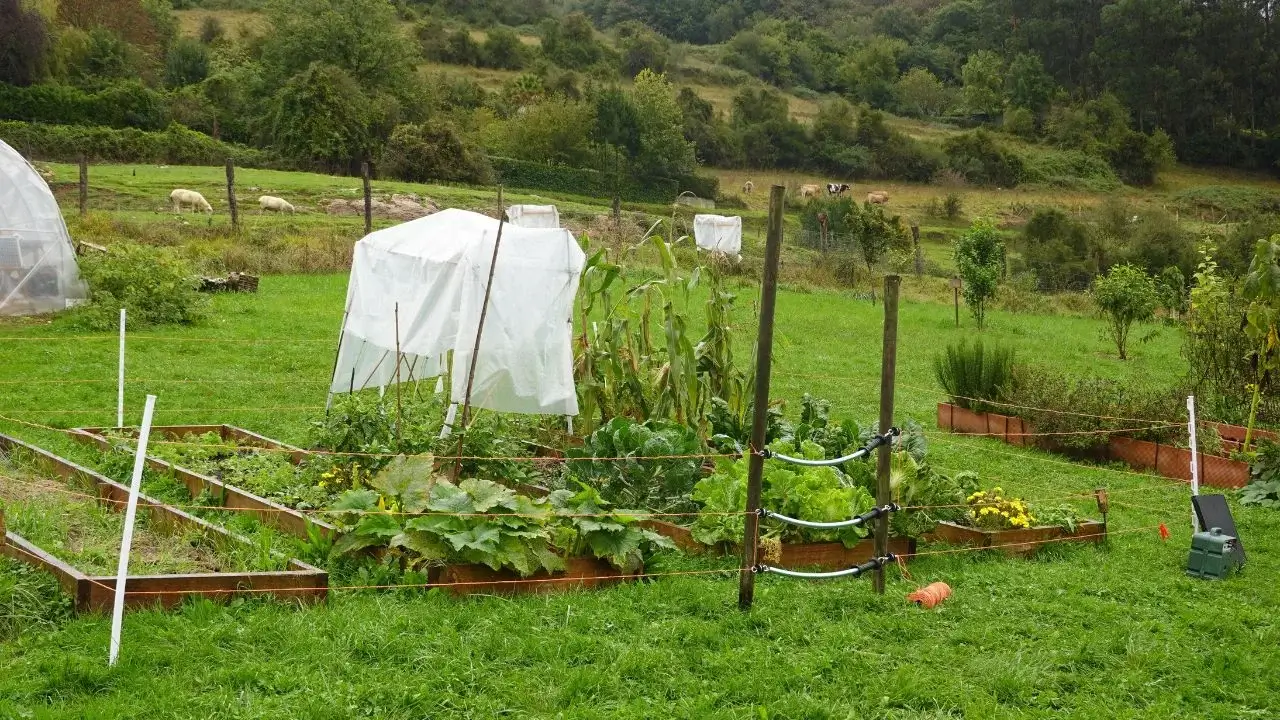
Perhaps the most significant implication of this movement is the pedagogical shift. Hall advocates for a move away from the desire to "control" the landscape toward a model of "observing and responding."
"We’ve inherited a model that often prioritizes short-term yield over long-term health," says Hall. "Regenerative work asks us to take a longer view. It asks us to understand that we are part of a living system, not separate from it. If we can teach the next generation how to read the land—to notice changes in soil, in water, and in plant health—we are setting them up to not just sustain the land, but to restore it."
Building a Resilient Food System
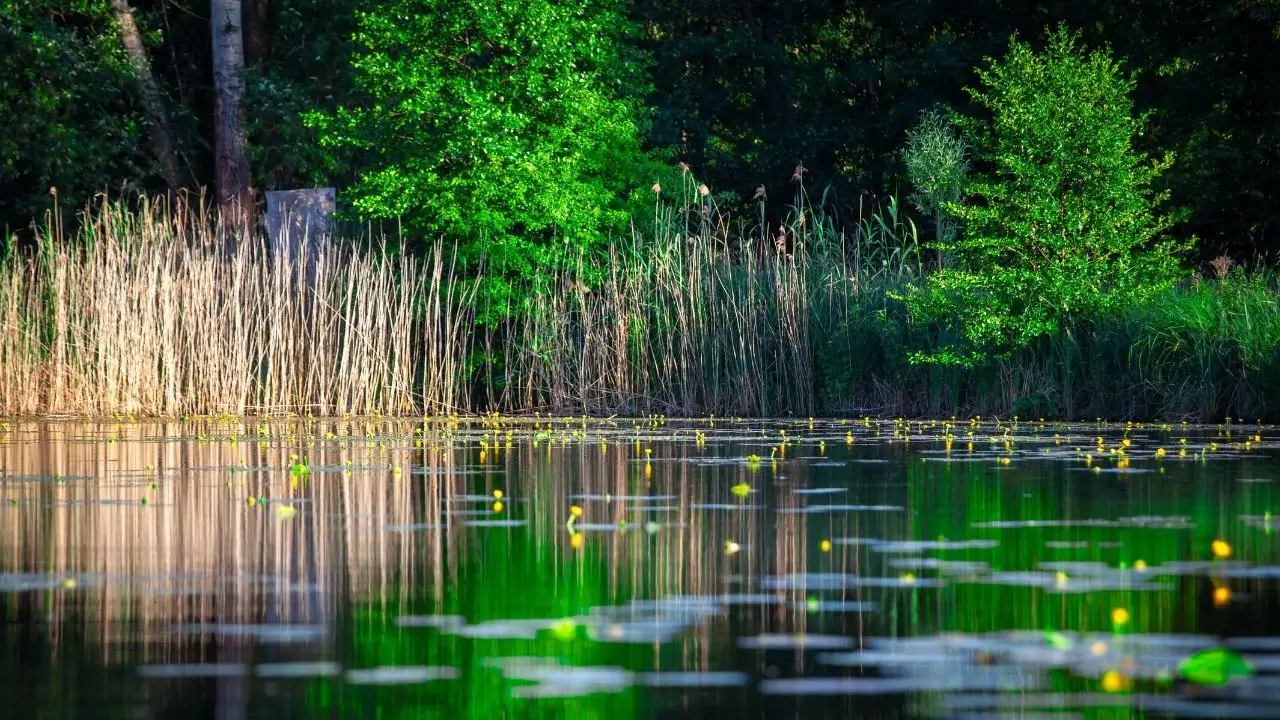
As municipal water supplies face increasing pressure, the practical application of Hall’s "slow, spread, and sink" water management strategy is becoming a necessity rather than a luxury. By transforming backyards into small-scale water-harvesting systems, individuals are becoming active participants in regional water conservation.
Furthermore, the social implications of permaculture are significant. As neighborhoods adopt these practices, the landscape itself becomes a "model" for others. "When neighbors begin to see land that is productive, resilient, and not reliant on heavy chemical inputs, it shifts perspectives over time," Hall notes. "Lead by example."

Conclusion: A Living Legacy
Brandy Hall’s work serves as a reminder that the most radical change often happens on a local scale. By re-imagining our backyards not as static lawns, but as dynamic, productive ecosystems, we do more than just grow food or conserve water. We participate in a broader, necessary cultural transition.
As we look toward an increasingly unpredictable ecological future, the principles of permaculture—observation, resilience, and stewardship—offer a path forward that is grounded in reality and dedicated to growth. Whether you are managing hundreds of acres or a small plot in the city, the invitation remains the same: step outside, watch how the water moves, and begin the work of building a landscape that gives back as much as it receives.


 Azzam Bilal Chamdy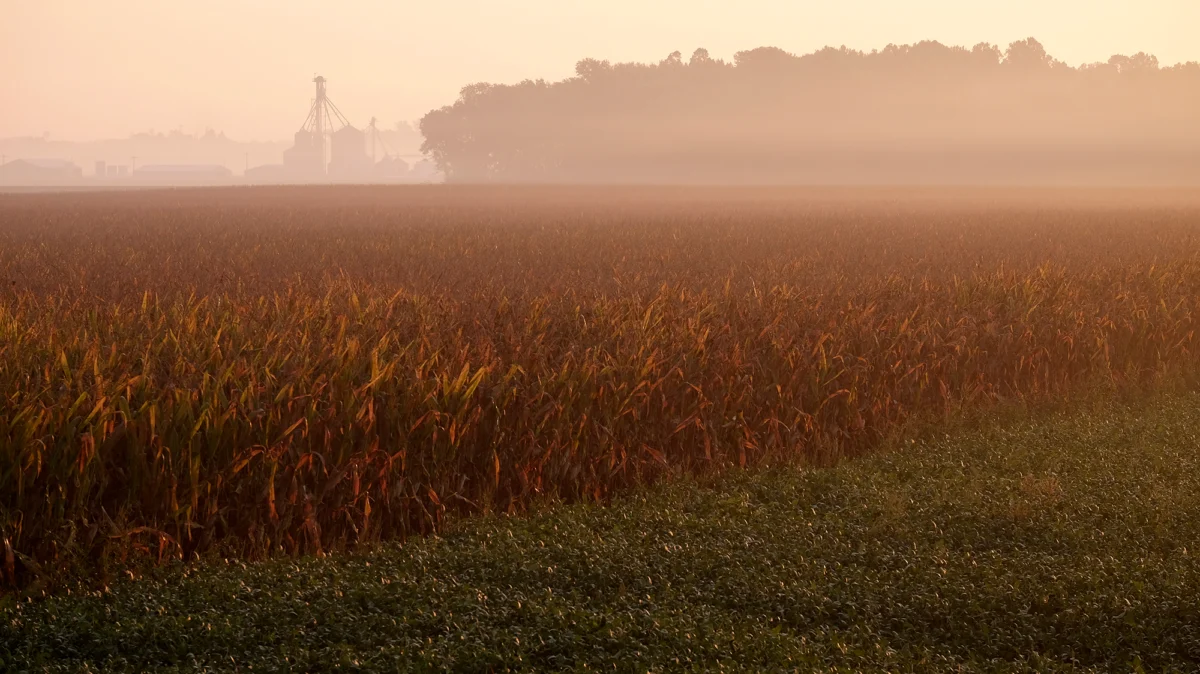
 Ali Ikhwan