
 Dwi Wanna
 Nana Wu
 Muslim
 Reynand Wu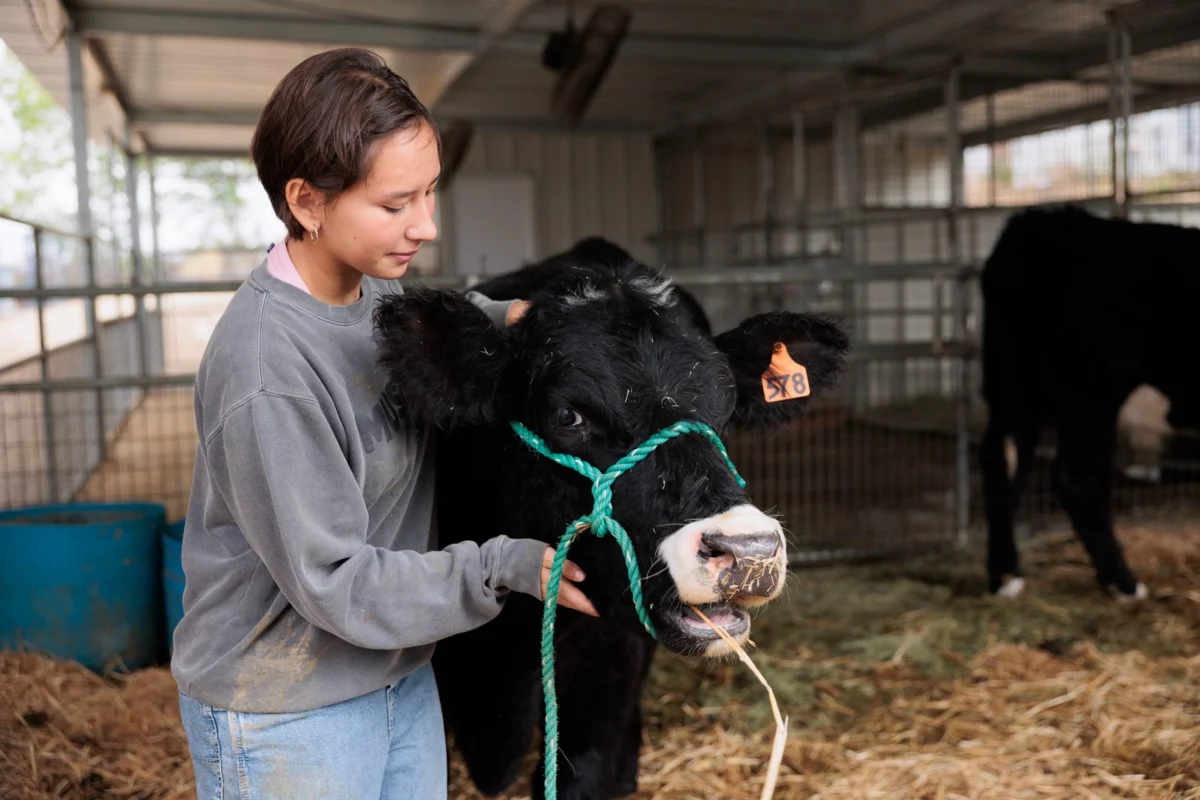
 Ammar Sabilarrohman
 Ali Ikhwan
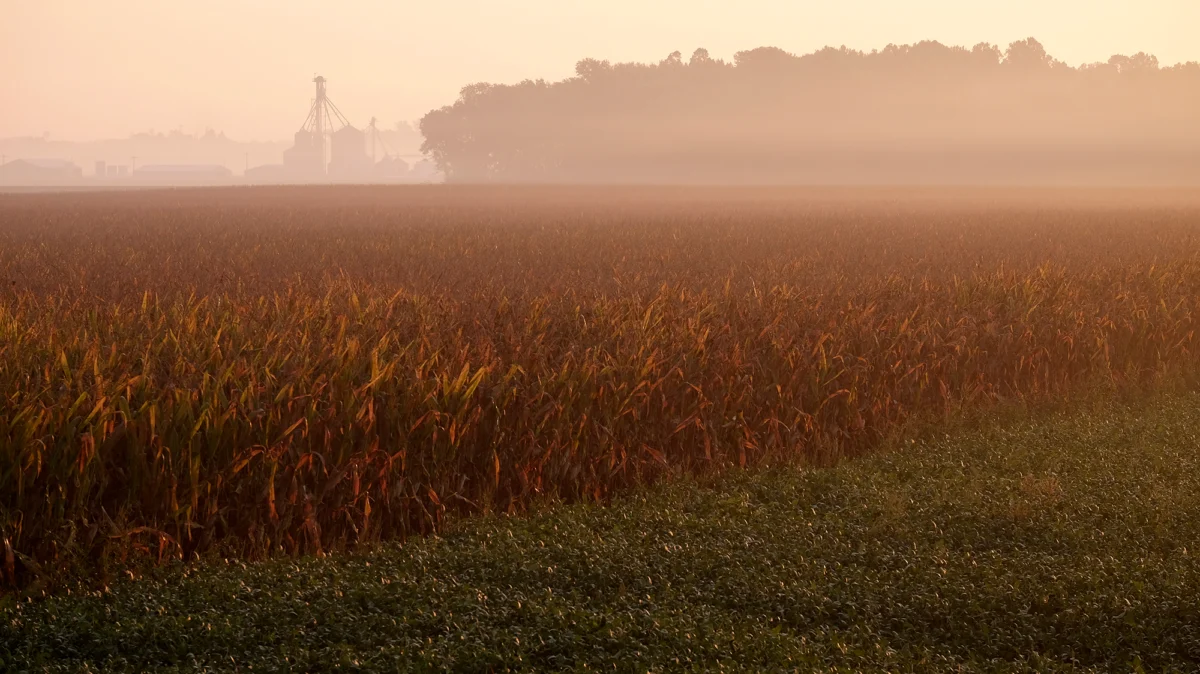
The British countryside, long defined by its patchwork of hedgerows, organic fields, and traditional agricultural practices, stands at a critical juncture. For decades, the UK maintained a rigorous stance against genetically modified (GM) crops, bolstered by public skepticism and a regulatory framework that prioritised caution. However, a seismic shift in policy—culminating in the 2023 Genetic Technology (Precision Breeding) Act and subsequent 2025 secondary regulations—has fundamentally altered the landscape.
Patrick Holden, CEO of the Sustainable Food Trust and a veteran of the 1990s anti-GMO movement, warns that these legislative changes represent a profound threat to food sovereignty. As he prepares to serve as a co-claimant in a high-stakes judicial review, the core question remains: have we sleepwalked into a new era of food production without the public consent that previously defined our national policy?
The Evolution of Resistance: A Chronology of UK GMO Policy
To understand the gravity of the current situation, one must look back at the origins of the UK’s anti-GMO stance.
- The Late 1990s: The "GM debate" was a defining feature of British public life. Led by figures like Patrick Holden and organisations such as the Soil Association, the campaign succeeded in keeping genetically modified crops out of the UK. The strategy was not a total ban, but rather the implementation of stringent regulatory and labelling requirements that made commercial cultivation commercially unviable.
- The Post-Brexit Pivot: Following the 2016 referendum, the political landscape shifted. Under the banner of the "unfrozen moment," government officials sought to decouple the UK from European Union regulations. Proponents argued that EU rules were stifling innovation, specifically regarding gene editing.
- 2023: The Genetic Technology (Precision Breeding) Act was signed into law. This legislation established a new category for "precision bred" organisms, effectively exempting them from the rigorous, time-consuming assessments previously required for GMOs.
- 2025: Secondary regulations were introduced, codifying the rules for the commercial growth and sale of these precision-bred crops.
- Present Day: A judicial review, initiated by Beyond GM and supported by a coalition of advocates, challenges the validity of these regulations, arguing that they bypass essential consumer and farmer protections.
Supporting Data: Why "Precision Breeding" is Not Just "Better Science"
The industry narrative—repeatedly echoed by government proponents—suggests that gene editing (GE) is simply a more precise version of traditional cross-breeding. They argue that because GE often modifies a plant’s own genetic material rather than introducing "transgenic" DNA from unrelated species, it is inherently safer.
However, scientific critics and organic advocacy groups highlight significant gaps in this narrative:
- Off-target effects: Even with CRISPR and other gene-editing tools, the process can result in "off-target" mutations—unintended changes elsewhere in the genome that could have unforeseen consequences on plant physiology or nutritional content.
- The Ecological Argument: Opponents argue that the release of gene-edited organisms into the environment poses a threat to biodiversity. The potential for cross-pollination between gene-edited crops and wild relatives remains a scientifically documented concern that current legislation fails to adequately mitigate.
- The Transparency Deficit: A critical component of the 1990s victory was the public’s "right to know." The current framework significantly weakens labelling requirements. If consumers cannot distinguish between conventionally grown crops and precision-bred ones, the fundamental principle of informed consent is effectively dismantled.
The Silence of the Stakeholders: A Call for Accountability
Perhaps the most troubling aspect of the current situation, according to Holden, is the relative silence from organisations that were once the loudest voices in the room. The National Farmers’ Union (NFU), major environmental NGOs, and even consumer advocacy groups have largely refrained from mounting a vocal campaign against the recent legislative changes.
Holden suggests this silence stems from a "failure of comprehension" regarding the technical nature of the legislation. "The shift from primary law to secondary regulation is technical," he notes. "The distinction between what we have lost and what remains to be fought for is difficult to communicate in the bullet-point world of social media."
This creates a vacuum where lobbying interests—driven by the vision of Britain as a global leader in agricultural biotechnology—face little opposition. By the time the implications of these regulations manifest in the food chain, the legal and regulatory window for meaningful intervention may have closed entirely.

Implications: The Three Fundamental Rights at Stake
The judicial review, set for a hearing this May, is not merely a legal technicality. It centers on the protection of three fundamental rights that the current framework is accused of violating:
1. The Right of Farmers to Choose
Many farmers, particularly those in the organic and high-welfare sectors, rely on the "non-GM" status of their produce to access premium markets. The introduction of precision-bred crops into the wider landscape creates a risk of biological contamination. If gene-edited pollen spreads to non-GM fields, the organic farmer loses their certification and, by extension, their livelihood.
2. The Right of Consumers to Know
The removal of mandatory, clear labelling for gene-edited products strips the consumer of their agency. Without this information, individuals lose the ability to vote with their wallets, making it impossible to support, or avoid, the new wave of agricultural technology.
3. The Right of the Natural World
The precautionary principle, which historically guided UK environmental policy, dictates that when an action has a suspected risk of causing harm to the public or the environment, the burden of proof falls on those taking the action. The current regulatory framework effectively reverses this, allowing for the widespread release of gene-edited crops before the long-term ecological consequences are fully understood.
A Path Forward: The Legal Challenge
The judicial review, spearheaded by Beyond GM, represents a last-ditch effort to bring these concerns before the courts. The case is built on the premise that the government has failed to provide adequate safeguards in its rush to implement the new regime.
For the Sustainable Food Trust and its allies, the objective is to force a re-evaluation of the secondary regulations. They contend that the legislation, as it stands, is a violation of the spirit—and potentially the letter—of established law regarding the environmental and human health risks associated with genetic modification.
As Patrick Holden concludes, this is not an abstract debate for academics or politicians. It is an immediate, practical struggle for the integrity of our food systems. "The water is now very close to boiling," he warns. For the coalition of groups now fighting in the courts, the outcome of this case will determine whether the UK remains a nation that values transparency and ecological caution, or one that sacrifices those values at the altar of rapid, untested agricultural innovation.
For those interested in supporting the legal challenge, the "Stop Hidden GMOs" fighting fund remains active via CrowdJustice. Detailed evidence and ongoing updates on the court proceedings can be accessed through the Beyond GM portal.

 Azzam Bilal Chamdy