

 Nana Wu

 Dwi Wanna
 Suro Senen
 Evan Lee Salim
 Raul Delapena Setiawan
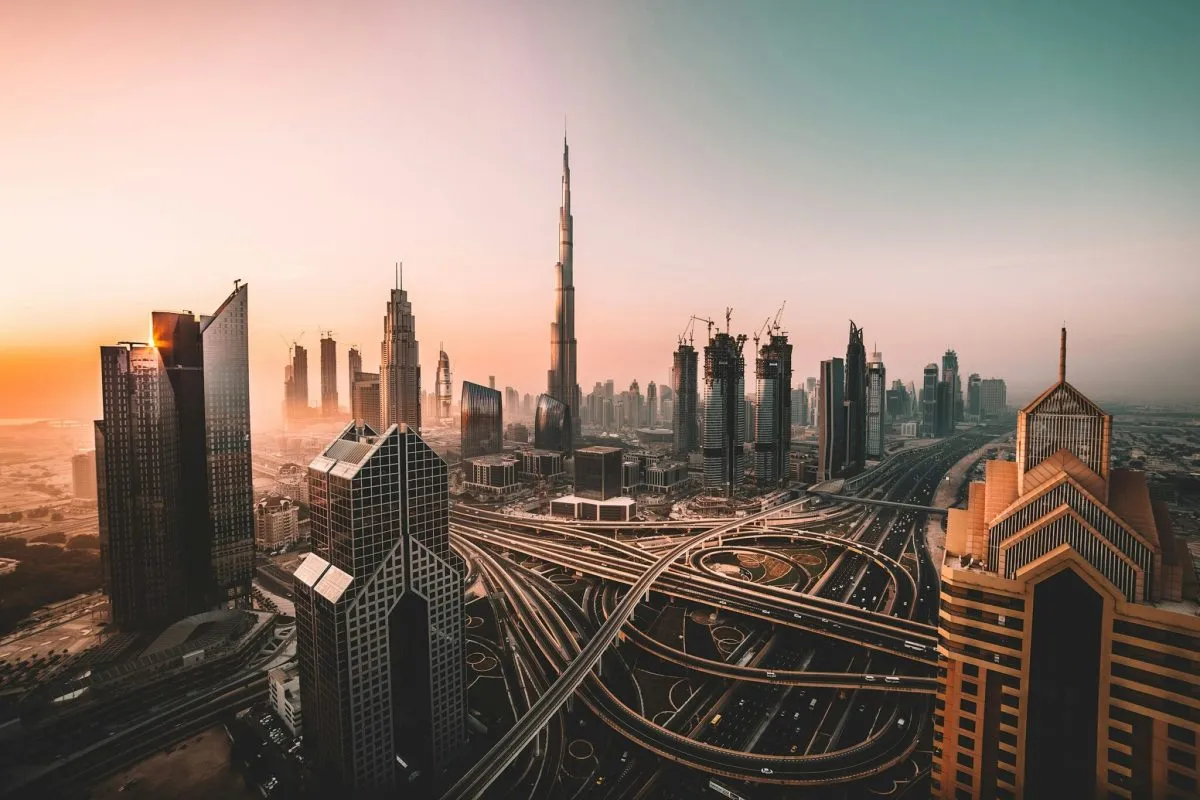
The United Arab Emirates (UAE), long celebrated as a premier global hub for luxury tourism and business travel, is currently navigating a period of significant recalibration. As global geopolitical tensions and fluctuating aviation costs reshape international travel patterns, the hospitality sector in the UAE is shifting its focus away from traditional long-haul markets in favor of regional powerhouse economies.
For hotel operators like IHCL (the parent company of the iconic Taj brand), the current landscape requires a pragmatic approach to occupancy and revenue management. By prioritizing short-haul markets—specifically India, China, and Russia—the UAE is looking to insulate its tourism sector from the volatility of global airfare inflation and geopolitical instability.
The Strategic Shift: A Focus on Short-Haul Resilience
In the wake of persistent geopolitical friction, most notably the ongoing U.S.-Iran tensions that have clouded regional stability, the UAE’s hospitality sector has been forced to adapt. The primary challenge currently facing hoteliers is the skyrocketing cost of aviation fuel, which has pushed long-haul airfares to record highs.
"We’re targeting short-haul markets like India, China, and Russia, that are a five- to six-hour flight away," explains Saurabh Tiwari, vice president for the Middle East, Maldives, and Sri Lanka at IHCL. "Since jet fuel prices are more expensive than before, it is hard to expect people to come from long-haul markets like the Americas or Australia. Attracting visitors from long-haul markets is currently a matter of wishful thinking."
This shift is not merely a reactionary measure; it is a calculated effort to maintain steady occupancy rates by tapping into high-growth, high-volume markets that remain within a comfortable flight radius.
Chronology: The Evolution of UAE Tourism Post-Pandemic
To understand the current pivot, one must look at the timeline of the UAE’s tourism recovery:
- 2020–2021 (The Pandemic Reset): The UAE was among the first nations to reopen its borders, positioning itself as a "safe haven" during the global health crisis. This period saw a surge in long-haul travelers seeking destinations that remained open.
- 2022 (The Post-COVID Boom): As global travel resumed, Dubai saw record-breaking occupancy rates, fueled by revenge travel from Europe and the Americas.
- 2023 (The Geopolitical Shift): Escalating regional tensions, particularly concerning the U.S.-Iran dynamic, began to influence travel sentiment. While the UAE remained secure, the perception of risk led to a softening in demand from Western markets.
- 2024 (The Cost-of-Travel Crisis): Persistent inflation and high jet fuel costs have made intercontinental travel significantly more expensive, leading the UAE to double down on the "short-haul-first" strategy currently defining the market.
Supporting Data: Why India, China, and Russia?
The decision to focus on these specific markets is backed by robust data. India, in particular, has emerged as the most reliable source market for the UAE.
1. The Indian Market Advantage
India’s proximity to the UAE, coupled with a rapidly growing middle class and improved flight connectivity, makes it an ideal target. During the recent period of uncertainty, Indian tourist numbers have remained resilient. The relative affordability of short-haul flights compared to trans-Atlantic or trans-Pacific travel has kept demand high.
2. The China and Russia Rebound
Following the reopening of Chinese borders and the diversification of Russian outbound tourism, the UAE has become a primary beneficiary. Both nations have seen increased flight frequency to Dubai and Abu Dhabi, as tourists from these regions seek luxury experiences that are geographically accessible.
3. Pricing Sensitivity
Industry data suggests that the average daily rate (ADR) in Dubai remains competitive, but when the cost of a long-haul flight is added, the total cost of a holiday becomes prohibitive for many middle-class travelers. By focusing on markets where the flight cost is a smaller percentage of the total vacation budget, hoteliers are effectively lowering the barrier to entry for prospective guests.
Official Responses and Industry Outlook
Industry leaders are speaking openly about the need for a "new normal." While the luxury market in the UAE will always cater to global elites, the volume-based business—the core of the hotel industry—must look elsewhere.
"India has been our most reliable source market through the crisis," Tiwari noted. "Because of its accessibility and lower flight prices compared to long-haul destinations, we are seeing a consistent flow of guests that keeps our properties vibrant even when the Western European or American market experiences a lull."
Furthermore, there is a conscious effort to make Dubai more accessible. Increased competition among budget-conscious carriers and the expansion of secondary hotel brands in the UAE are making the city more affordable for travelers who previously considered the destination "out of reach."
Implications: The Long-Term Vision for UAE Tourism
The shift toward short-haul markets has profound implications for the future of the UAE tourism landscape.
1. Diversification of the Guest Profile
For years, the UAE was heavily reliant on the UK, Germany, and the US. By pivoting to the East, the UAE is creating a more balanced portfolio of source markets. This reduces the risk of being overly dependent on the economic cycles of Western nations.
2. Infrastructure Development
The focus on short-haul markets may accelerate infrastructure development that serves regional connectivity. This includes not just larger airports, but also improvements in local transportation, visa-on-arrival programs for Indian and Chinese nationals, and customized hospitality experiences tailored to the cultural preferences of these key demographics.
3. Competitive Pricing Strategies
As the UAE seeks to maintain its status as a top-tier destination, the competition among hotels will likely lead to more competitive pricing packages. We can expect to see an increase in "staycation" deals, bundled flight-and-hotel packages, and more aggressive marketing campaigns in Mumbai, Shanghai, and Moscow.
4. Navigating Geopolitical Uncertainty
The "short-haul" strategy also acts as a buffer against geopolitical instability. If tension flares in the Middle East, travelers from closer markets are often more familiar with the regional context and less likely to be deterred by sensationalist media coverage compared to travelers from the Americas or Australia.
Conclusion: A New Chapter for Dubai Hospitality
The hospitality landscape in the UAE is currently defined by adaptability. While the allure of global, long-haul travel remains a goal for the future, the current reality demands a focus on what is reachable and sustainable.
By leveraging the growth potential of India, China, and Russia, the UAE is not only insulating its tourism sector from the immediate shocks of high fuel costs and geopolitical tensions but is also building a foundation for a more diverse and resilient industry. As travelers continue to seek luxury, safety, and convenience, the UAE remains uniquely positioned to capture that demand, provided it continues to refine its strategy to meet the realities of a changing global economy.
For hoteliers like IHCL, the message is clear: success in the current climate is found by meeting the guest halfway—quite literally. By focusing on the five-to-six-hour flight radius, the UAE is ensuring that its skyline remains a beacon for global travelers, regardless of how the wind blows in the wider geopolitical sphere.

 Ammar Sabilarrohman