 Lina Hope
 Jia Lissa

 Pevita Pearce

 Ammar Sabilarrohman

 Iffa Jayyana
As the year-end travel season approaches—a period typically characterized by bustling airports, sold-out hotel rooms, and vibrant street markets—the tourism landscape across Southeast Asia is facing a significant, recurring adversary. A thick, hazardous shroud of haze, fueled by relentless forest and peatland fires in Indonesia, has once again drifted across borders, casting a shadow over the economies of Malaysia and Singapore.
The environmental crisis has moved beyond a public health concern, rapidly evolving into a major economic disruptor. With flight cancellations mounting, tour itineraries being slashed, and travelers reconsidering their plans, the region’s tourism recovery is hitting a severe, smog-filled roadblock.
The Current Landscape: A Season of Cancellations
The impact on the ground is immediate and quantifiable. In Malaysia, inbound tour operators are reporting a surge in November cancellations. This is a critical blow for a sector that relies heavily on late-year travel to bolster annual performance.
Mohd Khalid Harun, president of the Malaysia Tourism Agency Association (MATA), did not mince words when speaking to Skift. “We are seeing reports of reduced bookings and cancellations among some inbound tour operators, particularly for November travel,” he noted, highlighting a growing trend of apprehension among international visitors who are prioritizing health and visibility over their planned Southeast Asian excursions.
The disruption is not limited to Malaysia. In Indonesia, the source of the smog, the aviation sector is reeling. Reports indicate that over 2,600 domestic flights have been disrupted, grounded by the hazardous air quality that has rendered visibility dangerously low. Meanwhile, in Singapore, the iconic outdoor sightseeing itineraries that form the backbone of the city-state’s tourism appeal are being cut short or canceled, as the air quality index (AQI) fluctuates between "unhealthy" and "hazardous" levels.
Chronology of the Crisis: A Recurring Pattern
The current crisis did not arrive overnight. It is the culmination of months of wildfires across Indonesia, which have been exacerbated by climatic patterns and land-management practices.
- Early Q3: Dry conditions began to settle over Sumatra and Kalimantan, providing the tinderbox for seasonal slash-and-burn activities.
- Late September: Fire hotspots began to multiply, with early plumes of smoke drifting toward the Malacca Strait.
- October Peak: The situation reached a critical point. By mid-October, the regional air quality hit a nadir, with Jakarta, Kuala Lumpur, and Singapore simultaneously appearing on lists of the world’s most polluted cities.
- November Ongoing: As the monsoon transition period slows down, the haze has persisted, affecting the crucial "shoulder season" for regional travel.
This timeline reflects a recurring "haze season" that has plagued the ASEAN region for decades. However, the intensity of this year’s fires has reignited tensions regarding regional air quality management and the enforcement of environmental regulations.
Supporting Data: The Economic Toll
The tourism sector is arguably the most sensitive to air quality issues. Unlike industrial or manufacturing sectors, which can sometimes mitigate the impact of smoke, tourism is a product of "experience and aesthetics."
The Malaysia Context
Malaysia’s tourism board, under the "Visit Malaysia" banner, had set an ambitious target of 47 million international visitors for the year. Even before the first wisps of smoke crossed the border, analysts had suggested that this goal was overly optimistic given global economic headwinds and shifts in travel patterns. The arrival of the haze has effectively shuttered any hope of approaching these figures.
Aviation and Logistics
The 2,600 disrupted flights in Indonesia represent more than just a logistical headache. They signify lost revenue for airlines, fuel costs associated with diverted flights, and the massive expense of rebooking thousands of passengers. In the aviation industry, margins are razor-thin; these disruptions often lead to direct losses that can erode an airline’s quarterly profitability.
Health and Productivity
Beyond the direct tourism numbers, the haze impacts the "workability" of a destination. When residents and staff are advised to stay indoors, service standards drop, and the vibrancy of the "street life"—a major draw for tourists in Kuala Lumpur and Singapore—is replaced by empty walkways and shuttered outdoor cafes.
Official Responses and Regional Diplomacy
The haze has traditionally been a point of friction in ASEAN diplomacy. The "ASEAN Agreement on Transboundary Haze Pollution" remains the primary framework for cooperation, yet critics argue that enforcement mechanisms remain weak.
In Indonesia, officials have stepped up efforts to deploy water-bombing aircraft and cloud-seeding operations to combat the fires. However, the sheer scale of the peatland fires—which smolder underground and are notoriously difficult to extinguish—means that progress is often slow.
In Malaysia and Singapore, government agencies have issued repeated health advisories. In Singapore, the National Environment Agency (NEA) has been active in providing real-time data, while Malaysian health authorities have mobilized to ensure that clinics are prepared for a surge in respiratory illnesses.
However, there is a growing demand from the tourism industry for a more proactive regional strategy. Industry bodies like MATA are calling for better communication from governments regarding the safety of travel, arguing that blanket "do not travel" warnings can be more damaging than the haze itself. The challenge for these governments is finding a balance between transparency regarding public health and preventing a total collapse of the tourism economy.
Implications: The Long-Term Outlook
The haze is not merely a seasonal nuisance; it is a structural threat to the region’s long-term tourism strategy.
1. Reputation Management
Southeast Asia’s brand is built on tropical sunshine, lush landscapes, and open-air experiences. If the region becomes synonymous with "smog seasons," it risks losing market share to competing destinations in the Pacific or Europe, where seasonal air quality is more predictable.
2. Climate Change and Infrastructure
As global temperatures rise, the conditions that allow these fires to flourish are likely to become more frequent. This forces tourism operators to invest in infrastructure that can mitigate these issues—such as advanced air purification systems in hotels, malls, and public spaces—which in turn increases the cost of travel and puts pressure on tourism providers to raise prices.
3. The Shift in Traveler Behavior
Modern travelers are increasingly risk-averse. The ease of online booking and the ubiquity of real-time air quality apps mean that tourists are now making last-minute decisions to cancel trips based on data that was previously unavailable to them. This "data-driven avoidance" is a new challenge that the region must address.
4. Need for Policy Reform
The persistent nature of the haze suggests that tourism-dependent nations must diversify their economies or, at the very least, advocate more aggressively for regional environmental policy. Tourism boards can no longer operate in a vacuum; they must become stakeholders in environmental policy, as the health of the planet is now directly linked to the health of their balance sheets.
Conclusion: Navigating the Smog
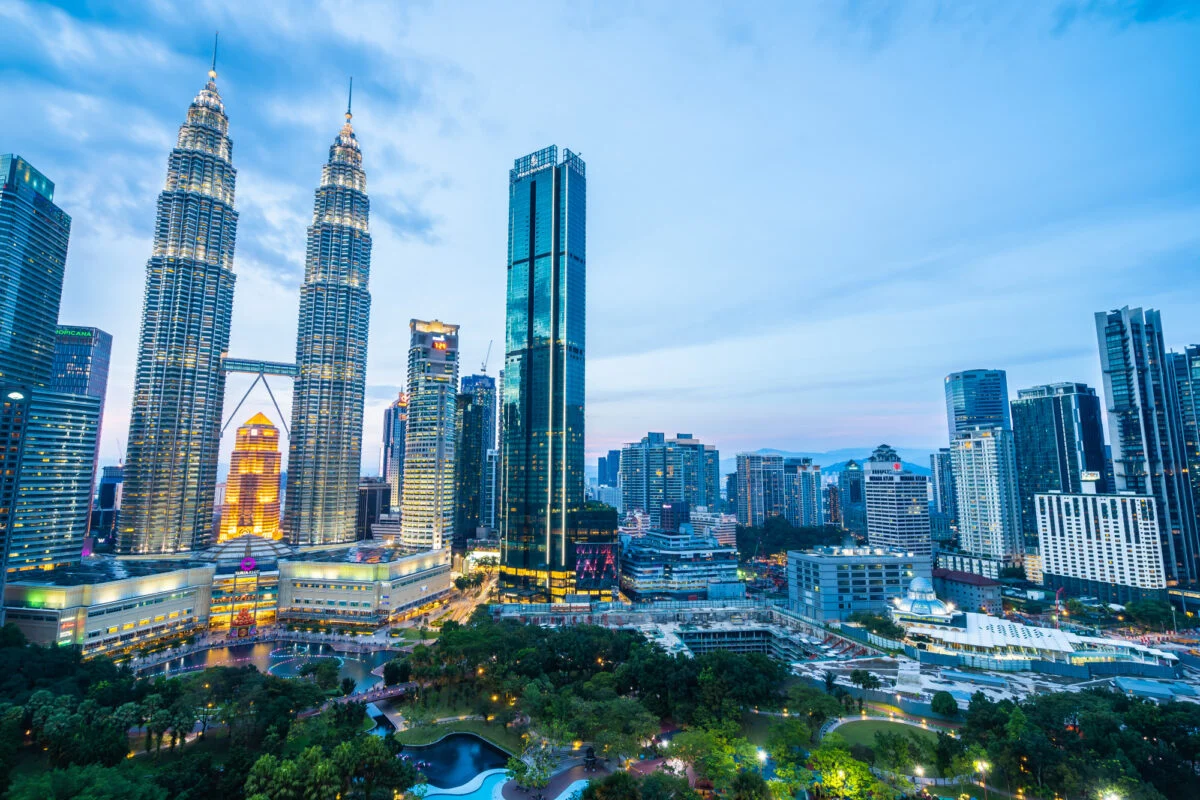
The images of a hazy Petronas Twin Towers, while striking, serve as a stark reminder of the fragility of the tourism sector. As the year-end travel peak looms, the industry in Malaysia, Singapore, and Indonesia is bracing for a challenging finish to 2025.
While the immediate focus is on managing the current crisis—rebooking flights, issuing refunds, and monitoring health outcomes—the broader conversation must shift toward sustainable land management and regional cooperation. Until the fires are contained at their source, the region’s tourism sector will continue to exist under a cloud, waiting for the winds of change to clear the air.
For now, travelers are advised to monitor official air quality indices and stay in close communication with their tour operators. For the nations involved, the message is clear: the path to tourism growth is paved with environmental stewardship. Without it, the "Visit Malaysia" dream—and the broader regional tourism ambition—will continue to be obscured by the smoke of a preventable crisis.