

 Nana Wu

 Dwi Wanna

 Suro Senen

 Evan Lee Salim

 Laily UPN
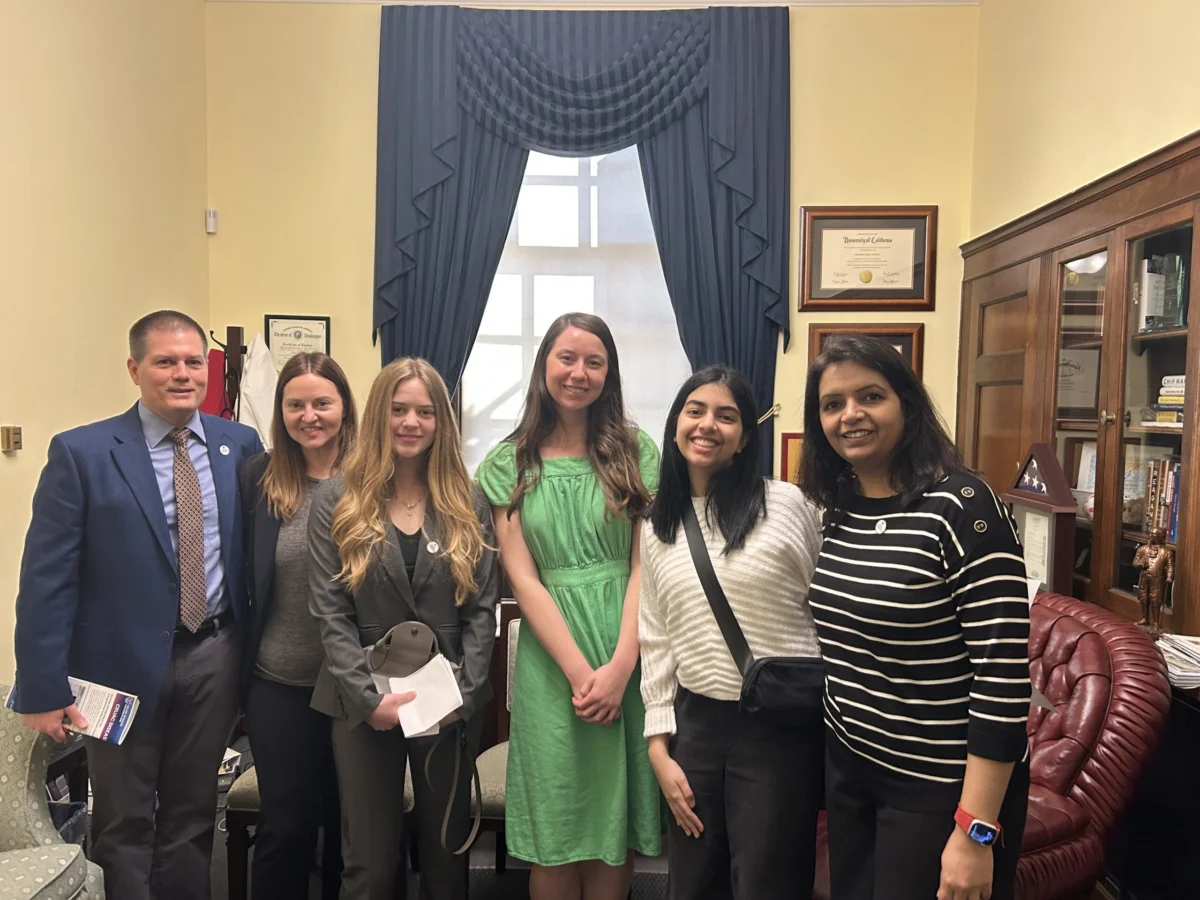
In the landscape of public health advocacy, the most resonant voices are often those that emerge from lived experience. For the Celiac Disease Foundation (CDF), the mission to push for better policies, improved diagnostic protocols, and equitable access to safe nutrition relies heavily on the courage of the community. Among these voices, 16-year-old Aadya S. of Sammamish, Washington, has emerged as a formidable force, proving that age is no barrier to influencing national policy.
Aadya’s journey—from a five-year-old diagnosed with a complex autoimmune condition to a delegate at the CDF Advocacy Summit and Hill Day in Washington, D.C.—serves as a blueprint for grassroots activism. By bridging the gap between personal struggle and legislative action, she is helping to shift the narrative surrounding celiac disease from one of "dietary preference" to one of "serious medical necessity."
The Reality of the Condition: Understanding the Stakes
Celiac disease is a systemic autoimmune disorder that affects approximately 1% of the global population. When an individual with celiac disease ingests gluten, their immune system triggers an inflammatory response that damages the lining of the small intestine. Despite its prevalence, the condition is frequently misunderstood, trivialized, or mismanaged in public spaces, particularly in educational institutions and the food service industry.
For patients like Aadya, the daily reality involves navigating a world where "gluten-free" is often treated as a lifestyle trend rather than a medically required standard. This misunderstanding leads to significant lapses in cross-contamination protocols, leaving patients at risk of chronic inflammation, nutrient malabsorption, and long-term health complications.
Chronology: A Path to Advocacy
Aadya’s path to the national stage began with the daily, often isolating, challenges of managing her health.
- Age 5: Aadya is diagnosed with celiac disease, marking the beginning of a lifelong commitment to label-reading and nutritional vigilance.
- The School Years: Through her formative years, Aadya experiences the systemic failures of public food infrastructure—being offered "safe" meals that were cross-contaminated or being told to "pick around" gluten-containing ingredients.
- The Turning Point: Driven by frustration and a desire for systemic change, she joins the Seattle Children’s Celiac Youth Leadership Council (CYLC). Here, she translates her personal frustrations into collaborative projects, learning how to articulate her needs to stakeholders and policymakers.
- The Essay Contest: The Seattle Children’s Celiac Disease Program announces an essay contest. Aadya submits two pieces: one detailing the socio-economic and safety barriers faced by celiac patients, and another highlighting her history of civic engagement. Her victory secures her a seat at the CDF Advocacy Summit.
- Hill Day (2026): Aadya travels to Washington, D.C., to meet with legislators, directly lobbying for the Medical Nutrition Therapy Act and increased federal attention toward celiac disease.
Supporting Data: The Economic and Health Disparity
Aadya’s advocacy is grounded in hard facts. Her research and writing highlight three critical pillars of the current celiac crisis:
1. The "Gluten-Free Tax"
One of the most persistent issues for families managing celiac disease is the cost of sustenance. Data consistently shows that gluten-free products can cost significantly more than their gluten-containing counterparts. For low-income families, this creates a dangerous dichotomy: the choice between financial stability and physical health. Aadya points out that safety should be a human right, not a luxury accessible only to those with the disposable income to afford premium gluten-free alternatives.
2. The Risk of Cross-Contamination
"Gluten-free" labels are currently inconsistently enforced. In schools and restaurants, the lack of mandatory, standardized cross-contamination training means that even "safe" options are often compromised. Aadya advocates for a shift in public health policy that treats cross-contamination with the same severity as other food-borne pathogens.
3. The Diagnostic Gap
During her time in Washington, D.C., Aadya was struck by the stories of other advocates, many of whom spent decades suffering from undiagnosed symptoms. This "diagnostic odyssey"—where patients cycle through various specialists before identifying celiac disease—leads to unnecessary suffering and the development of comorbid conditions, such as Type 1 diabetes and Hashimoto’s disease.
Official Responses and the Power of Personal Testimony
The impact of the CDF Advocacy Summit lies in the direct interaction between constituents and lawmakers. When advocates like Aadya enter a legislative office, they bring a human face to the clinical statistics.
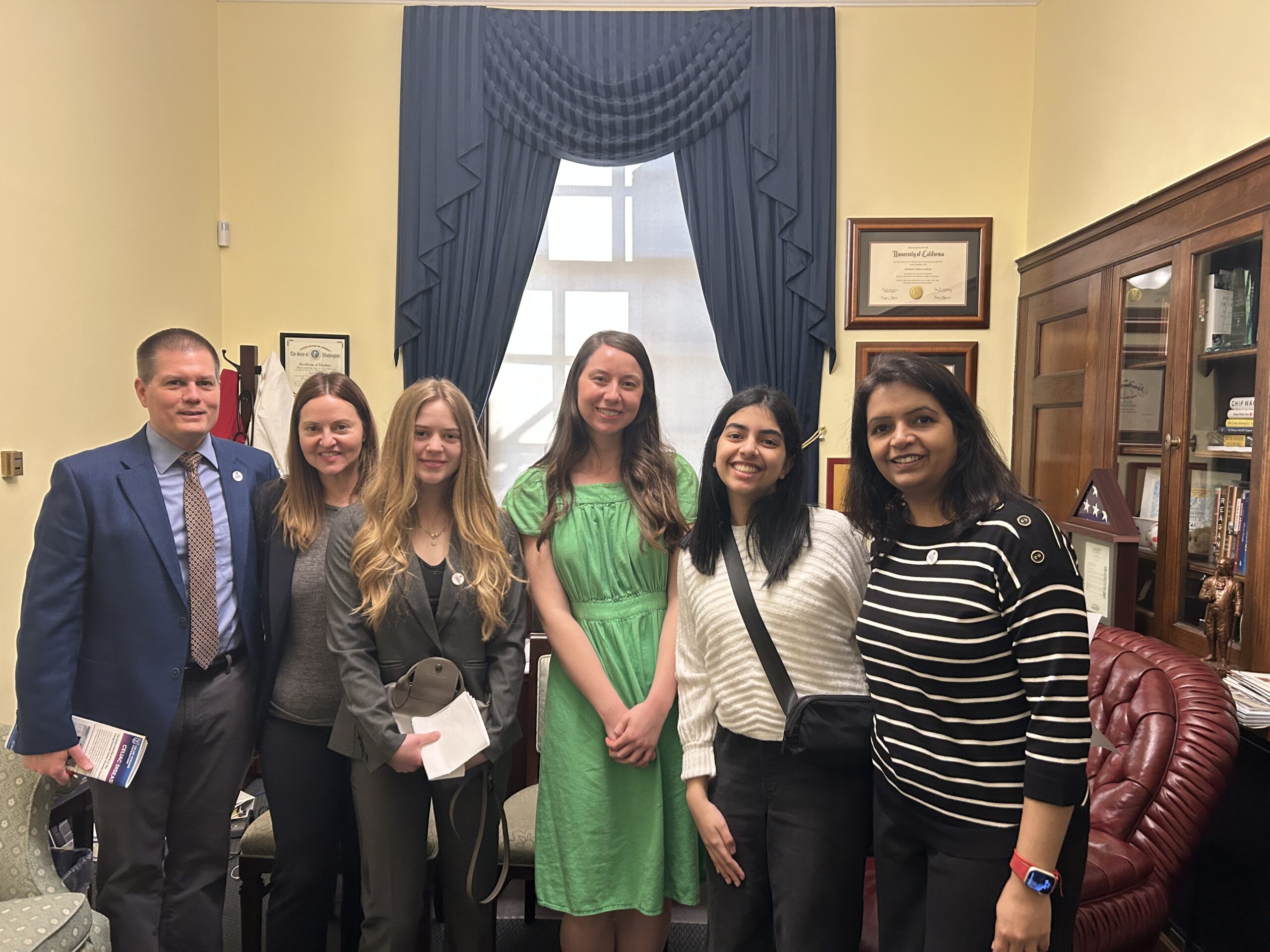
During one meeting with a Washington State Representative’s office, the interaction proved especially transformative. A staff member within the office shared their own struggle with celiac disease, creating an immediate connection that transcended political party lines. This moment underscored a vital lesson for the youth advocate: policymakers are often unaware of the nuances of autoimmune management until they are presented with real-world, localized examples.
"Sharing a personal experience can help them understand what celiac disease looks like beyond the statistics," Aadya noted. "You never know which part of your story may connect with someone or change how they understand an issue."
Implications: The Future of Celiac Advocacy
The work Aadya is doing has profound implications for the future of the autoimmune community. By focusing on the intersection of mental health, legislative reform, and equitable food access, she is expanding the scope of what it means to be an advocate.
The Shift Toward Mandatory Training
Aadya’s call for mandatory cross-contamination training in schools and public venues is gaining traction. If adopted as policy, such measures would ensure that children with celiac disease are not forced to "go hungry" or risk illness simply to participate in school-provided lunches.
Addressing the Mental Health Component
Beyond the physical health risks, Aadya has been vocal about the mental health toll of living with a chronic condition. The anxiety surrounding food, the fear of contamination, and the social isolation of being "the kid who can’t eat" are issues that rarely appear in medical literature but are central to the patient experience. Her advocacy for the inclusion of mental health support in celiac care is a critical evolution in the field.
Empowerment of the Next Generation
Perhaps the most lasting impact of Aadya’s work is the signal it sends to other young people. By demonstrating that one can testify in support of legislation—as she did with HB 2225 regarding AI chatbots—and leverage those skills to fight for health equity, she is building a pipeline of future leaders.
Conclusion: Authenticity as a Catalyst for Change
As the Celiac Disease Foundation continues its mission to fund research and provide patient support, the stories of advocates like Aadya S. serve as the engine of their progress. Her mantra—"By sharing your experience authentically, you can help others recognize why change is needed"—is a challenge to the entire community to step forward.
The path toward a world where celiac disease is effectively managed, properly diagnosed, and universally accommodated is long. However, with the dedication of young leaders who are willing to navigate the halls of government and speak truth to power, that future is becoming increasingly tangible. The message from Washington is clear: the most effective way to change a law is to first change a mind, and for Aadya S., that process begins with telling her story.
For those inspired by Aadya’s journey, the Celiac Disease Foundation encourages patients and families to reach out to their advocacy team at [email protected] to learn how to turn their own experiences into actionable, life-changing policy efforts.

 Asro
 Rifan Muazin

