

 Nana Wu

 Dwi Wanna

 Suro Senen

 Evan Lee Salim

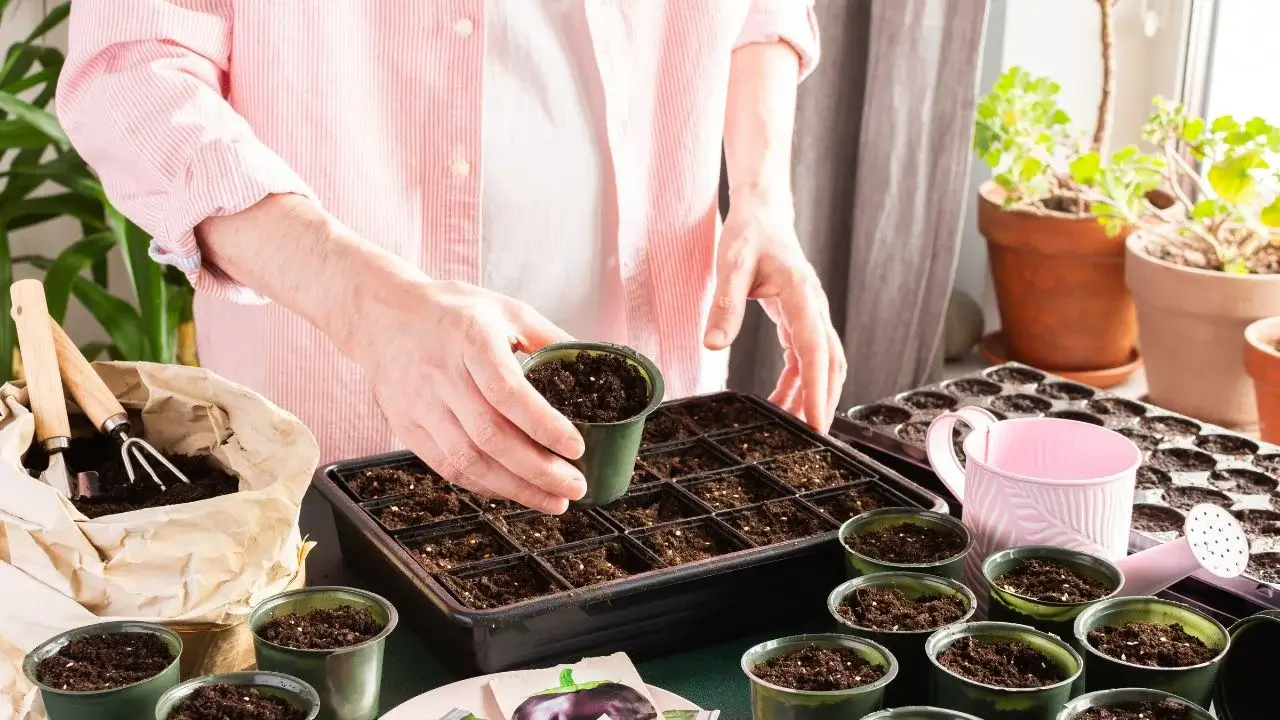
Tomatoes are arguably the crown jewel of the summer harvest. Whether you are a backyard enthusiast looking to fill your pantry or a market farmer aiming to impress customers with an array of vibrant heirlooms, the quality of your harvest begins long before the first fruit ripens on the vine. For growers across most of North America, where lingering winter frosts dictate the agricultural calendar, success hinges on the delicate art of indoor seed starting.
By mastering the process of indoor cultivation, growers can extend their season, ensure stronger plant development, and ultimately secure a more abundant yield. This guide explores the essential techniques—from selecting the right genetics to the fine-tuning of your indoor nursery—that will elevate your tomato-growing practice.
The Strategic Importance of Seed Starting
The decision to start tomatoes indoors is not merely a preference; it is a necessity driven by climate. While temperate growers in warmer regions may successfully direct-sow seeds once the soil has warmed, most of the continent requires a head start.

The Timeline for Success
For the average grower, the "goldilocks zone" for sowing tomato seeds is four to six weeks before the anticipated last frost date. Sowing too early can result in "leggy," root-bound plants that struggle to acclimate once moved outdoors; sowing too late risks a truncated harvest. Conversely, direct sowing should only be considered one to two weeks after the final frost has passed, ensuring the soil temperature is consistently conducive to germination.
1. Choosing the Right Variety: Genetics Matter
Before your hands ever touch the soil, you must select varieties tailored to your environment and end-use. Understanding the fundamental difference between growth habits is the first step in agricultural planning.
Determinate vs. Indeterminate
- Determinate Varieties: These are the "bush" tomatoes. They are genetically programmed to reach a specific height and produce their entire crop within a concentrated two- to three-week window. For farmers with shorter growing seasons or those looking to process large batches for canning, determinates are ideal. They are often more manageable and may require minimal staking.
- Indeterminate Varieties: These are the "vining" types that continue to grow, flower, and fruit until the first frost of autumn. They are essential for a continuous harvest throughout the summer. However, they require consistent pruning, support structures, and vigilant care.
Curating for Your Market
Beyond growth habits, consider the end-use. Are you looking for the rich, dense flesh of a paste tomato (like the San Marzano) for sauces, or the high-sugar, bite-sized appeal of a cherry tomato? Furthermore, consider the "marketability" of your crop. While red beefsteaks are standard, diversifying with unique heirlooms like the Green Zebra or the Yellow Pear can help a grower stand out at a competitive farmers’ market.

2. Optimizing Your Indoor Nursery
While many gardeners successfully start seeds in repurposed household containers, professionalizing your setup yields more consistent results.
The Case for Specialized Equipment
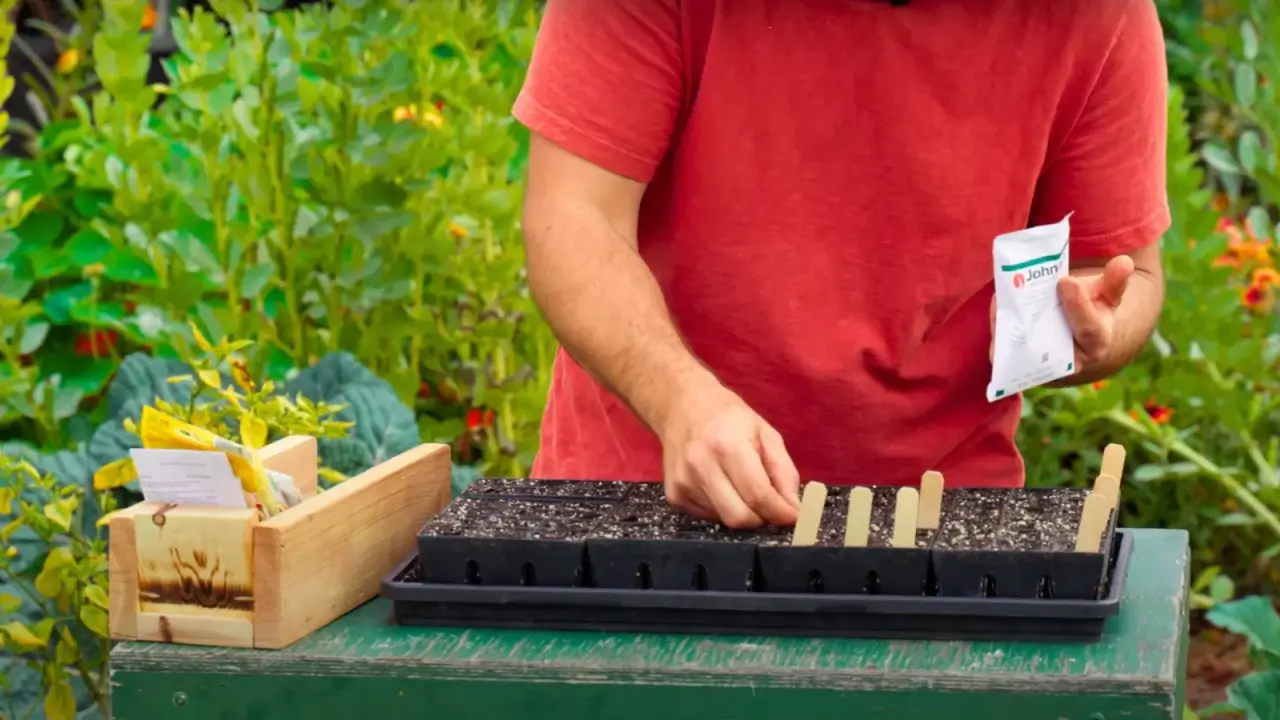
Transitioning to standardized cell trays is a game-changer. These trays are specifically engineered to provide proper drainage, which is critical for preventing fungal diseases like "damping off." Furthermore, the design of these cells often incorporates "air-pruning" technology. As roots reach the edge of the cell, exposure to air stops the root tip from growing, which prevents the plant from becoming root-bound and encourages a more fibrous, healthy root system that is better equipped to handle the shock of transplanting.
Lighting: Beyond the Windowsill
Many beginners rely on natural sunlight from a window, but this often leads to weak, spindly seedlings reaching toward the light. A dedicated grow light system is essential. Modern LED grow lights provide a full spectrum of light that mimics the sun’s intensity, ensuring that your seedlings develop thick, sturdy stems and lush foliage, creating a resilient plant before it ever hits the garden bed.

3. The Power of Heat: Boosting Germination
Tomatoes are tropical plants by heritage, originating in the warm, humid climates of western South America. Consequently, they are biologically programmed to germinate only when the soil reaches a certain warmth.
The Role of Heat Mats
While seeds might eventually sprout at room temperature, a seedling heat mat is the most effective way to ensure uniform and rapid germination. Ideally, the soil should be maintained between 65°F and 85°F (18°C to 29°C).
Using a heat mat doesn’t just speed up the process—it increases the rate of success. If you are operating on a budget, an agricultural chicken heater can serve as a suitable alternative, providing gentle, ambient warmth without the harsh, drying effects of a standard space heater.
4. Managing Moisture: The Balance of Life
Because tomatoes are fleshy, high-water-content plants, they have a high demand for consistent hydration throughout their life cycle.
Achieving the Perfect Soil Moisture
When starting seeds, the soil must remain consistently moist but never waterlogged. Soggy soil excludes oxygen, which can cause seeds to rot. Conversely, allowing the soil to dry out completely can kill a germinating embryo instantly.
For growers in arid climates or those using dry indoor heating, incorporating water-retention materials—such as high-quality coco coir, vermiculite, or worm castings—into your seed-starting mix is vital. Aim for a substrate that holds moisture but retains enough structure to allow for proper drainage, ensuring the roots have access to both air and water.

5. The Art of Up-Potting
Once your seedlings have developed their first set of "true leaves"—the second set of leaves that appear after the initial cotyledons—they are ready for the next stage of development.
Maximizing Yield Through Separation
If you have sown multiple seeds per cell to ensure germination, do not simply discard the extras. Instead, gently untangle the seedlings and "up-pot" them into individual containers. This process provides each plant with the space, airflow, and nutrients required for robust growth.
When transplanting into larger pots, use a nutrient-rich potting soil. However, avoid heavy fertilization at this stage. If you push the plants with high-nitrogen fertilizers now, they may be tricked into flowering too early while still indoors. Instead, opt for a highly diluted organic liquid fertilizer (at approximately 25% of the recommended strength), such as fish emulsion, to provide a gentle, balanced boost.

Implications for the Resilient Food System
The practice of starting one’s own tomato seeds has implications that extend far beyond the garden gate. By taking control of the nursery phase, growers can reduce their reliance on nursery-bought transplants, which are often limited to generic, disease-resistant hybrids that may not be the best performers for specific regional climates.
Furthermore, saving seeds from open-pollinated varieties allows growers to participate in a cycle of selection and improvement. Over time, plants grown from seeds saved on your own land become better adapted to your specific soil chemistry, rainfall patterns, and local pest pressures. This is the foundation of agricultural resilience.
As we look toward the future of food security, the ability to propagate one’s own crops is a fundamental skill. By investing in a better seed-starting setup—from heat mats to specialized lighting—and applying these expert techniques, you are not just growing tomatoes; you are building a more sustainable and productive future for your garden and your community.

 Asep Darmawan

 Layla Zulfa

