

 Nana Wu

 Dwi Wanna

 Suro Senen

 Evan Lee Salim

Introduction: The Evolution of the "New Normal"
As the world moves further away from the initial shock of the 2020 global lockdowns, the definition of a "new normal" continues to shift. For many, the past year has been a period of recalibration—a delicate balancing act between reclaiming pre-pandemic freedoms and maintaining the health-conscious habits forged during periods of isolation.
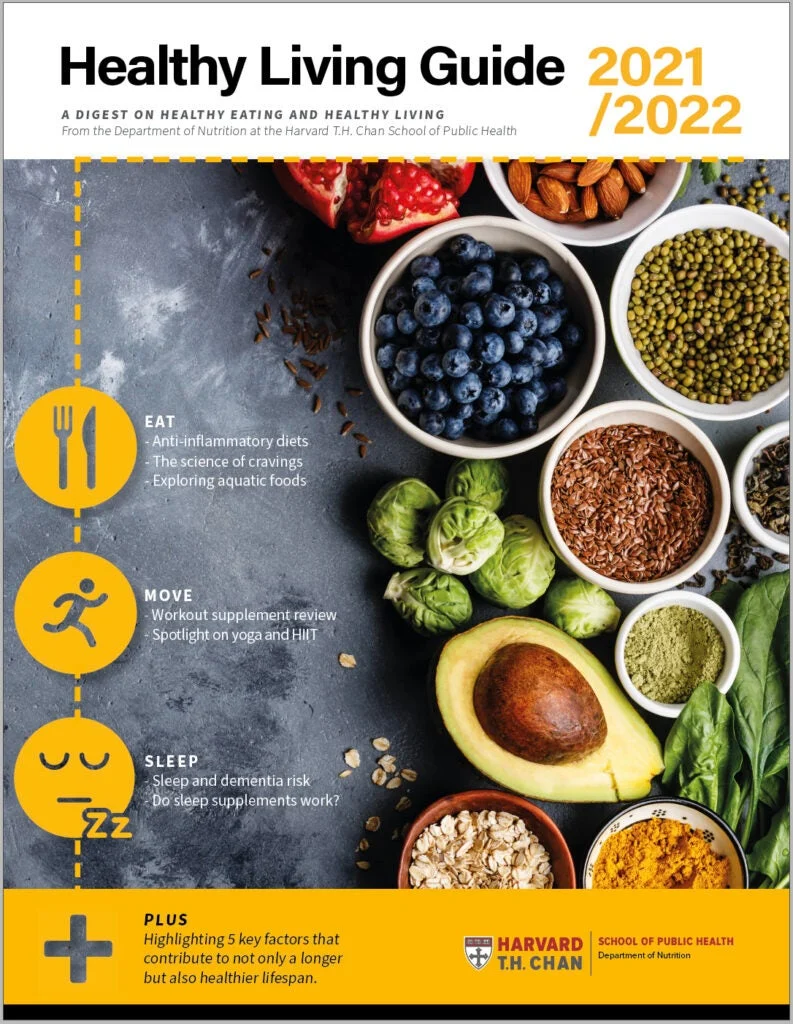
To support this transition, the Harvard T.H. Chan School of Public Health has released its latest Healthy Living Guide. This comprehensive resource serves as a roadmap for those seeking to synthesize current nutritional science with the realities of a modern, ever-changing landscape. By revisiting the core pillars of health—nutrition, physical activity, and restorative sleep—the guide provides an evidence-based framework for long-term well-being.
Main Facts: The Shifting Landscape of Consumer Behavior
The most significant takeaway from the past year is the fluidity of human behavior. According to the 2021 Food and Health Survey, public habits experienced a marked "cooling off" period. In 2020, as the world retreated indoors, there was a dramatic spike in sedentary behaviors and comfort eating. By 2021, those numbers began to regress toward historical averages, though the landscape remains fundamentally altered.
Key Behavioral Trends:
- Snacking: In 2020, 32% of Americans reported an increase in snacking. By 2021, that figure dropped to 18%, suggesting a move away from stress-induced dietary patterns.
- Total Consumption: The percentage of respondents who reported "eating more in general" plummeted from 20% in 2020 to just 11% in 2021.
- Home Cooking: Perhaps the most notable shift was the reduction in home cooking. While 60% of consumers were preparing meals at home in 2020, that number fell to 47% in 2021, signaling a return to pre-pandemic dining-out habits and a potential return to the "time-poor" lifestyles that characterized the pre-2020 era.
Chronology: A Timeline of Health Adjustments
To understand our current health status, we must look at the trajectory of the last 24 months:
- Phase One (Early 2020): The era of "Panic Nutrition." Lockdowns triggered supply chain concerns, leading to hoarding, an increase in processed shelf-stable food consumption, and a sudden surge in home-baking and experimental cooking.
- Phase Two (Late 2020): The "Pandemic Plateau." As the novelty of lockdowns wore off, individuals began to grapple with the physical toll of sedentary routines. Health consciousness began to rise, spurred by the realization that comorbidities were a major factor in COVID-19 severity.
- Phase Three (2021): The "Transition Period." The return to work and social activities led to a decline in home-cooking hours. However, the awareness of food security disparities became a major national conversation.
- Phase Four (2022 and Beyond): The "Integration Era." This current phase focuses on synthesizing the lessons learned from the pandemic—specifically the importance of immune health and mental resilience—into a sustainable, permanent lifestyle.
Supporting Data: Disparities and Global Challenges
While the Healthy Living Guide focuses on individual empowerment, it acknowledges that health is not merely a personal choice; it is a systemic outcome. The 2021 data highlighted significant disparities in food security. While some segments of the population were able to prioritize "clean eating" and fitness, others faced unprecedented challenges in accessing fresh, nutritious food.
Furthermore, the document emphasizes that individual health is inextricably linked to global health. The emergence of COVID-19 variants serves as a poignant reminder that the pandemic is not truly behind us until it is addressed globally. The report stresses that low- and lower-middle-income countries remain vulnerable, and global vaccination equity is a vital component of public health strategy.
Official Responses: The Philosophy of the Healthy Living Guide
Experts at the Harvard T.H. Chan School of Public Health suggest that rather than seeking "perfect" health, individuals should strive for "consistent" health. The 2022 Guide is structured to cut through the noise of fad diets and viral wellness trends.
The Core Pillars of the Guide:
- Nutritional Integrity: Moving away from restrictive dieting toward whole-food, plant-forward nutrition.
- Activity as Medicine: Emphasizing that physical activity is not just about weight management, but about metabolic health, hormonal balance, and mood regulation.
- The Science of Sleep: Addressing sleep as a non-negotiable pillar of cognitive function and immune response.
The guide provides printable tip sheets, which are designed to be accessible for busy families, office workers, and students alike. The inclusion of "Healthy Living Knowledge" quizzes throughout the guide serves as a pedagogical tool to ensure that readers are not just consuming information, but retaining it.
Implications: Building Resilience for the Future
What are the long-term implications of these findings? We are currently in a transition where public health initiatives must move from "emergency mode" to "long-term maintenance mode."
Addressing the "Cooking Gap"
The decline in home cooking observed between 2020 and 2021 is a point of concern for nutritionists. Home cooking is one of the most reliable predictors of dietary quality. When individuals cook for themselves, they are more likely to control sodium, sugar, and saturated fat intake. The 2022 guide aims to bridge this gap by offering quick, healthy recipes that fit into the time-crunched schedule of a post-pandemic work life.
The Mental Health Nexus
The guide implicitly acknowledges that food is tied to mental health. The stresses of the pandemic led to "emotional eating," a behavior that is notoriously difficult to break. By providing structured guidelines, the Healthy Living Guide acts as a cognitive anchor, helping readers replace reactive habits with proactive routines.
Global Solidarity
Finally, the guide reminds readers that the "healthy life" is not an isolated pursuit. By highlighting the need for vaccination and supporting public health infrastructure, it encourages a broader perspective. True wellness in 2022 and beyond requires a dual focus: self-care at home and advocacy for health equity on a global scale.
Conclusion: Taking the First Step
As we look toward the future, the goal is not to return to the "old normal," but to evolve into a version of ourselves that is better equipped to handle both personal and global health challenges. The Healthy Living Guide is an invitation to engage with the science of health in a way that is practical, sustainable, and, above all, kind to oneself.
Whether you are looking to refine your diet, improve your sleep hygiene, or simply understand the current state of public health research, the resources provided by the Harvard T.H. Chan School of Public Health offer a beacon of clarity in a complex world.
Readers are encouraged to:
- Download the guide: Utilize the printable PDF to track progress and keep goals visible.
- Test your knowledge: Use the included quizzes to challenge assumptions about nutrition and exercise.
- Stay informed: Access the full library of online articles provided by the school to dive deeper into specific topics like intermittent fasting, the benefits of specific micronutrients, and the latest in exercise physiology.
In the final analysis, health is a lifelong project. By adopting the principles outlined in this year’s guide, you are investing in a future that prioritizes vitality, longevity, and community resilience. We wish all readers a healthy and fulfilling year ahead, empowered by the knowledge that small, consistent changes are the most effective way to ensure lasting well-being.
For more information and to access the full suite of resources, visit the official Harvard T.H. Chan School of Public Health website and download the 2022 Healthy Living Guide today.

 Asro
 Rifan Muazin

