

 Nana Wu

 Dwi Wanna

 Suro Senen

 Evan Lee Salim

 Laily UPN
In the sprawling, verdant expanse of south Dublin, a 38-acre sanctuary stands as a testament to a vision born half a century ago. Airfield Estate, a working organic urban farm and research centre, is more than just a heritage attraction; it is a "living classroom" designed to mend the fraying thread between the Irish public and the land that sustains them. As modern society grapples with the dual crises of climate change and a profound disconnection from food systems, Airfield offers a blueprint for a future rooted in ecological literacy, cultural heritage, and community cohesion.
The Genesis of a Living Legacy: A Chronology
The story of Airfield Estate is fundamentally a story of foresight. The estate’s trajectory from a private family home to a public pedagogical hub is marked by a clear commitment to social and agricultural stewardship.
- 1974: The Philanthropic Gift: The Overend sisters, Letitia and Naomi, gifted their family estate to the Irish people. Their vision was to create a space that preserved the agrarian history of the region while providing an educational resource for future generations.
- Late 20th Century: The Era of Transition: As Ireland pivoted toward rapid modernization, the estate functioned as a bridge, maintaining traditional farming methods while observing the changing face of Irish agriculture.
- The Modern Era: Integration and Innovation: In recent years, Airfield has undergone a metamorphosis, evolving into a sophisticated hub that marries 19th-century farming wisdom with 21st-century technological solutions like anaerobic digestion and agroforestry.
- Present Day: The estate now serves as a central pillar for research, hosting schools, international researchers, and community groups, cementing its status as a model for "place-based" education.
The Disconnection of Modern Life: The Data
The necessity for institutions like Airfield is underscored by stark socio-economic realities. While Ireland’s national identity remains inextricably linked to its agrarian past, the current metrics tell a different story:
- Workforce Shifts: Fewer than 4% of the Irish workforce are now directly involved in agriculture, a sharp decline from the agrarian-dominant economy of the mid-20th century.
- Dietary Trends: Rising reliance on processed foods and convenience-based diets has led to a measurable decline in "food literacy"—the ability to source, prepare, and understand the nutritional and environmental cost of food.
- Urbanization: With a growing percentage of the Irish population residing in urban centers, direct interaction with livestock, soil biology, and seasonal crop cycles has become a luxury rather than a daily reality.
These trends have created a "knowledge vacuum," where the public’s understanding of agricultural policy—often prioritized around high-output productivity at the expense of soil health and biodiversity—remains abstract.
Experiential Learning: Bringing Theory to Life
"Living classrooms" represent a departure from the sedentary, desk-bound model of traditional schooling. At Airfield, the curriculum is written in soil, weather, and animal behavior.
Bridging the Knowledge Gap
For visitors, the learning experience is immersive. Students are not lectured on the importance of nitrogen cycling; they are shown the fallow fields where peas and beans have enriched the soil. They are not told about the carbon footprint of waste; they witness the MyGug anaerobic digester transforming kitchen scraps into clean cooking fuel.
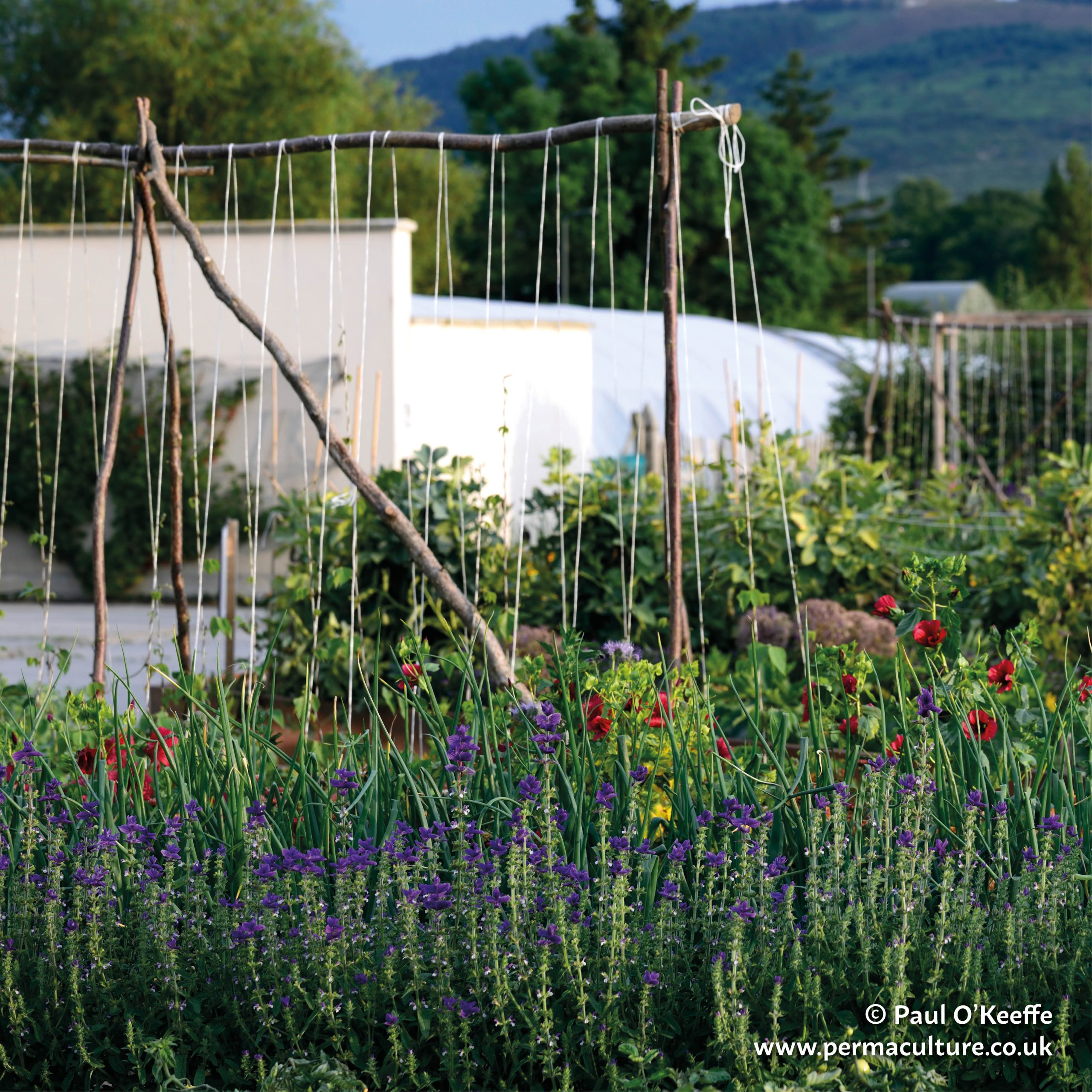
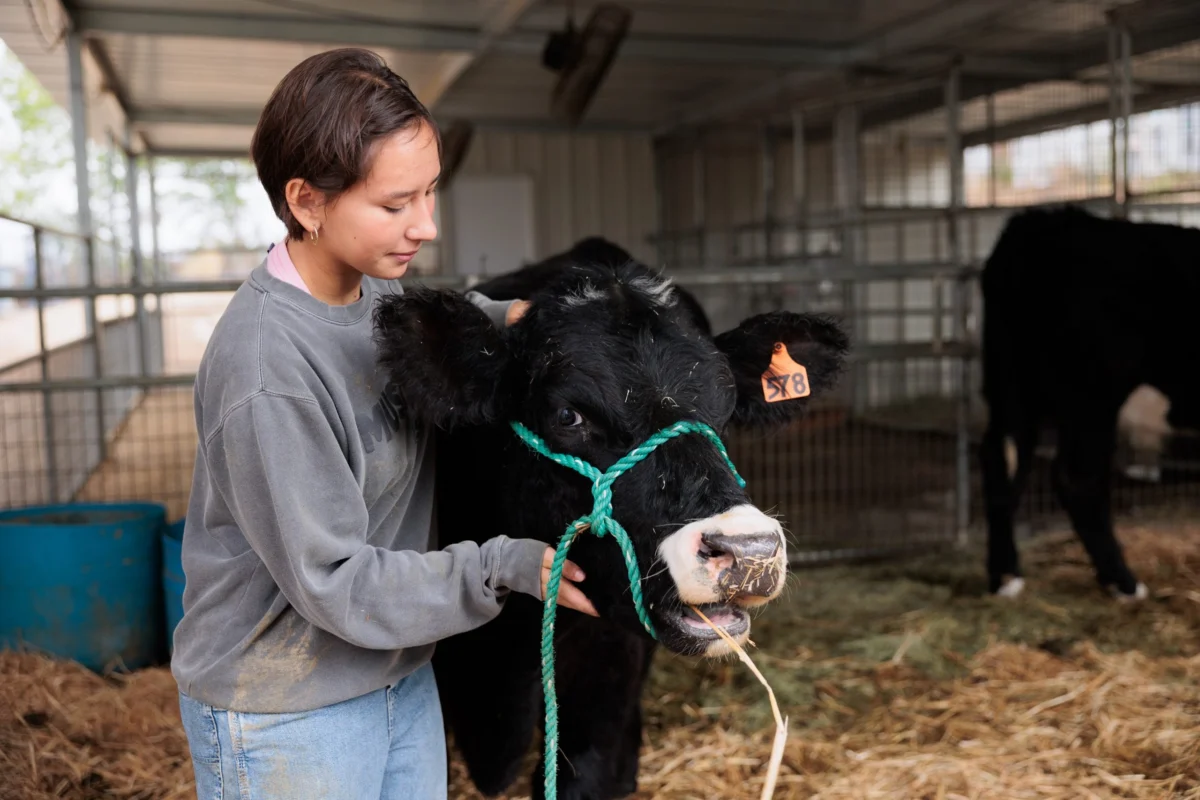
This sensory engagement—the tactile experience of milking a cow, the scent of native hawthorn hedges, the sight of a badger moving through an agroforestry corridor—is a potent pedagogical tool. Environmental psychology suggests that these interactions do more than transfer data; they foster "stewardship," an emotional commitment to the land that survives long after the visitor leaves the farm gate.
Biodiversity as a Community
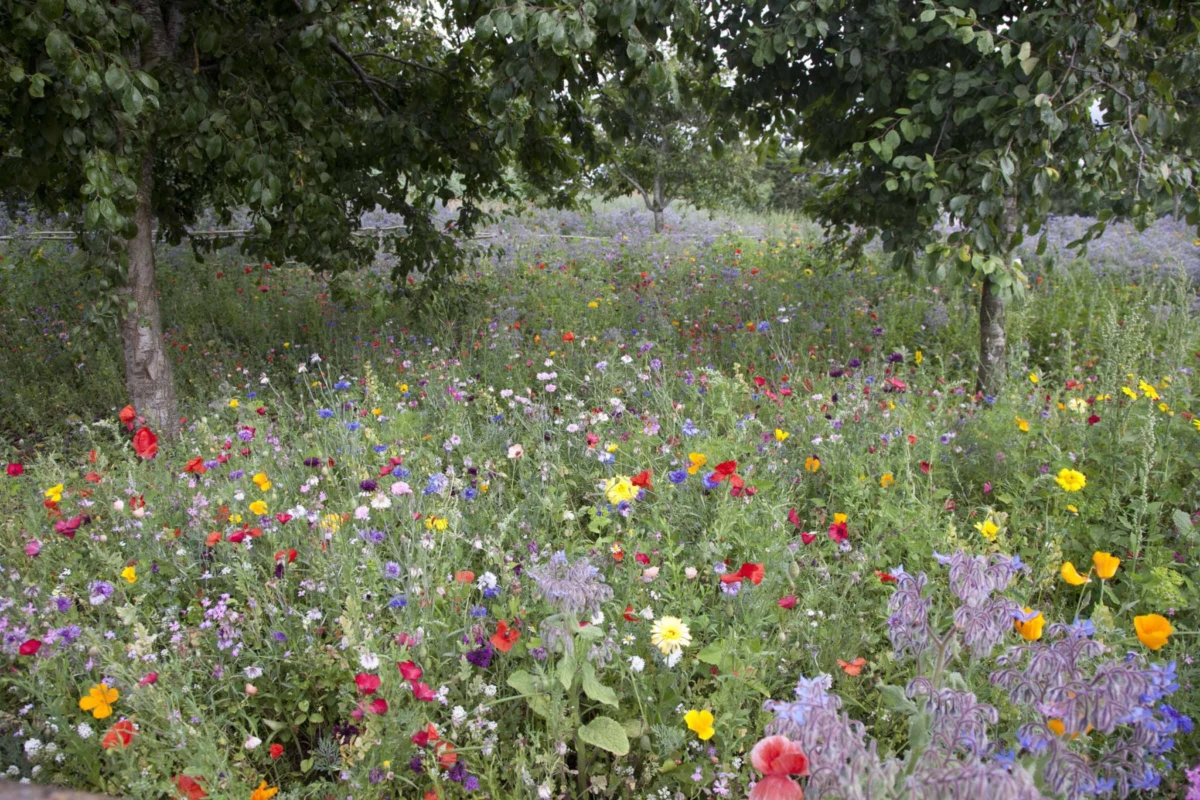
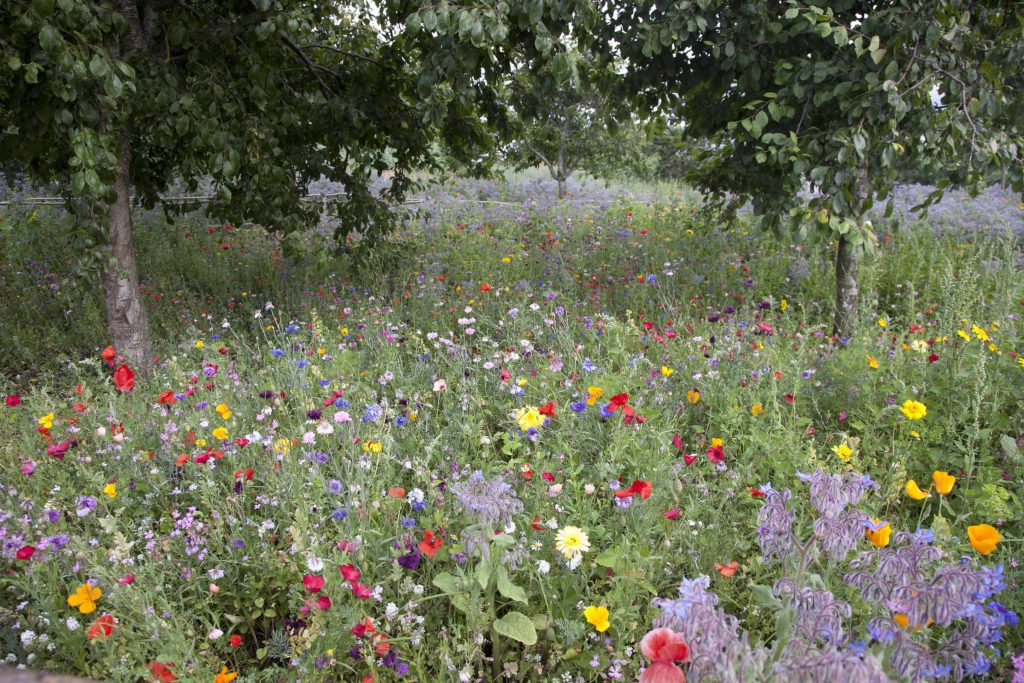
A striking element of the Airfield model is the re-framing of the farm as a "community of beings." By maintaining native Irish hedging and allowing meadows to thrive, the estate demonstrates that productive agriculture and biodiversity are not mutually exclusive. When visitors observe frogs, foxes, and pollinators alongside dairy herds, they begin to perceive the farm not as a factory, but as an ecosystem.
Reviving Cultural Heritage and Social Cohesion
Ireland’s history is scarred by the trauma of the Great Famine (1845–1852), an event that cast a long psychological shadow over the nation’s relationship with food. For decades, hunger was a potent symbol of political neglect. Airfield Estate serves as a space where this history can be acknowledged, transforming the act of food production into a restorative practice.
The Melting Pot of the Modern Landscape
With over 20% of the current Irish population born abroad, the challenge of integration is paramount. Airfield has leaned into this shift, utilizing food as a "universal language." Through community gardening projects, the estate provides a neutral, collaborative space where long-term residents and new arrivals work side-by-side.
By reviving traditional practices—such as butter churning and heritage hedgerow management—and pairing them with renewable energy innovations, the estate presents a narrative of hope. It suggests that Irish heritage is not a static object to be kept behind glass, but a living toolkit for solving modern problems.
Official Perspectives: The Path to Policy Reform
Dr. Paul O’Keeffe, Head of Education and Research at Airfield, advocates for a systemic shift in how these sites are viewed by policymakers. Currently, the involvement of farms in the national curriculum is often ad-hoc and underfunded.
"We are at a crossroads," Dr. O’Keeffe notes. "As Ireland advances its national strategies for climate action and Education for Sustainable Development (ESD), the living classroom must move from the periphery to the center."
The Call for Systemic Integration
To realize the potential of these spaces, experts argue for:
- Curriculum Alignment: Embedding farm-based, experiential learning into the Department of Education’s core requirements for STEM and Geography.
- Institutional Partnerships: Creating formal links between local authorities, heritage sites, and schools to ensure that rural and urban students alike have consistent access to these facilities.
- Holistic Policy: Recognizing that farm-based education serves multiple government agendas—mental health, social inclusion, food security, and climate mitigation.
Implications: Building a Rooted Future
The transition toward a more sustainable future requires more than just technological upgrades or policy changes; it requires a shift in human consciousness. The model pioneered by the Overend sisters and carried forward by modern stewards at Airfield suggests that we cannot protect what we do not know.
From Information to Transformation
The ultimate implication of the living classroom is the move from "information" to "transformation." When a child learns the lifecycle of a bee, or when an urban dweller understands the complexity of soil health, they become participants in the food system rather than mere consumers of it.
In a world increasingly dominated by digital abstraction, the physical, grounded reality of the farm provides a necessary counterbalance. It offers a space to mourn the ecological losses of the past while equipping the next generation with the practical, scientific, and cultural skills to build a more resilient future.
As Ireland continues to navigate the pressures of a changing climate and a diversifying population, the lesson of Airfield is clear: the path forward is found by looking down, getting our hands dirty, and remembering that the health of our society is rooted, quite literally, in the earth beneath our feet. The living classroom is not merely an educational facility—it is a laboratory for humanity, proving that we can be both stewards of our heritage and architects of a sustainable tomorrow.

 Nila Kartika Wati
 Layla Zulfa

