

 Nana Wu

 Dwi Wanna

 Suro Senen

 Evan Lee Salim

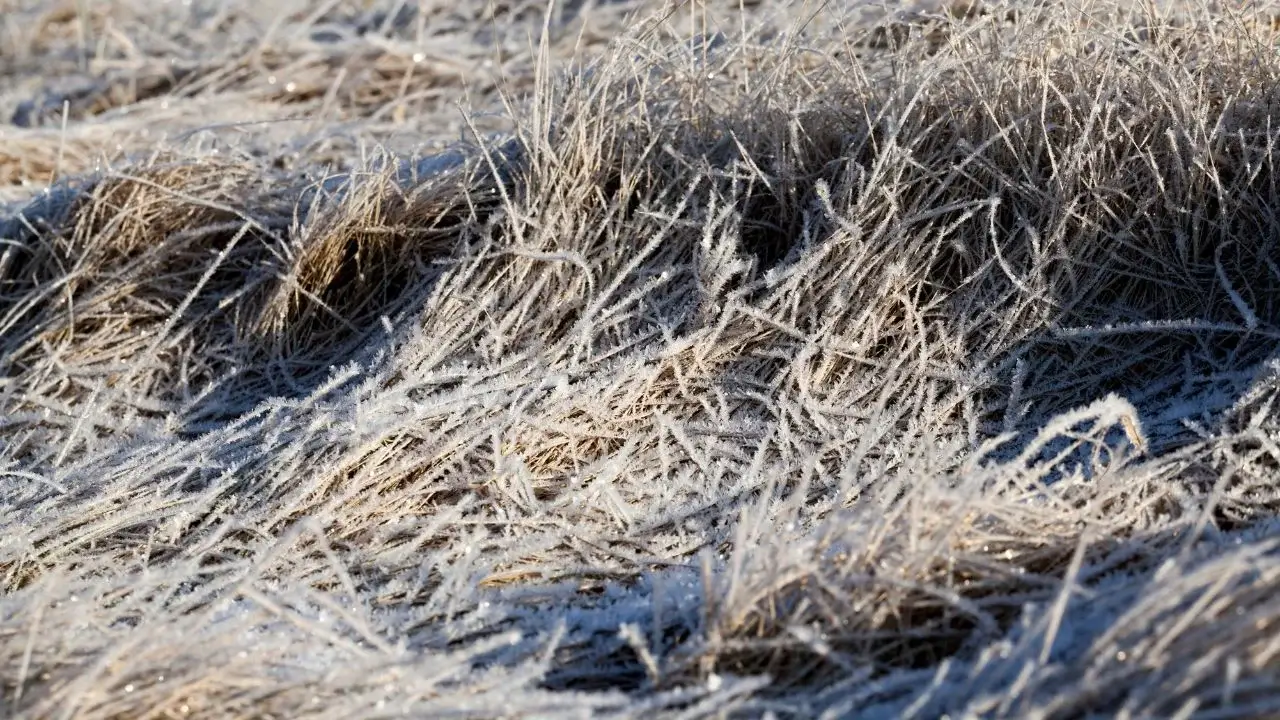
As the frost begins to retreat and the promise of spring planting season looms, farmers across the country face a pivotal management decision: the termination of their winter cover crops. While cover crops are essential for nitrogen fixation, erosion control, and weed suppression, the process of removing them—known as "termination"—is a delicate balancing act. If done improperly, farmers risk undoing months of hard-earned soil improvements, leading to nutrient runoff, soil compaction, or poor crop establishment.
Achieving the perfect termination requires a nuanced understanding of local climate, soil moisture levels, and the specific biology of the cover crop species involved. This guide explores the strategic methods for terminating cover crops, ensuring that the transition from winter ground cover to spring production enhances, rather than depletes, your farm’s long-term soil health.
The Strategic Importance of Termination Timing
The primary objective of any cover crop strategy is to build soil biomass. However, if a farmer terminates too early, they leave the soil vulnerable and miss out on peak biomass accumulation. Conversely, waiting too long can deplete critical soil moisture reserves or cause the cover crop to set seed, effectively turning your soil-building agent into a persistent weed.
Balancing Soil Moisture and Pest Pressure
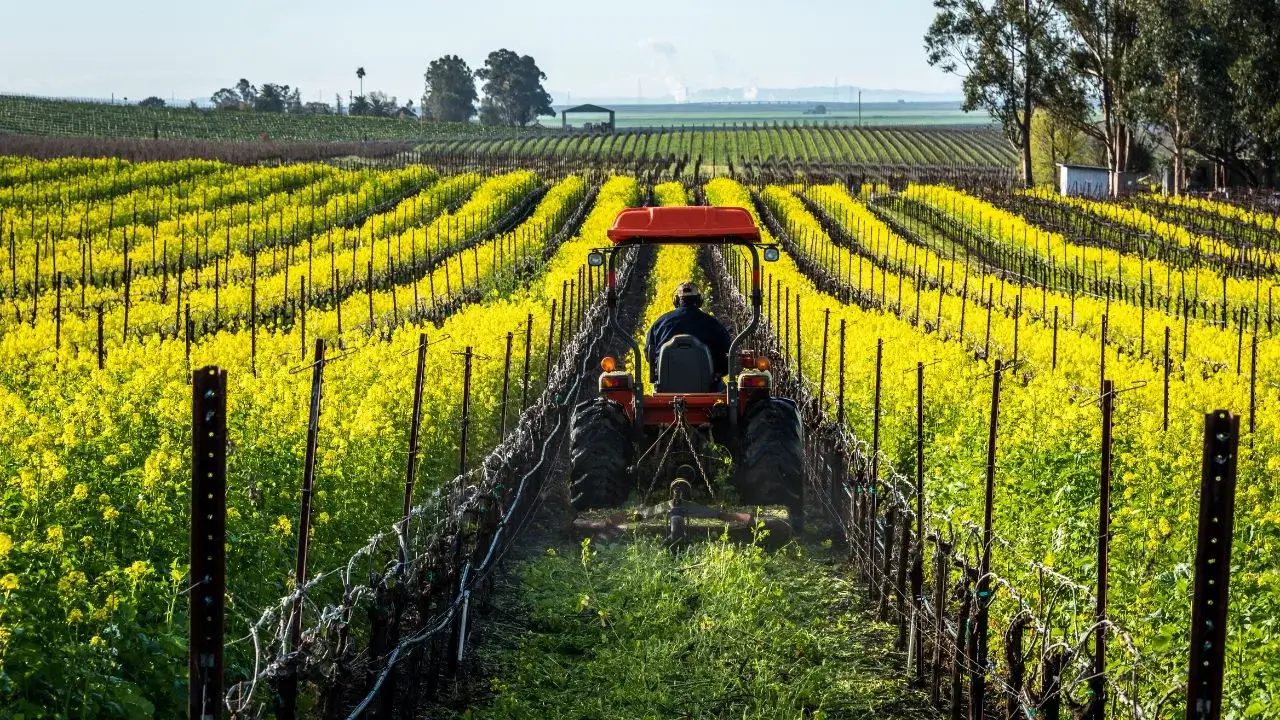
Context is the golden rule of cover crop management. For farms operating in arid or moisture-limited environments, the rule of thumb is to terminate the cover crop at least two weeks before planting your primary cash crop. This buffer period ensures that the cover crop stops drawing water from the soil profile, leaving enough moisture for the seeds of the upcoming season.
However, in wetter climates or systems with high irrigation, some farmers choose to "plant into" the standing cover crop, terminating it only after the cash crop has emerged. This method can offer additional protection against wind and erosion during the early stages of growth. If your farm struggles with high pest populations, it is generally recommended to terminate three to four weeks before planting to break the pest life cycle, ensuring that insects attracted to the lush, green cover do not migrate to your newly sprouted seedlings.
The Golden Rule: Prevent Seed Formation
Regardless of the method chosen, the cardinal rule of termination is to act before the cover crop reaches its reproductive stage—specifically, before it sets seed. Allowing a cover crop to reach maturity and produce seeds can lead to unwanted volunteer growth, creating a management headache for years to come.
Chronology of Termination: A Seasonal Workflow
Successful termination is not a single event; it is the culmination of a seasonal workflow that begins at planting.
- Late Winter Assessment: Monitor the development of your crops. Evaluate soil moisture levels and local weather forecasts to determine the ideal window for termination.
- The Termination Window: For most winter cereals and legumes, the optimal time is early spring, when the plant is actively growing but has not yet developed viable seeds.
- Mechanical Intervention: Execute the chosen termination method (mowing, crimping, or tilling) based on the specific species grown.
- Decomposition and Nutrient Cycling: Allow the plant material to break down. During this period, the roots (which remain in the soil) begin to release stored nutrients, providing a steady, organic feed for the incoming crop.
- Planting Phase: Seed the next crop, ideally using equipment calibrated for high-residue environments.
Diverse Termination Methods and Their Implications
There is no "one-size-fits-all" solution. The following methods each offer unique advantages and trade-offs regarding soil health and farm management.
Mowing: The "Chop-and-Drop" Approach
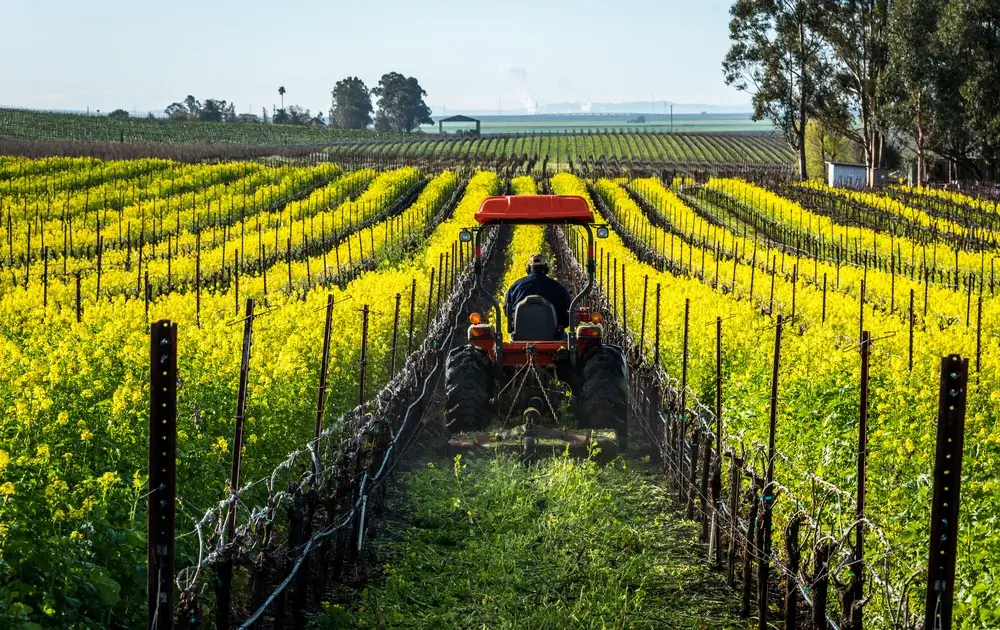
Mowing is a favored method for its speed and relative simplicity. By cutting the cover crop as close to the ground as possible, farmers can effectively kill the plant while leaving the root systems intact. The roots serve as a bridge, maintaining soil structure and continuing to host beneficial mycorrhizal fungi.
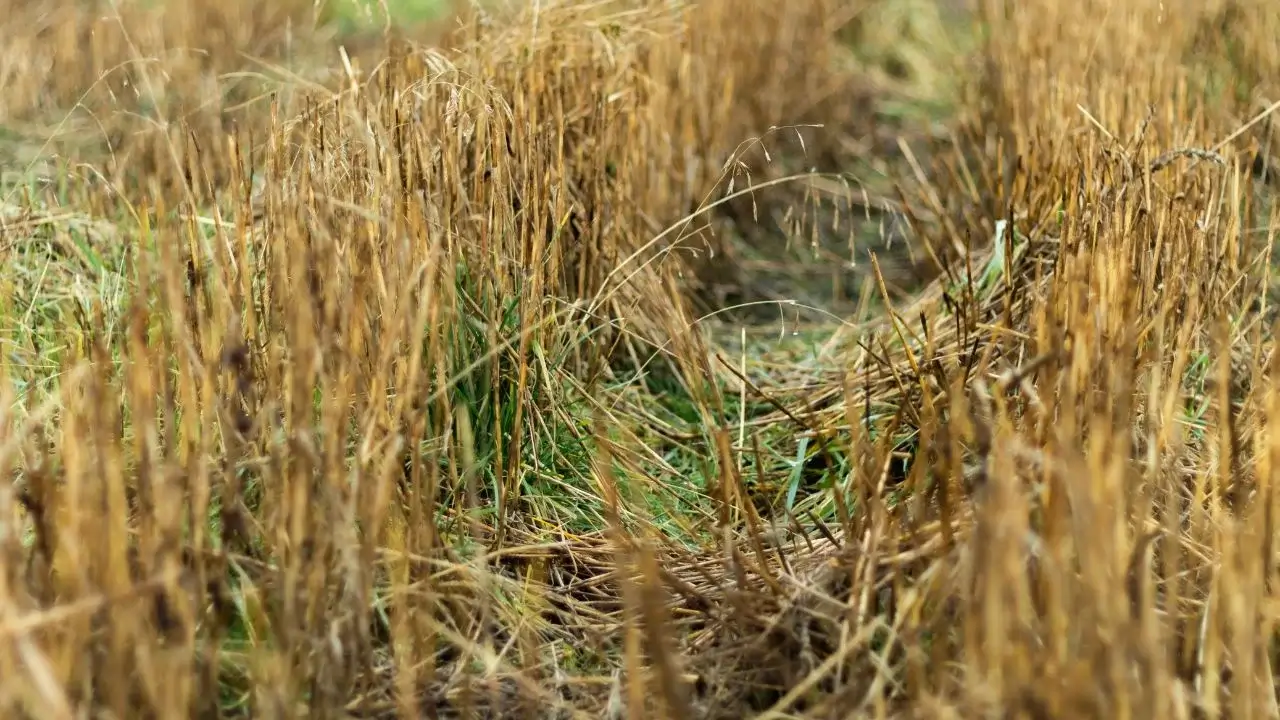
- Best For: Barley, cereal rye, and vetch.
- Pro Tip: Use a multi-blade mower to ensure the plant residue is chopped into smaller, uniform pieces. Smaller pieces decompose significantly faster, accelerating the nutrient release cycle.
Natural Winterkill: Leveraging the Elements
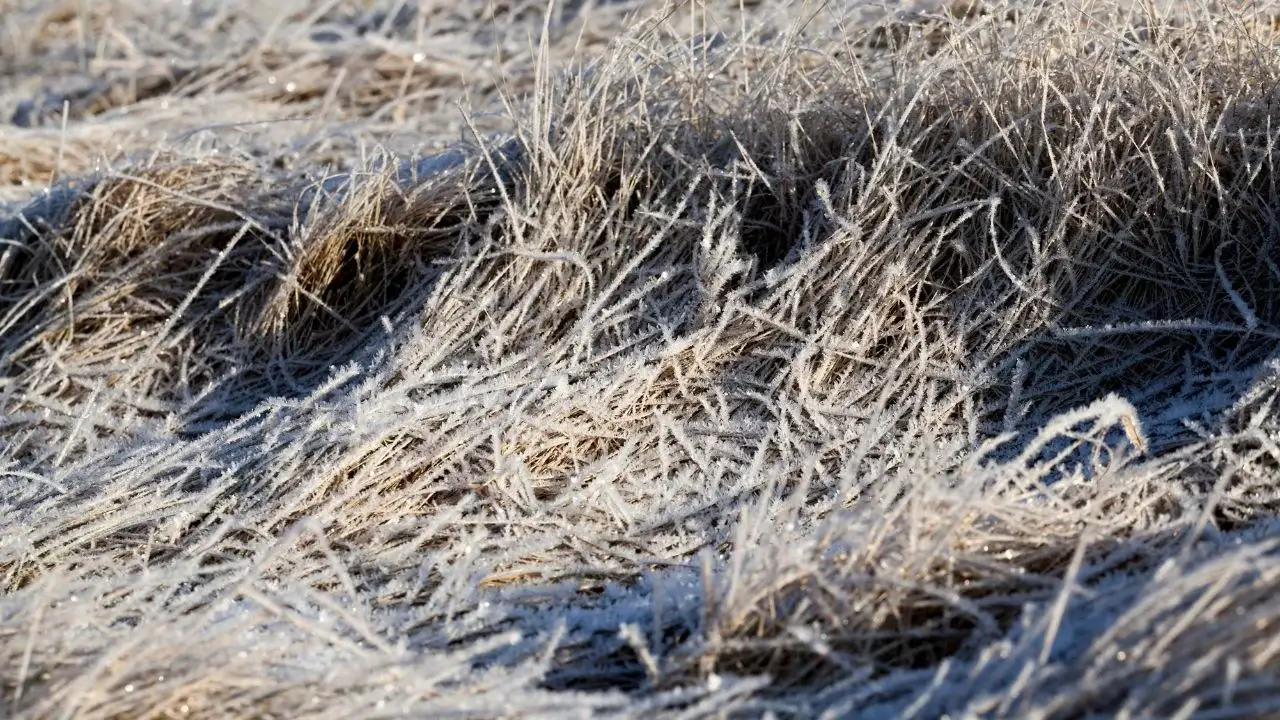
In regions with consistent, deep freezes, Mother Nature can do the work for you. By selecting winter-sensitive species, farmers can avoid the need for mechanical intervention entirely.
- Species to Consider: Oilseed radish, buckwheat, sorghum, and field peas.
- The Downside: Relying on winterkill means the soil may be left without active, living roots for a longer portion of the year, which can, in some cases, increase the risk of erosion compared to hardy winter grains like rye.
Tilling: The Traditional Alternative
Tilling remains a standard tool for many, particularly when dealing with persistent cover crops that have overwintered successfully. While effective at killing the plant, tilling disrupts the soil profile. It breaks up the protective root networks and exposes the soil to oxidation, which can lead to a decrease in soil organic matter over time.
- Best Practice: If you must till, do it as close to the planting date as possible. Follow up immediately with the next crop to keep the soil surface protected.
Roller Crimping: The Gold Standard for Soil Health
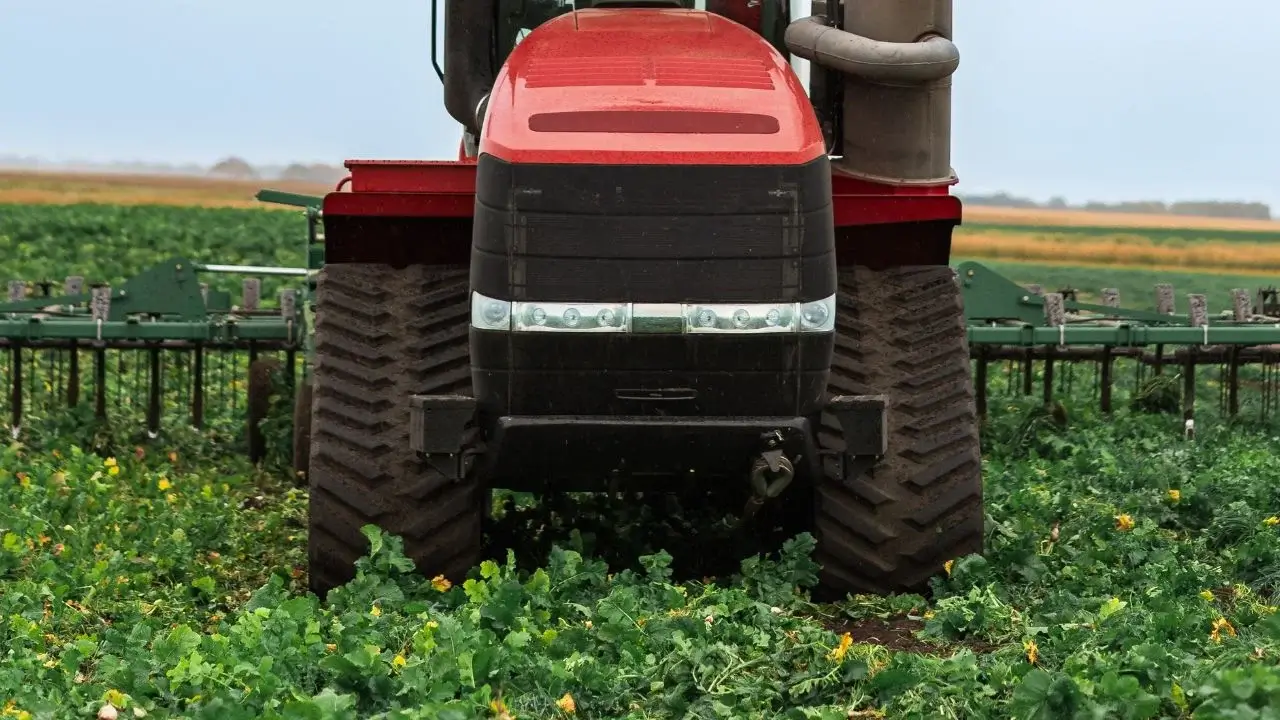
Roller crimping has emerged as a favorite among regenerative farmers. By flattening the cover crop into a thick, uniform mat, the roller-crimper kills the plant while leaving the soil covered. This mat acts as a powerful weed suppressant and moisture-retention layer.
- Timing: This method is most effective at the reproductive stage (when flowers are open). The stem is crimped, effectively stopping the plant’s nutrient flow.
- Suitability: It is highly effective for annuals but less so for perennials, which may possess the resilience to bounce back after a single pass.
Grazing: Integrating Livestock
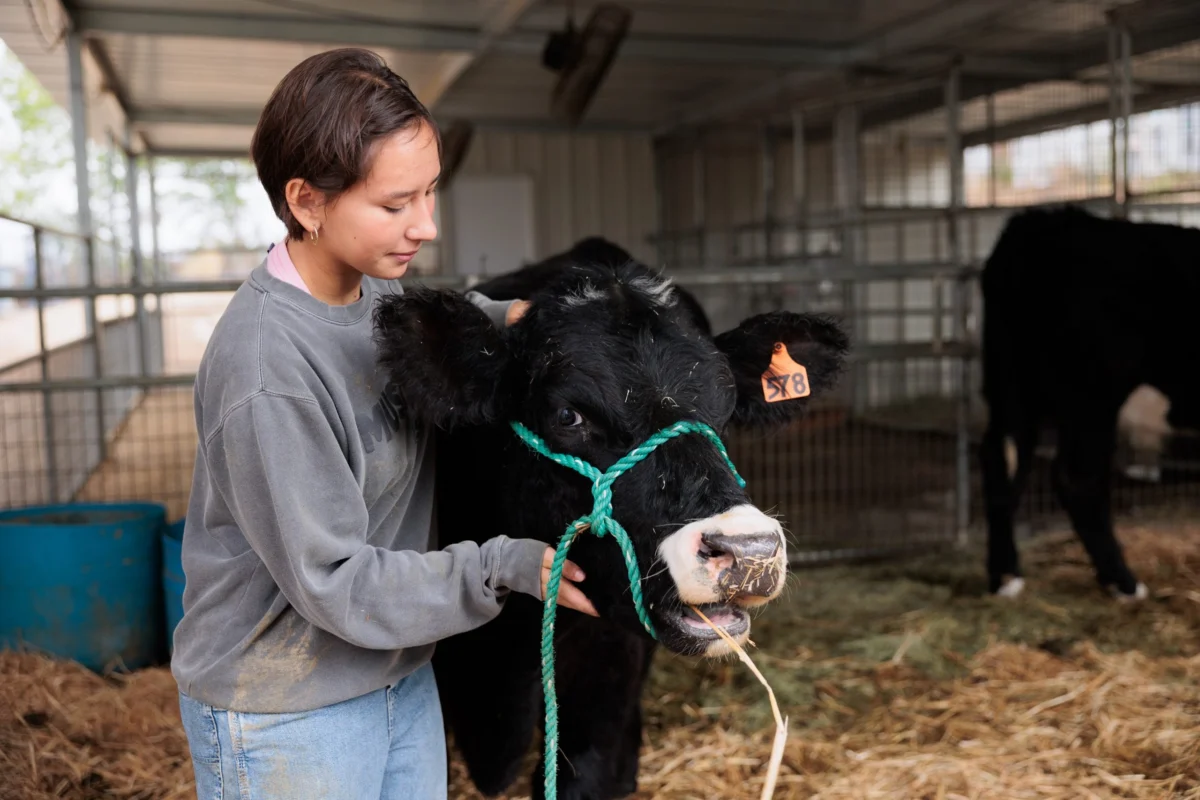
For farms that integrate livestock, grazing is an efficient and profitable way to terminate a cover crop. By turning cattle out into a field of lush, nutrient-dense forage, farmers can simultaneously terminate the crop and produce meat or dairy products.
- Considerations: Density is key. You should aim for a planting density of 150% to 200% of standard cover crop rates to ensure sufficient forage.
- Environmental Caution: Only graze when the soil is dry. Grazing on wet, muddy soil leads to compaction and the loss of the soil gains you spent the winter building. Furthermore, be wary of nitrate levels in lush, young growth, which can be toxic to cattle under certain weather conditions.
Implications for Soil Structure and Productivity
The long-term implication of these methods is a shift in the farm’s carbon sequestration potential. Every time a farmer opts for a "no-till" or "low-till" termination method—such as roller crimping or mowing—they preserve the fungal networks and stable soil aggregates built during the winter.
Conversely, relying on heavy tillage can lead to "soil exhaustion." Over time, the loss of these structural benefits reduces the soil’s ability to hold water, making the farm more susceptible to both drought and flooding.
Expert Insights and Official Recommendations
Agricultural extension services frequently emphasize that the "best" method is the one that aligns with your specific equipment and crop goals. According to the North Carolina State University Cooperative Extension, the decision to terminate should be based on a "system-wide approach." They suggest that farmers should view cover crop termination not as the end of a process, but as the bridge between two growing seasons.
As one agronomy expert noted, "The goal is to maintain the living link between the atmosphere and the soil. The more we keep those roots in the ground, the more resilient the farm will be when the heat of summer arrives."
Conclusion: The Path Forward
Terminating winter cover crops is an essential skill that demands as much attention as planting. By carefully selecting a method that suits your specific climate, crop rotation, and equipment capacity, you can ensure that your farm remains a productive, self-sustaining ecosystem.
Whether you choose the traditional approach of tilling or the modern, regenerative path of roller crimping, the goal remains the same: to transition to your next crop while keeping your soil protected, nourished, and ready for the season ahead. As you plan your spring schedule, remember that every decision made at the termination stage is an investment in the future fertility and resilience of your land.

 Nila Kartika Wati
 Layla Zulfa

