

 Nana Wu

 Dwi Wanna

 Suro Senen

 Evan Lee Salim

 Reynand Wu
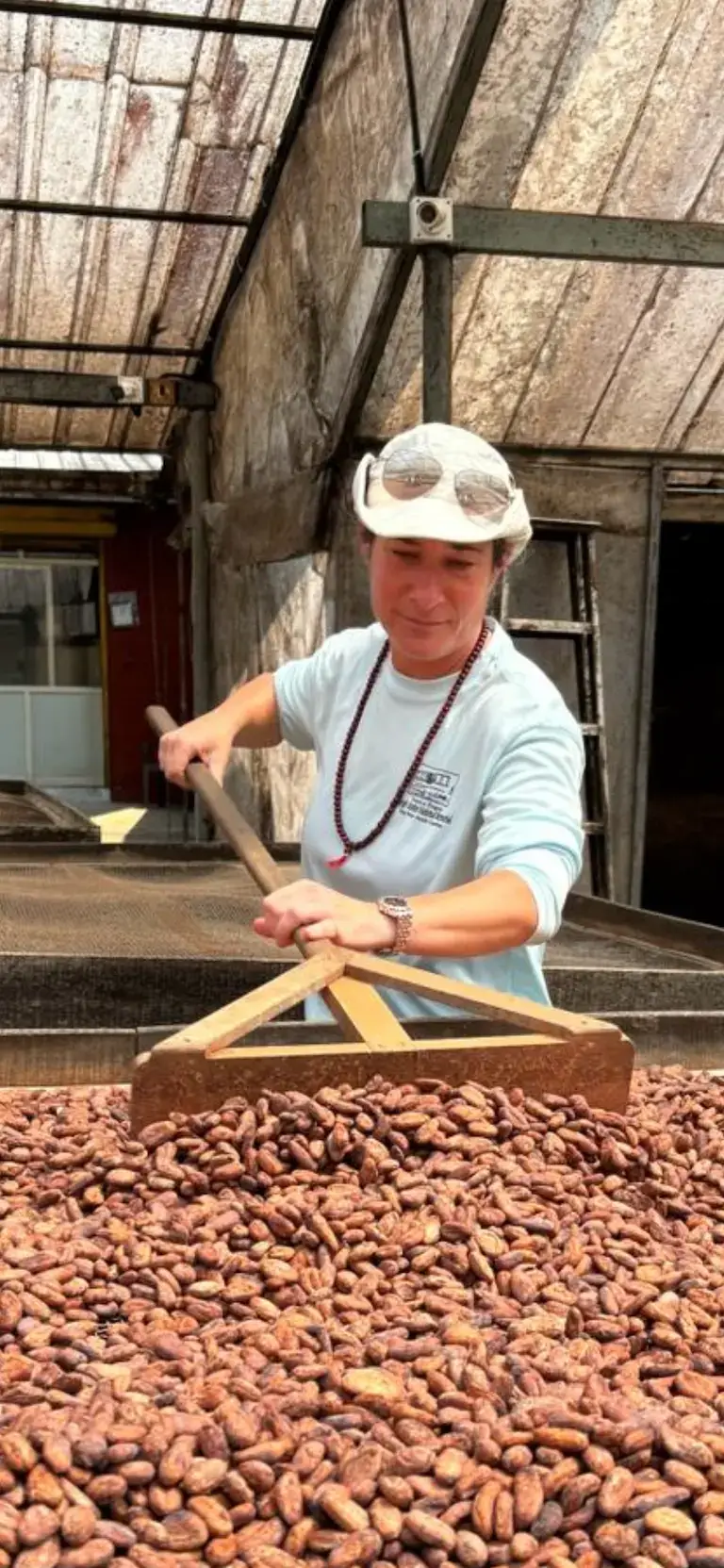
In the quiet, scent-neutralized sanctuary of her New Orleans home, Erin Seidemann prepares for a task that is as much a scientific study as it is a sensory ritual. Before a single piece of chocolate touches her tongue, she eliminates every variable: air fresheners are unplugged, scented lotions are washed away, and the aromatic traces of garlic or spices from previous meals are strictly forbidden. She sits down with a notebook, a glass of water, and a collection of anonymous, untraceable chocolate samples.
This is the world of professional chocolate judging—a high-stakes arena where a score from a single palate can dictate the financial trajectory of a small-batch maker. For Seidemann, a finance professional whose journey into the culinary arts began as an accidental byproduct of stress-baking, this role is far more than a hobby. It is a profound responsibility. “This isn’t just a fun competition,” she notes. “It’s literally people’s livelihoods.”
A Reluctant Baker Finds Her Calling
Erin Seidemann’s path to becoming a global expert in cacao was not linear. Growing up in New Orleans, she lived in a city defined by its food culture, yet her own kitchen remained dormant for years. Her parents, working long hours to support the family, relied on dining out, leaving Seidemann with little interest in the domestic arts. For much of her early adulthood, her oven served exclusively as a storage unit for kitchenware.
The shift occurred during a period of significant personal difficulty. Seeking a constructive outlet, Seidemann began experimenting with simple, five-ingredient recipes she found online. What began as an attempt to distract herself from the stresses of a demanding finance career soon evolved into a genuine passion. When a neighbor suggested she was “stress-baking,” Seidemann initially scoffed, only to realize, upon reflection, that the diagnosis was accurate.
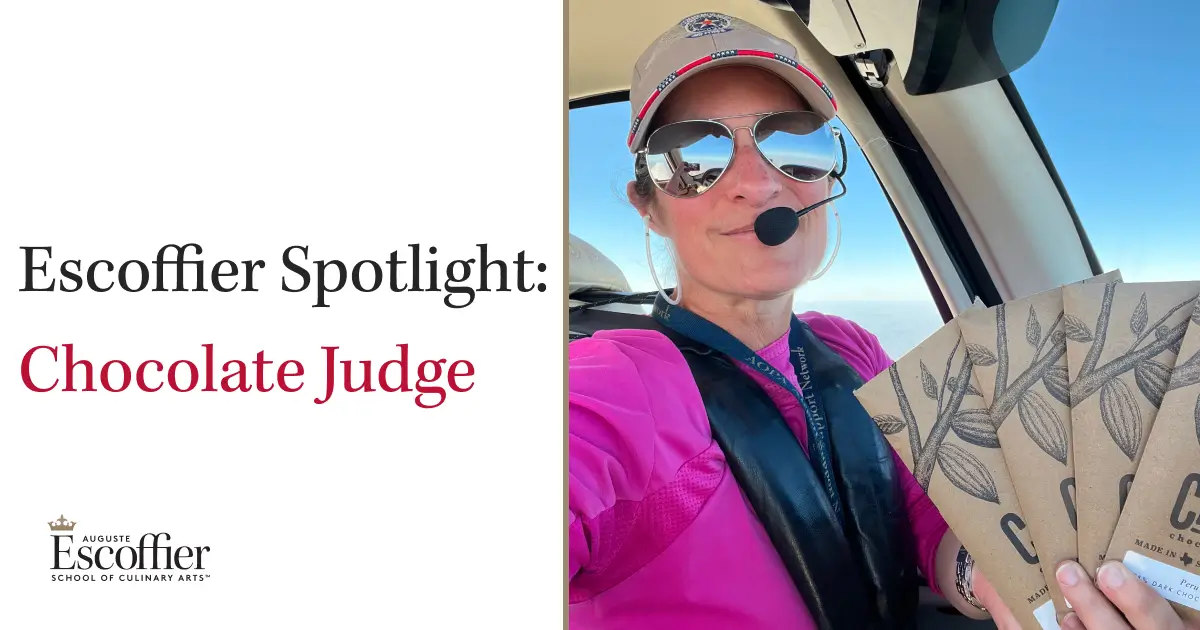
However, the activity provided an unexpected psychological reward: the ability to share her creations with others. As a licensed pilot, she began bringing brownies, cakes, and cobblers to weekly lunches at her local airport. The positive feedback from her peers—and a particularly bold suggestion from a pilot who offered to fund a chocolate shop for her—planted a seed. She didn’t take the investment, but the spark had been ignited.
The Chemistry of Failure
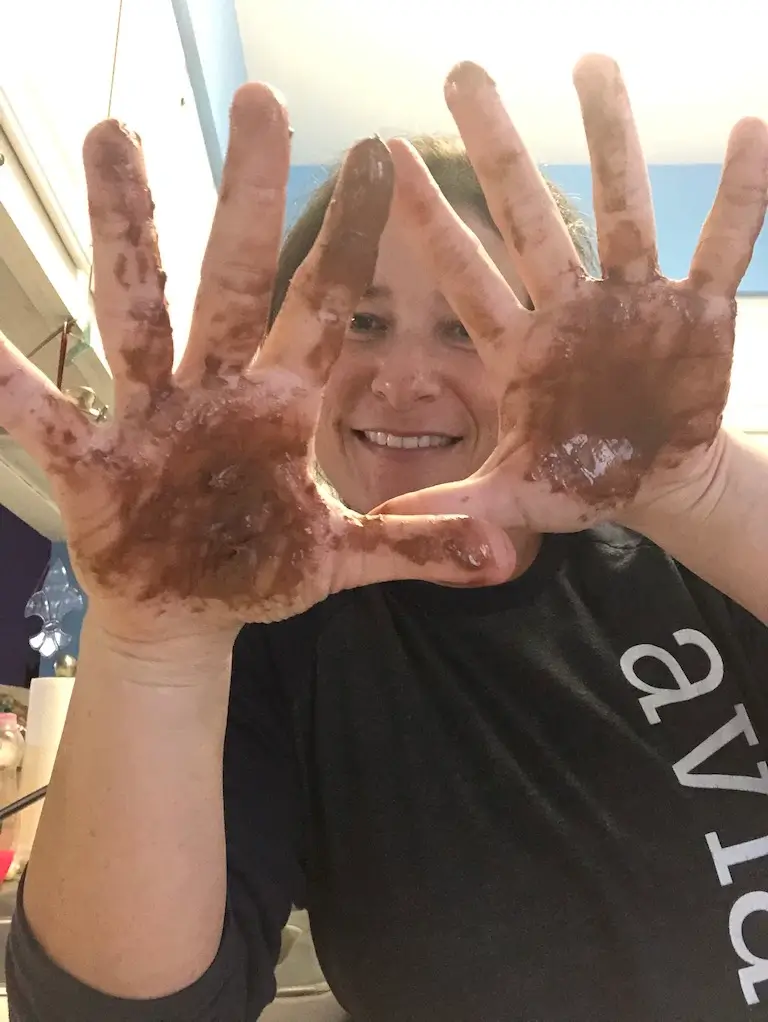
Seidemann’s transition from enthusiast to expert was catalyzed by a failure. When she attempted to thin a batch of chocolate with vanilla extract, the result was a disastrous, rock-hard mess that defied her logic. “I’m not stupid,” she recalls thinking, frustrated by the chemical reaction. “What is going on here?”
Rather than abandoning the craft, as she had done with other fleeting interests, the unpredictability of chocolate drew her in. She sought formal education, enrolling in an online chocolatier program through Ecole Chocolat to understand the mechanics of production before diving into the nuances of evaluation. This academic approach led her to London for an intensive five-day tasting course, marking the beginning of a global journey that would eventually span from Europe to the cacao farms of India.
Sensory Rigor: The Path to Certification
In London, Seidemann found herself surrounded by industry veterans—cacao farmers, business owners, and sensory experts. The curriculum was grueling, focusing on the entire lifecycle of the bean: fermentation, drying, roasting, and tempering.
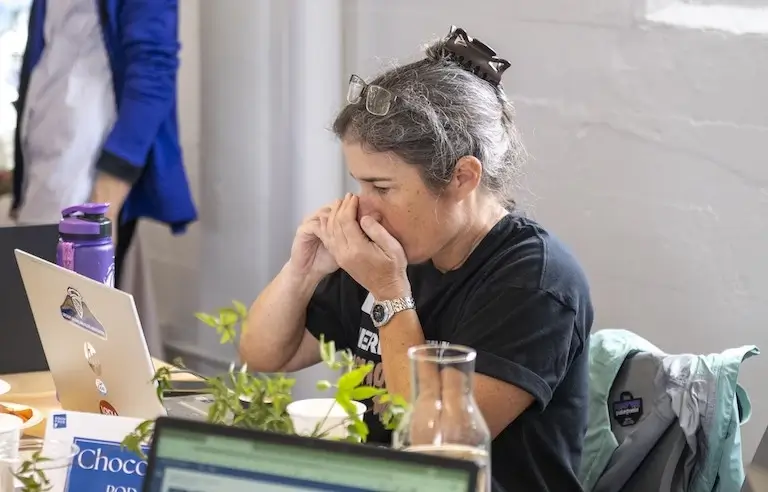
One session involved analyzing 100 different aromatics, ranging from stone fruit and tobacco to earth and florals. Seidemann had to train her olfactory senses to identify specific defects, such as over-fermentation, which she describes as smelling like "vomit or sweaty socks."
Following her certification, she joined the International Chocolate Awards. Yet, she recognized a gap: while she could taste the nuances of a bar, she lacked the deep technical knowledge of pastry arts needed to properly evaluate filled chocolates—the complex confections involving ganache, fruit pâtés, and sablés.
Culinary Training Amidst Personal Crisis
To bridge this gap, Seidemann enrolled in the online Baking & Pastry program at the Auguste Escoffier School of Culinary Arts. The timing was challenging; she was managing a high-pressure career while caring for her father, who had been diagnosed with brain cancer.
The program became a vital anchor. During long, 14-hour days at her finance job, the prospect of an upcoming baking assignment provided a much-needed mental reprieve. For her father, whose health made nutritional management difficult, Seidemann’s clean-ingredient bakes became a source of both joy and necessity.
“I hated the circumstances,” she says, reflecting on that time. “But the fact that he actually needed my bakes was really nice. I loved being able to provide that for him.” Her instructors’ emphasis on precision—the “no lumps, dumps, clumps, or bumps” rule—and their reminder that every student mattered, provided a sense of community that carried her through the darkest months of her life.
The Global Implications of Ethical Consumption
Today, Seidemann’s work as a judge is driven by a deep commitment to ethics. Her travels to cacao farms in India and beyond exposed her to the stark realities of the commercial chocolate industry, which is plagued by systemic child labor and environmental degradation.
“What you buy from those big, household names—it’s not good for you, it’s not good for the environment, and it’s not good for anyone in the supply chain,” she asserts.
Seidemann uses her platform to advocate for transparency. She teaches consumers how to read labels: authentic dark chocolate should list cacao first, followed by sugar. Anything else, she argues, is often an industrial additive. By championing craft makers who maintain strict traceability and pay fair wages, she hopes to nudge the market toward more ethical practices.

Judging as an Act of Advocacy
The impact of Seidemann’s work extends far beyond her notebook. In the competitive world of craft chocolate, an award can mean the difference between a business surviving or folding. When she evaluates a chocolate, she considers the entire construction—from the temper of the shell to the balance of the filling. Her detailed notes serve as a map, allowing her to identify and support the artisans who deserve recognition.
For Seidemann, the title of "humble chocolate judge" is not just a social media moniker; it is an acknowledgement of the weight her feedback carries. She treats every sample with reverence, aware that the producer behind it is someone whose livelihood is tied to her sensory assessment.
Looking Forward: A Life Unplanned
As she looks to the future, Seidemann is considering further certifications and potentially even a business of her own, though she remains cautious about the realities of production. Her journey—from a kitchen that served as a storage unit to a career as a globally recognized expert—remains a testament to the power of curiosity.
“I found these paths in my life by complete accident and chance,” she says. “I try to never take that for granted.”
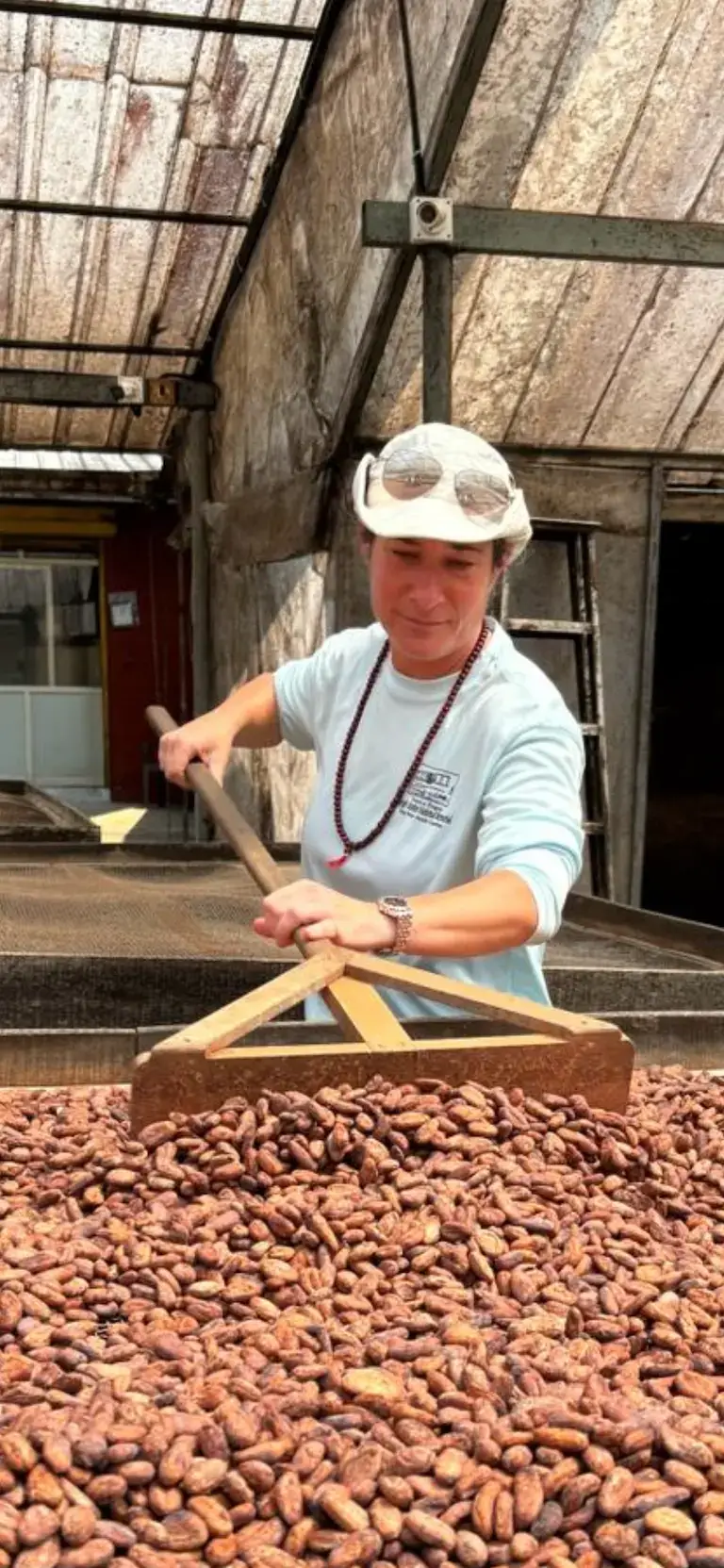
Her pantry is now a laboratory of global flavors, and her oven is a constant source of creation. Erin Seidemann no longer just eats chocolate; she understands the labor, the geography, and the chemistry behind every square. She has transformed an accidental hobby into a mission, proving that with enough dedication, even the most complex, unpredictable ingredient can be mastered.
Supporting Data and Industry Context
The craft chocolate sector, while still a fraction of the global chocolate market, is growing at a significant rate as consumers shift toward ethical, single-origin products.
- Transparency: According to recent data from the International Institute of Chocolate and Cacao Tasting (IICCT), professional certification programs have seen a 40% increase in enrollment since 2020, driven by an interest in sensory science.
- Labor Ethics: The U.S. Department of Labor continues to report that over 1.5 million children are engaged in hazardous labor in the West African cocoa sector. Seidemann’s advocacy for "bean-to-bar" makers is part of a broader movement to increase the market share of ethically sourced chocolate, which currently represents less than 5% of global sales.
- The Role of Competition: Awards programs like the International Chocolate Awards provide essential marketing leverage for micro-producers, often leading to a 20–30% increase in sales following a high-level win.
Official Perspectives on Sensory Evaluation
Professional sensory evaluation, as practiced by Seidemann, relies on the "Blind Judging Protocol." This methodology removes brand bias and packaging influence, focusing exclusively on:
- Aroma: Evaluated at room temperature.
- Snap/Texture: Measuring the quality of the temper and the mouthfeel of the fat content.
- Flavor Profile: Identifying primary, secondary, and tertiary notes.
- Finish: Evaluating the persistence of flavor on the palate.
By applying these rigorous standards, judges ensure that the artisanal craft of chocolate making is held to the same professional scrutiny as wine or coffee, ultimately elevating the standards of the entire industry.

 Siti Muinah

 Rifan Muazin

