 Dwi Wanna
 Nana Wu
 Muslim
 Reynand Wu
 Ammar Sabilarrohman
 Raul Delapena Setiawan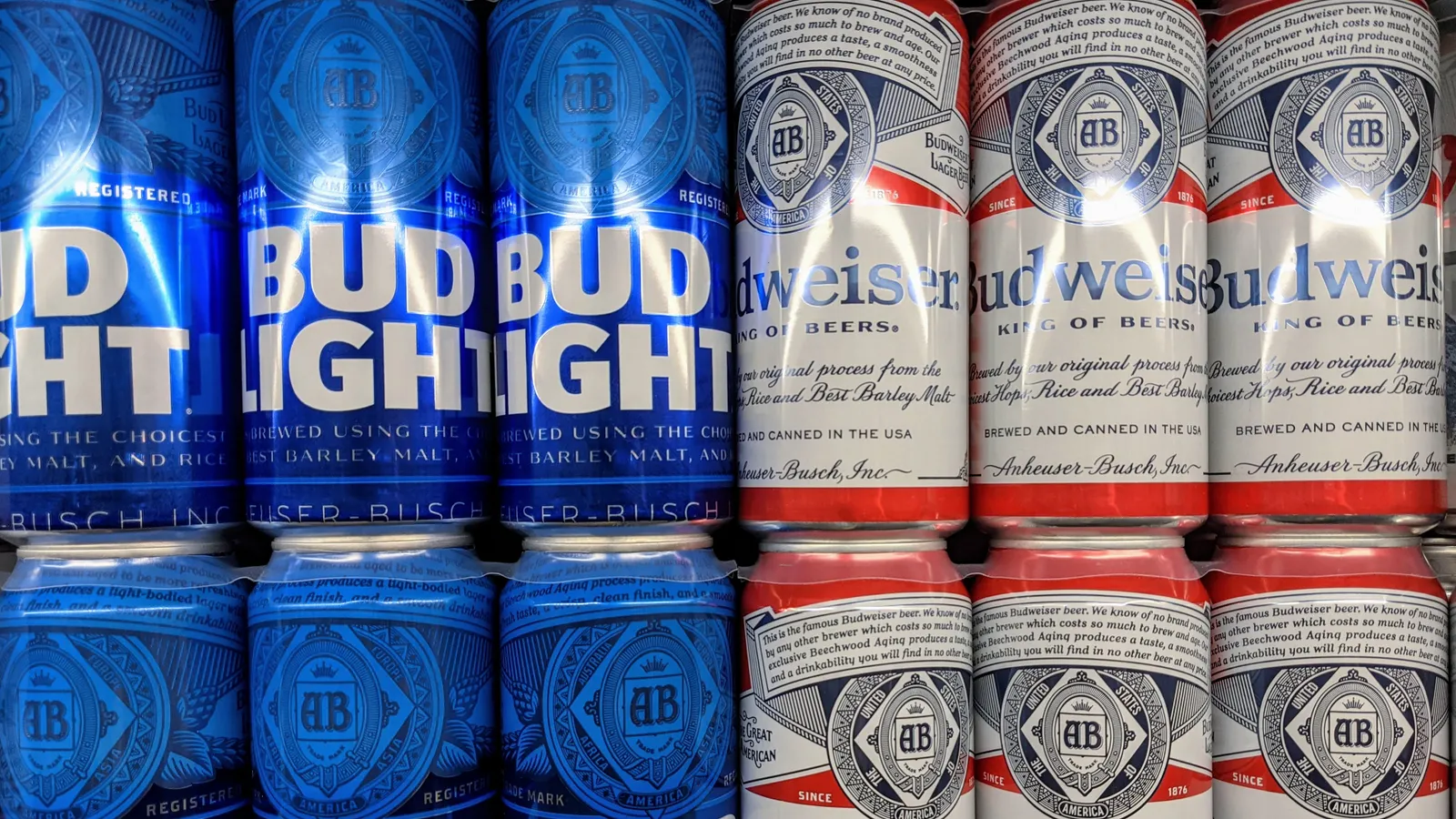
As the global beverage industry prepares for a high-stakes summer season, the world’s leading metal packaging manufacturers are sounding a consistent alarm: demand is outstripping supply. Following a first quarter marked by strong financial performance and cautious optimism, canmakers—including industry giants Ball, Crown Holdings, and Ardagh Metal Packaging (AMP)—are reporting that their production lines are operating at or near maximum capacity.
This tightness comes as a welcome relief to a market that has seen years of sluggish performance in the beer sector. However, the industry is not without its challenges. From geopolitical instability in the Middle East and fluctuating energy costs to the complexities of international trade tariffs, the path forward for the aluminum packaging sector remains fraught with both opportunity and significant operational risk.
Main Facts: A Robust Start to 2026
The first quarter of 2026 has provided clear evidence that the beverage market is undergoing a structural shift toward aluminum. Major beverage conglomerates are reporting signs of recovery; notably, Anheuser-Busch InBev, the world’s largest brewer, recently celebrated its first sales volume increase in three years. Simultaneously, Coca-Cola has successfully leveraged "price pack architecture"—the strategic use of varying container sizes and price points—to drive growth, specifically highlighting the soaring popularity of mini cans in convenience store settings.
For the canmakers, this translates to an enviable position: they are essentially sold out. Production facilities are currently operating under heavy demand, with manufacturers prioritizing long-term contract customers over the spot market. As companies look toward the second half of 2026, the industry consensus points toward low-single-digit growth, buoyed by major sporting events and commemorative consumer marketing campaigns.
Chronology of Q1 Developments
The narrative of the current market began to coalesce in late April and early May 2026, as major suppliers delivered their quarterly recaps to investors and analysts.
- April 23, 2026: Ardagh Metal Packaging (AMP) initiated the earnings season, reporting a revenue of $1.5 billion. CEO Oliver Graham framed 2026 as a "transition year," noting that while the company experienced a slight volume decline, it remains bullish on a recovery in 2027.
- April 28, 2026: Crown Holdings reported a strong quarter with net sales of $3.26 billion, a 12.9% year-over-year increase. CEO Tim Donahue highlighted that March 2026 marked the company’s highest shipment month in its history.
- May 5, 2026: Ball Corporation concluded the major industry updates, posting net sales of $3.6 billion—a 16.3% jump—and emphasizing that their production capacity is essentially fully booked for the remainder of the year and significantly committed through the end of the decade.
Supporting Data: A Snapshot of Industry Performance
The financial health of the "Big Three" in the metal packaging space underscores the current intensity of the sector.
Ball Corporation
Ball remains the dominant force in the industry. Its Q1 2026 net earnings hit $205 million, up from $179 million in the same period last year. With over 90% of its capacity sold for 2027 and more than 50% for the balance of the decade, the company is doubling down on expansion. A new plant in Millersburg, Oregon, is slated for commissioning later this year, with an estimated $35 million in startup costs. There are also strong indications that a future East Coast facility, likely in North Carolina, is being considered to keep pace with demand.
Crown Holdings
Crown’s strategy has centered on operational efficiency. Despite a slight dip in net income compared to Q1 2025—falling from $227 million to $206 million—the company saw a 5% increase in global beverage shipments. The growth in food cans (up 3%) and the strategic agility of its Asian operations suggest that Crown is well-positioned to mitigate regional supply chain disruptions.
Ardagh Metal Packaging (AMP)
AMP’s financial report showed a $5 million loss, consistent with the prior year. While its beverage can sales fell by 1%, the company remains confident in the growth of specialty cans and energy drinks. Management has signaled that the second half of the year will likely see more favorable volumes compared to the first, as the company navigates contract resets and market shifts.
Official Responses and Strategic Outlook
The leadership of these corporations view the current supply tightness as a testament to the versatility of the aluminum can.
The Marketing Power of the Can
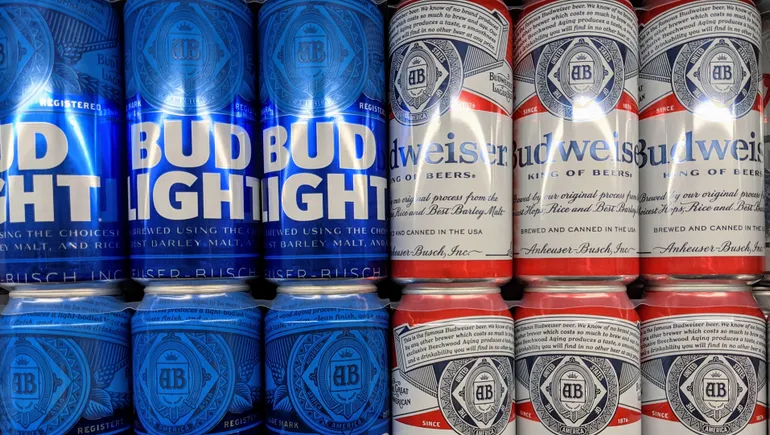
Ball CEO Ron Lewis pointed to a unique phenomenon this summer: the convergence of global sporting events and national milestones. "When I go into our plants and our factories around the world… at least one of the lines is running a World Cup label," Lewis noted. He added that the same is true for products celebrating America’s 250th anniversary. According to Lewis, the can serves as an "amazing billboard" for these promotions, allowing brands to differentiate themselves through packaging design in ways that plastic or glass cannot match.
Geopolitical Realities and Supply Chain Integrity
Geopolitics remains a significant variable. For Crown Holdings, which has a physical presence in the Middle East, the conflict in the region is a logistical factor. CEO Tim Donahue explained that if the Strait of Hormuz remains blocked, preventing traditional shipping routes to India, Crown is prepared to redirect supply from its Southeast Asian facilities to meet Indian demand.
Conversely, Ball and AMP maintain that they have no direct manufacturing operations in the Middle East. However, all three companies are closely monitoring the "pass-through" costs associated with energy, freight, and aluminum premiums. While the industry is largely passing these costs to consumers, the volatility remains a persistent threat to profit margins.
Inflation and Consumer Behavior
A recurring theme during the earnings calls was the impact of inflation on the end consumer. Surprisingly, industry leaders remain optimistic. Crown’s Tim Donahue noted that the beverage can industry often performs better when consumers adopt a "stay-at-home" mentality, as home-based consumption frequently shifts volume toward multipacks—a key driver for aluminum can demand.
Implications: A Future Defined by Capacity
The implications of this market state are profound for both the industry and its customers.
1. Consolidation of Power: The fact that major suppliers are sold out through the end of the decade signals a high barrier to entry for smaller players. It also gives the "Big Three" significant leverage in contract negotiations. As Donahue stated, "Certainly, contract customers come before spot customers," suggesting that small-scale brewers and niche beverage companies may find themselves squeezed in the coming months.
2. The "Transition Year" Dynamic: As AMP’s leadership noted, 2026 is a period of recalibration. The industry is moving from the chaotic, high-demand post-pandemic era to a more stabilized, albeit tight, growth trajectory. This transition requires significant capital expenditure, as seen in Ball’s $35 million investment in Oregon.
3. Tariff Resilience: Despite the uncertainty surrounding global trade policy, the consensus among canmakers is that tariffs, while viewed as "poor policy," will not significantly disrupt the long-term trajectory of the aluminum can. The demand for sustainable, recyclable, and convenient packaging is a structural trend that appears to be outweighing temporary geopolitical friction.
4. The Summer Surge: As we look toward the peak summer months, the industry is bracing for a sustained spike in activity. The combination of seasonal demand, promotional World Cup packaging, and the rise of the energy drink category ensures that every available line in every facility will be working at maximum output.
In conclusion, the aluminum can industry has successfully pivoted from the challenges of recent years to a position of strength. While the "tight" market situation presents hurdles for supply chain managers, it also validates the massive investments made by companies like Ball, Crown, and AMP. As the world approaches a summer of sports and celebrations, the humble aluminum can is poised to be at the center of the consumer experience, reflecting the resilience and adaptability of the global manufacturing sector.


 Azzam Bilal Chamdy
 Ali Ikhwan