

 Nana Wu

 Dwi Wanna

 Suro Senen

 Evan Lee Salim

 Lina Hope
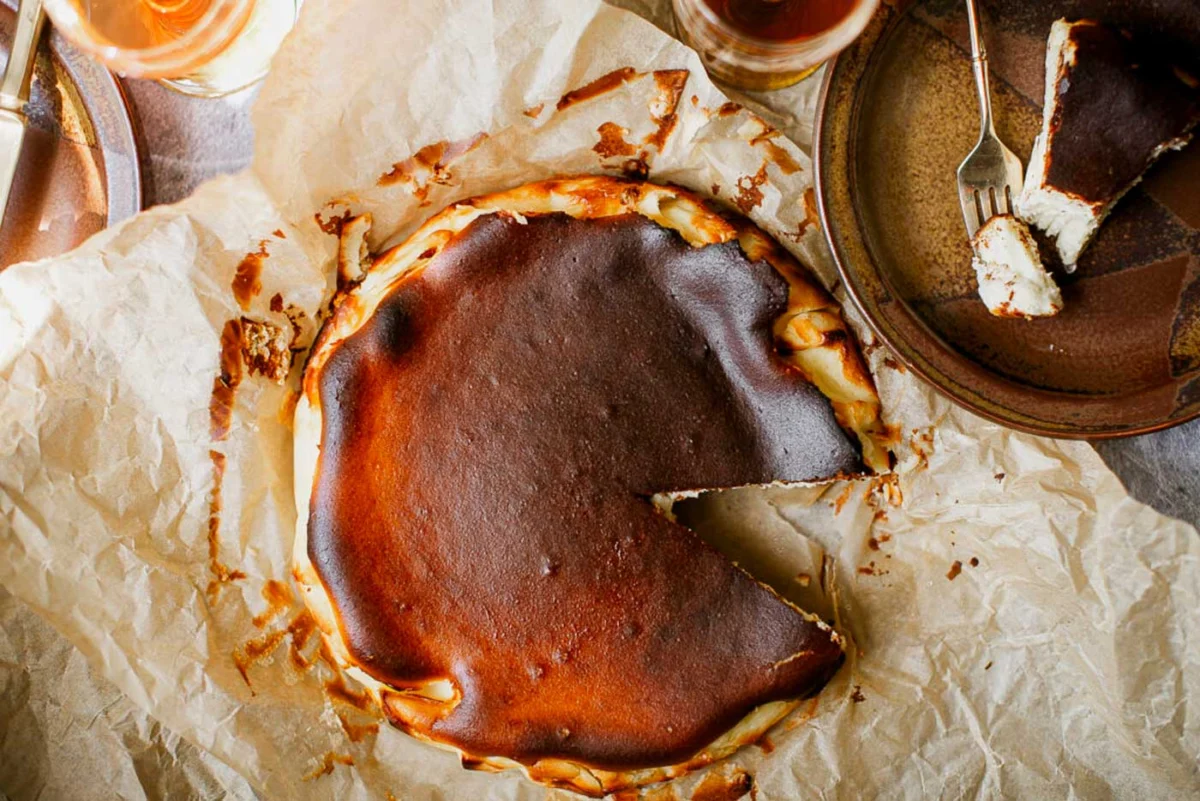
Cheese is more than just a staple of the refrigerator; it is a profound intersection of history, chemistry, and artistry. From the humble, tangy beginnings of a homemade labne to the complex, aged profiles of artisan wheels that reflect the very soil, climate, and traditions of their origin—known in the industry as terroir—cheese remains the ultimate comfort ingredient.

As we approach National Cheese Day on June 4th, it is time to celebrate the cheesemakers, the mongers, and the home cooks who keep this ancient practice alive. This year, we have curated a comprehensive guide to 135 ways to enjoy this versatile ingredient, spanning the entire culinary spectrum from breakfast to dessert.

The Foundations: Understanding Cheese Culture
The science behind cheesemaking is rooted in human resourcefulness. Historically, the process of turning milk into cheese was a survival mechanism—a method to preserve perishable ingredients. Today, that preservation method has evolved into a sophisticated craft. Whether you are working with cow, goat, or sheep milk, the transformation from liquid to curd, and eventually to a finished product, is a testament to the power of fermentation and aging.

For the Edible Communities network, this love for cheese is more than a passing trend. It is a recurring narrative told through the stories of local artisans and the many ways home cooks can demystify the process of making cheese from scratch.

Chronology of the Craft: From Home Kitchens to Global Staples
The journey of a cheesemaker often begins at home. Understanding the basics allows for a deeper appreciation of the professional products found in your local market.

Homemade Cheese Essentials
- Labne (Yogurt Cheese): A cornerstone of Middle Eastern cuisine, this strained yogurt is remarkably simple to produce. Requiring only plain yogurt, salt, and cheesecloth, it offers a creamy, tangy profile that serves as the perfect canvas for olive oil and za’atar.
- Farmer’s Cheese: By utilizing an edible acid to separate curds from whey, home cooks can create a fresh, crumbly cheese that is versatile enough for both sweet and savory applications.
- Ricotta: Unlike commercial versions—which are often "recooked" whey—homemade ricotta starts with fresh whole milk. The difference in texture and moisture is profound, resulting in a product that is infinitely smoother and more luxurious.
- Feta: A surprisingly forgiving project for the home cook, homestead feta can be stored in brine for months, making it an excellent candidate for long-term storage or even camping trips.
- Paneer: This non-melting, fresh South Asian cheese is prized for its mild, milky sweetness and its ability to absorb complex spices without losing its structural integrity.
Pro Tip: Never discard your whey. This protein-rich byproduct of the cheesemaking process is a culinary goldmine, useful in everything from baking to marinating.

Supporting Data: The Versatility of Cheese in the Kitchen
The utility of cheese is virtually limitless. Our comprehensive roundup highlights how cheese acts as the star across every meal category.

Bread, Pastries, and Breakfast
The marriage of dough and cheese is a global phenomenon. From the naturally gluten-free Brazilian Pão de Queijo—which offers a crisp exterior and a chewy, milky center—to the sophisticated Caramelized Onion and Goat Cheese Bread, cheese adds depth and texture to baked goods.

Breakfast, too, is a primary stage for cheese. The Georgian Khachapuri serves as a decadent example of cheese-forward breakfast culture, featuring a "gondola" of dough filled with a melty cheese blend and topped with a farm-fresh egg. For those with a sweeter tooth, Blueberry-Stuffed Cream Cheese French Toast provides a rich, custardy start to the day.

Soups and Salads
Cheese elevates soups from simple broths to hearty meals. The classic French Onion Soup relies on a bubbling, nutty layer of Gruyère to achieve its iconic status. Meanwhile, for those sweltering summer days, a Green Gazpacho enriched with creamy, fresh burrata offers a cooling contrast to the acidity of seasonal vegetables.

Salads, similarly, benefit from the addition of cheese. The Caprese remains the gold standard, but modern variations—such as Grilled Eggplant Caprese or Zucchini Farro Salad with Burrata—demonstrate how cheese can bridge the gap between fresh produce and substantial, satisfying meals.

The Alpine Tradition: Fondue and Raclette
In Alpine regions, cheese is not merely an ingredient; it is a social event. Fondue invites conversation and communal eating, turning a pot of melted cheese into a centerpiece. Raclette, derived from the French word racler (to scrape), turns the act of eating into a ritual. These dishes emphasize the importance of using high-quality melting cheeses, which, when heated properly, transform into a silky, indulgent experience.

Official Perspectives: The Artisan’s Role
"We owe a heartfelt appreciation to every artisan cheesemaker who continues to practice this ancient craft," notes the Edible Communities editorial team. The movement toward supporting local cheesemakers is a push against the homogenization of flavor. By choosing artisanally produced cheeses, consumers are not only supporting the local economy but are also preserving the unique "voice" of the land that commercial mass-production often strips away.

Implications for the Modern Home Cook
The resurgence of interest in cheesemaking has significant implications for modern dietary habits. Goat cheese, for example, is increasingly recognized for being lower in calories, fat, and cholesterol than many cow-milk varieties, and its lower lactose content makes it a more accessible option for those with mild sensitivities.

Furthermore, the "do-it-yourself" approach to cheese—such as making your own ricotta or yogurt cheese—empowers consumers to control the quality of ingredients, eliminate unnecessary additives, and reduce packaging waste.

A Note on Sustainability
The use of "trash" ingredients, such as utilizing cheese rinds in soups (like Pasta e Fagioli in Parm Broth), is a critical aspect of sustainable cooking. It teaches home cooks to view ingredients not as disposable, but as layered components that provide depth and nutrition long after the main event is over.

Conclusion: Celebrating June 4th
As National Cheese Day approaches, we encourage readers to move beyond the standard cheddar slice. Whether you are attempting your first batch of homemade farmer’s cheese, experimenting with a savory Blackberry-Bacon Grilled Cheese, or hosting a communal raclette dinner, the world of cheese is vast and waiting to be explored.

For those looking to dive deeper, we invite you to explore the full library of 135 recipes curated by our network of local publications. From the simplest dips to the most complex soufflés, the message remains the same: cheese is not just food; it is a culture, a science, and an art form that deserves to be celebrated every single day.

For detailed instructions on any of the recipes mentioned—from Homemade Labne to Bittersweet Chocolate Cheesecake—visit your local Edible Communities publication online.


 Asep Darmawan

 Layla Zulfa

