

 Nana Wu

 Dwi Wanna

 Suro Senen

 Evan Lee Salim

 Asep Darmawan
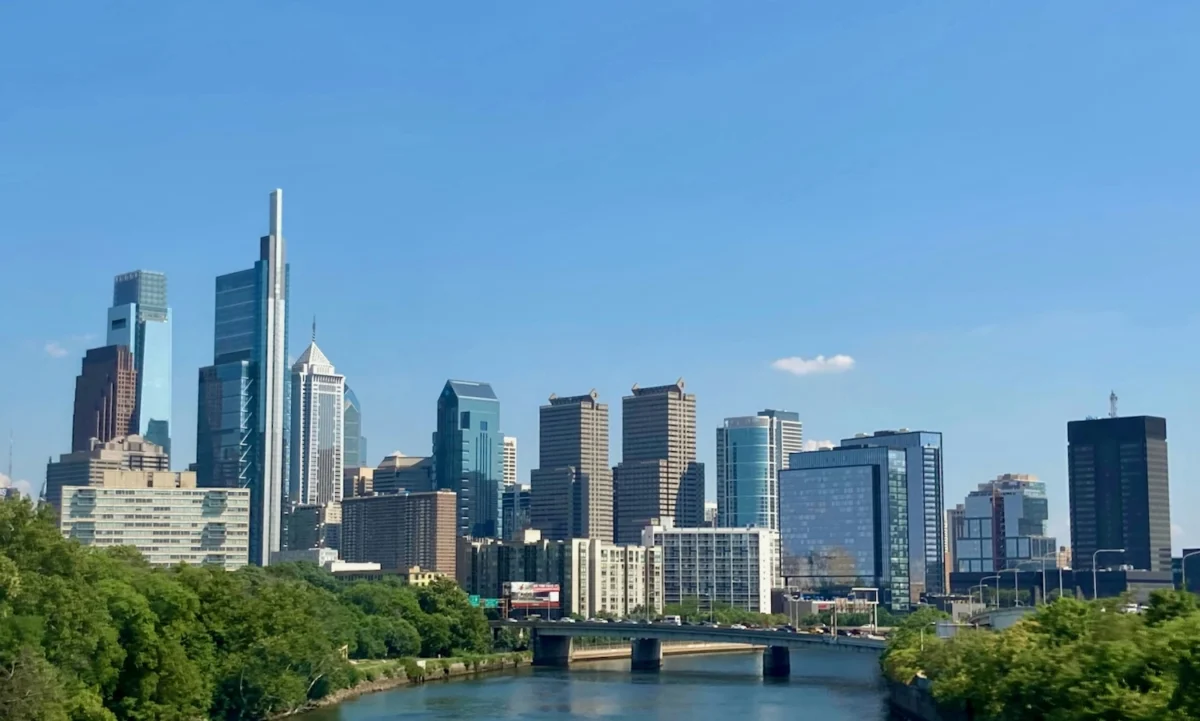
In the historic streets of Philadelphia, a quiet revolution is taking root. It is not fought with legislation alone, but with fresh produce, medically tailored meals, and a fundamental reimagining of the relationship between the dinner table and the doctor’s office. As the city grapples with persistent socioeconomic disparities, a robust "Food is Medicine" movement is emerging, signaling a paradigm shift in how urban centers address the intersection of nutrition, poverty, and public health.
The State of Food Security in the City of Brotherly Love
The urgency of this movement cannot be overstated. According to data from Feeding America, approximately 15 percent of households in Philadelphia experience food insecurity—a statistic that represents tens of thousands of families struggling to secure their next nutritious meal.
This crisis is compounded by the geography of nutrition. The Philadelphia Department of Public Health has long identified a stark imbalance in the city’s retail landscape: unhealthy food stores outnumber healthy options by a ratio of ten to one. In many neighborhoods, "food deserts"—or more accurately, "food apartheids"—create environments where processed, shelf-stable snacks are ubiquitous, while fresh fruits, vegetables, and lean proteins are prohibitively expensive or physically inaccessible.
This environmental imbalance is the primary target for a growing coalition of grassroots organizations, healthcare providers, and policy advocates. Their mission is twofold: to treat the immediate symptoms of hunger and to dismantle the systemic barriers that prevent long-term health equity.
A Chronology of Care: The Evolution of Food Access in Philadelphia
The current momentum is the result of decades of incremental, community-led innovation.
- 1985: Bebashi – Transition To Hope is founded, establishing an early blueprint for healthcare-integrated food support.
- 1986: The Share Food Program emerges as a food co-op, marking the beginning of a shift toward sustainable, independent food distribution networks.
- 2016: A defining moment in modern food recovery occurs when student Evan Ehlers begins distributing unused meal swipes at Drexel University, eventually leading to the formation of Sharing Excess.
- 2020: The COVID-19 pandemic serves as a catalyst for rapid, collaborative action, resulting in the birth of initiatives like The People’s Kitchen, which centered food sovereignty and community resilience during a time of extreme volatility.
- 2025: The formation of the Philadelphia Food as Medicine Coalition marks a new era of institutionalized collaboration, bringing together diverse stakeholders to scale interventions.
The Philadelphia Food First Health Summit
On October 27, this collective energy will culminate in the Food First Health Summit Philadelphia. Hosted by a powerhouse consortium including Food Tank, FareRX, AmeriHealth Caritas, and Temple University, the summit serves as a critical junction for policymakers, agricultural experts, and public health practitioners.
The summit is designed to move beyond theoretical discussions. Attendees will engage in interactive breakout sessions, dissecting the logistics of medically tailored meals, the integration of nutrition into primary care, and the scaling of "food-as-a-prescription" models. The event underscores a central tenet of the movement: that healthcare systems must account for the social determinants of health—specifically, what patients eat—to achieve meaningful clinical outcomes.
Pillars of the Movement: 13 Organizations Leading the Charge
The efficacy of Philadelphia’s approach lies in its diversity of models. Below are 13 organizations currently setting the standard for food and nutrition security:
1. Bebashi – Transition To Hope
As a full-service healthcare organization, Bebashi operates the Food First Pantry with a "client-choice" model. By allowing individuals to select the food that meets their specific cultural or dietary needs, the organization restores dignity to the aid-seeking process.
2. Caring for Friends
This organization addresses the dual epidemic of hunger and social isolation. By providing both meals and face-to-face visits, they ensure that seniors, veterans, and individuals with disabilities are not only fed but are seen and supported.
3. FarmerJawn
Founder Christa Barfield is redefining urban agriculture. With 128 acres dedicated to regenerative production, FarmerJawn’s "CornerJawn" initiative seeks to inject nutrient-dense, chemical-free food directly into corner stores, ensuring that healthy food is not a luxury good.
4. Feast of Justice
A veteran of the Northeast Philadelphia community, this volunteer-run pantry has served nearly 11,000 neighbors in the last year, proving that community-led distribution remains a cornerstone of crisis response.
5. Food Connect
By bridging the logistical gap, Food Connect provides essential delivery services for medically tailored meal programs, including a vital partnership with the Children’s Hospital of Philadelphia.
6. MANNA
A pioneer in the Food is Medicine movement, MANNA provides medically tailored meals that are proven to reduce hospital readmission rates and shorten recovery times for patients living with serious illnesses.
7. Philabundance
As a cornerstone of the regional food landscape, Philabundance manages the complex logistics of feeding nine counties, integrating workforce development with large-scale food distribution.
8. Philadelphia Food as Medicine Coalition
This new, overarching body is the nervous system of the movement, connecting practitioners and advocates to ensure that disparate efforts are unified in their policy goals and service delivery.
9. Share Food Program
Growing from a co-op to one of the largest independent food banks in the nation, their work spans from senior food boxes to the cultivation of fresh produce at Nice Roots Farms.
10. Sharing Excess
With over 317 million pounds of food rescued since its inception, Sharing Excess has fundamentally challenged the narrative that food insecurity is a problem of supply, proving it is instead a challenge of logistics and distribution.
11. St. Christopher’s Foundation for Children
Focusing on the next generation, their "Farm to Families" and "My Family Kitchen" programs ensure that children learn not just how to eat, but how to prepare healthy, affordable food from a young age.
12. The Food Trust
Through the "Healthy Corner Store Initiative," The Food Trust works to change the retail infrastructure of the city, incentivizing small businesses to prioritize fresh inventory over ultra-processed options.
13. The People’s Kitchen
A collaborative of chefs and activists, this group fights for food sovereignty, using the power of culinary arts to address the systemic roots of poverty and hunger.
Implications for Public Policy and Health
The implications of this movement extend far beyond the city limits of Philadelphia. As these organizations prove that nutrition-based interventions can reduce healthcare costs, the data becomes impossible for national policymakers to ignore.
"Food is Medicine" is shifting from a charitable endeavor to a clinical necessity. When a healthcare system recognizes that a prescription for fresh vegetables is as important as a prescription for medication, the cost-benefit analysis of public health changes drastically. By reducing hospital stays, improving management of chronic conditions like diabetes and hypertension, and supporting the emotional well-being of the elderly, these Philadelphia-based models offer a blueprint for a more resilient, healthier American city.
The success of these programs suggests that the path to ending hunger lies in decentralization and empowerment. By trusting community leaders, supporting local farmers, and integrating technology into food logistics, Philadelphia is demonstrating that a city can, indeed, nourish its way to better health.
Join the conversation. For those interested in the future of these initiatives, the Food First Health Summit on October 27 offers a vital opportunity to engage with the architects of this movement. Whether in person or online, participating in this dialogue is the first step toward a more equitable food system.


 Layla Zulfa

