Nana Wu

 Dwi Wanna

 Suro Senen

 Evan Lee Salim

 Sagoh
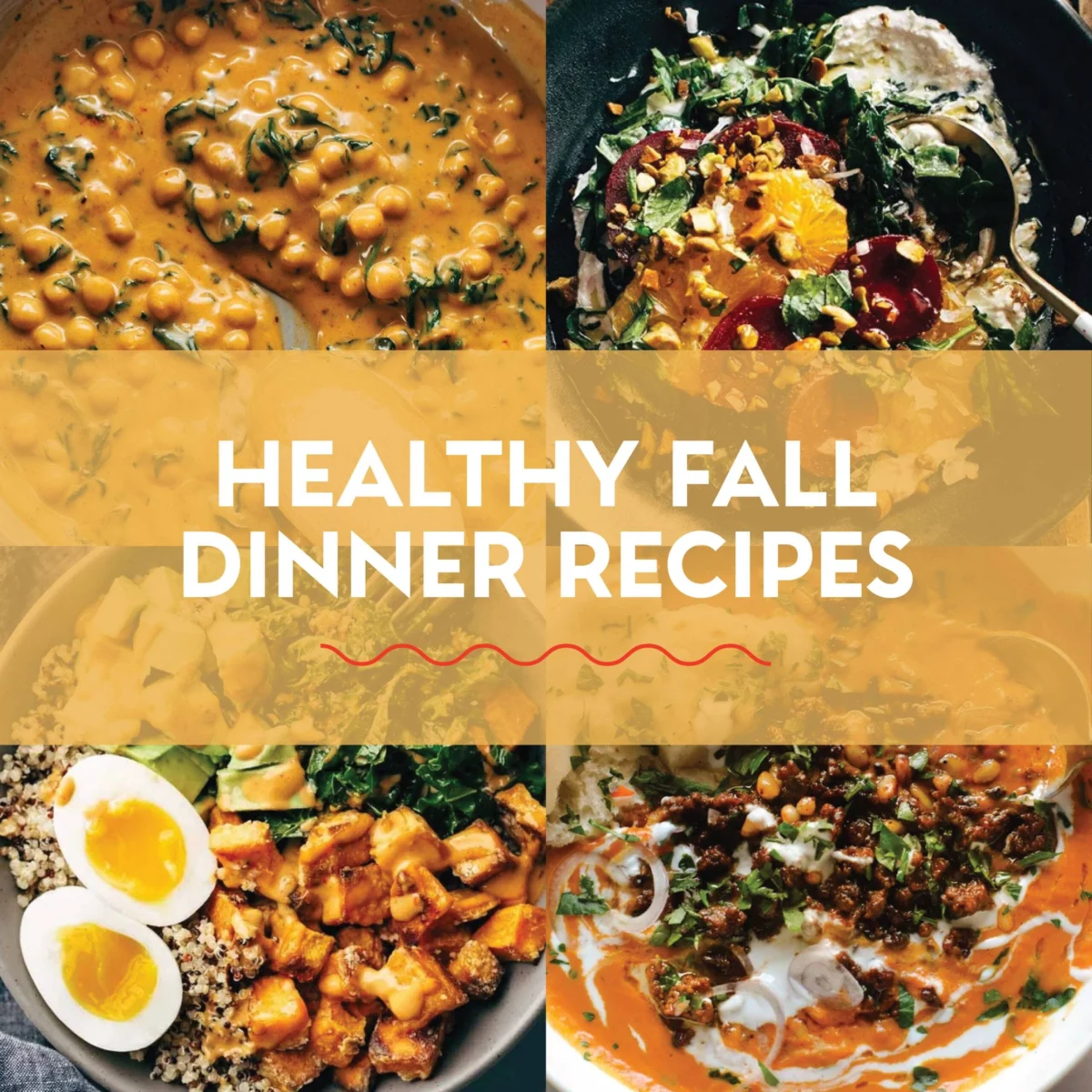
As the golden hue of autumn leaves begins to settle and the crisp bite of cooler air returns, the culinary landscape undergoes a significant transformation. For home cooks and nutrition enthusiasts alike, fall represents a return to the hearth—a time when steaming bowls, earthy spices, and root vegetables become the cornerstones of the kitchen. Beyond the sensory appeal of cozy aromas, autumn provides a unique opportunity to recalibrate our nutritional intake by embracing produce that is at its peak harvest.
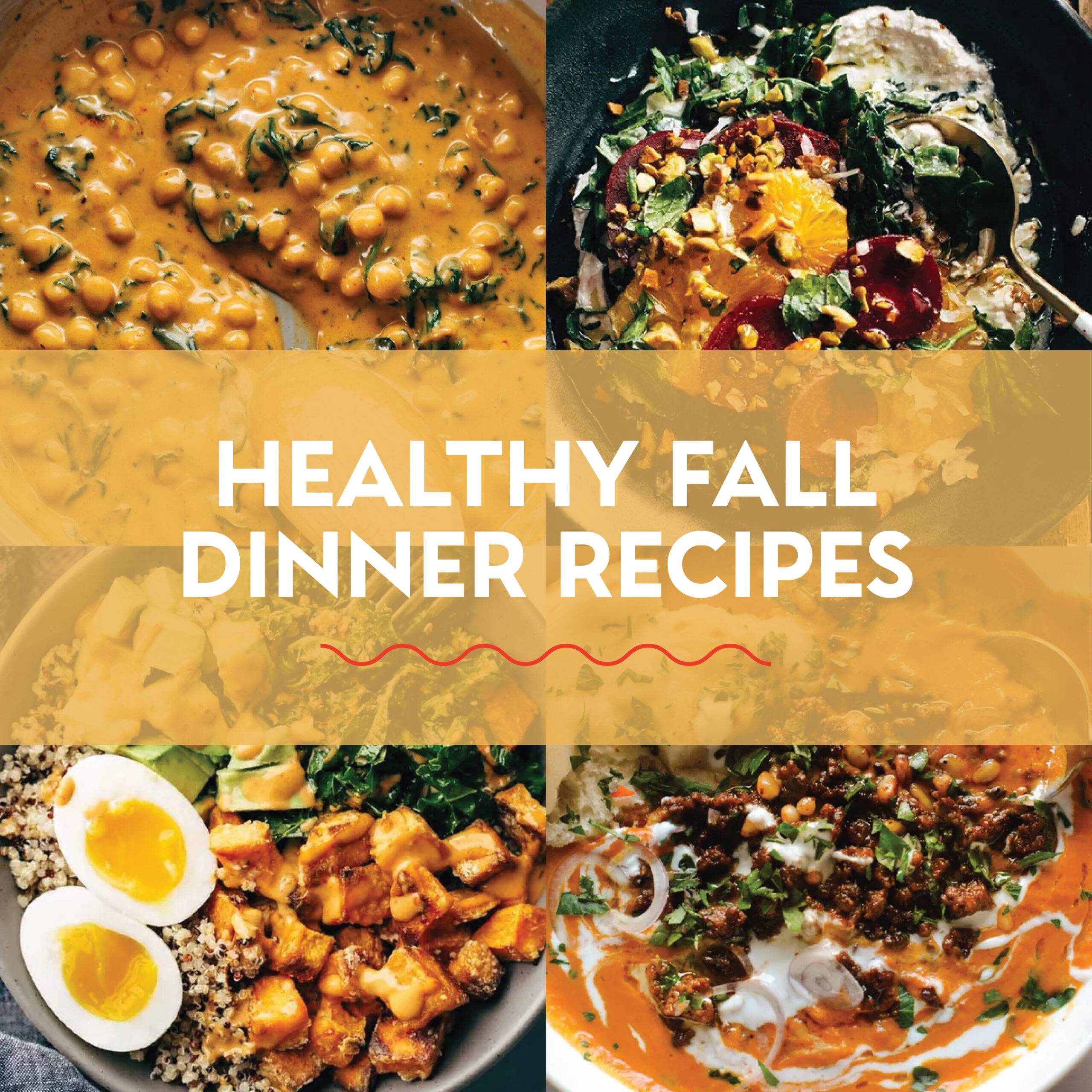
This season is characterized by a transition from the light, raw fare of summer to the robust, warming meals that define autumn comfort. However, the modern pursuit of "cozy" dining does not have to come at the expense of health. By leveraging nutrient-dense ingredients like sweet potatoes, hearty greens, legumes, and lean proteins, it is entirely possible to create weeknight dinners that satisfy the soul while nourishing the body.
The Seasonal Shift: Understanding Autumnal Nutrition
The fundamental shift in dietary preference during the fall is supported by both biological and psychological drivers. As daylight hours shorten, the body naturally craves more sustaining, complex carbohydrates and warming, mineral-rich soups.
Nutritionists often point to the "Autumn Bounty"—which includes squashes, beets, cruciferous vegetables, and apples—as a powerhouse of vitamins A, C, and E, as well as essential fiber. Integrating these into daily meal prep not only promotes better digestion but also supports immune function as we transition into the colder months. The challenge, however, remains the "weeknight crunch"—the limited time available for busy families to prepare meals that are both wholesome and delicious.
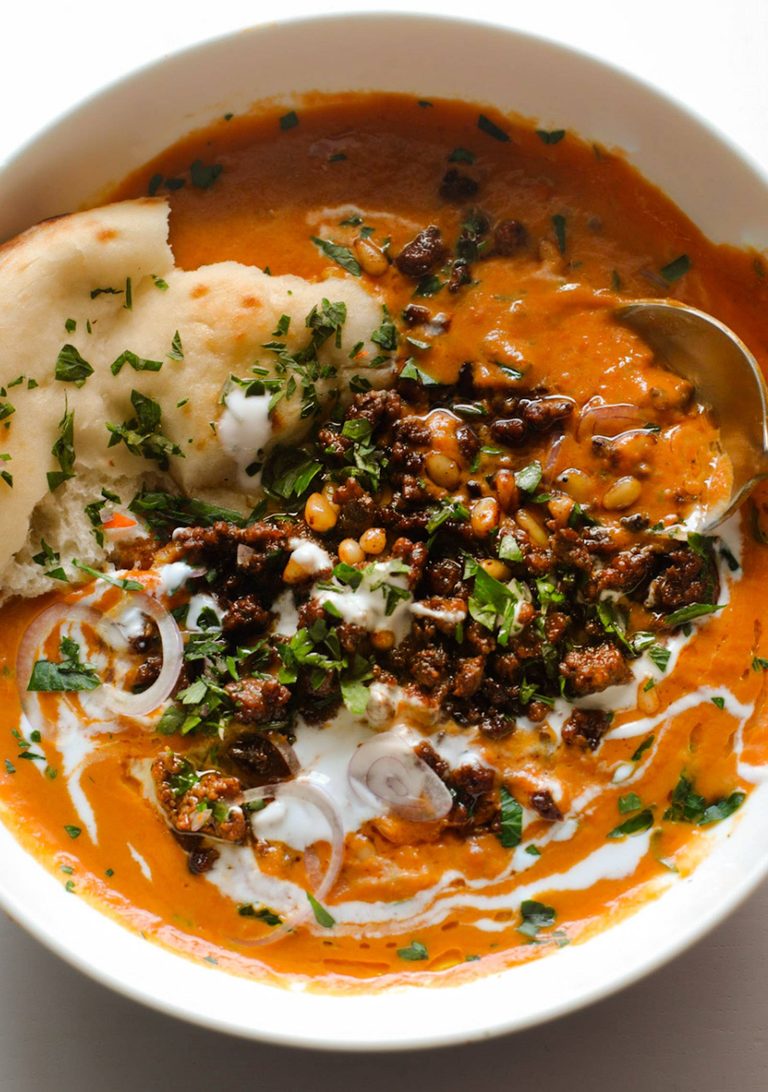
Chronology of a Fall Kitchen: From Prep to Plate
For the efficient home cook, the transition into fall cooking follows a distinct rhythm. The following sequence ensures that one can maintain a healthy, home-cooked routine throughout the work week:
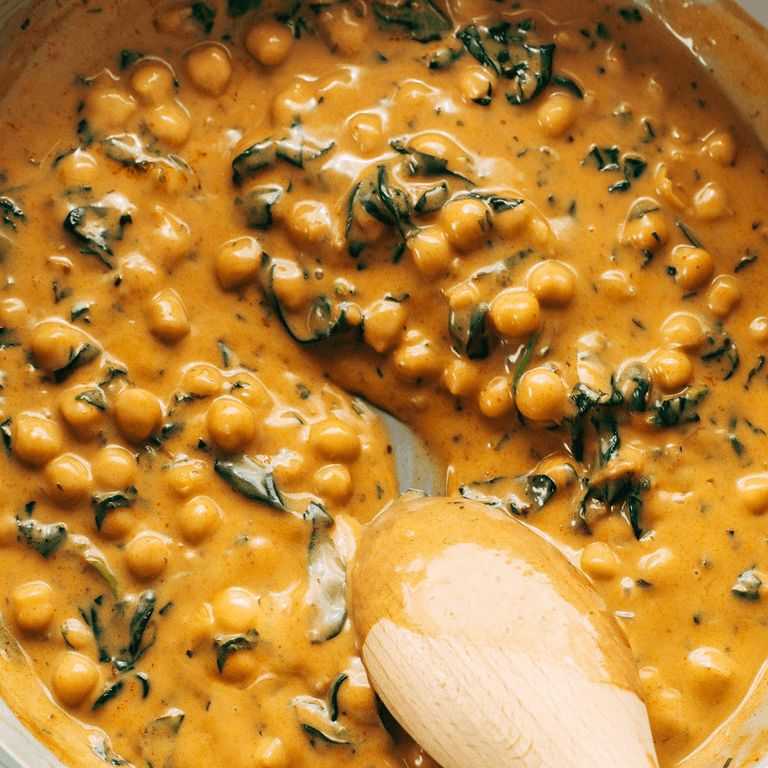
- The Sunday Reset: Utilize the weekend to roast a large batch of root vegetables—sweet potatoes, carrots, and beets. These form the base for "bowl-style" meals, which can be easily adapted with different proteins throughout the week.
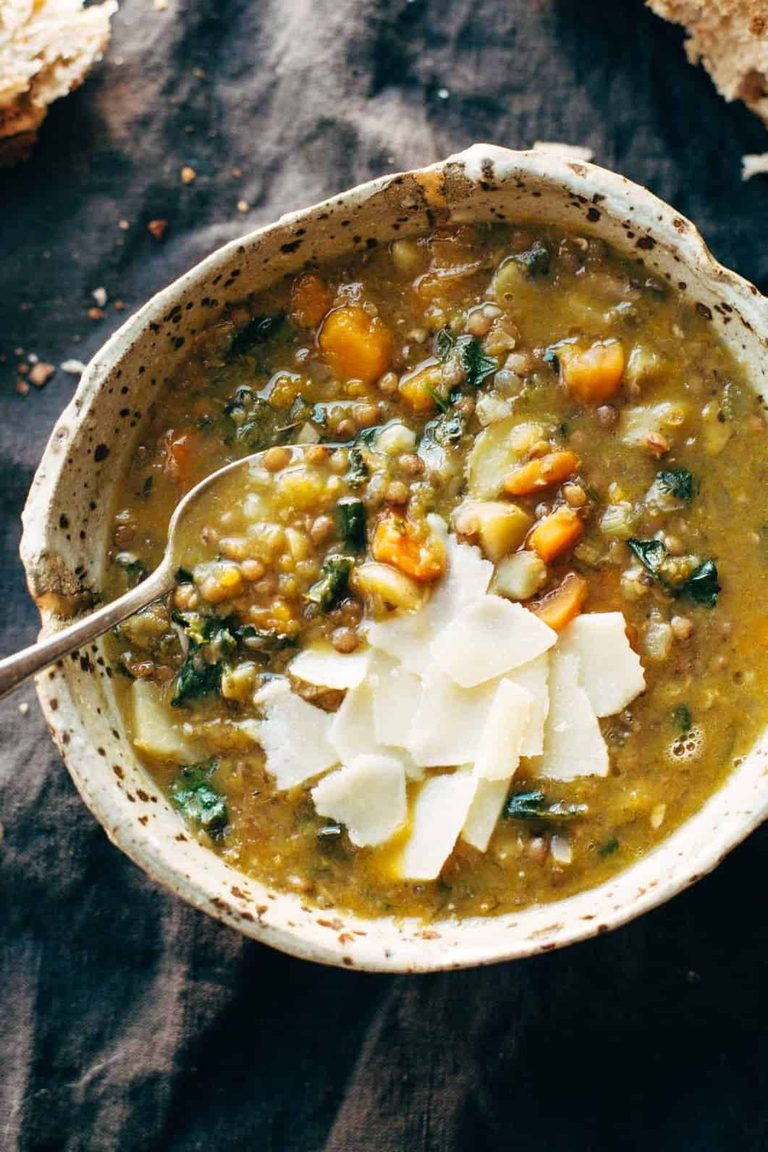
- The Mid-Week Simmer: Tuesday or Wednesday is the optimal time for slow-cooked soups or stews. Recipes like a Detox Crockpot Lentil Soup or Country Chicken Stew allow for hands-off cooking, with the added benefit of developing deeper flavor profiles as they sit.
- The Friday Flourish: As the week concludes, the palate often seeks something more vibrant. This is the time for Hot Honey Salmon or Harissa Chickpeas, where quick, high-impact flavors provide a rewarding finish to the week without requiring hours at the stove.
Supporting Data: Why "Bowl" Culture Wins
The rise of the "grain and veggie bowl" is not merely a social media trend; it is a scientifically sound approach to balanced nutrition. Research in dietary patterns consistently shows that meals combining a variety of textures and colors lead to higher satiety levels.
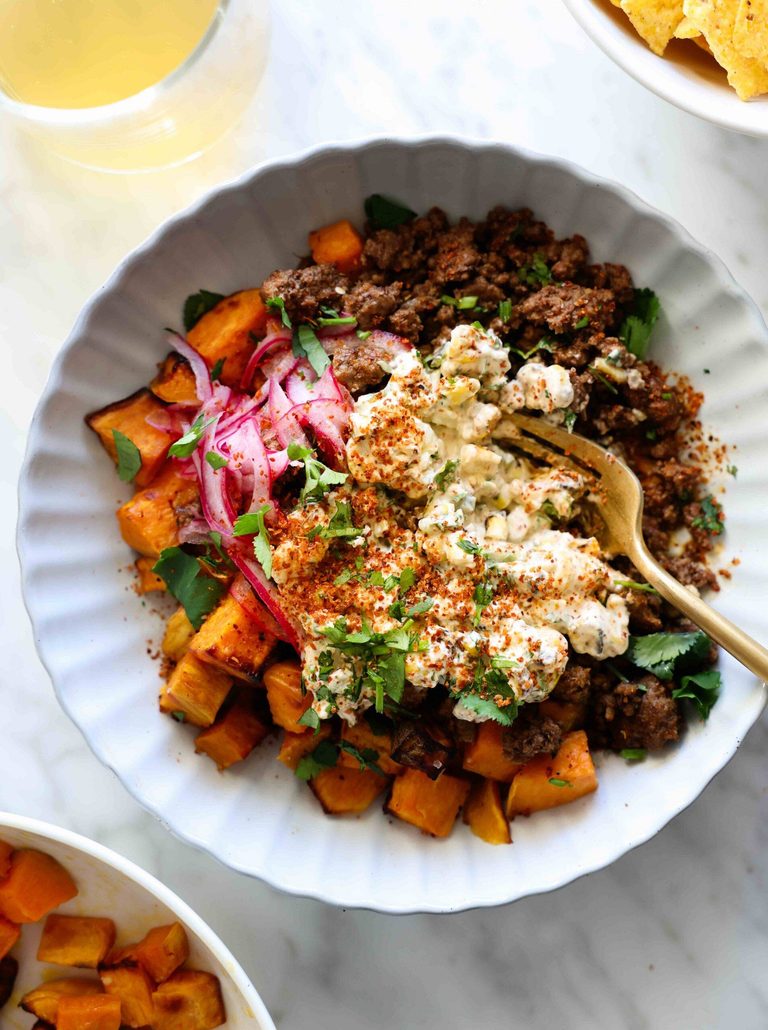
When examining the anatomy of a successful fall bowl, such as the Roasted Veggie Grain Bowl with Balsamic Dressing, we see a convergence of essential macronutrients:
- Complex Carbs: Roasted root vegetables and grains provide sustained energy.
- Lean Proteins: Whether it is spiced ground beef, tempeh, or poached eggs, protein is essential for muscle repair and metabolic health.
- Healthy Fats: Avocado, tahini, or olive oil-based dressings facilitate the absorption of fat-soluble vitamins (A, D, E, and K) found in the vegetables.
- Micronutrients: Leafy greens like kale and Brussels sprouts add a dense concentration of antioxidants.
Curating Your Fall Menu: A Guide to Seasonal Staples
The following selections represent the gold standard of fall dining—recipes that minimize effort while maximizing flavor and nutritional density.
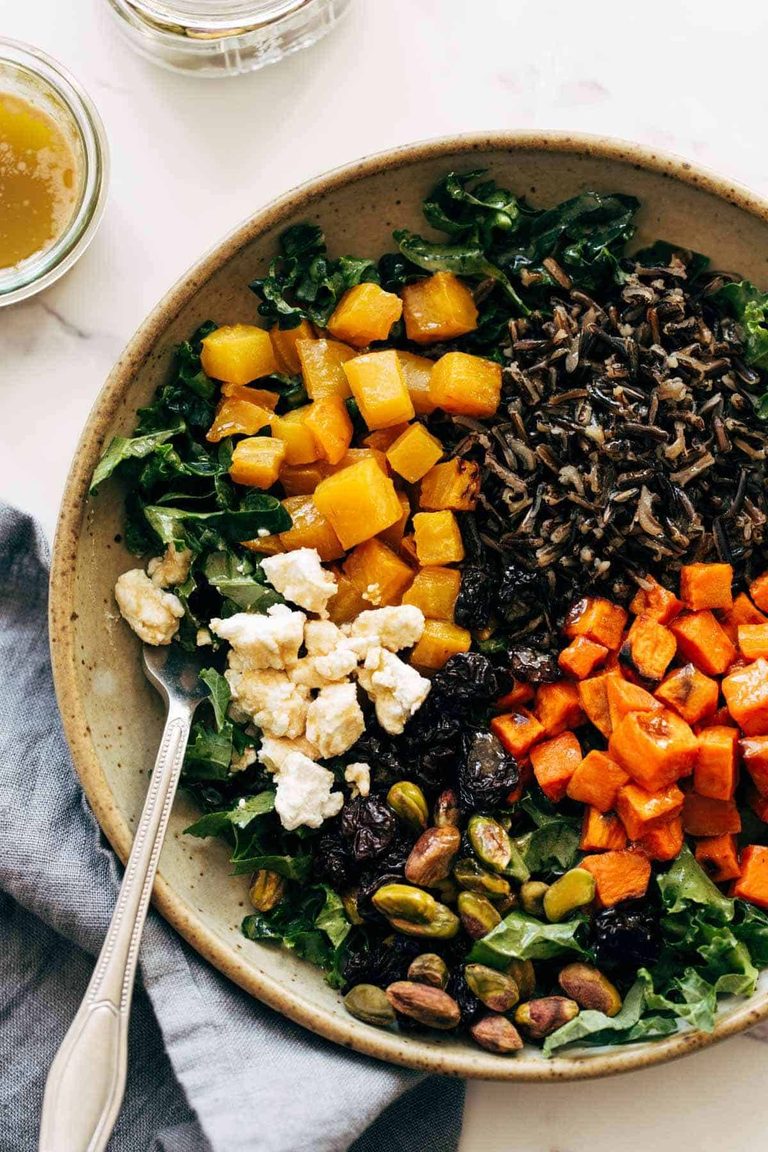
The Power of Root Vegetables
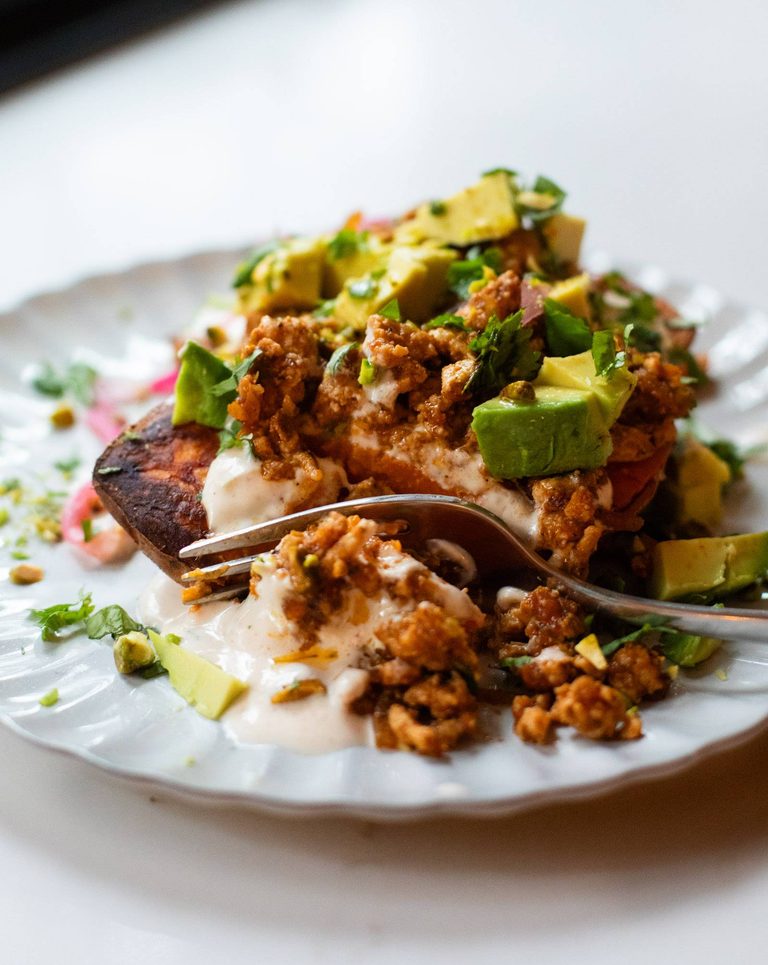
Sweet potatoes are arguably the hero of the fall harvest. Their versatility is unmatched, moving seamlessly from the Roasted Sweet Potato Stacks with Chipotle Sauce to the Street Corn Beef and Sweet Potato Bowls. When paired with fiber-rich ingredients like black beans or lentils, they provide a slow-release energy source that prevents the "after-dinner slump."

The Comfort of Soups and Curries
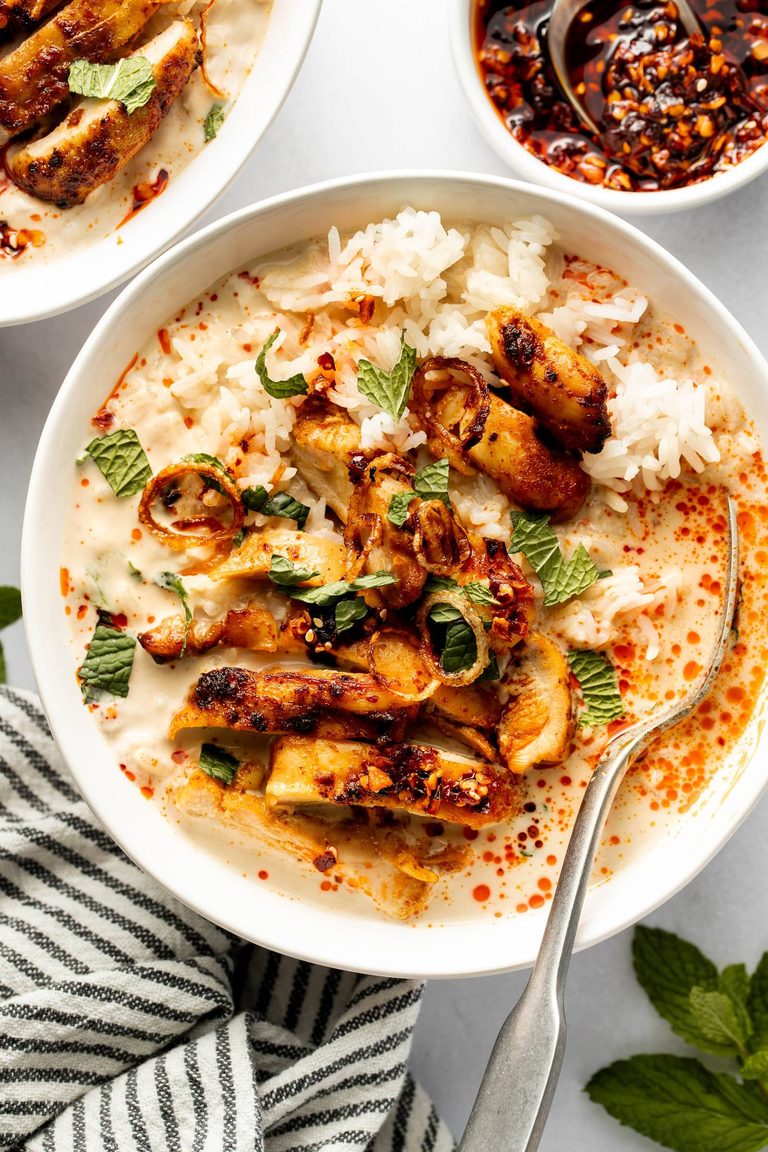
Liquid nutrition is the hallmark of autumn. The Healing Chicken and Rice Soup, infused with ginger and lime, acts as a natural anti-inflammatory, while the Creamy Thai Sweet Potato Curry offers a plant-based alternative that is just as indulgent as a traditional heavy cream sauce. These dishes are perfect for batch cooking, as their flavors often improve after a day or two in the refrigerator.
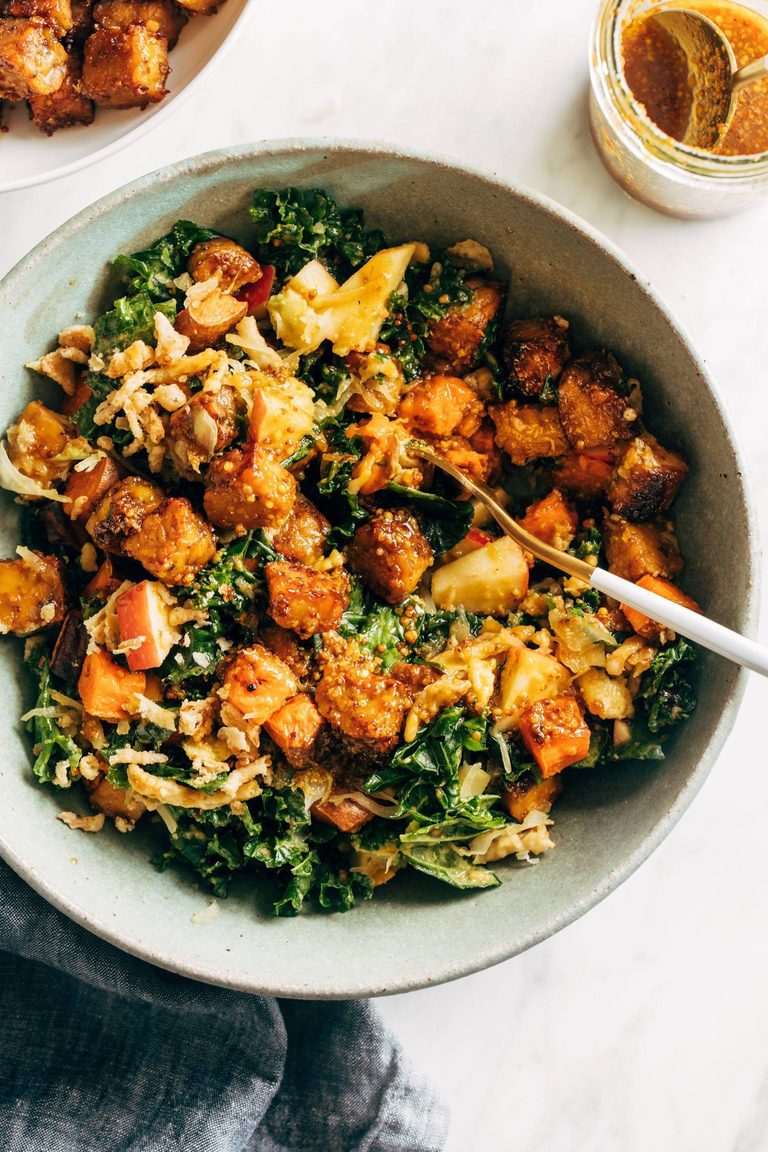
The Salad Evolution
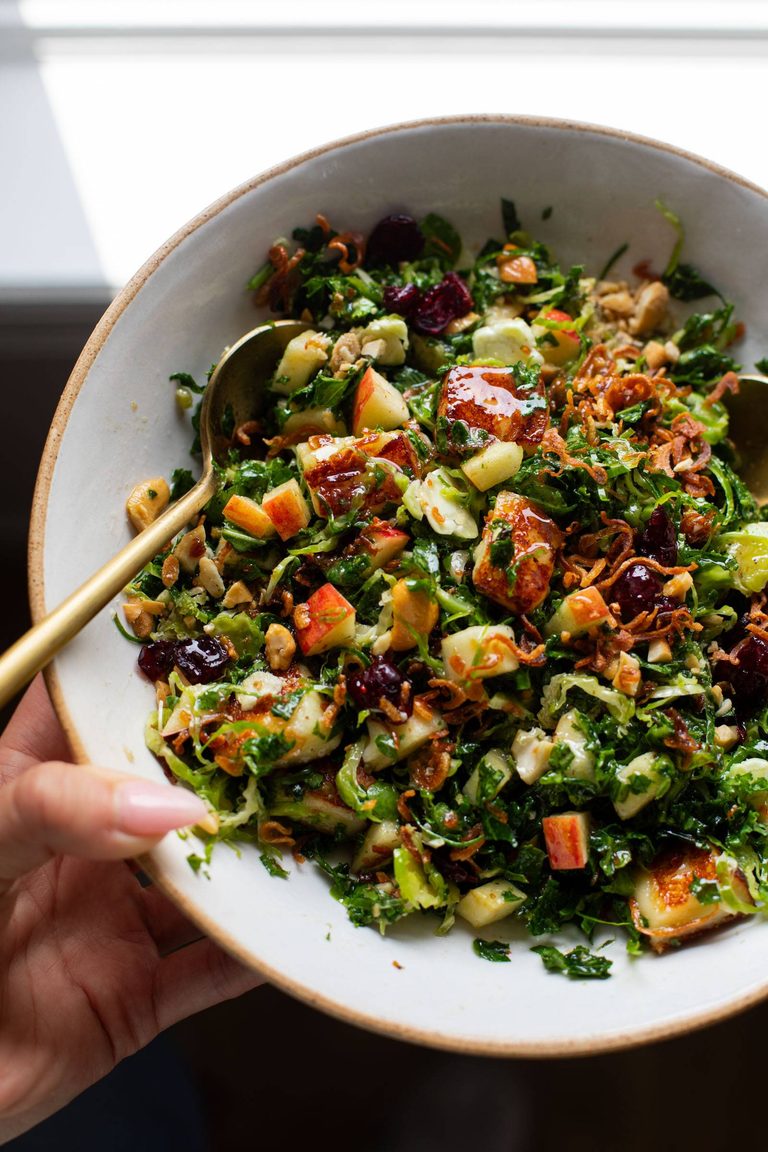
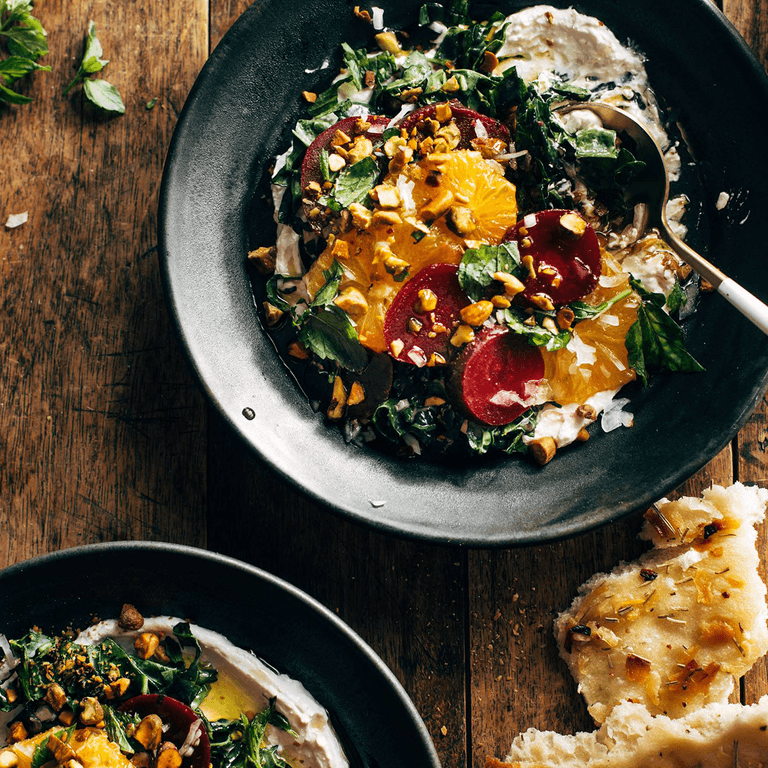
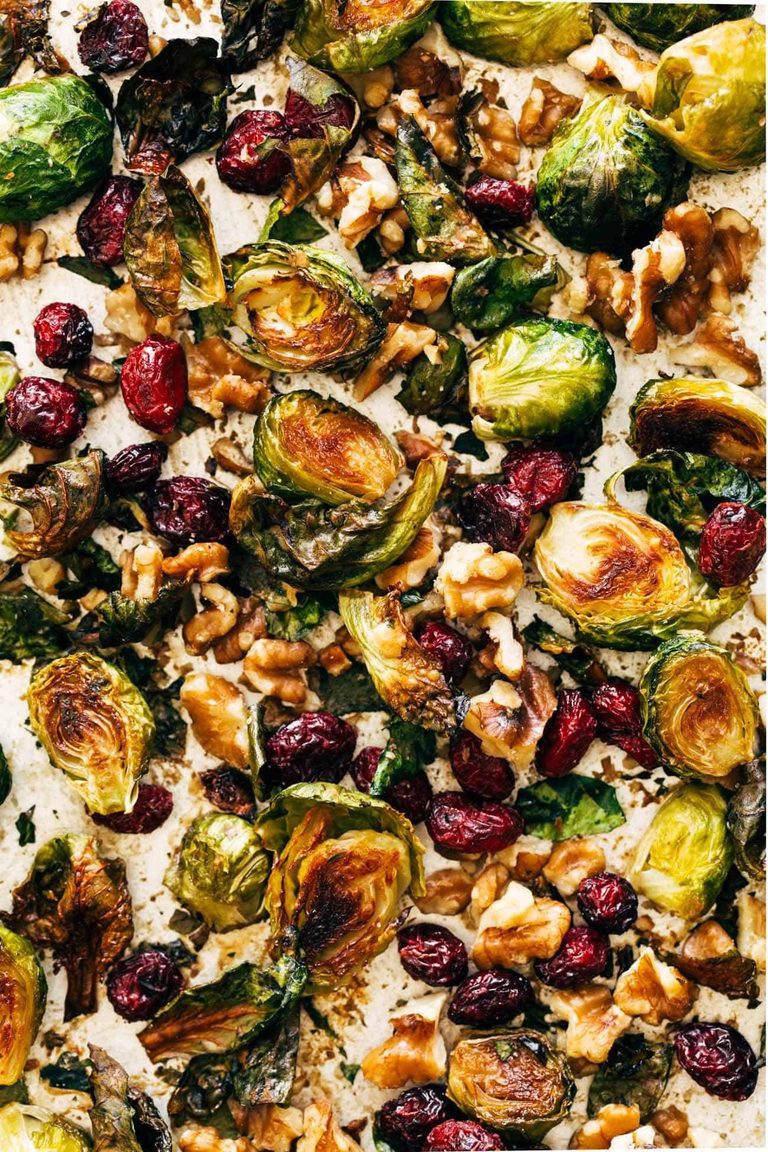
Salads in the fall do not need to be cold and uninspiring. By using hearty bases like massaged kale and shaved Brussels sprouts, and topping them with seasonal fruit like apples or roasted nuts, the salad becomes a main event. The Kale Apple Salad with Crispy Shallots is a prime example of how textural contrast—crunchy, creamy, and zesty—elevates a simple side dish into a sophisticated meal.
Professional Perspectives on Healthy Cooking
Dietitians and culinary experts increasingly emphasize the importance of "flavor-first" nutrition. The consensus is clear: if a healthy meal does not taste exceptional, it will not become a habit.
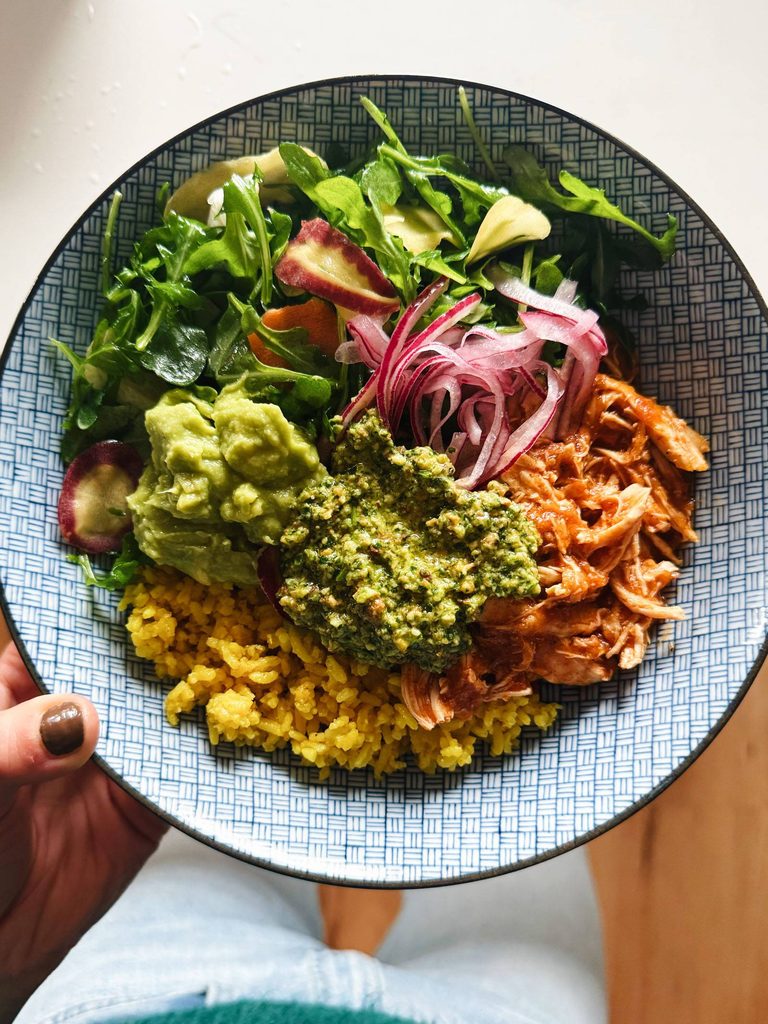
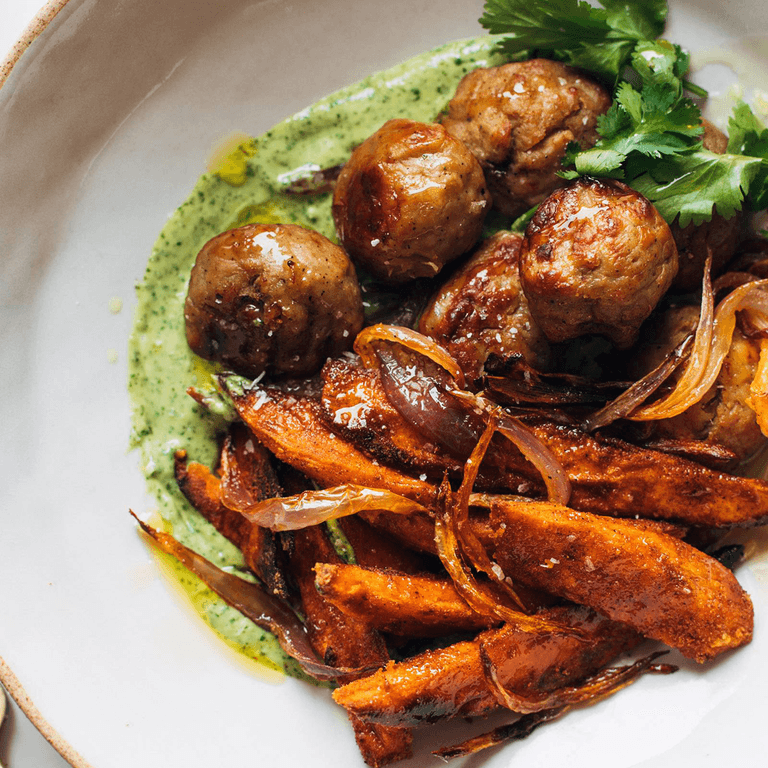
"The secret to a successful healthy autumn diet," notes one food consultant, "is the use of bold, punchy sauces. A Chipotle Tahini Sauce or a Cilantro Pesto can transform a simple bowl of roasted vegetables and grains into a meal that feels like a restaurant-quality experience." By focusing on these finishing elements, home cooks can ensure their weeknight dinners are something they look forward to, rather than a chore.
Implications for Modern Lifestyle
The broader implication of embracing these recipes is the reclaiming of the domestic space. In an era of ultra-processed convenience foods, the act of roasting carrots, simmering a stew, or whisking a fresh vinaigrette is a radical act of self-care.
Economic and Health Benefits
- Reduced Food Waste: By utilizing ingredients across multiple recipes (e.g., using roasted sweet potatoes for breakfast, lunch, and dinner in different ways), households can significantly lower their grocery bill and waste.
- Blood Sugar Regulation: Replacing refined, quick-digest carbohydrates with high-fiber, complex seasonal options helps maintain stable blood glucose levels, leading to better mood regulation and sustained focus.
- Mental Wellbeing: The sensory experience of cooking—the smell of garlic and onions, the warmth of the oven, the visual appeal of a colorful, well-composed bowl—has been linked to lower stress levels and improved mindfulness.
The Path Forward: Embracing the Season
As we move deeper into the fall, it is essential to remember that the goal is not perfection, but consistency. Whether you are trying your hand at Easy Veggie Enchiladas on a busy Monday or preparing a slow-simmered Red Curry Lentil dish for the weekend, the focus remains on quality ingredients and simple, intentional preparation.
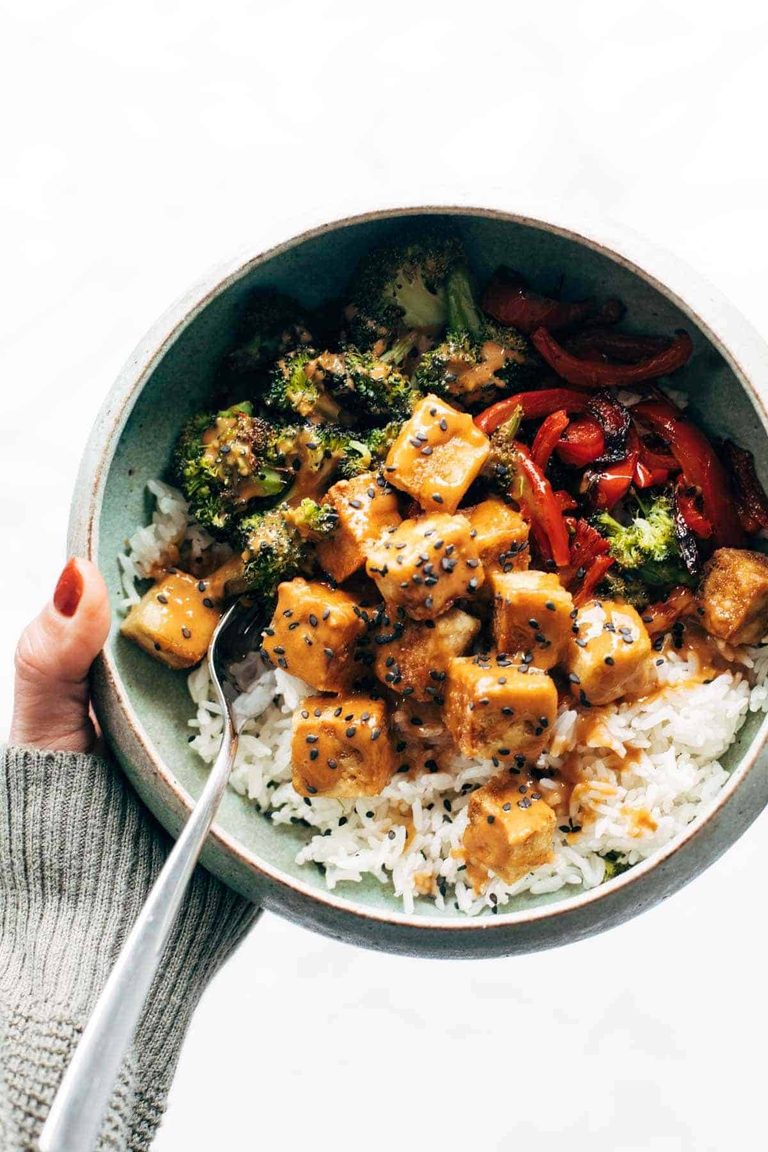
The recipes mentioned—from the Spicy Peanut Tofu Bowls to the 7-Layer Beet Salad—are not just suggestions; they are tools for building a sustainable, enjoyable, and healthy lifestyle. By leaning into the natural rhythm of the seasons and prioritizing whole, nutrient-dense foods, we transform our kitchens into sanctuaries of health and comfort.
This autumn, let your table reflect the abundance of the season. Choose recipes that excite your palate, simplify your schedule, and nourish your body. After all, the best part of the fall is not just the changing leaves—it is the delicious, steaming, and nourishing food that brings us all together.

Summary of Recommended Seasonal Recipes
- For the Hearty Eater: Country Chicken Stew or Crockpot Chicken Bowls with Yellow Rice.
- For the Plant-Based Enthusiast: Spicy Peanut Tofu Bowls or Coconut Curry Salmon (if pescatarian).
- For the Quick Weeknight Warrior: 15-Minute Cilantro Lime Chicken and Lentil Rice Bowls or Easy Veggie Enchiladas.
- For the Salad Lover: Autumn Glow Salad with Lemon Dressing or the Brussels & Kale Caesar.
By adopting these culinary habits, you ensure that your autumn is defined not by the chill in the air, but by the warmth on your plate. Enjoy the season of harvest, and may your kitchen remain a source of health and happiness throughout the months to come.


 Ali Ikhwan