Nana Wu

 Dwi Wanna

 Suro Senen

 Evan Lee Salim

 Siti Muinah
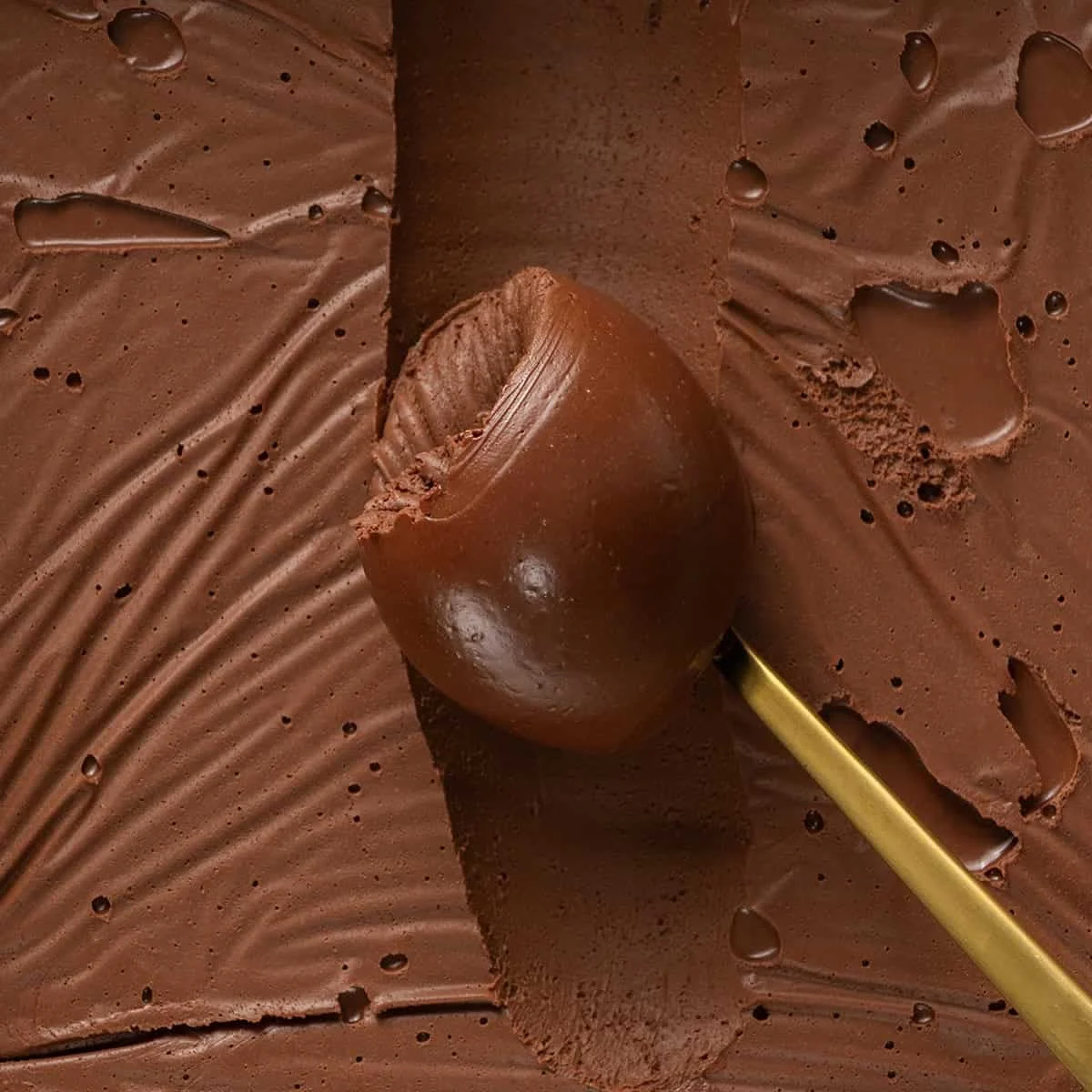
In the high-stakes world of professional pastry, where the difference between a good dessert and a transcendent one often lies in the nuance of texture, there exists a hidden gem that has long been a staple of French patisserie: the crèmeux. Frequently overshadowed by the ubiquitous ganache or the traditional pastry cream, the crèmeux—literally meaning "creamy" in French—is currently undergoing a renaissance. As home bakers and pastry enthusiasts seek to elevate their craft, this sophisticated, custard-based component is emerging as the ultimate bridge between structural integrity and luxurious mouthfeel.
The Main Facts: Defining the Crèmeux
At its core, a chocolate crèmeux is a study in balance. It occupies a distinct culinary space, sitting comfortably between a rich, dense chocolate ganache and a light, airy pastry cream. While a ganache relies primarily on the emulsion of chocolate and heavy cream, the crèmeux introduces egg yolks into the equation. This addition fundamentally alters the chemistry of the dessert.

The presence of egg yolks introduces a custard-like complexity, offering a depth of flavor and a velvety, melt-in-your-mouth texture that standard ganaches often lack. Unlike a pastry cream, which is thickened with starch (such as cornstarch or flour) and can sometimes carry a "pasty" mouthfeel, the crèmeux is typically set with the natural coagulation of egg proteins and, in some variations, a touch of gelatin or cocoa butter. The result is a glossy, opulent, and exceptionally smooth preparation that is stable enough to be piped onto a cake yet soft enough to provide a luxurious, gliding experience on the palate.
A Chronological Guide to Crafting the Perfect Crèmeux
Mastering the crèmeux is a process of precision. While it may seem intimidating to the novice, it is a surprisingly accessible technique when broken down into its logical progression.

Phase 1: The Crème Anglaise Foundation
The process begins with the creation of a Crème Anglaise—a classic, pouring-consistency custard. Unlike a standard ganache, where hot cream is poured directly over chocolate, the crèmeux starts on the stovetop. You whisk egg yolks with sugar and tempered cream or milk, cooking the mixture gently until it reaches the nappe stage—the point at which the custard is thick enough to coat the back of a spoon. This stage is critical; the goal is to create a rich, cooked-egg base that provides the signature custard richness.
Phase 2: The Emulsion
Once the Anglaise is prepared, it is strained and poured over high-quality chocolate. This is the moment of truth. Much like building a ganache, the heat from the custard begins to melt the cocoa solids and cocoa butter. A silicone spatula or an immersion blender is used to create a perfect emulsion. The goal here is to integrate the fats from the chocolate with the custard base until the mixture becomes glossy and homogenous.

Phase 3: The Cooling and Setting
Unlike ganache, which can be whipped or left to firm at room temperature, a crèmeux requires a patient, temperature-controlled environment. After emulsification, the mixture is poured into a shallow container and covered with plastic wrap, ensuring the film touches the surface of the cream to prevent a skin from forming. It must be refrigerated for a minimum of five to six hours, though professionals and experienced home bakers alike recommend an overnight rest. This allows the cocoa butter to crystallize properly, resulting in a set that is firm yet yieldingly soft.
Supporting Data: The Science of Ingredients
The quality of the final crèmeux is inextricably linked to the quality of its inputs. Because this is a relatively simple emulsion, there is nowhere for low-quality ingredients to hide.

- The Role of Egg Yolks: The yolks provide emulsifiers (lecithin) and fats that stabilize the mixture. For optimal results, use large, fresh yolks. A standard egg yolk weighs approximately 55 grams (minus the shell), and consistent weighing is the secret to professional results.
- The Chocolate Variable: This is not the place to use low-grade compound chocolate. The percentage of cocoa solids dictates the bitterness, sweetness, and fat content of the final product. A 40% milk chocolate will yield a much softer, sweeter result than a 70% dark chocolate. If you choose to switch your chocolate, you must adjust the sugar content of your base accordingly. For instance, moving from dark to milk chocolate necessitates a reduction in added sugar by roughly 10–15% to maintain the desired flavor profile.
- Temperature Control: Crèmeux is highly sensitive to heat. Because it lacks the high sugar concentration of some confections, it will soften significantly at room temperature. It must be kept chilled until the final moments before service.
Professional Perspectives and Industry Standards
In the professional kitchen, the crèmeux is considered a "finishing" component. Pastry chefs, such as Nick from The Scranline, have championed the technique for its versatility. The consensus among pastry professionals is that the crèmeux is the "modern filling." It does not possess the rubbery texture sometimes associated with gelatin-set mousses, nor does it have the heavy, oily mouthfeel of a traditional buttercream.
The industry standard for storing crèmeux is strict: in an airtight container for up to four days. This ensures that the delicate custard base does not absorb ambient odors from the refrigerator, which is essential given the high fat content of the cream and chocolate.

Implications for the Modern Home Baker
The rise of the crèmeux represents a broader shift in home baking toward "restaurant-quality" results. By mastering this technique, a home baker can transform a simple sponge cake into a sophisticated entremet.
Texture and Presentation
The texture of a properly made crèmeux allows for sophisticated piping. Whether you are using a star tip for decorative flourishes or a round tip for elegant "dots" on a tart, the crèmeux holds its shape beautifully when cold. When paired with a light, airy chiffon or a delicate genoise sponge, the contrast is remarkable. The fork glides through the sponge and hits the creamy, dense resistance of the crèmeux—an experience that defines "melt-in-your-mouth" luxury.

Troubleshooting the Common Pitfalls
- Over-aeration: When using an immersion blender to emulsify, it is vital to keep the head of the blender fully submerged. Introducing air bubbles into the mixture can ruin the final, silky texture and cause the crèmeux to lose its glossy finish.
- Temperature Sensitivity: If the mixture is too hot when you begin the emulsion, the fat can separate, leading to a grainy or oily texture. If the mixture is too cold, the chocolate will not melt, leaving lumps. The ideal temperature for the Anglaise before pouring it over the chocolate is approximately 60–70°C (140–158°F).
- The "Movement" Problem: When whisking your egg mixture, use a damp towel beneath your bowl. A stable bowl allows for more precise whisking, which prevents the accidental incorporation of air and keeps the mixture consistent.
Final Thoughts: A New Standard for Your Repertoire
Integrating the crèmeux into your baking repertoire is more than just learning a new recipe; it is about understanding the balance of flavor and texture that defines high-end patisserie. Whether you are filling a Ferrero Rocher-inspired tart or creating a signature cake for a special occasion, the crèmeux offers a depth of character that standard fillings simply cannot match.
By focusing on high-quality chocolate, precise weighing of ingredients, and disciplined temperature control, you are no longer just baking; you are practicing the refined art of the French kitchen. The next time you find yourself reaching for a ganache, consider the crèmeux. It is, quite simply, the secret weapon that separates the amateur from the connoisseur. When you finally pull that perfectly set, glossy, and rich creation from the fridge, you will understand why this technique has been a guarded secret of the world’s finest pastry chefs for generations. Treat it with care, keep it chilled, and let the results speak for themselves.

 Ali Ikhwan