Nana Wu

 Dwi Wanna

 Suro Senen

 Evan Lee Salim

 Asep Darmawan
As the sweltering heat of August reaches its zenith, gardeners across the American Midwest face a recurring, almost comedic predicament: the zucchini harvest. It is a seasonal phenomenon that has birthed a thousand jokes—tales of unlocked cars left unattended only to be stuffed with baseball-bat-sized squash by well-meaning, overwhelmed neighbors. Yet, beneath the humor lies a serious culinary opportunity. While many relegate this prolific vegetable to the savory realm of grilled skewers or tomato-based sauces, a quiet revolution in home baking is transforming the humble zucchini into a sophisticated dessert centerpiece.
The Fruits of August Tea Party concludes this year with an exploration of a dish that defies simple categorization: the Zucchini Cake with Plums. By re-imagining a classic quick-bread recipe, home cooks are discovering that this "vegetable masquerading as cake" is perhaps the most elegant way to manage the late-summer harvest.
The Evolution of the Midwestern Kitchen
For decades, the culinary reputation of the Upper Midwest was unfairly tethered to the trope of the gelatin salad. However, the 1990s marked a significant shift in regional identity, as food writers and home cooks began to embrace the complexity of the "Northern Heartland."

The definitive text of this era remains Savoring the Seasons of the Northern Heartland: 200 Recipes Blending Bold New Flavors with the Traditional Foods of the Upper Midwest (1994), authored by Beth Dooley and Lucia Watson. This collection did more than just list recipes; it organized the bounty of the region by origin and use, providing a structural framework for what was then an under-appreciated larder.
In the chapter "Come for Coffee: Cakes, Cookies, and Bars," Dooley and Watson included a recipe for Zucchini Bread that has since become a foundational blueprint for many bakers. The recipe serves as a reminder that "fly-over country" has long possessed a deep, nuanced understanding of how to balance hearty, earthy vegetables with the delicate requirements of a well-structured crumb.
Anatomy of the Adaptation
The transformation of a "bread" into a "cake" is an act of culinary subversion. As any seasoned baker knows, the difference between the two is often a matter of intent and texture. By opting for round cake pans instead of the traditional loaf tins, the baker alters the heat distribution and the final mouthfeel of the product.
The Methodology of the Bake
The recipe employed here is a careful modification of the Dooley-Watson original. By reducing the sugar content from two cups to one-and-a-half and omitting the traditional addition of chopped nuts, the baker creates a cleaner palate for the introduction of seasonal Italian prune plums.
Key Ingredients and Ratios:
- The Structure: 3 cups of all-purpose flour, providing the necessary gluten for a sturdy, dense crumb.
- The Leavening: 1 teaspoon baking soda and 1/4 teaspoon baking powder.
- The Spice Profile: 3 teaspoons of ground cinnamon. (Note: For those seeking a different profile, nutmeg or cardamom serve as excellent, if more exotic, alternatives).
- The Moisture: 1 cup of vegetable or canola oil, 3 eggs, and 3 teaspoons of vanilla extract.
- The Star: 3 cups of unpeeled, grated zucchini, folded into a thick, robust batter.
The inclusion of Italian prune plums serves two purposes: they provide a visual aesthetic reminiscent of the iconic Marian Burros Plum Torte—a recipe famously popularized by the New York Times in the 1980s—and they offer a sharp, acidic contrast to the warm, spiced sweetness of the zucchini batter.

Chronology of the Process: A Step-by-Step Guide
For those looking to replicate this seasonal success, the process is straightforward but requires attention to detail.
- Preparation (Preheat and Prep): Preheat the oven to 350°F. Thoroughly grease two 9-inch cake pans. Using a rotary grater is highly recommended for the zucchini to ensure a uniform texture without excess moisture.
- The Batter Base: In a large mixing bowl, beat the sugar, oil, eggs, and vanilla. The quality of the vanilla, particularly if homemade, elevates the depth of the finished cake.
- Combining Ingredients: Incorporate the dry ingredients into the wet mixture. The batter will be notably thick—this is intentional and necessary for holding the weight of the fruit.
- Folding the Zucchini: Stir in the grated zucchini until evenly distributed.
- Assembly: Distribute the batter into the prepared pans. Dropping the pans lightly onto the counter removes air bubbles, ensuring a consistent density.
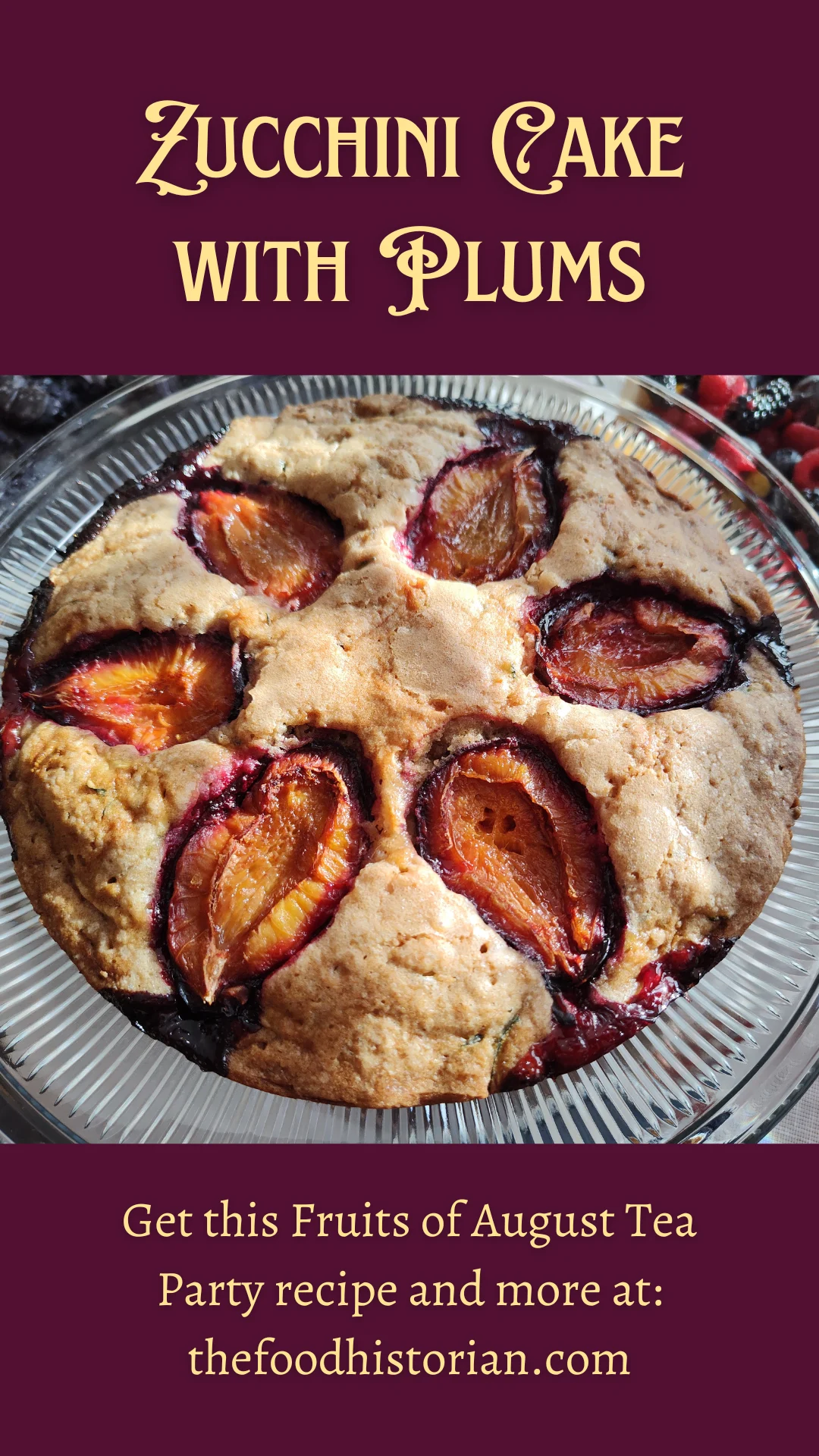
- The Plum Placement: Halve the prune plums, remove the pits, and arrange them in a star pattern on the surface of the batter. The fruit will settle slightly during baking, creating an integrated, jammy layer within the cake.
- The Bake: Bake for 45 to 60 minutes. The cake is finished when the center springs back firmly to the touch.
Supporting Data: Why This Works
The success of the Zucchini Cake with Plums lies in the chemistry of the ingredients. Zucchini, which is approximately 95% water, provides essential hydration to the flour-heavy batter, preventing the cake from becoming dry despite the high volume of dry ingredients. The addition of the plums introduces a "sweet-tart" dynamic that balances the high sugar content of traditional zucchini bread recipes.
Furthermore, the density of this cake makes it an ideal candidate for batch preparation. Given that the recipe produces two generous cakes, it is an efficient use of time to serve one immediately while freezing the other. The structural integrity of the crumb suggests that the cake retains its moisture well, even after a stint in the freezer.

Implications for Future Baking
Reflecting on the finished product, there is significant room for iteration. Future iterations could explore the use of whole wheat or spelt flour. These alternatives would not only enhance the nutritional profile of the dessert but would also introduce a nutty, complex flavor that complements the earthiness of the zucchini.
Additionally, the spice profile remains a flexible element. While cinnamon is the traditional choice for this pairing, incorporating ginger or allspice could further distinguish the cake from its "bread" predecessors.
Cultural Context and The "August Glut"
The phenomenon of the "zucchini surplus" is more than just a garden annoyance; it is a cultural touchstone that defines the late summer experience. By choosing to treat the zucchini as a dessert ingredient, we shift our perspective from viewing the harvest as a burden to viewing it as a resource.

Whether one enjoys the cake with a dollop of whipped cream, a scoop of vanilla ice cream, or simply plain—the way it is perhaps best appreciated—the Zucchini Cake with Plums stands as a testament to the versatility of the garden. As the Fruits of August Tea Party concludes, it leaves us with one enduring question for the reader: As we move into the final weeks of summer, how will you navigate the glut? Will you continue to rely on the traditional, or will you take a slice of this seasonal experiment and redefine what it means to bake with the humble zucchini?
As the sun sets on this year’s tea party, we are reminded that the best recipes are often those that evolve, those that take the familiar and push it into the territory of the exceptional. Until the next gathering, the kitchen remains open, and the garden, hopefully, remains bountiful.


 Sagoh