

 Nana Wu

 Dwi Wanna

 Suro Senen

 Evan Lee Salim

 Nana
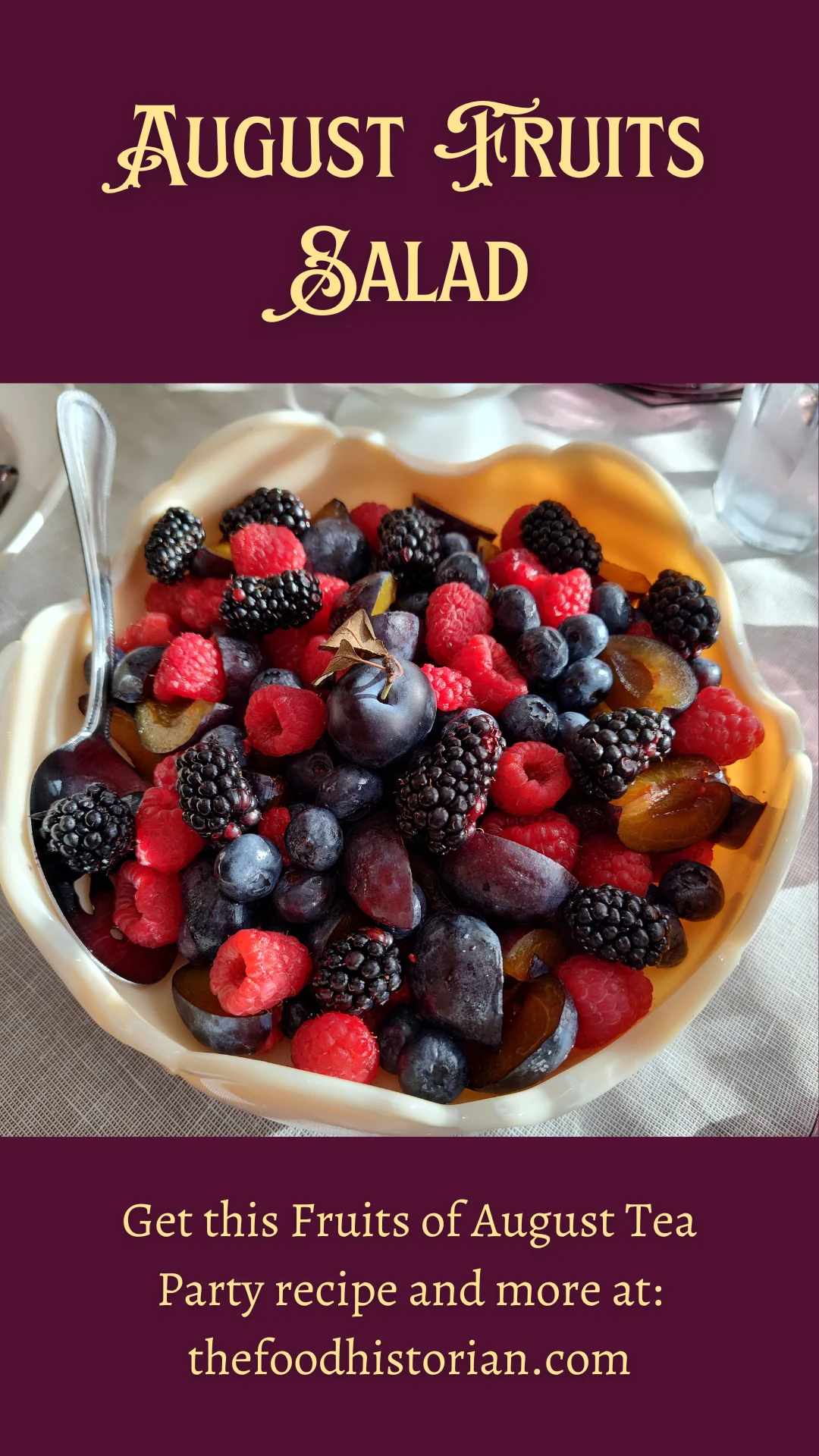
In the culinary world, simplicity is often the ultimate sophistication. As the sweltering heat of August reaches its zenith, the agricultural calendar provides a bounty of stone fruits and berries that require little more than a gentle hand to transform into a gastronomic centerpiece. For those who curate elegant gatherings, the fruit salad has long been a staple, yet its reputation often suffers from over-processing or lack of intentionality. However, when treated with the precision of a fine-dining dish, the humble fruit salad emerges as a vibrant, essential component of the late-summer table.
The Philosophy of the August Harvest
The core ethos of a superior fruit salad lies in the uncompromising quality of its seasonal components. August stands as the definitive month for stone fruits—peaches, nectarines, apricots, and plums—which benefit from the intense sunlight and warm nights characteristic of the late growing season.
Professional food stylists and home entertainers alike agree that the success of a fruit salad is predicated on five fundamental pillars: the selection of peak-season produce, meticulous preparation of bite-sized segments, a deliberate balance of flavor profiles, structural integrity of the fruit, and a restrained application of sweeteners. When these elements align, the result is not merely a side dish, but a celebration of the harvest.
Chronology of the Harvest and Culinary Application
To understand the evolution of this particular salad, one must look at the recent "Fruits of August Tea Party" initiative, which sought to highlight regional farm-to-table practices.
Phase I: Procurement and Selection
The process began in early August with a survey of local farm stands. The objective was to source items that were not only in peak ripeness but also economically viable. The selection process prioritized black plums, harvested at a nearby orchard, alongside a curated mix of forest berries. The exclusion of items such as Gingergold apples was intentional, as their crisp, tart profile belongs to the transition toward autumn rather than the peak-summer stone fruit window.

Phase II: The Preparation Protocol
Preparation follows a strict sequence to ensure the aesthetic and textural integrity of the fruit:
- Sanitization: Thorough washing to remove debris, followed by a rigorous inspection to discard any fruit that has begun to degrade or show "smushed" areas.
- Geometry: Plums were quartered to maintain a substantial mouthfeel, while larger specimens were diced to ensure uniformity.
- The Binding Agent: A minimal application of sugar or honey—often considered optional—was introduced not for cloying sweetness, but to act as a macerating agent. This creates a light, syrupy glaze that harmonizes the juices of the berries with the flesh of the plums.
Phase III: The Presentation
The final stage involves the use of vintage serveware. By utilizing milk glass or Moroccan amethyst bowls, the presenter bridges the gap between culinary craft and historical aesthetic. The dish is served at either room temperature or chilled, depending on the ambient climate of the dining room.
Supporting Data: The Anatomy of Flavor Balance
The success of the "Fruits of August" recipe is rooted in the chemistry of flavor contrast. In this specific formulation, the ingredients serve distinct roles:
- Raspberries: Provide a sharp, acidic punch that cuts through the mellow, earthy sweetness of blueberries and blackberries.
- Black Plums: The yellow flesh provides a visual and textural contrast to the dark, tart skins. The skin-on preparation is critical; it provides the necessary snap and a tannic quality that balances the sugar content of the fruit.
- The Maceration Effect: The use of one tablespoon of sugar or honey is scientifically functional. It draws out the natural pectin and juices of the berries, creating a natural reduction that coats the fruit, effectively preserving the freshness of the salad for a longer duration than a raw, unseasoned bowl.
Official Perspectives: The Professional Consensus
Culinary experts emphasize that the fruit salad is often "doctored" too heavily, which obscures the natural terroir of the produce. "If the fruit isn’t tasty on its own, no amount of sugar or mint will save it," notes one observer. The professional consensus suggests that the fruit salad should be treated as a blank canvas that reflects the specific micro-climate of the grower.
When served as a dessert replacement, the addition of whipped cream or a simple pound cake transforms the salad into a deconstructed shortcake. This adaptability is what makes the dish a "hit" at formal events; it transitions seamlessly from a palate-cleansing side to a decadent final course.
Implications for Modern Entertaining
The resurgence of the "curated fruit salad" has significant implications for modern home entertaining. In an era where processed foods and convenience-store pre-cuts are standard, the deliberate choice to source local stone fruit represents a return to "Slow Food" values.
The Sustainability Factor
By focusing on what is currently in season, the host minimizes the carbon footprint associated with shipping out-of-season produce. Supporting local farm stands for items like black plums provides direct economic benefits to regional agriculturalists.
Aesthetic and Social Significance
The use of vintage vessels—such as the peach-tulip milk glass or Moroccan amethyst pieces mentioned—serves as a conversation starter. It anchors the event in history and adds a layer of visual storytelling to the dining experience. The fruit salad, once viewed as a mundane or "filler" dish, is reclaimed as an art form that honors the effort of the gardener and the tradition of the host.
Economic Accessibility
One of the most compelling aspects of this approach is its cost-effectiveness. By utilizing fruits that are at the height of their season, the host takes advantage of lower market prices. The simplicity of the ingredients—blueberries, raspberries, blackberries, and plums—proves that luxury in dining is not always synonymous with expensive imported goods or complex culinary techniques, but rather with the timing and respect for the ingredient.
Conclusion: A Call to Culinary Exploration
The "Fruits of August" salad is a testament to the fact that excellence is often found in the most accessible places. As we move through the seasons, the challenge to the home chef is to remain observant. What fruits are currently appearing at your local market? Are there varieties of peaches or nectarines that are only available for a two-week window?

By documenting these choices and treating the preparation as a ritual rather than a chore, the humble fruit salad is elevated into a sophisticated component of the culinary arts. The integration of tartness, sweetness, and texture, framed by beautiful, meaningful serveware, ensures that the spirit of the August harvest is captured perfectly on the plate. Whether served at a garden tea party or a formal brunch, this dish serves as a reminder that the best ingredients are those that have been allowed to ripen in the sun, and the best recipes are those that allow that sun-ripened flavor to take center stage.
As we look toward the changing seasons, one must ask: what does your regional harvest look like, and how will you translate that abundance into your next social engagement? The versatility of the fruit salad remains its greatest strength—a perennial classic that, with the right touch, never goes out of style.

 Sagoh

 Asep Darmawan

