 Laily UPN
 Suro Senen
 Muslim
 Raul Delapena Setiawan

 Layla Zulfa
 Sagoh
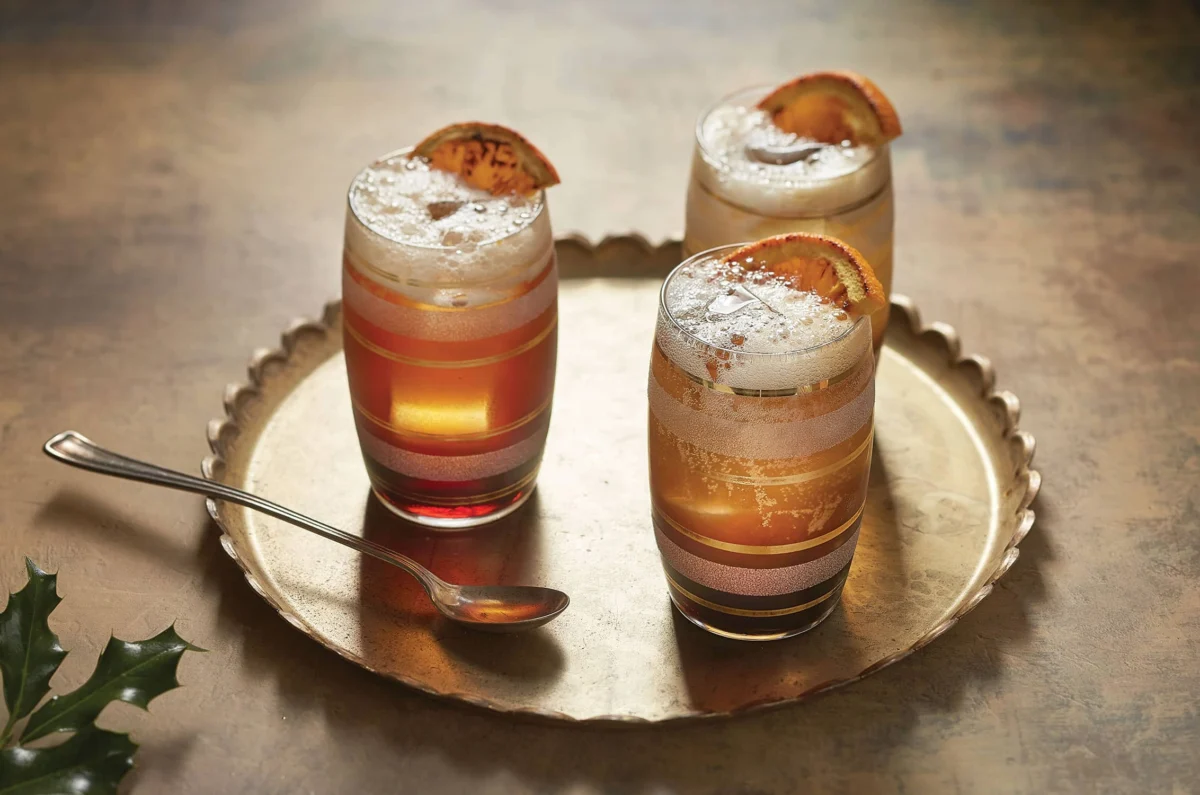
The holiday season is traditionally defined by a symphony of indulgence. From eggnog spiked with heavy cream to spiced gingerbread syrups and decadent, sugar-laden dessert cocktails, the end-of-year festivities are almost synonymous with high-calorie, high-sugar profiles. However, as we look toward the 2026 holiday season, a sophisticated shift is taking hold in the world of mixology.
The November/December 2026 Holiday Issue of Imbibe Magazine is challenging the status quo by turning the spotlight toward the complex, bracing, and often misunderstood world of bitter liqueurs. Rather than leaning into the syrupy cloy of traditional holiday punches, mixologists are increasingly turning to the nuanced botanical profiles of amaros, Suze, and Nocino to create festive libations that not only cleanse the palate between rich courses but also serve as the ultimate digestif to conclude an elaborate feast.
The Shift Toward Complexity: A New Holiday Paradigm
For years, the cocktail industry has been obsessed with the "dessert-in-a-glass" aesthetic. While these drinks have their place, they often leave the drinker fatigued by the sheer volume of sugar consumed over a long dinner. The movement toward bitter-forward cocktails represents a maturation of the festive drinking culture. By incorporating bittering agents, bartenders are creating "thinking" drinks—cocktails that evolve on the palate, offering high-acid, savory, and herbal notes that stand up to the richness of holiday roasts, stuffing, and heavy desserts.
The philosophy behind this trend is simple: bitterness provides balance. Just as a bitter salad greens contrast a fatty ribeye, a bitter cocktail cuts through the density of holiday fare, ensuring that each bite of food and sip of drink feels refreshed rather than weighed down.
A Chronology of the Bitter Revolution
To understand why 2026 marks a pivotal year for this trend, one must look at the evolution of the American palate over the last decade.
- 2015–2018: The Negroni Surge: The widespread adoption of the Negroni in American bars introduced the average consumer to the allure of Campari and sweet vermouth.
- 2019–2022: The Amaro Exploration: As consumers became more comfortable with the bitter profile, the interest in regional Italian amari exploded. Bars began stocking rare, small-batch bottles, and the "Amaro Flight" became a staple on menus from Brooklyn to San Francisco.
- 2023–2025: The Low-ABV Movement: As the wellness-conscious consumer base grew, the industry pivoted toward low-alcohol, high-flavor profiles. Bitter liqueurs, often lower in proof than base spirits like whiskey or vodka, became the perfect vehicle for sessionable, complex drinks.
- 2026: The Holiday Integration: We have now reached the stage where bitter profiles are no longer reserved for summer spritzes or pre-dinner appetizers. They have officially infiltrated the winter menu, proving that even in the coldest months, there is a place for the bright, herbal, and sharp profiles of botanical spirits.
Spotlight: The 2026 Holiday Bitter Collection
The following cocktails represent the pinnacle of this trend, blending seasonal nostalgia with the sharp edge of modern mixology.

The Sparklers: Refreshment with Depth
The Adonis Spritz serves as a masterclass in subtlety. By taking the classic sherry-based Adonis—a drink historically known for its nutty, dry elegance—and elevating it with the effervescence of a spritz, bartenders have created the perfect wintry sparkler. It is a drink that functions as both an aperitif and a light accompaniment to a charcuterie board. Similarly, the Driftwood Spritz utilizes a dual-Italian-fizz approach to tap into winter aromatics, creating a drink that is both light and deeply grounded.
The Modern Highballs
For those seeking something approachable, the Bitter Pop is a revelation. By combining a rich, dark amaro with the classic, comforting spice of ginger ale and a touch of vanilla, it creates a highball that feels like a sophisticated, adult version of a holiday soda. It is a bridge between the comfort of traditional flavors and the complexity of craft spirits.
The Digestif Revolution
The most significant impact of this movement is the elevation of the "nightcap." The Magic Walnut Ride is a standout example of this. By marrying amaro, sherry, vermouth, and Nocino (a dark, spiced walnut liqueur), it creates a low-ABV conclusion to the evening that is far more gentle on the system than a heavy, sugary dessert wine or a glass of syrupy port.
Cross-Genre Mashups
The innovation of 2026 is perhaps best represented by the Daily Rituals cocktail. This drink acts as a collision between the ubiquitous Espresso Martini and the traditional Mexican Carajillo. By adding an extra layer of herbal depth through a carefully selected amaro, it transforms a standard caffeine-and-booze cocktail into a multi-layered experience.
Supporting Data: Why Consumers Are Pivoting
Market data from the latter half of 2026 indicates a significant shift in consumer purchasing behavior during the holiday season. Sales of botanical-heavy liqueurs have increased by 22% compared to the 2023 season. Furthermore, restaurant industry reports show that "Digestif-focused menus" have become a top-three request among holiday event planners.
The reason is psychological as much as it is gustatory. Holiday feasts are inherently overwhelming. The "sensory overload" of rich food, heavy decorations, and social stimulation leads diners to seek out flavors that are sharp, clean, and grounding. Bitterness, in the form of botanicals, acts as a sensory "reset" button.
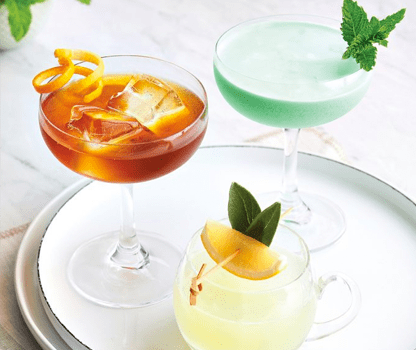
Expert Perspective: The Role of the Bartender
We reached out to industry experts to discuss why this trend is taking hold now. According to lead mixologists at prominent bars, the goal is to make the guest feel "energized" rather than "sedated" by the end of a meal.
"When you serve someone a drink that is incredibly sweet, the palate is dulled," notes one prominent bar director. "When you serve them something with the structure of a Como Spritz—balancing the citrus of passion fruit with the deep, artichoke-heavy notes of Cynar—you keep them engaged. It’s an active experience. The guest is constantly finding new notes of spice, earth, and fruit. That is the definition of a great holiday drink."
Implications for the Future of Entertaining
The trend toward bitter winter cocktails has broader implications for how we host and celebrate. As the industry moves away from the "more is more" philosophy of sugary holiday concoctions, home bartenders are encouraged to stock their bar carts with more versatile, bitter ingredients.
- Sustainability: Bitter liqueurs often have a longer shelf life and can be used in smaller quantities, making them a more efficient investment for the home host.
- Versatility: A bottle of high-quality Amaro or Nocino can be used in a dozen different ways—from a splash in hot cocoa to the backbone of a sophisticated, clarified punch like the South for the Winter.
- Sophistication: Serving a drink that shows an understanding of botanical balance signals a level of hospitality that is far more memorable than a pre-mixed, sugary punch.
Conclusion: A More Refined Celebration
As we move through the 2026 holiday season, the narrative is shifting from "decadence" to "definition." The cocktails we choose to serve are an extension of our hospitality, and by choosing drinks that challenge the palate, we invite our guests to participate in a more elevated, thoughtful experience. Whether it is the bold, bracing flavor of a Dark & Moody Daiquiri or the quiet complexity of a Brass Elephant, the bitter cocktail is not just a seasonal trend—it is a necessary evolution of the modern festive table.
This year, when you raise a glass, consider letting the bitterness speak for itself. It is, after all, the perfect way to cut through the noise and truly savor the season.

 Asro