

 Nana Wu

 Dwi Wanna

 Suro Senen

 Evan Lee Salim

 Muslim
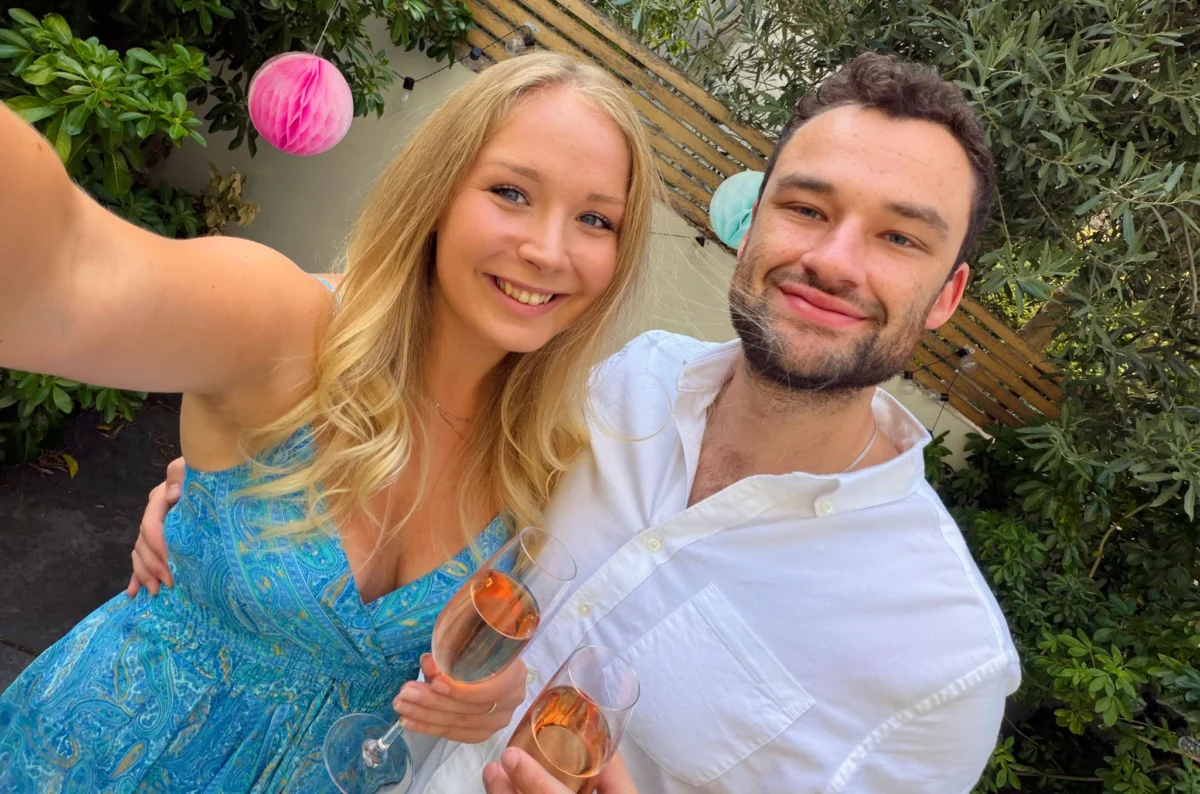
For many, the world of wine has long been shrouded in an air of exclusivity—a landscape defined by heavy crystal, dusty cellars, and impenetrable jargon. However, a new generation of consumers and industry professionals is dismantling these barriers. At the forefront of this shift is Delaney, a 26-year-old freelance publicist whose career straddles the vibrant culinary hubs of Los Angeles and Edinburgh.
For Delaney, the wine industry isn’t about checking labels or chasing prestige; it is about the intersection of human stories, sustainable viticulture, and the simple pleasure of a glass shared with friends. Her recent journey to discover the perfect bottle for a summer gathering serves as a microcosm for a broader movement: the democratization of wine for the Gen Z consumer.
The Evolution of a Wine Professional
Delaney’s immersion into the world of wine began nearly two years ago. Transitioning into a career that bridges the gap between wineries and the public, she began working intimately with producers, particularly those in the Rogue Valley of her native Oregon.
"Wine can still feel intimidating at times, both as a Gen Z consumer and as someone new to the industry," Delaney admits. "There is so much to discover, explore, and taste, and I feel like I’ve only scratched the surface."
This humility is a hallmark of the younger generation of wine enthusiasts. Rather than pretending to hold an encyclopedic knowledge of terroirs and vintages, this cohort prioritizes curiosity over pretension. They seek out wines that offer an experience—a narrative—rather than just a brand name.
Chronology: A Search for the Perfect Summer Pour
The quest for the perfect wine began in the aisles of Stanley’s Wet Goods, a boutique bottle shop in Culver City, California. For the modern consumer, the local wine shop serves as a critical education hub. Recognizing that she needed guidance to navigate the complex world of white varieties, Delaney consulted with Antonio, a knowledgeable staffer and winemaker behind the label Flowers & Cheese.
The Criteria
Delaney’s request was specific, reflecting the needs of a younger, casual host:

- The Profile: She had been gravitating toward German and Austrian white varieties, noting that Oregon wineries are increasingly experimenting with these grapes to create fresh, vibrant summer wines.
- The Budget: She aimed for a bottle under $30, recognizing that value is a key driver for her demographic.
- The Utility: The wine needed to be "party-ready"—easy to serve, approachable for seltzer-loving friends, and ideally without a complicated cork.
The Recommendation
After reviewing several options, Antonio steered her toward the 2024 Glow Glow Weiss from Germany’s Nahe region. The name itself—a playful nod to the French term glou-glou, used to describe light, juicy, and highly drinkable wines—perfectly encapsulated the energy Delaney was looking for.
Supporting Data: The Story Behind the Bottle
The appeal of the 2024 Glow Glow Weiss goes far beyond its refreshing taste. For the modern consumer, the "why" behind the wine is often as important as the liquid itself.
The Producers
The wine is the result of an experimental, small-batch project by siblings Carl and Pauline Baumberger. Representing the sixth generation of the Weingut Baumberger family in the village of Mandel, they represent the new face of European winemaking. Their backgrounds—Pauline in sustainability and wine management, and Carl in viticulture—bring a modern, scientific, and eco-conscious approach to a historic region.
Technical Resilience
The 2024 vintage tells a story of climate-driven adaptation. Typically, this cuvée features a blend of Scheurebe, Bacchus, and Müller-Thurgau. However, due to severe frost and mildew in 2024, the siblings had to pivot, incorporating Riesling and Weissburgunder (Pinot Blanc) into the blend. This transparency regarding the realities of farming is increasingly valued by Gen Z, who prioritize authenticity and sustainable practices over the myth of a "perfect, uniform" product year after year.
Implications: The "A-ha" Moment in Modern Consumption
Delaney’s experience highlights a critical shift in how wine is being positioned for younger audiences. The goal is no longer to impress guests with expensive labels, but to facilitate a shared, enjoyable experience.
"It never gets old watching that ‘a-ha’ moment from friends when they’ve enjoyed a sip of something they wouldn’t typically go for," Delaney explains.
The 2024 Glow Glow Weiss, with its crisp, juicy profile and lack of cloying sweetness, serves as an "entry point" wine. For friends who typically stick to beer or seltzers, such a bottle bridges the gap. It is refreshing, unpretentious, and designed for social settings rather than rigid, formal tastings. By choosing a wine that prioritizes story and quality over prestige, consumers like Delaney are actively lowering the barrier to entry for the entire category.
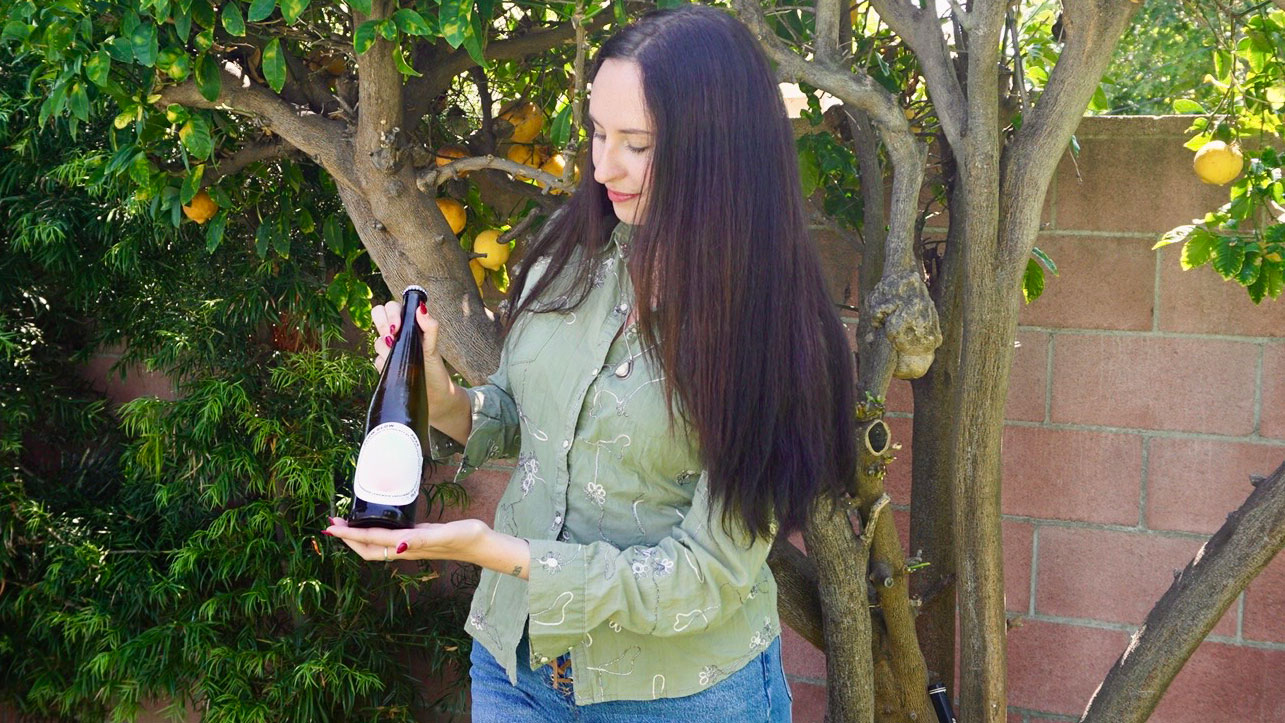
Official Responses and Industry Outlook
The wine industry has taken notice of this changing demographic. Publications and trade organizations are increasingly creating platforms for younger voices to share their experiences. Initiatives like the "Under 30s Wine Trade Sips" column and the "Gen Z Wine Challenge" are not merely marketing ploys; they are strategic efforts to bridge the generational divide.
Industry experts suggest that if the wine trade is to remain relevant, it must move away from the traditional, gatekept models of the past. The success of boutique, experimental labels like Glow Glow suggests that the future of wine lies in:
- Radical Transparency: Consumers want to know who is making the wine, how they are farming, and why the wine tastes the way it does.
- Accessibility: Price points that feel approachable and packaging that feels user-friendly are essential for attracting younger buyers.
- Sustainability as a Standard: Gen Z is the most environmentally conscious generation in history; they are voting with their wallets for producers who prioritize the health of the land.
Conclusion: A New Chapter for Viticulture
As Delaney prepares to move between her two homes, her experience with the 2024 Glow Glow Weiss serves as a reminder that the world of wine is meant to be enjoyed, not feared. The intimidation factor that has long plagued the industry is being dismantled, one "a-ha" moment at a time.
For those aged 18 to 29, the message is clear: your voice matters, and your palate is valid. Whether you are a seasoned professional or someone who has never touched a bottle, there is a seat at the table. The industry is evolving, and the stories being written today—of frost, of resilience, and of sibling-led experiments—are the ones that will define the wine culture of the next century.
If you are a young professional in the industry or simply an enthusiast, the invitation remains open. The wine world is no longer just for the experts; it is for everyone willing to pull the cork, pour a glass, and start a conversation.

 Basiran

