

 Nana Wu

 Dwi Wanna

 Suro Senen

 Evan Lee Salim

 Laily UPN
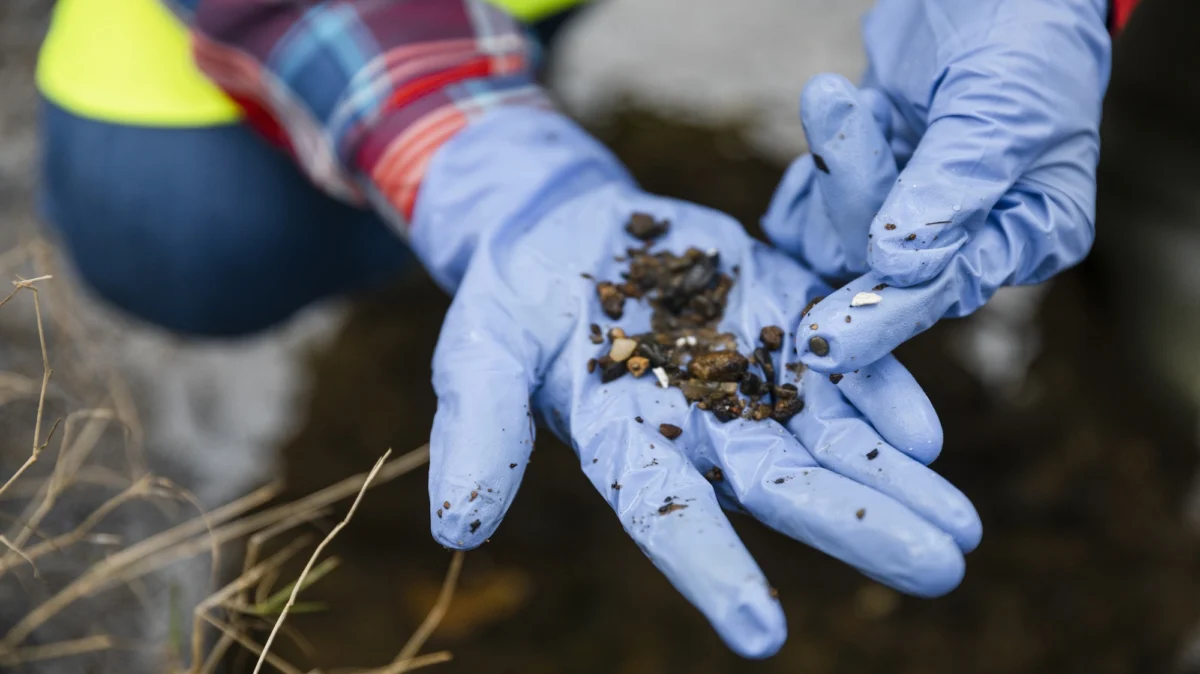
The foundation of human civilization—the thin, fragile layer of topsoil that sustains our global food systems—is currently undergoing a silent, synthetic transformation. A comprehensive five-year multinational research project, funded by the European Union, has unveiled a disturbing reality: microplastics have infiltrated agricultural landscapes with such pervasiveness that they are fundamentally altering the chemical and biological makeup of the Earth’s soil.
Beyond mere contamination, these plastic fragments are acting as a "Trojan horse," facilitating the transport of pesticides, heavy metals, and antibiotic-resistant bacteria directly into the heart of our food-growing ecosystems. As researchers warn that these pollutants are virtually impossible to remove once they enter the environment, the findings signal an urgent need for a radical shift in agricultural policy and global environmental monitoring.
Main Facts: The Pervasiveness of Plastic Contamination
The Minagris (Microplastics in Agriculture) project, an extensive collaboration involving experts from across Europe, has produced 22 peer-reviewed studies that offer a grim diagnosis of our current land management practices. The project tested 227 agricultural fields across 11 countries, discovering microplastic presence in every single site.
The research establishes that microplastics are not merely inert debris. Instead, they serve as a dynamic surface—a phenomenon scientists have dubbed the "plastisphere." Within this microscopic habitat, plastics provide a structural scaffold for complex interactions between chemicals and microbes. These surfaces are proving to be hotspots for the proliferation of antibiotic-resistant genes, a development that poses a significant threat to global health by potentially fostering the spread of pathogens that are immune to conventional medical treatments.
Chronology: A Five-Year Investigative Journey
The Minagris initiative was launched to address a growing gap in environmental science: while marine plastic pollution has received significant public and academic attention, terrestrial soil contamination remained largely under-researched.
- Year 1-2 (Foundation Phase): Researchers established baseline testing protocols, focusing on diverse agricultural terrains ranging from intensive vegetable farms to livestock pastures.
- Year 3 (The Discovery of the Plastisphere): Field data began to show that microplastics were not distributed randomly. They were accumulating in areas with specific historical land use, such as sites where sewage sludge had been applied as fertilizer or where plastic films had been used in irrigation.
- Year 4 (Correlation Studies): Data from Switzerland and other participating nations began to draw direct links between tire-wear particles (shed from vehicles on nearby roads) and the concentration of heavy metals and pesticides in the soil.
- Year 5 (Synthesis and Policy Recommendations): The final phase of the project synthesized the data to conclude that current regulatory frameworks—which view pollutants in isolation—are fundamentally flawed. The project culminated in the release of its comprehensive findings in September 2026, calling for immediate, systemic changes in how we track and regulate agricultural plastic use.
Supporting Data: The Mechanics of Soil Degradation
The quantitative data produced by the Minagris project offers a sobering look at the mechanisms of environmental damage.
The Size-Toxicity Paradox
Professor Edoardo Puglisi of the Catholic University of the Sacred Heart notes that there is an inverse relationship between plastic particle size and toxicity. The smaller the plastic fragment, the higher its surface-area-to-volume ratio, making it an increasingly effective vector for adsorbing pollutants and microbial life. This high-efficiency transport system allows plastics to carry agrochemicals deeper into the soil profile than would otherwise occur, effectively "hitching a ride" on the plastic fragments.
Impact on Plant Biology
Controlled experiments revealed that the presence of microplastics has measurable negative impacts on crop health. Studies conducted on lettuce, for instance, showed a marked reduction in leaf area, chlorophyll content, and overall plant biomass when grown in soil containing high concentrations of plastic. These effects are compounded when plants are exposed to environmental stressors like drought. The synergy between synthetic plastic pollution and climatic stressors means that plants are struggling to survive in a "double-jeopardy" environment, which could significantly threaten future crop yields.
The Failure of ‘Biodegradable’ Solutions
Perhaps the most counter-intuitive finding of the research is the status of biodegradable plastics. Often touted as the sustainable alternative to traditional polymers, these materials were found to be no safer in a soil context. They, too, fragment into microplastics, which then persist in the soil and contribute to the same ecological disruption as conventional petroleum-based plastics.
Official Responses and Expert Consensus
The scientific community has reacted to these findings with a mix of alarm and a call to action. Experts involved in the project emphasize that our current environmental policy is outdated.
"Once these plastics fragment into the ground, they’re practically impossible to remove," says Esperanza Huerta Lwanga, a research associate in soil physics at Wageningen University. "They act as vectors for agrochemicals and alter critical soil ecosystems that we depend on for food production."
The researchers argue that governments must move toward "full manufacturer transparency." Currently, the supply chain for agricultural plastics—including fertilizers, mulches, and pesticide delivery systems—is opaque. Policy must mandate standardized monitoring, where soil is tested not just for chemical residue, but for the complex "cocktail" of pollutants and microplastics. Furthermore, the consensus is that risk assessments must be updated to move beyond single-species testing. Instead, regulators must evaluate how these plastics interact with diverse soil organisms, such as earthworms, which are essential for maintaining soil structure and nutrient cycling.
Implications for the Future of Food and Ecology
The implications of the Minagris findings are far-reaching. If we continue to treat soil health as a secondary concern to industrial convenience, we risk the long-term viability of the world’s breadbaskets.
Disrupting Earthworms and Ecosystem Services
Earthworms act as the "engineers" of the soil, aerating the ground and processing organic matter. The Minagris project found that microplastics disrupt these critical biological processes. When earthworms ingest plastic-laden soil, their ability to cycle nutrients is impaired, which can lead to a decline in soil fertility over time. This creates a feedback loop: as soil health declines, farmers may rely more heavily on synthetic fertilizers and pesticides to maintain yields, further increasing the burden of chemicals in the soil.
A Need for Regulatory Reform
The findings highlight a systemic failure in environmental governance. Environmental assessments typically examine pollutants individually—for example, measuring the concentration of a single pesticide in a sample. However, the "Trojan horse" effect proves that the interaction between different pollutants is where the true danger lies. Policy must shift toward a holistic view of "chemical complexity."
As the world faces the mounting pressure of a growing population and a changing climate, the health of our soil is non-negotiable. The Minagris research provides a clear, evidence-based roadmap for what needs to happen next:
- Standardized Global Monitoring: Establishing international protocols for tracking plastic concentrations in agricultural lands.
- Industry Accountability: Requiring manufacturers to account for the full lifecycle of their plastic products, including their breakdown products in the soil.
- Redefining ‘Sustainability’: Recognizing that current biodegradable plastics are not a silver bullet and investing in truly regenerative materials.
The invisible crisis occurring beneath our feet is no longer invisible. With the data provided by the Minagris project, the scientific community has provided a clear warning: the future of global food security depends on our ability to clean up the soil and rethink our relationship with synthetic materials before the damage becomes irreversible.

 Asep Darmawan

 Layla Zulfa

