

 Nana Wu

 Dwi Wanna

 Suro Senen

 Evan Lee Salim

 Neng Nana
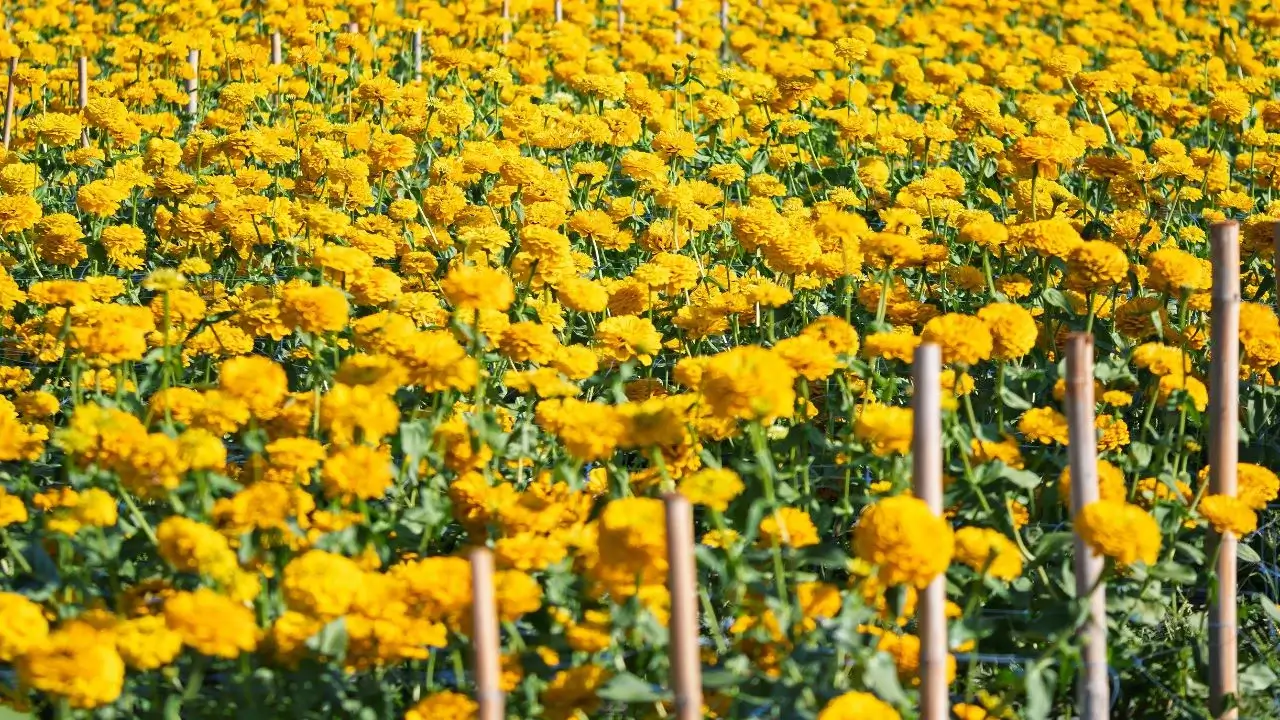
For farmers and serious home gardeners across North America, April represents a critical juncture. It is the month where the transition from winter planning to active cultivation accelerates, regardless of the specific climate zone. Whether you are managing a commercial market garden or tending to a family plot, your April seed-starting regimen is a foundational investment that will dictate the yield, health, and profitability of your harvest in the coming months.
The fundamental challenge for any grower in April is navigating the unpredictable weather. In some regions, the threat of frost is receding, while in others, winter’s grip remains firm. Successfully balancing the timing of when to sow seeds directly into the earth versus starting them in the protected environment of an indoor tray is both an art and a science.
The Strategy: Understanding Your Local Climate and Growing Window
Before putting a single seed into soil, the most critical step is an assessment of your local climate. Specifically, you must determine your region’s "last frost date." This date is the anchor point for your entire spring schedule.
In warmer, southern climates, the season is already well underway. Tomatoes and peppers—crops that demand significant warmth—may already be in the ground, showing their first sets of fruit. Conversely, in northern or high-altitude regions, the priority remains cold-tolerant crops.
The decision-making process for seed starting hinges on two primary variables: the temperature requirements of the crop and the plant’s susceptibility to root disturbance. Some plants, particularly fast-growing root vegetables, are notoriously sensitive to being moved and prefer to grow in their final location. Others, such as long-season melons or slow-growing herbs, require the head start provided by an indoor environment to ensure they reach maturity before the first frost of autumn arrives.
What to Direct Sow: Establishing Hardy Crops
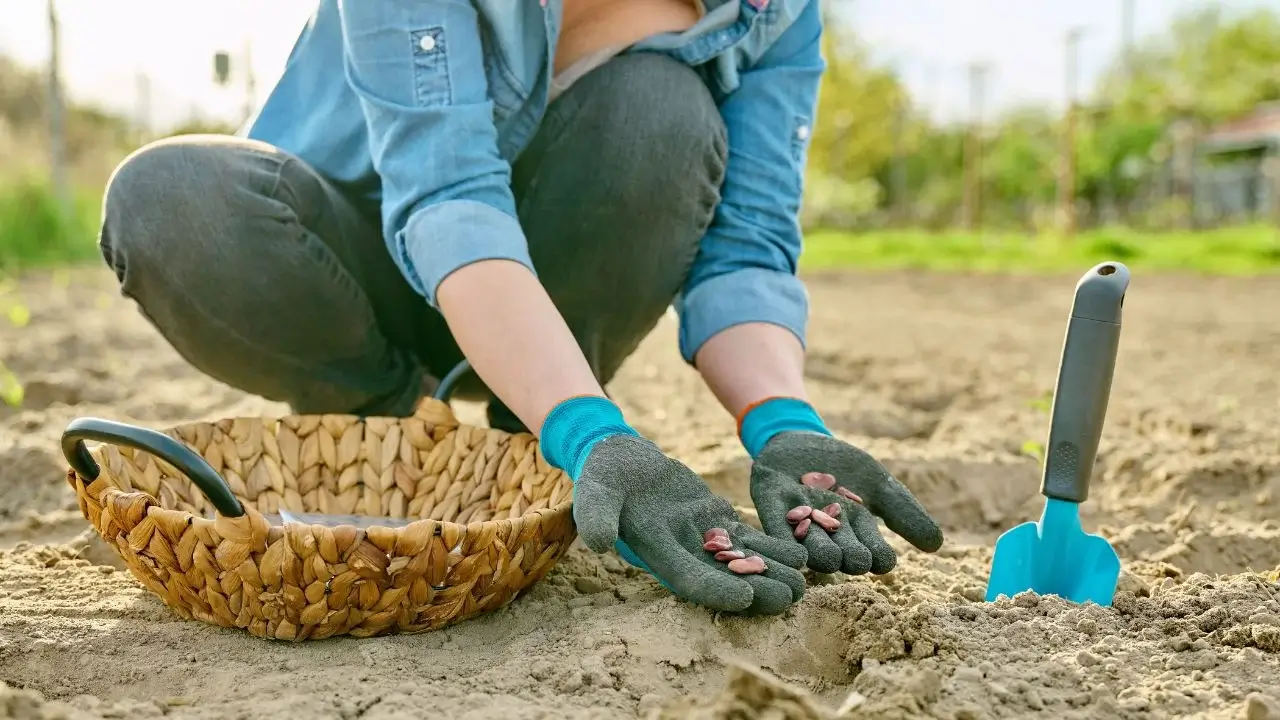
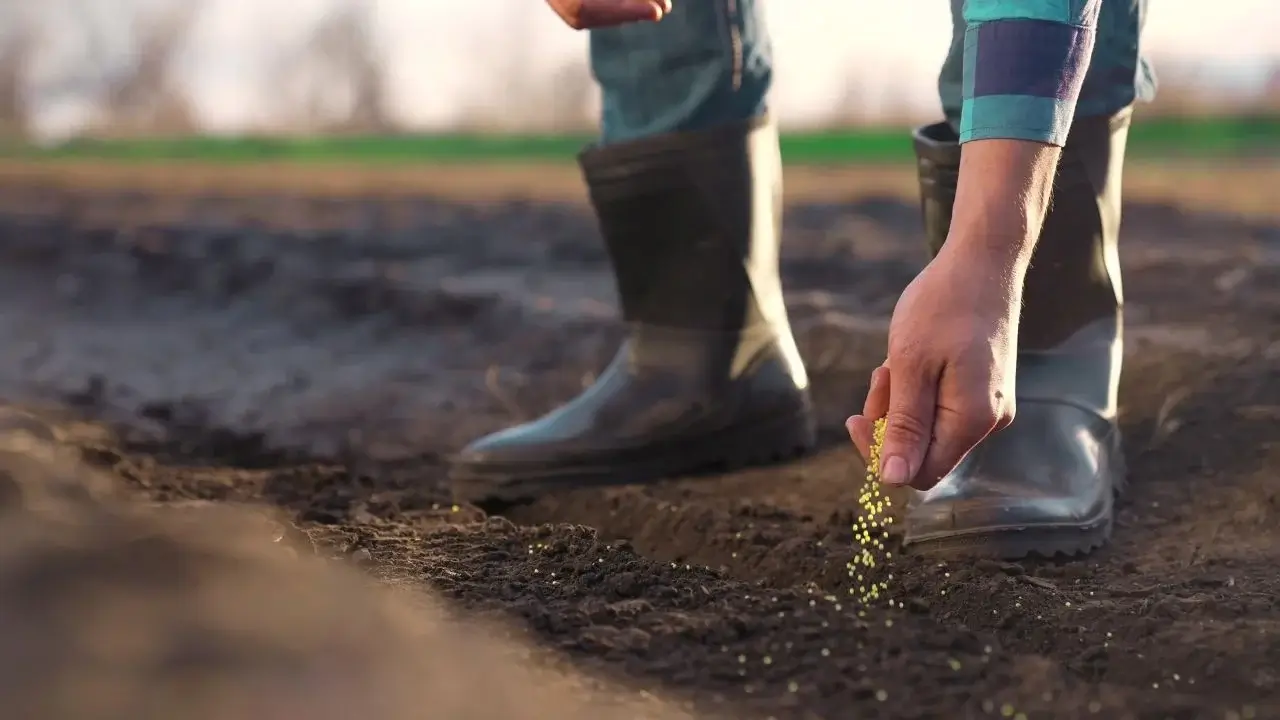
Direct sowing is the practice of planting seeds directly into the soil where they will remain until harvest. This method is preferred for plants that do not handle transplanting well. The disruption of a delicate root system during a move can lead to "transplant shock," stunting growth or causing the plant to bolt prematurely.
Peas: The Early Season Staple
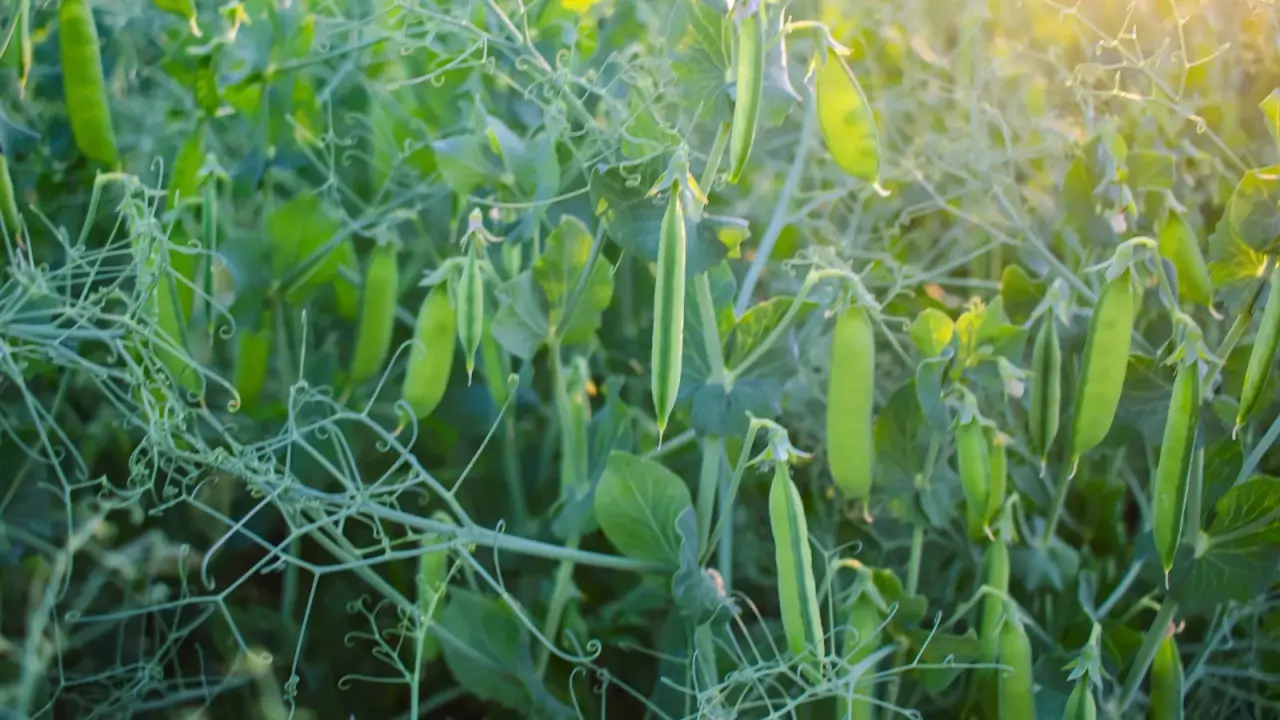
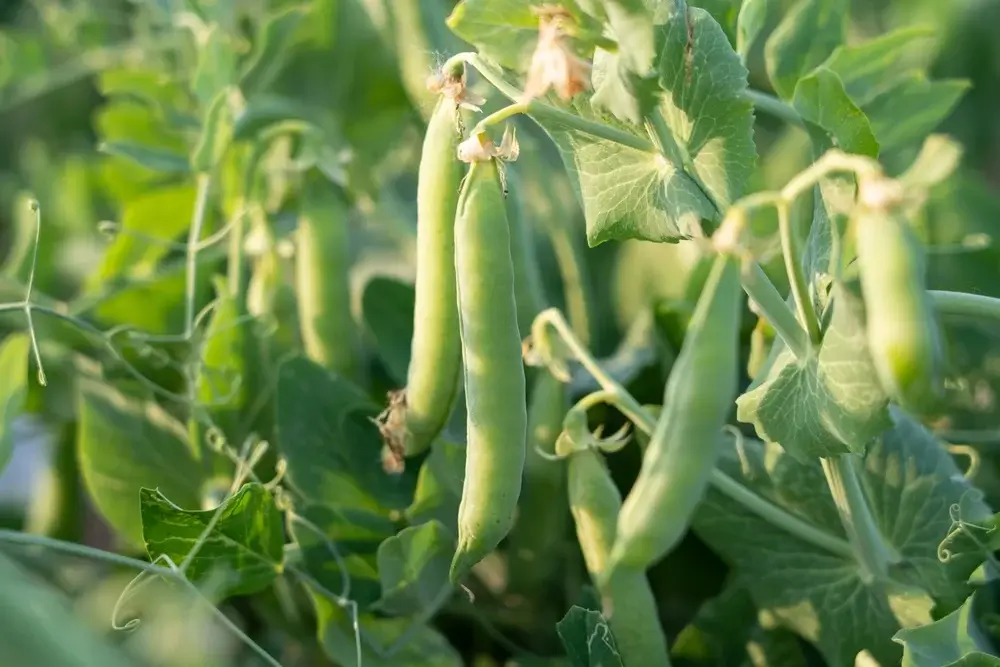
Peas are the quintessential April crop. They are hardy, frost-tolerant, and prefer cool soil. For optimal results, soak your pea seeds overnight before planting; this softens the hard outer coat and encourages rapid germination.
- Spacing and Depth: Plant seeds one to two inches apart.
- Varieties: Snow peas are particularly resilient in colder climates, capable of germinating when soil temperatures are as low as 40°F (4°C). While sugar snap and shelling peas are equally popular, they generally prefer a slightly more temperate start.
- Support: Most pea varieties are vining plants and will require a trellis or netting system to thrive.
Radishes: The Fast-Track Crop
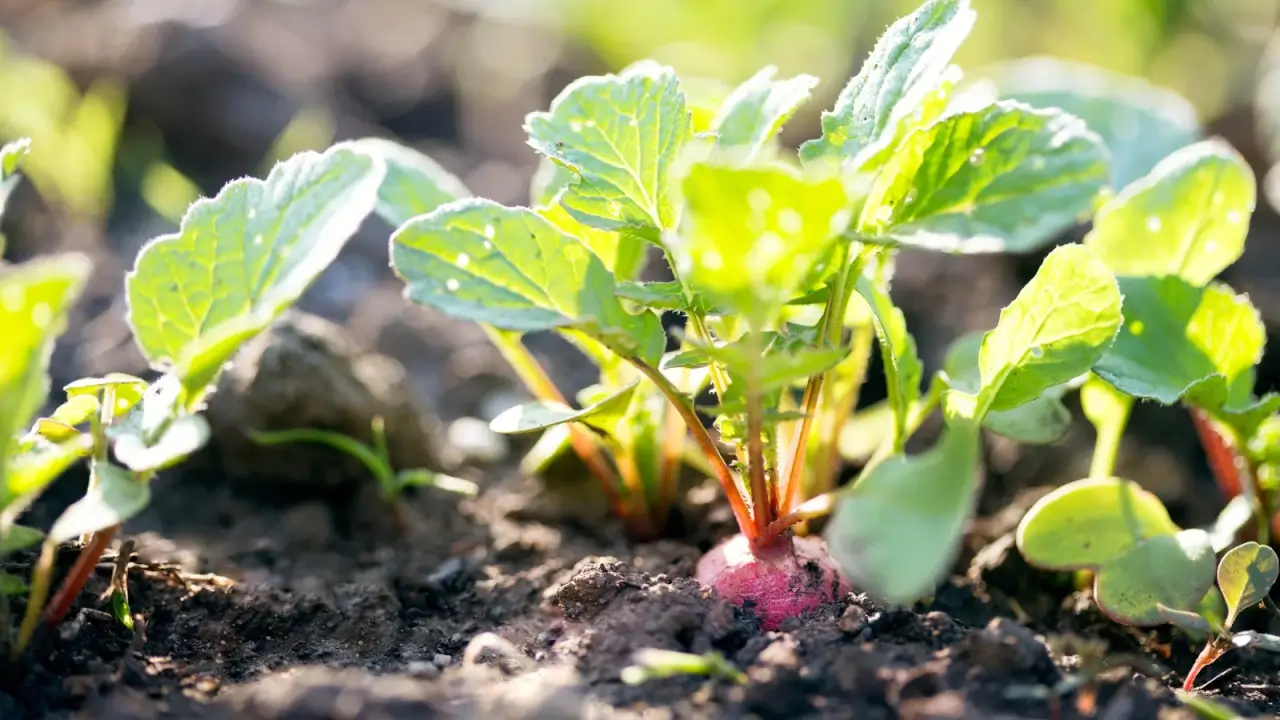
Radishes are the ideal crop for impatient gardeners or those looking for a quick cash-flow boost in a market garden. Because they mature in as little as 30 days, they can be sown in successive waves throughout April.
- Cool Soil Advantage: Radishes thrive when the soil is still cool. As the soil warms, move toward varieties like ‘French Breakfast’ or ‘Cherry Belle’ for a quick harvest. If your region experiences lingering cold, look to long-rooted varieties like ‘Black Spanish’ or traditional daikon.
Beans: Timing the Frost Window
While beans are often associated with the heat of mid-summer, they can be started as soon as the soil has warmed and the danger of heavy frost has passed.
- Varietal Differences: Standard climbing and shelling beans require a steady, mild climate and roughly two months to mature. However, if your growing season is short, consider cowpeas or hull peas, which can tolerate heat and will continue to produce even as summer temperatures climb.
Spinach: Embracing the Chill
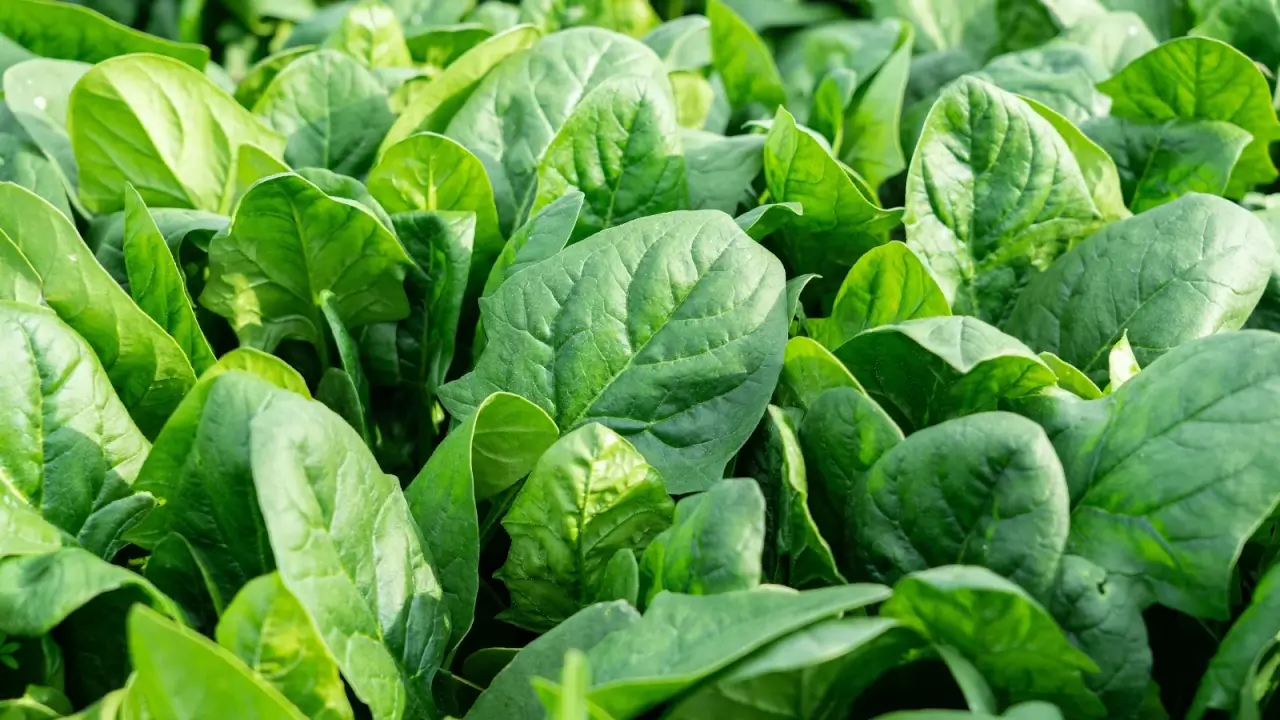
Spinach is a cool-weather champion. These plants are remarkably hardy and, in many cases, actually benefit from a light frost.
- Density Planting: For a high-yield approach, scatter seeds densely in rows or containers. Varieties such as ‘Matador’ are excellent for cold climates, while ‘Bloomsdale’ (a Savoy type) is prized for its ability to withstand erratic spring weather. If you notice early heat waves, you can harvest the spinach as "baby leaves" before the plant has a chance to bolt.
Annual Flowers: The Pollinator Boost
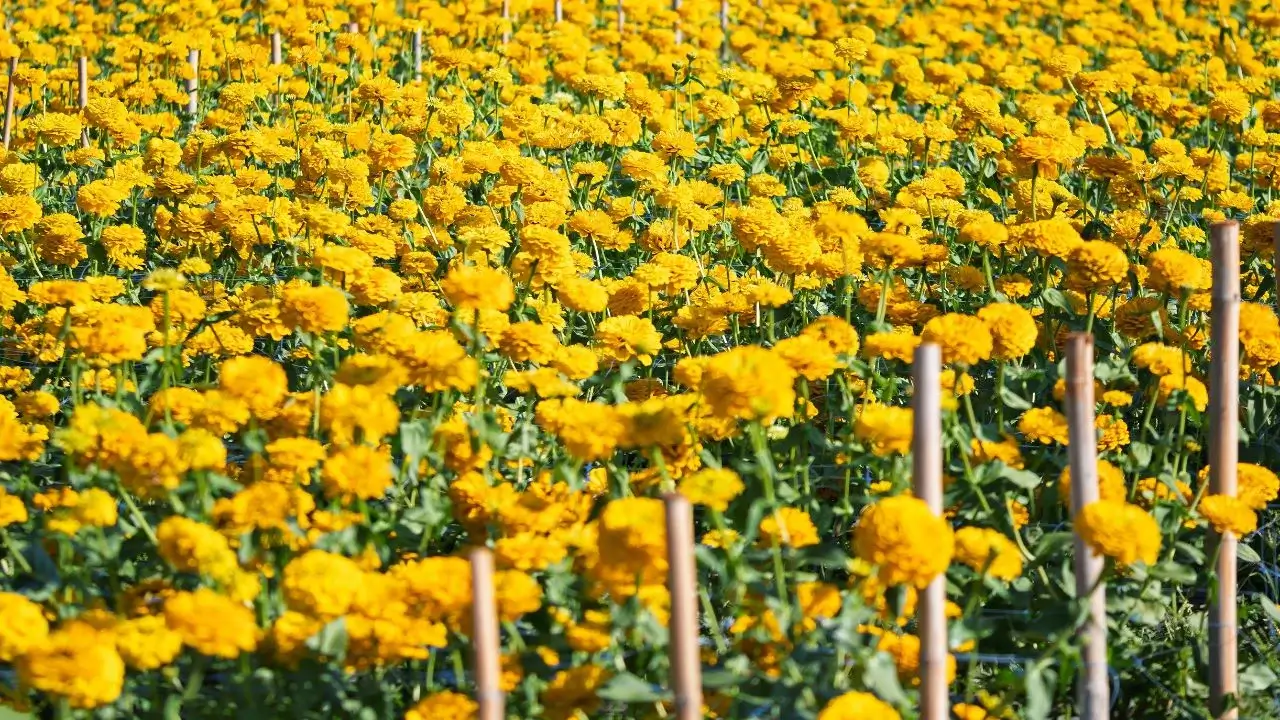
Integrating flowers into your farm layout is essential for attracting pollinators and managing pest populations. Zinnias, cosmos, marigolds, and amaranth are ideal for April sowing. Once the frost has officially left, these seeds can be sown directly. They also perform well in "cold frames"—small, low-profile, glass or plastic-covered boxes that trap solar heat, extending the growing season by several weeks.
Indoor Propagation: The "Head Start" Advantage
Starting seeds indoors allows growers to control the environment, shielding delicate embryos from cold snaps and pests. This is especially vital for slow-growing crops that require a long frost-free period to reach their full potential.
Melons: A Case for Indoor Starting
Melons are a high-value crop but are notoriously difficult to time correctly in northern climates.
- Short-Season Varieties: ‘Minnesota Midget’ melons mature in roughly two months, making them a fantastic option for farmers with limited frost-free windows.
- Large Melons: Watermelons and larger cantaloupes, such as ‘Hale’s Best,’ often require four to five months to mature. By starting these indoors in April, you bypass the final weeks of spring, ensuring that the plant is robust and ready to thrive as soon as the ground temperature hits the ideal range for transplanting.
Corn: Careful Handling
While traditional wisdom dictates that corn should be sown directly, modern agricultural practices have shown that corn can be started in trays if handled with extreme care.
- The Benefit: Starting corn indoors is a space-saving solution for growers with small fields. It ensures a high germination rate and allows you to "bulk up" the crop before introducing it to the field. Use deep cells for your trays to minimize root entanglement. Once the seedlings are about 3–4 inches tall, transplant them immediately to avoid root-bound stress.
Herbs: The Patience Game
Many culinary herbs, such as rosemary and lavender, are woody sub-shrubs that grow very slowly. They can take over a month just to germinate, making indoor starting an absolute necessity for these crops.
- The "Tender" Herbs: Parsley, cilantro, and oregano also benefit from indoor starts. By starting these in April, you can ensure a harvestable plant by late spring, rather than waiting until the mid-summer heat.
Implications for Farm Profitability and Food Security
The meticulous planning of an April seed-starting schedule has profound implications for a farm’s long-term sustainability. For the commercial farmer, timing is synonymous with revenue. Markets often pay a premium for early-season produce; having fresh peas, radishes, or spinach available when competitors are still waiting for their soil to thaw can provide a significant competitive advantage.
For the family farmer, the focus is on resilience. By diversifying what you plant—combining direct-sown hardy greens with indoor-started warm-weather crops—you create a "buffer" against climate unpredictability. If an unexpected late frost kills a portion of your direct-sown crop, having a secondary batch of transplants ready to go can mean the difference between a successful season and a failed one.
Conclusion: A Proactive Approach
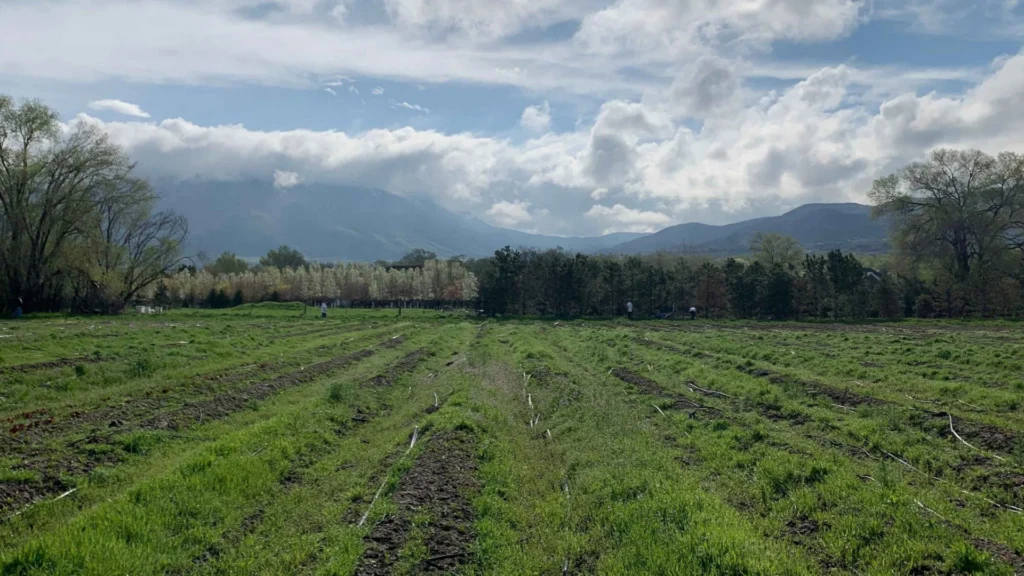
As we navigate the month of April, the most successful growers are those who view their farm not as a passive recipient of the weather, but as a system they can actively manage. By understanding the specific needs of each plant—whether they crave the cold-hardy direct soil or the pampered warmth of an indoor tray—you are setting the stage for a productive, efficient, and bountiful harvest.

Remember: the goal of April seed starting is not just to plant seeds, but to plant the foundation of your future success. Take the time to map your garden, respect the last frost date, and choose your varieties based on your local microclimate. Your future self, standing in a field of thriving, well-timed crops in late summer, will thank you for the diligence you showed today.

 Asep Darmawan

 Layla Zulfa

