

 Nana Wu

 Dwi Wanna

 Suro Senen

 Evan Lee Salim

 Iffa Jayyana
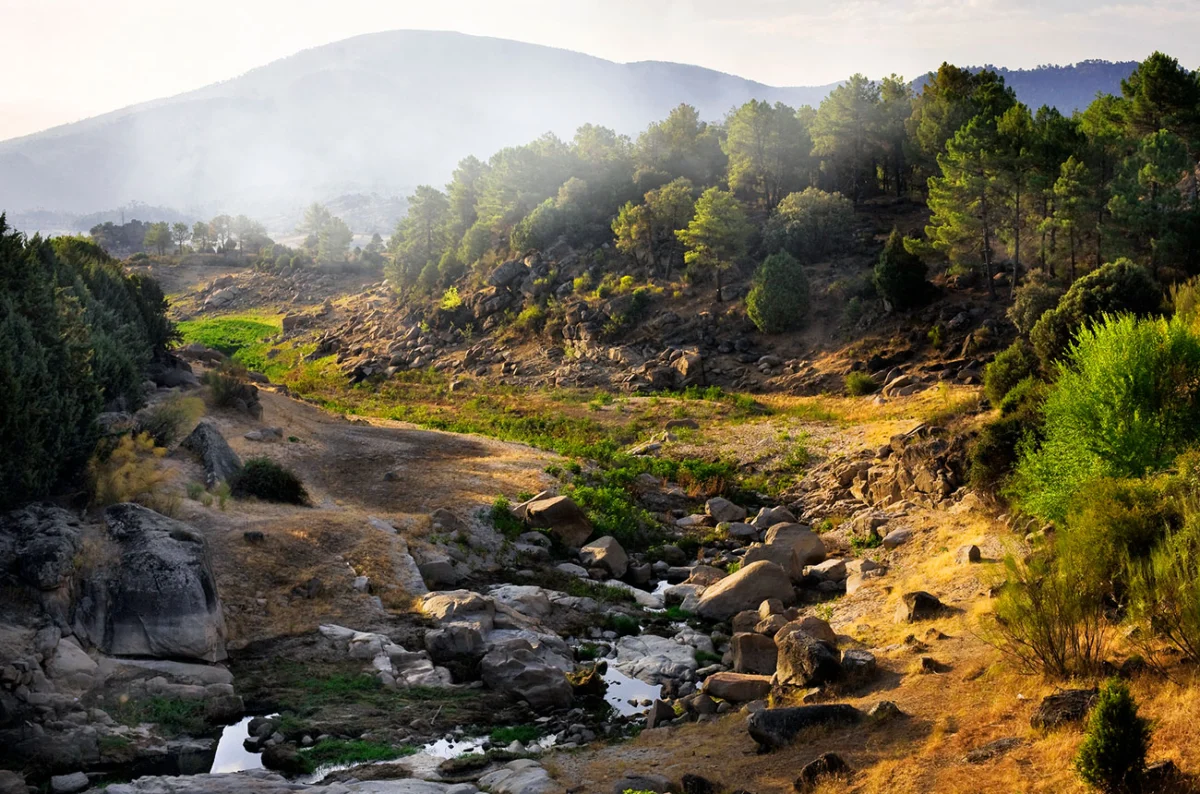
In the world of fine wine, the concept of terroir—the unique combination of soil, climate, and topography—is often discussed in mystical terms. However, at the foot of Mont Ventoux in southeast France, the connection between the prehistoric earth and the glass in your hand is literal, violent, and enduring.
As Natalie Earl, Decanter’s France and Sustainability Editor, aptly puts it: “Every bottle of organic, biodynamic, regeneratively farmed or bee-friendly wine we buy is a vote for protecting the land.” This sentiment is nowhere more visible than at Chêne Bleu, a winery nestled within the Dentelles de Montmirail, where the marriage of ancient geological upheaval and modern ecological stewardship is defining a new paradigm for viticulture.
The Geological Foundation: An Ancient Upheaval
To understand the wines of the Dentelles de Montmirail, one must look back tens of millions of years. During the same tectonic cataclysms that birthed the Pyrenees, massive geological forces surged through what is now southeast France. The crust of the Earth was violently folded and thrust upward, tilting layers of Jurassic limestone into near-vertical formations.
These "Dentelles"—meaning lace, in reference to the jagged, serrated appearance of the limestone peaks—created a unique microclimate and soil structure. The thin, mineral-rich limestone soils force vines to struggle, digging deep into the bedrock to find nutrients and moisture. This struggle is the secret ingredient of world-class viticulture; it stresses the vine just enough to produce grapes with concentrated flavors, high acidity, and a distinct sense of place.
Chronology: From Ninth-Century Origins to Modern Sustainability
The history of this land is not merely one of rocks, but of human intervention spanning over a millennium.
- The 9th Century: The establishment of the priory that now serves as the heart of the Chêne Bleu winery. Monks were among the first to recognize the unique quality of the land, planting vines to support the local monastic community.
- 19th–20th Century: The region saw fluctuating fortunes as industrial farming practices and chemical fertilizers became the norm in French viticulture, often at the expense of soil health.
- The Early 2000s: A shift in consciousness. As the global wine industry began to face the realities of climate change and soil degradation, forward-thinking estates in the Vaucluse region began to pivot back toward historical, low-intervention methods.
- Present Day: Chêne Bleu and its neighbors represent a vanguard of "Extreme Terroir." By combining the ancient wisdom of the priory’s original inhabitants with modern environmental science, they are proving that high-altitude, limestone-rich sites are the best defense against a warming planet.
Supporting Data: Why "Bee-Friendly" Matters
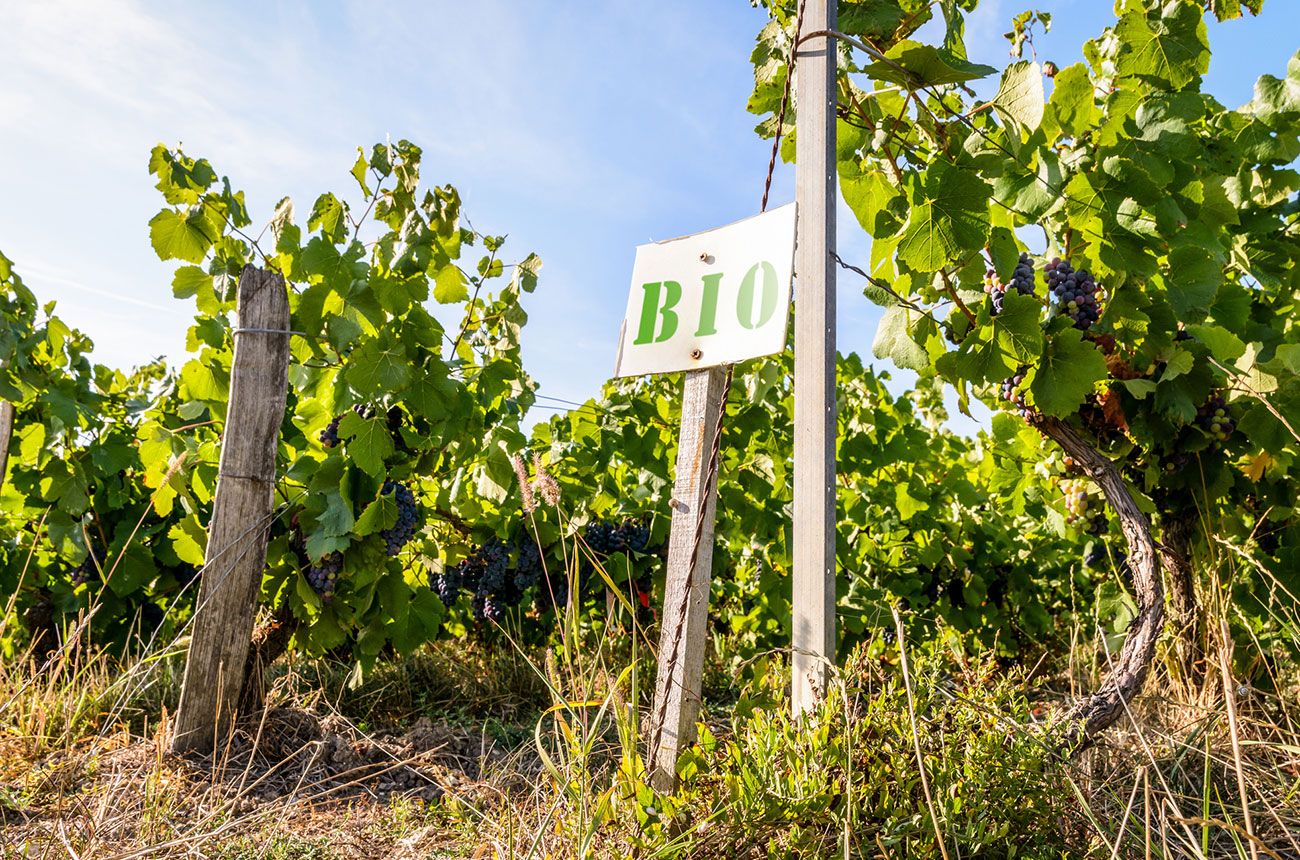
The shift toward organic and biodynamic viticulture is not merely a marketing trend; it is a necessity driven by data. Recent studies in viticultural ecology have highlighted the critical role of biodiversity in vineyard resilience.
The Role of Biodiversity
Vineyards that adopt organic practices show a significantly higher rate of mycorrhizal fungi in the soil—essential networks that help vines absorb water and nutrients. Furthermore, "bee-friendly" or pollinator-inclusive viticulture is directly linked to the health of the local ecosystem.
- Soil Carbon Sequestration: Regenerative farming practices, such as planting cover crops between rows, have been shown to increase soil organic carbon by up to 15% over a decade.
- Water Retention: Soils rich in organic matter, free from the hardening effects of synthetic pesticides, retain water more efficiently, protecting vines against the increasing frequency of heatwaves.
- Yield vs. Quality: While organic conversion can lead to an initial dip in yield, the long-term quality of the fruit—measured in phenolic ripeness and sugar-acid balance—tends to stabilize at a higher level than conventional vineyards, which are prone to soil exhaustion.
Official Responses and Industry Perspectives
Industry experts, including Natalie Earl, have been vocal about the "thorny topic of sustainability." The consensus among those at the forefront of the French wine trade is that the industry is at a crossroads.
"Sustainability is no longer a luxury label; it is a risk management strategy," says one viticulture consultant specializing in the Rhône Valley. "When you farm regeneratively, you are protecting your asset—the land—from the volatility of climate change. You aren’t just making wine for the next vintage; you are making it for the next century."
The official stance of regional wine boards in the Southern Rhône has also shifted. Increasingly, subsidies and certifications are being directed toward estates that demonstrate a measurable reduction in chemical inputs and an increase in biodiversity. This is not just a moral imperative; it is an economic one, as consumers increasingly demand transparency and environmental accountability.
Implications: The Future of Fine Wine
What does this mean for the average consumer? As the climate shifts, the "classic" regions may face unprecedented challenges. The high-altitude, limestone-based vineyards of the Dentelles de Montmirail offer a glimpse into the future of viticulture.
1. The Rise of "Cool Climate" High-Altitude Sites
As temperatures rise globally, the cooling influence of altitude becomes paramount. Sites like Chêne Bleu, which benefit from the thermal regulation of the Mont Ventoux massif, are becoming increasingly valuable. These areas are capable of producing elegant, structured wines that maintain freshness—a trait that is becoming harder to achieve in lower-lying, hotter valleys.
2. The Consumer as an Active Participant
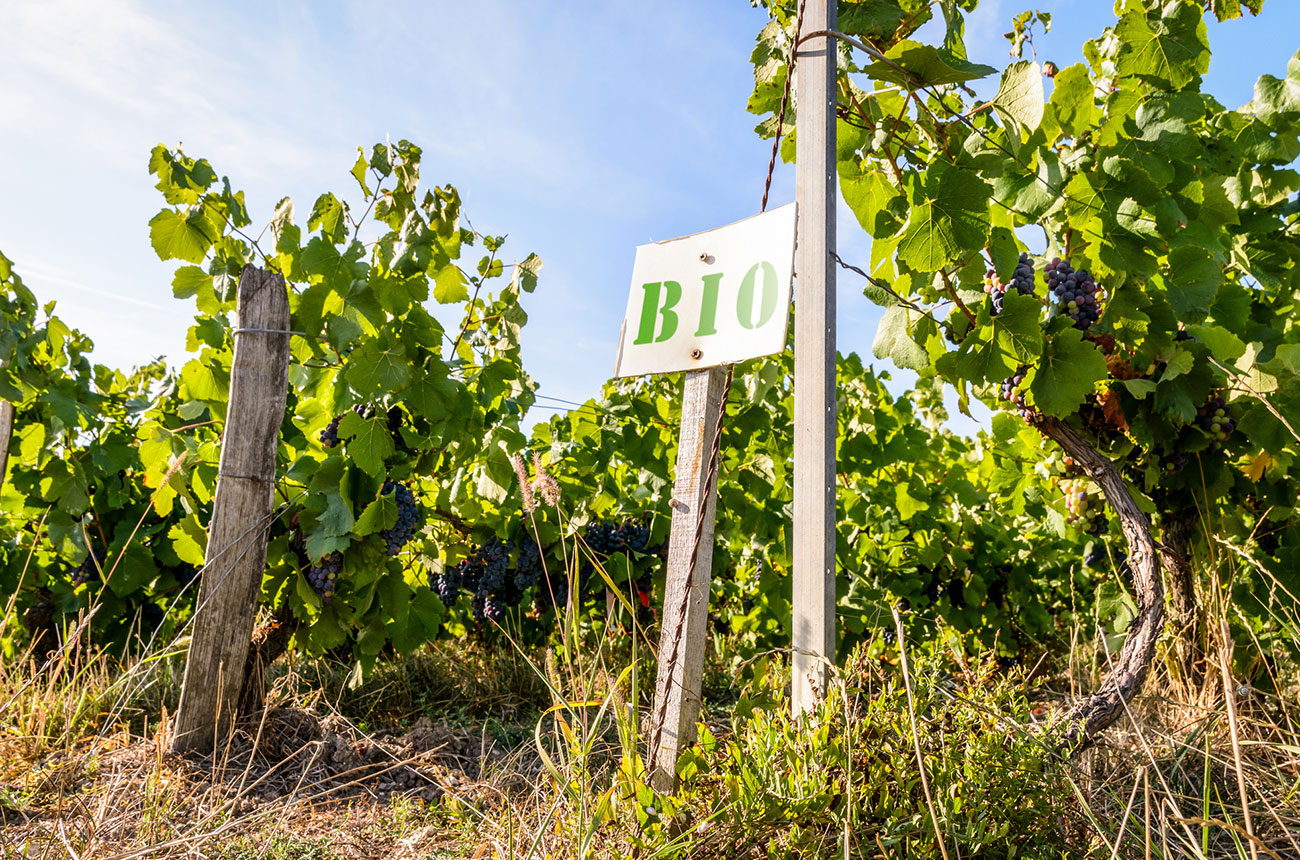
The purchasing power of the wine consumer has never been more potent. When a buyer chooses a bottle that carries an organic or biodynamic certification, they are directly subsidizing the cost of ecological restoration. As Earl notes, every bottle is a vote. This shift in consumer behavior is forcing large-scale producers to reconsider their supply chains, leading to a "trickle-down" effect of sustainability across the industry.
3. Preserving the Cultural Landscape
Beyond the science, there is the cultural imperative. The priories, the stone walls, and the ancient paths of the Vaucluse are part of a living heritage. Abandoning these lands to chemical-heavy, industrial farming would not only destroy the soil but would erase the history of the region. By returning to the stewardship of the land, vintners are acting as curators of a history that extends back to the ninth century.
Conclusion: A Philosophy of Resilience
The story of the Dentelles de Montmirail is a microcosm of the global wine industry’s struggle and triumph. It reminds us that we are not separate from the geological forces that formed the earth, nor are we exempt from the consequences of how we treat it.
As we look toward the future, the wines that will define the coming decades will be those that honor their origin—not just by reflecting the limestone and the altitude, but by respecting the life that exists within the soil. Whether through the lens of biodynamics, organic farming, or regenerative agriculture, the goal remains the same: to create a product that is not just a commodity, but a testament to the enduring, fragile, and magnificent relationship between humanity and the land.
When you open a bottle of wine from this corner of France, you are tasting the tectonic history of the Pyrenees, the patient work of centuries of monastic tradition, and the deliberate, science-backed efforts of a modern generation dedicated to healing the earth. It is, in every sense, a taste of the future.

 Basiran

