

 Nana Wu

 Dwi Wanna

 Suro Senen

 Evan Lee Salim

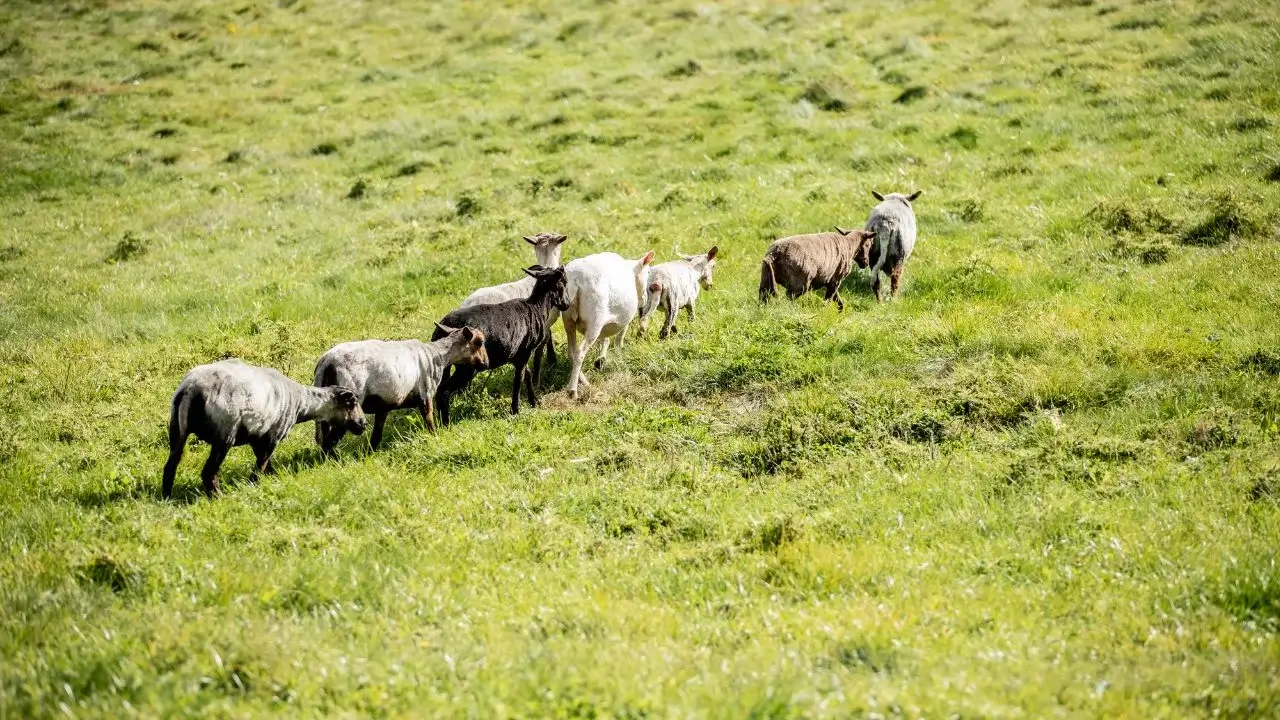
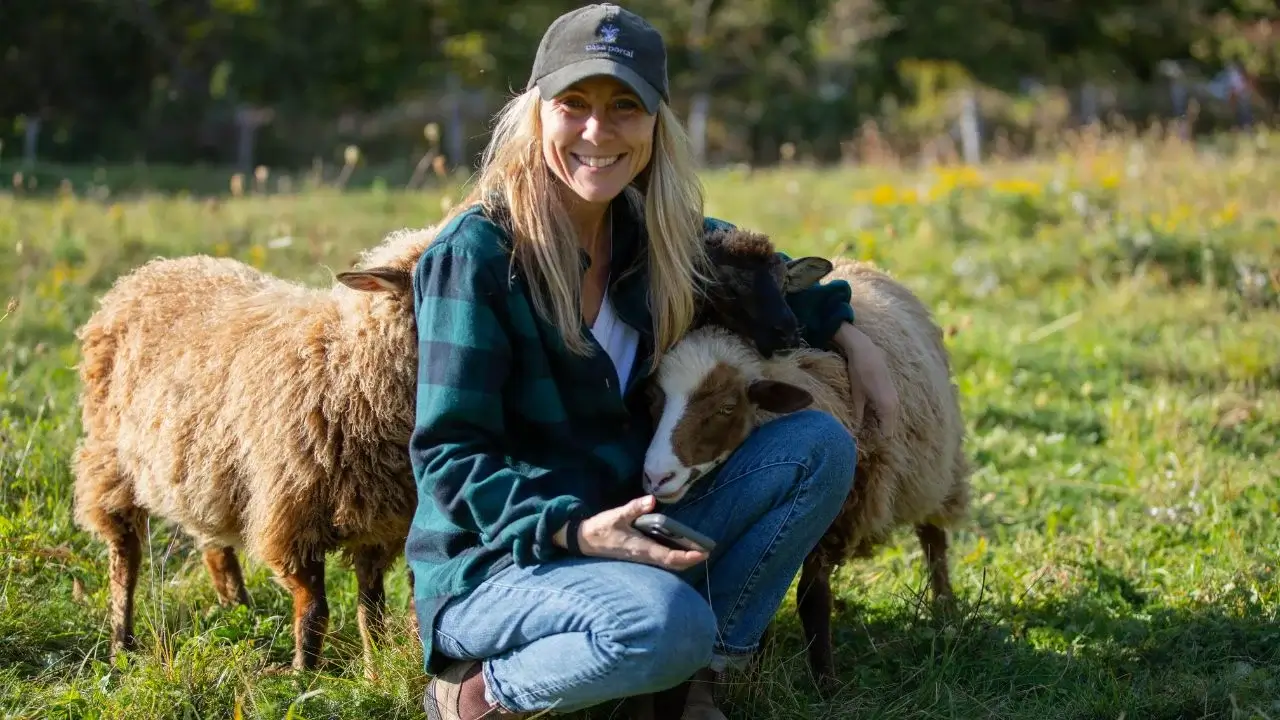
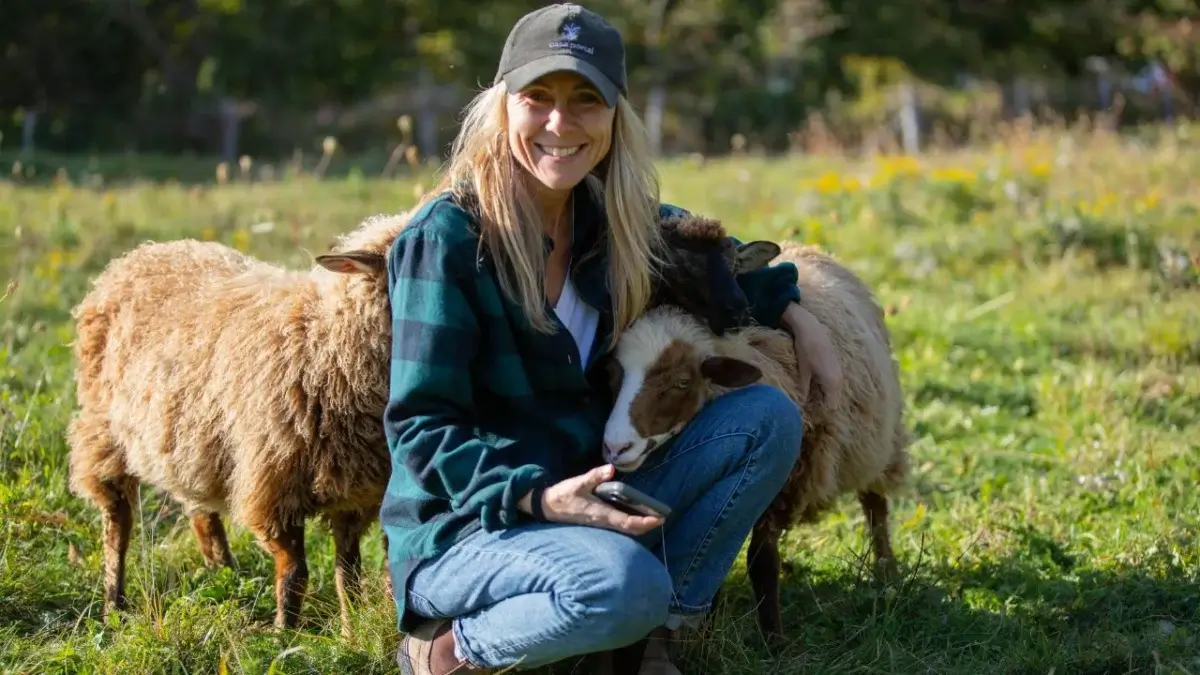
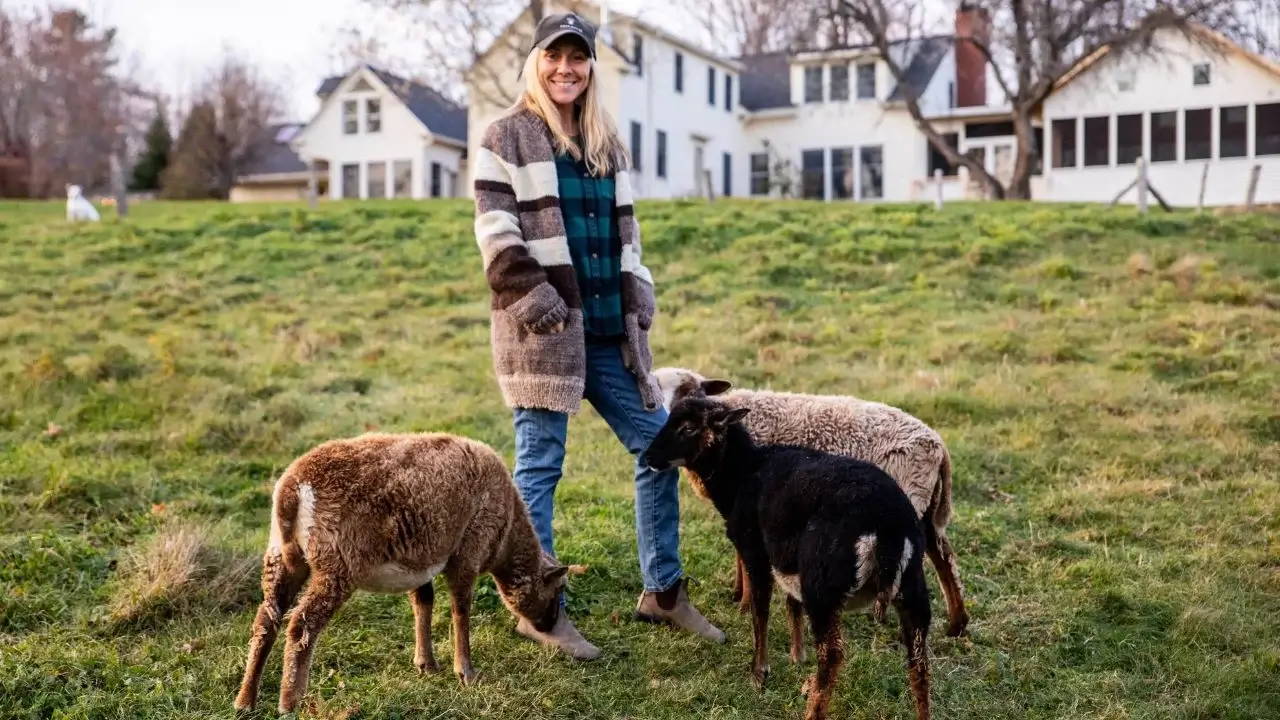
In the lush, rolling landscapes of rural Maine, a quiet revolution is taking root. At Casa Portal, a 100-acre farm that serves as both a sanctuary and a working laboratory for regenerative agriculture, Melissa Schneider is redefining the role of the modern farmer. Trading the high-octane, output-driven pace of Los Angeles for the rhythmic, deliberate cycles of the pastoral life, Schneider has become a shepherdess of a rare and storied breed: the Navajo-Churro sheep.
This is not merely a story of livestock; it is an exploration of how intentional, small-scale farming can act as a catalyst for environmental restoration and cultural preservation. By integrating heritage breeds into a closed-loop system, Casa Portal is proving that the future of agriculture may actually lie in the wisdom of the past.
The Genesis of Casa Portal: A Shift in Rhythm
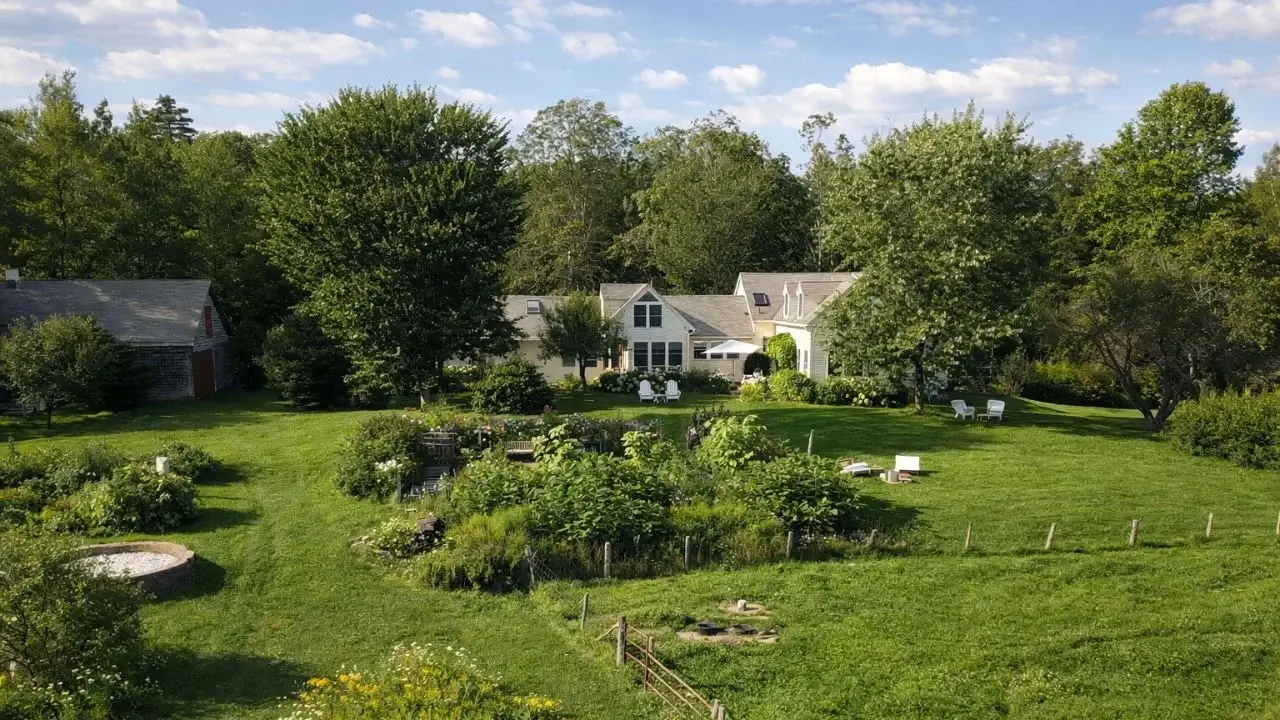
The transition from urban sprawl to rural stewardship was not a premeditated career move for Schneider. Rather, it was a profound lifestyle pivot—a search for a slower, more grounded existence. Upon arriving in Maine, she inherited a legacy left by previous stewards who had already begun the arduous task of healing land previously degraded by industrial logging.
"The farm came as a surprise," Schneider explains. "I took it over from friends who showed me that small-scale farming can be a quiet act of rebellion." Renaming the property Casa Portal—the "house with a portal"—she signaled a shift in philosophy. The farm would no longer be a place of extraction, but a gateway where humans and animals collaborate to build soil health, biodiversity, and ecosystem resilience.
Chronology of a Heritage: The Navajo-Churro Legacy
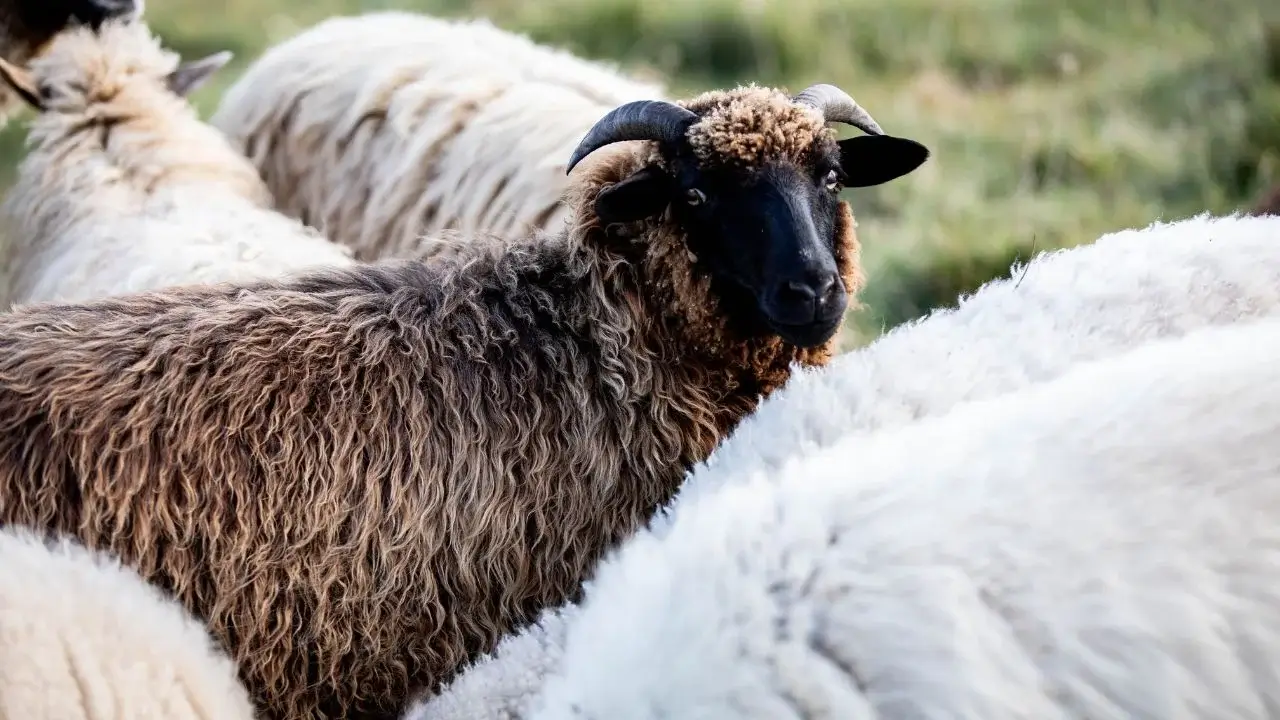
The heart of Casa Portal is its flock of Navajo-Churro sheep. To understand the significance of this herd, one must look back at a history that is as tragic as it is resilient.
- 1860s–1930s: The Navajo-Churro breed, central to the culture and economy of the Diné people of the American Southwest, faced systemic eradication efforts, bringing the population to the brink of extinction.
- 1970s: The breed reached a critical low, with only a few hundred individuals remaining. A concerted effort by conservationists and indigenous communities saved the breed from total disappearance.
- Early 2000s: A Navajo-Churro ram from the Southwest was brought to a Maine farmer’s market, serving as the foundation for what would eventually become the Casa Portal flock.
- Present Day: Schneider continues the work of those original Maine shepherds, maintaining a closed flock and practicing selective breeding to preserve the integrity of the lineage.
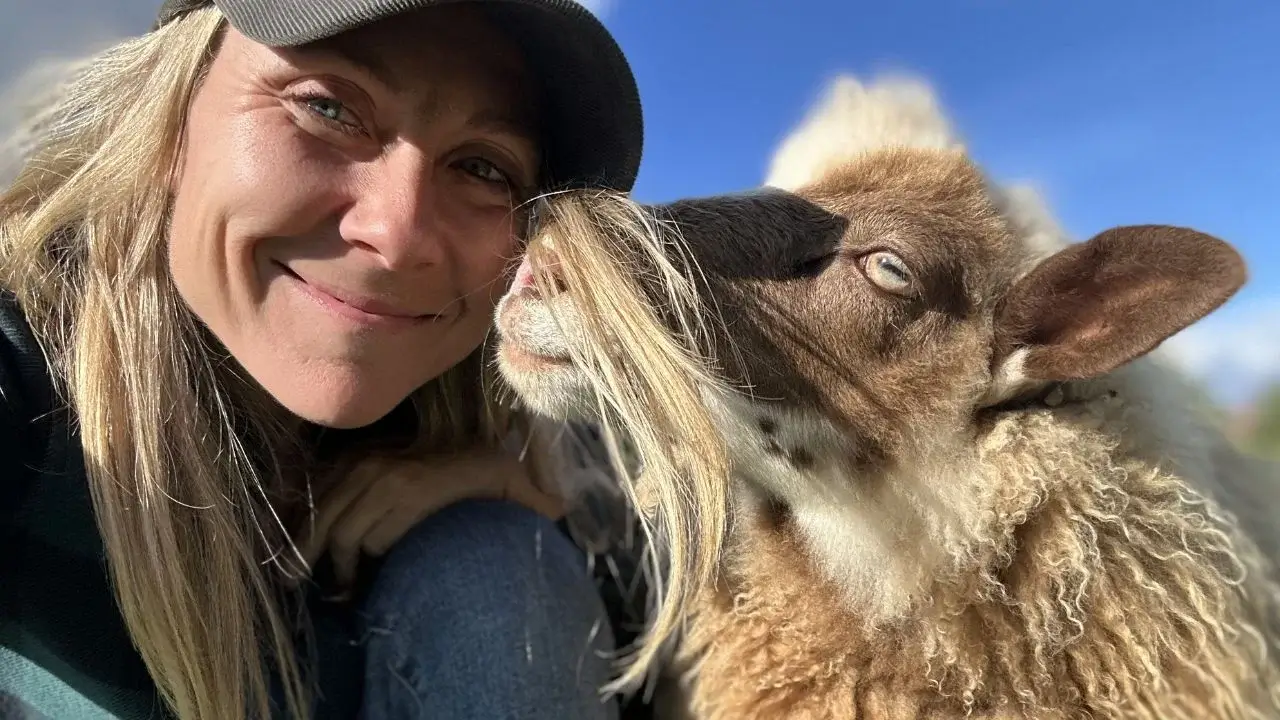
By stewarding these sheep, Schneider is not just raising livestock; she is maintaining a genetic and cultural link to a history that nearly vanished. She approaches this responsibility with profound respect, viewing herself as a temporary guardian in a much longer narrative of survival.
Supporting Data: Why Heritage Breeds Matter
In an era dominated by industrial livestock operations—which prioritize rapid growth and high-volume output—heritage breeds like the Navajo-Churro are often overlooked. However, from a regenerative standpoint, they are essential.
Ecological Integration
Unlike commercial breeds designed for confined, input-heavy systems, the Navajo-Churro is "shaped by landscape and survival." They possess a unique ability to navigate difficult terrain and thrive on diverse forage. Their grazing patterns are not random; they are ecological tools. As they move across the pastures, they:
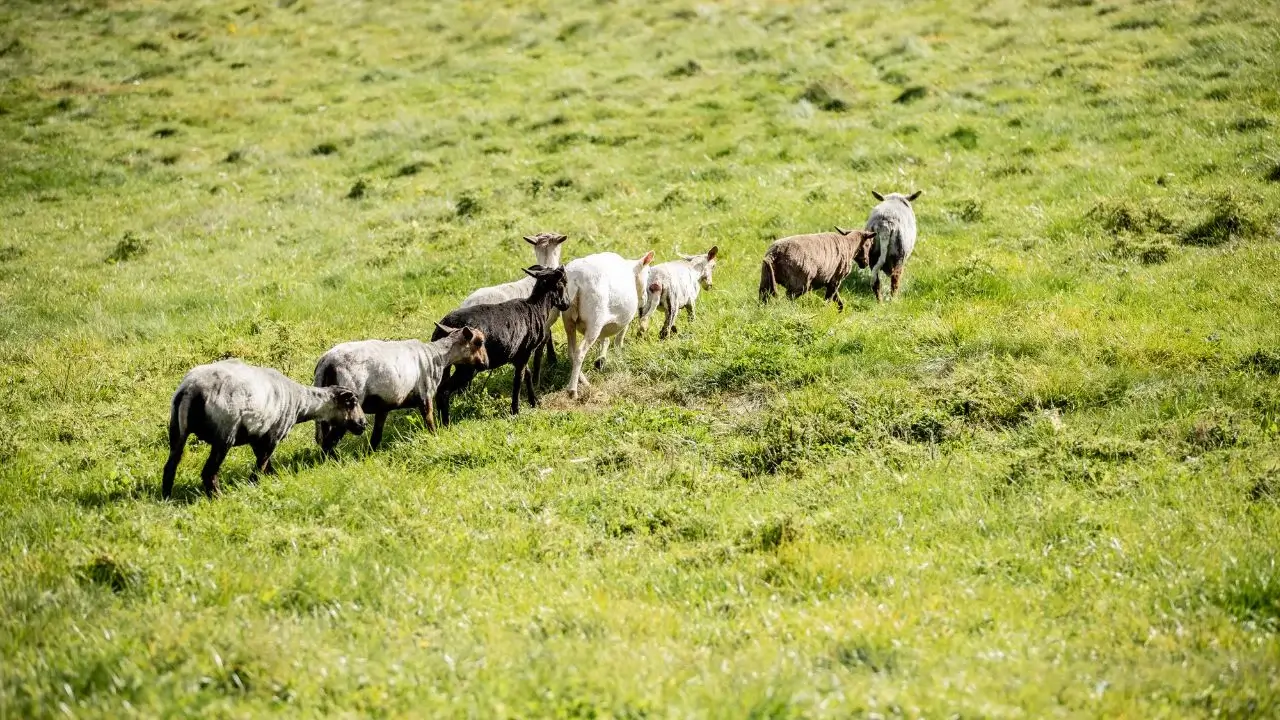
- Distribute nutrients: Naturally fertilizing the soil through manure.
- Promote biodiversity: Their selective grazing encourages a variety of plant species to thrive.
- Seed the earth: Their hooves press seeds into the soil, while their wool acts as a carrier for seeds across the property.
Resiliency Metrics
The Navajo-Churro are known for their hardiness. In the variable climate of Maine, where winters are harsh and springs are unpredictable, these sheep require fewer external inputs—such as chemical treatments or expensive grain supplements—than conventional breeds. This reduces the farm’s carbon footprint and ensures that the system remains economically and ecologically sustainable.
A Global Lens: The Year of the Female Farmer
The United Nations has designated 2026 as the "Year of the Female Farmer," a recognition of the vital, yet often invisible, role women play in global agriculture. Schneider sees this as a crucial moment for visibility.
"Women have always been part of this work, but much of that hasn’t been centered or recognized," she notes. For Schneider, shepherding is inherently relational—a skill set that demands deep observation and patience. She views this "attentive" style of farming as a departure from the masculine, industrial-era model of control and output.
"Shepherding is about listening," she says. This perspective is shared by many women in the regenerative movement, who are increasingly prioritizing ecosystem health over maximum yield. By framing farming as a process of "care-based, ecosystem-aware practices," female farmers are effectively changing the narrative of what it means to be a steward of the land.
Implications for the Future of Agriculture
What does Casa Portal mean for the broader food system? The implications are significant, particularly for those looking to enter the agricultural space.
The Low Barrier of Entry for Small-Scale Farms
Schneider argues that small, regenerative operations provide a more accessible entry point for beginners. Unlike industrial farming, which requires massive capital investment and complex logistical systems, small-scale shepherding relies on proximity and observation.
- Real-time adjustment: Because the farmer is "close to everything," they can respond to the needs of the land and the animals immediately.
- Room for failure: Small systems allow for the "imperfection" necessary for learning, encouraging new farmers to develop skills through experience rather than through rigid, top-down mandates.
The Role of Technology and Community
Despite the "slow" nature of the work, modern technology plays a surprising role. Online communities—particularly those on platforms like YouTube—are creating a decentralized network of knowledge. Beginners can now observe real-time troubleshooting, from fence building to animal husbandry, bridging the gap between ancient traditions and modern connectivity.
Moving Forward: Expanding the Portal
The future of Casa Portal is one of deepening, rather than expanding in scale. Schneider is currently focusing on several key initiatives designed to share the "magic" of the farm with the public:
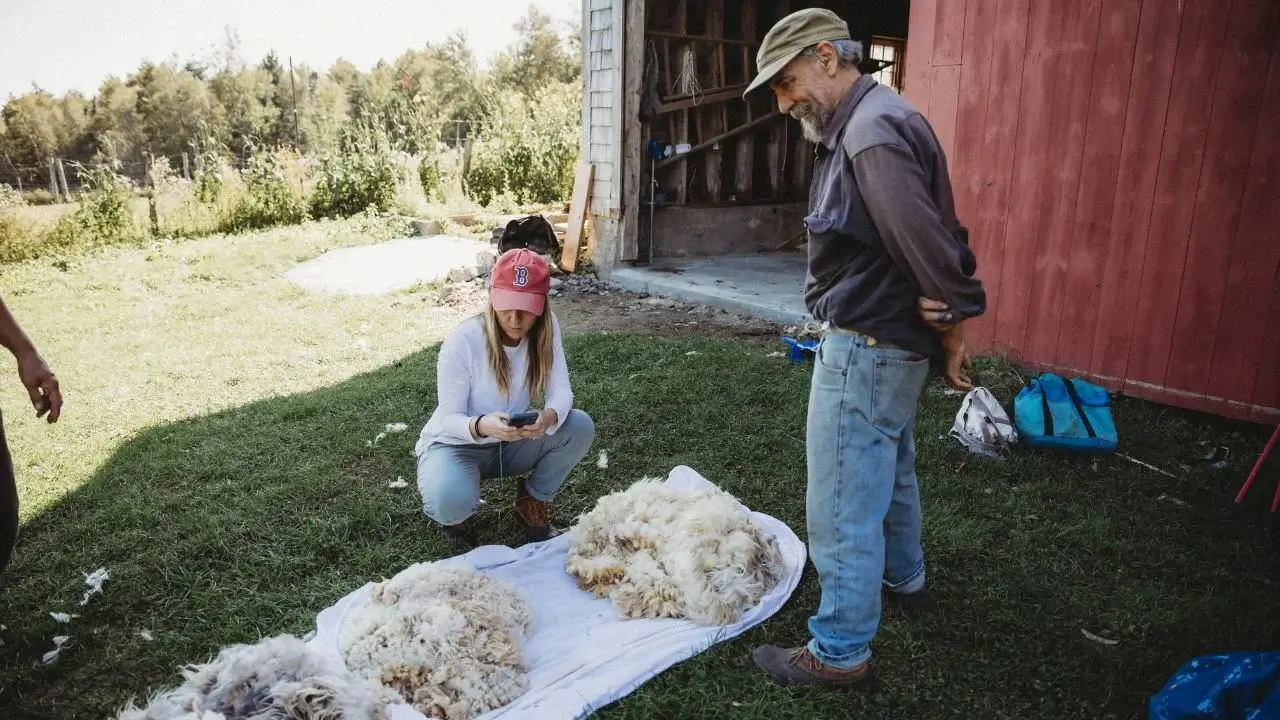
- The Barn Project: Converting the farm’s barn into a space for fiber arts workshops, allowing visitors to work with the sheep’s wool and participate in the full lifecycle of the product.
- Hospitality: Expanding farmstay retreats, which invite participants to step into the rhythm of the land.
- Product Development: Launching a line of small-batch yarn and rugs, ensuring that every byproduct of the flock is honored and utilized.
"It’s not positioned as an escape, but as a way of re-entering a different relationship with the world," Schneider reflects.
Conclusion: A New Way of Relating
The success of Casa Portal serves as a powerful testament to the efficacy of regenerative, heritage-based agriculture. By choosing to prioritize the health of the whole—the soil, the animals, the fiber, and the people—Melissa Schneider is demonstrating that farming can be a generative force.
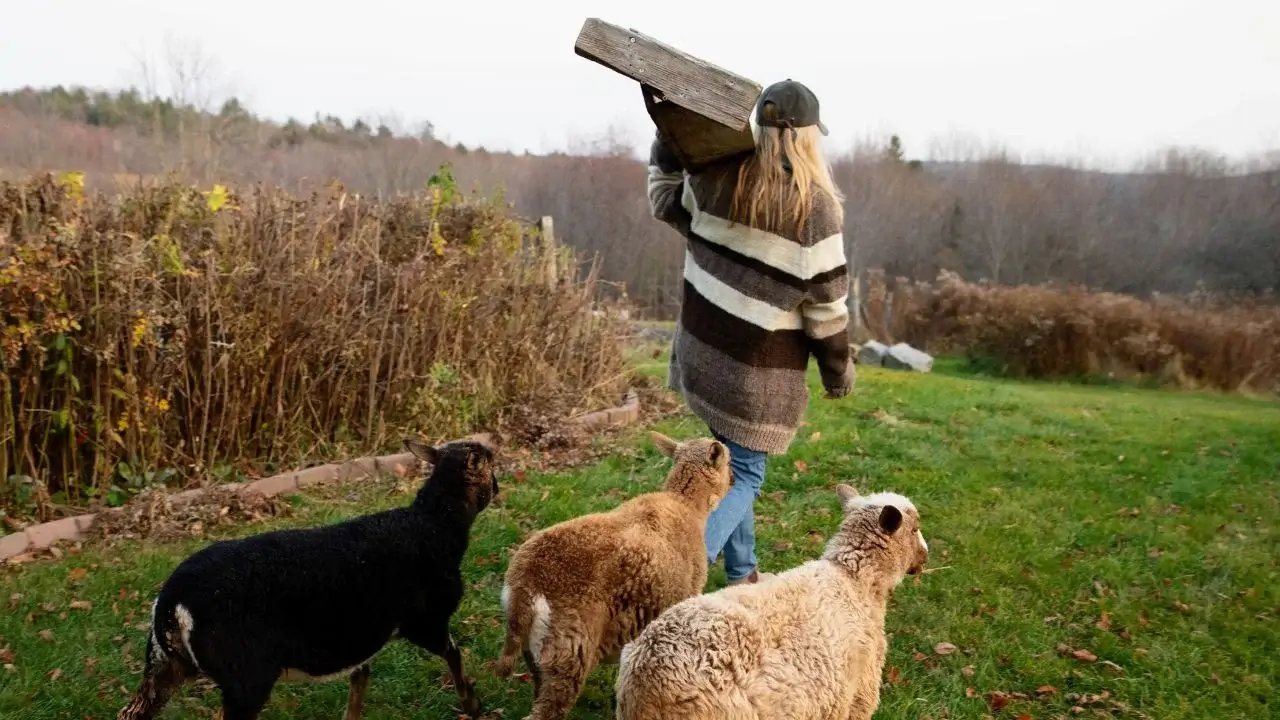
As agriculture continues to grapple with the challenges of climate change and biodiversity loss, the model provided by Casa Portal offers a compelling path forward. It suggests that if we shift our focus from "managing" to "paying attention," we might just find that the land is capable of healing itself, provided we give it the space, the time, and the right partners to help it along the way. In the fields of Maine, the Navajo-Churro sheep are doing exactly that, one step at a time.

 Nila Kartika Wati
 Layla Zulfa

