Nana Wu

 Dwi Wanna

 Suro Senen

 Evan Lee Salim

 Jia Lissa
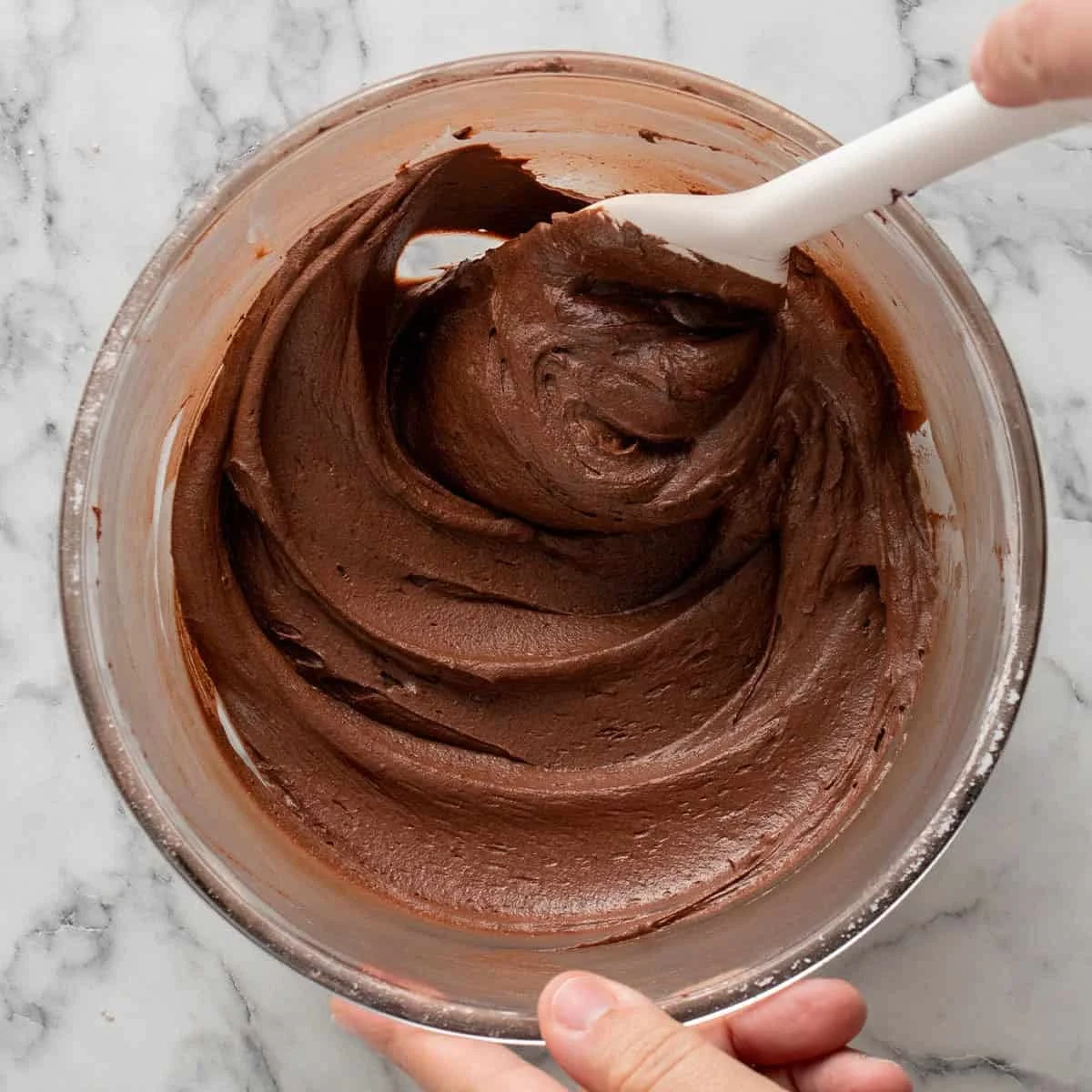
In an era defined by the rise of complex, architecturally intricate patisserie and the "Instagram-perfect" aesthetic of high-end bakery goods, there is a quiet, powerful movement toward the return of the simple. Culinary experts and home bakers alike are pivoting back to the foundations of the craft—focusing on flavors that evoke comfort, childhood, and the raw, unrefined joy of a homemade treat. At the center of this trend is the resurgence of the "old-school" chocolate frosting, a versatile, five-minute solution that is proving that convenience does not have to come at the cost of quality.
Main Facts: The Anatomy of a Classic
The allure of this specific chocolate frosting lies in its deceptive simplicity. Unlike modern ganaches that require precise tempering or complex Swiss meringue buttercreams that demand temperature control and hours of whipping, this recipe relies on pantry staples: high-quality cocoa powder, softened butter, and a precise splash of hot milk.
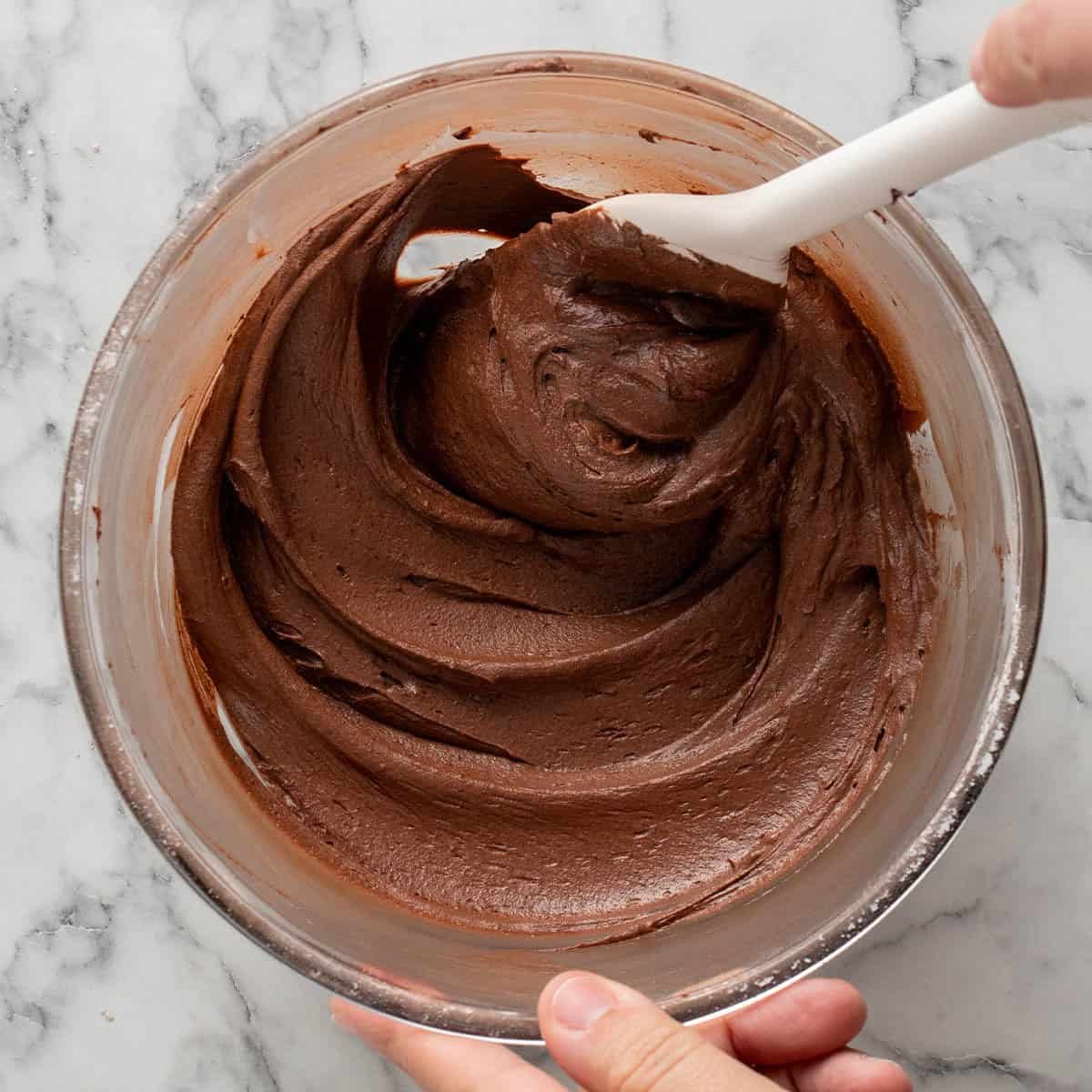
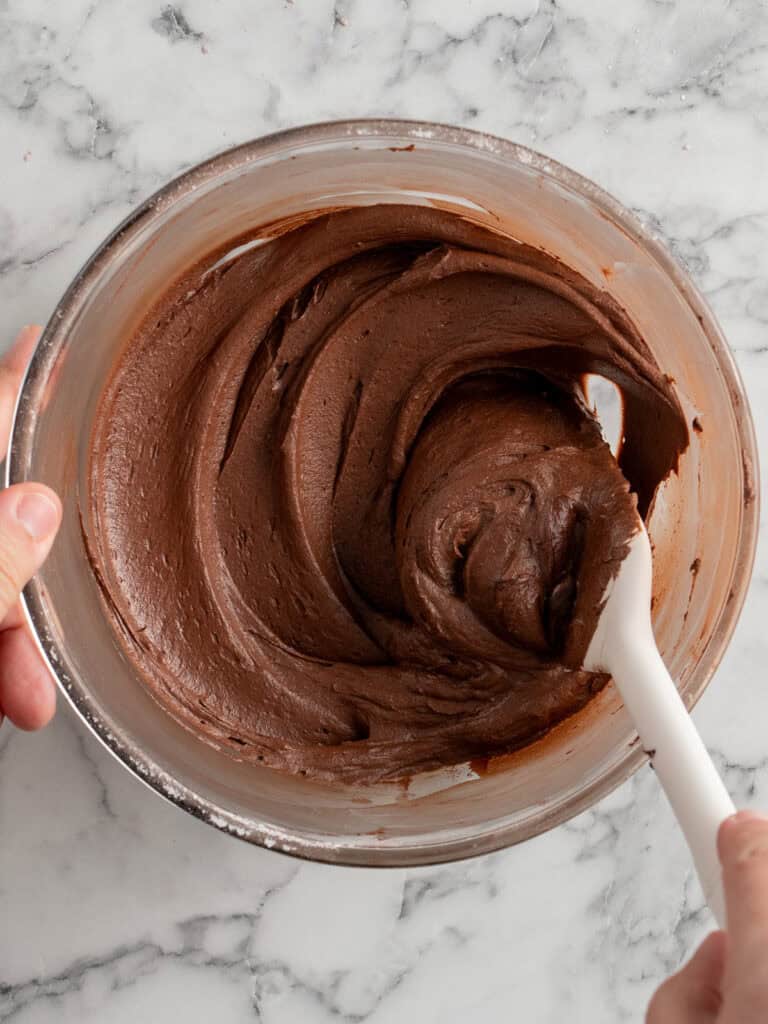
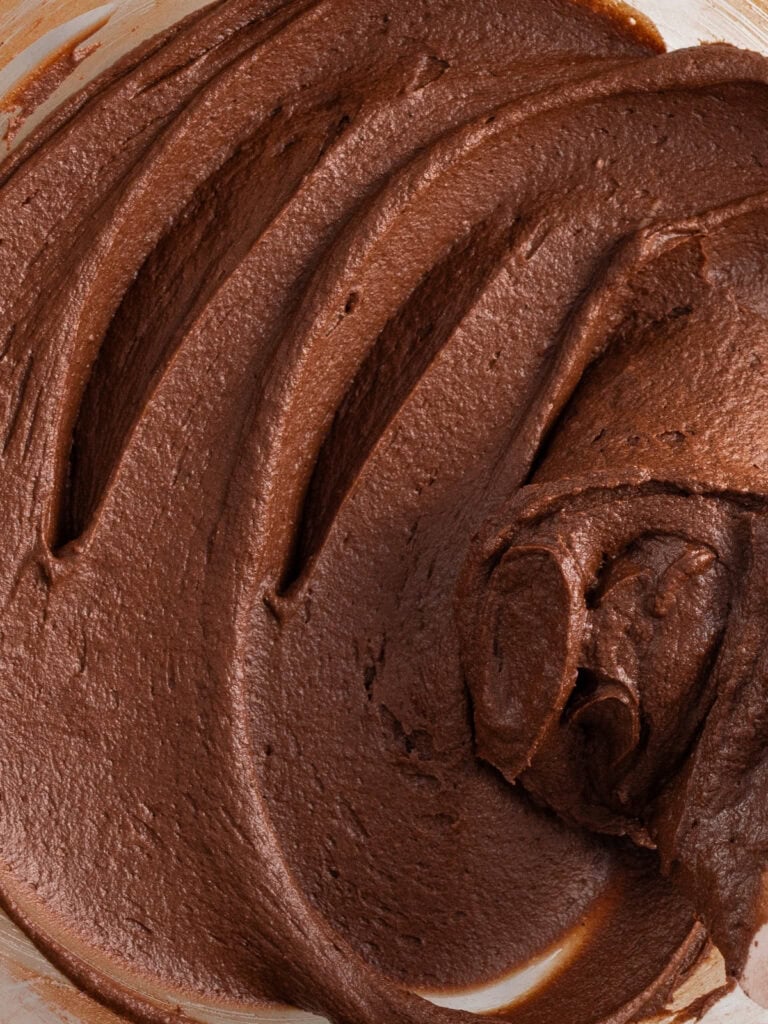
The result is a thick, spreadable, and deeply rich icing that captures the essence of 1990s-style home baking. It is a formula that prioritizes texture and "mouthfeel" over structural rigidity. When applied to a dessert, it does not merely sit on top; it integrates, creating a slight, nostalgic crust that serves as a sensory bridge between the softness of a brownie and the richness of the topping. For the modern baker, this represents a shift away from the sterile perfection of commercial-grade frostings toward a more authentic, artisanal experience.
A Chronology of the Craft
To understand the significance of this recipe, one must look at the evolution of baking in the digital age.
- The Pre-Internet Era: Baking was passed down through generations. Recipes were often "measurements by feel." Frostings were rarely overly complicated; they were meant to be slathered onto a cake while it was still slightly warm from the oven.
- The Rise of Professionalism: As the internet democratized baking, home bakers were suddenly exposed to professional techniques—French piping, Italian meringue, and mirror glazes. While these elevated the standard of home baking, they also introduced a barrier of entry. Many home bakers became intimidated by the prospect of "breaking" an emulsion or failing a sugar syrup stage.
- The Current Correction: We are now in a period of correction. The "five-minute" promise is not merely a marketing hook; it is a response to the exhaustion of modern life. It suggests a return to the kitchen as a place of sanctuary rather than a laboratory for perfection. By stripping away the requirement for specialized equipment or advanced culinary training, this recipe restores the accessibility of baking.
Supporting Data and Technical Nuance
The secret to the success of this frosting—and why it stands apart from generic store-bought versions—is rooted in its chemical composition.
The Role of Cocoa and Salt
The recipe utilizes a generous amount of cocoa powder. While any cocoa powder will suffice, the recommendation for Dutch-processed cocoa is significant. Because Dutch-processed cocoa is treated with an alkali to neutralize its natural acidity, it provides a darker, more mellow, and profoundly chocolate-forward flavor profile.
Furthermore, the inclusion of a "good dose of salt" is a critical culinary choice. Salt acts as a flavor enhancer that bridges the gap between the bitterness of the cocoa and the sweetness of the sugar. It creates a profile that mimics the complexity of salted caramel, preventing the palate from becoming fatigued by sugar.
Texture and Temperature
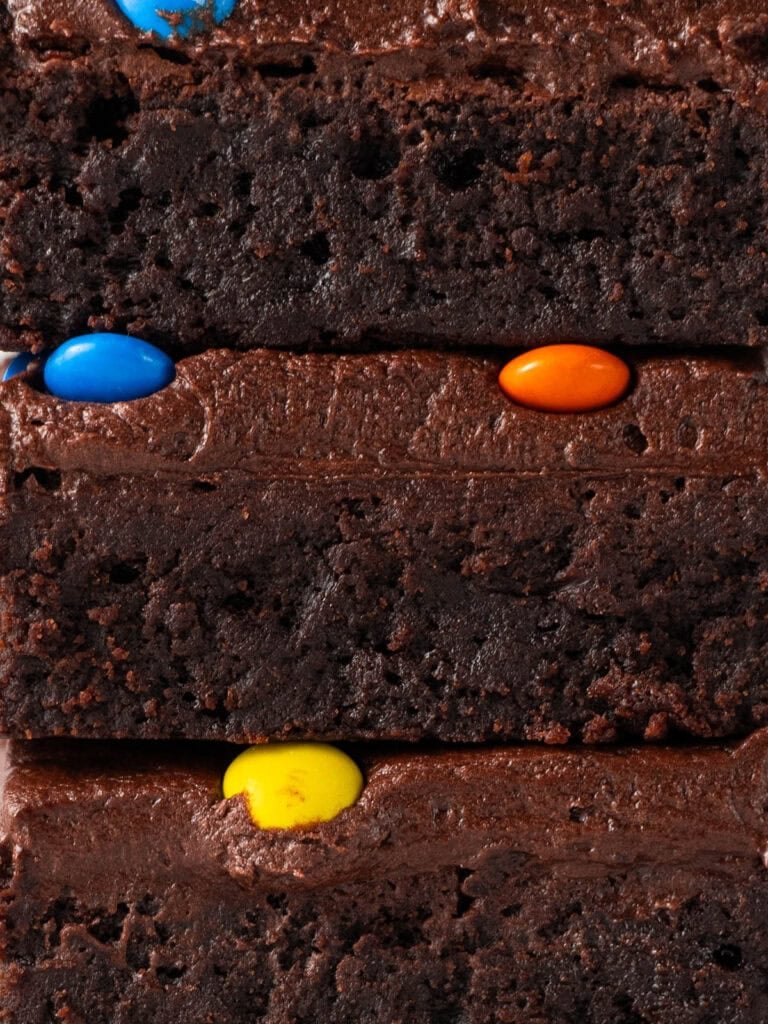
The, perhaps, counter-intuitive advice to "let the cuts be messy" when slicing frosted brownies is a deliberate design choice. By avoiding the common practice of chilling brownies to achieve a "clean" cut, the baker allows the frosting to retain its creamy, slightly imperfect, and organic texture. This is a rejection of the "symmetrical obsession" that has dominated food media for the last decade.
The Implications for Home Baking
The rise of such a simple, effective recipe has broader implications for the culinary industry and the home kitchen environment.
The "Kid-Friendly" Factor
In many households, the kitchen has become a space where children are increasingly involved. This recipe, with its minimal prep time and lack of hazardous elements (like boiling sugar syrups), serves as an ideal entry point for younger generations to develop their culinary skills. It turns the act of baking into a communal activity rather than a solitary task.
The Shift in Aesthetic Values
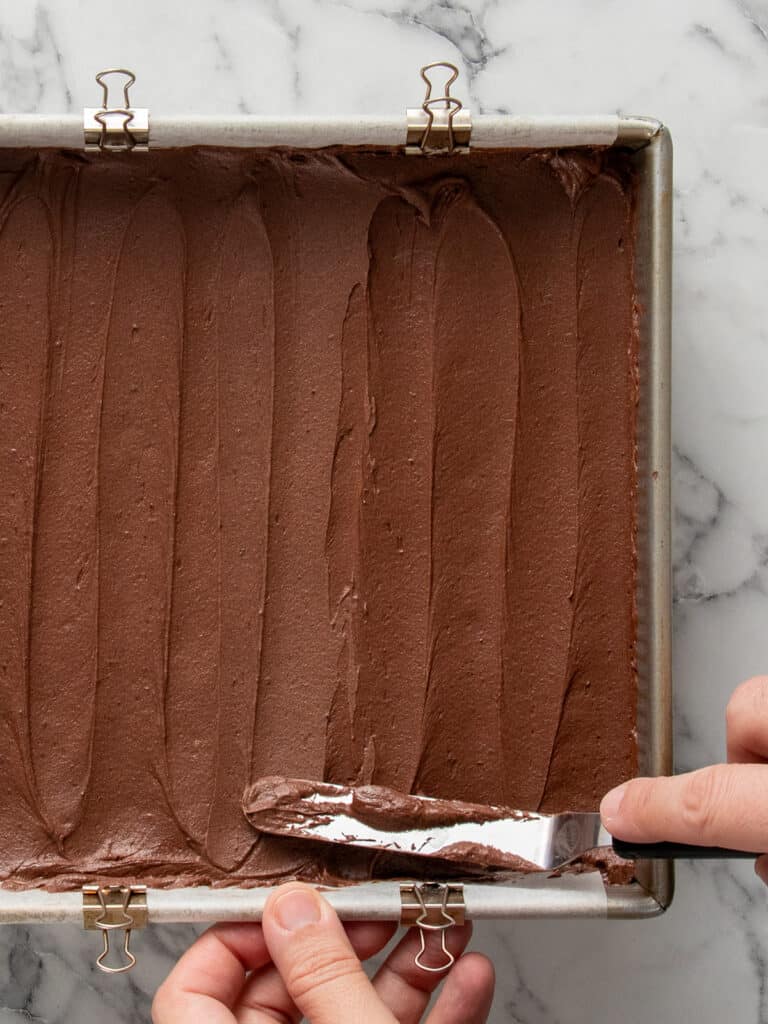
We are witnessing a shift in what is considered "valuable" in food. The "imperfect" aesthetic—a slightly uneven swirl, a thicker smear of chocolate, the lack of a perfectly razor-sharp edge—is now being celebrated as a hallmark of "real" food. This is an important departure from the hyper-manicured food trends that defined the mid-2010s. It suggests that consumers are seeking emotional connection over visual perfection.
Expert Perspectives and Community Feedback
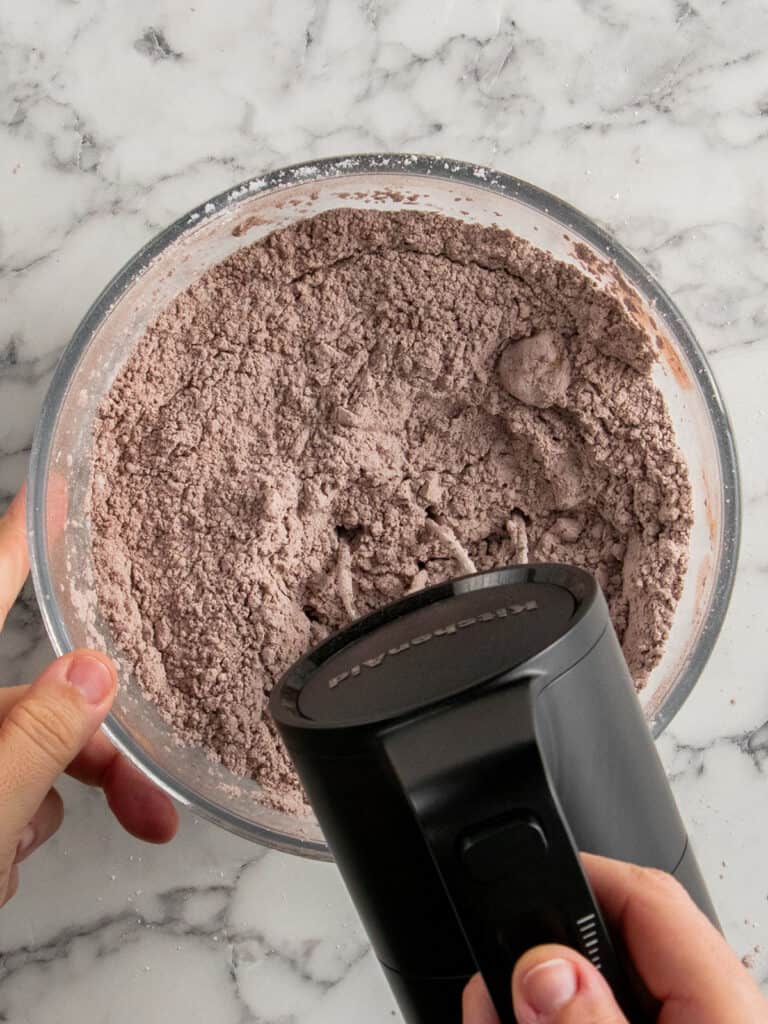
The community response to this return to basics has been overwhelmingly positive. Amateur bakers have noted that while the recipe can be prepared by hand with a spatula, using an electric mixer elevates the texture to a state of fluffiness that is hard to achieve otherwise.

"When we look at the trajectory of baking trends," notes one culinary analyst, "we see cycles. We saw the era of the cupcake, then the era of the macaron, then the era of the artisan sourdough. Now, we are in the era of the ‘comfort staple.’ People want recipes that are reliable, forgiving, and deeply nostalgic. They want the chocolate frosting that their parents made, but with the benefit of better, higher-quality ingredients."
Final Considerations: How to Master the 5-Minute Method
To ensure success with this recipe, the importance of ingredient preparation cannot be overstated.
- Butter Quality: The butter must be properly softened. If it is too cold, the frosting will be lumpy; if it is melted, it will be greasy. The "finger-press" test is the industry standard for determining the perfect state of readiness.
- Storage: Because this frosting contains dairy and relies on a specific structural integrity, it is best consumed within 48 hours. However, the ability to "freshen it up" by re-whipping it ensures that it remains viable for weekend baking marathons.
- Measurement Accuracy: While the recipe emphasizes ease, it also advocates for the use of digital kitchen scales. This is a hallmark of modern, informed baking—the recognition that while the process should be easy, the results should be consistently accurate.
In summary, this 5-minute chocolate frosting is more than just a topping; it is a manifestation of a cultural shift. It reminds us that at the heart of baking is not a degree from a culinary institute, but the simple act of combining ingredients to create something that brings joy. Whether it is being used to elevate a simple vanilla cake or to finish off a batch of decadent cosmic brownies, this recipe proves that the most enduring trends are those that feel like coming home. As we move forward, the focus will likely remain on these accessible, high-reward recipes that prioritize flavor, nostalgia, and the simple, unpretentious beauty of a job well done.

 Ali Ikhwan