
 Sagoh

 Azzam Bilal Chamdy

 Jia Lissa


 Basiran
 Layla Zulfa
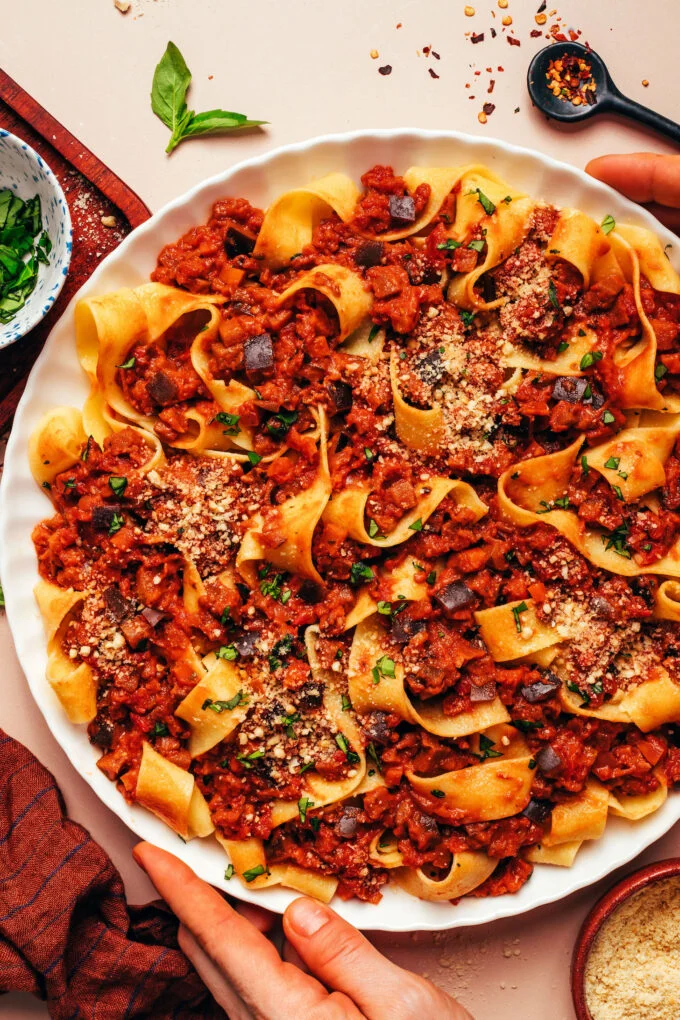
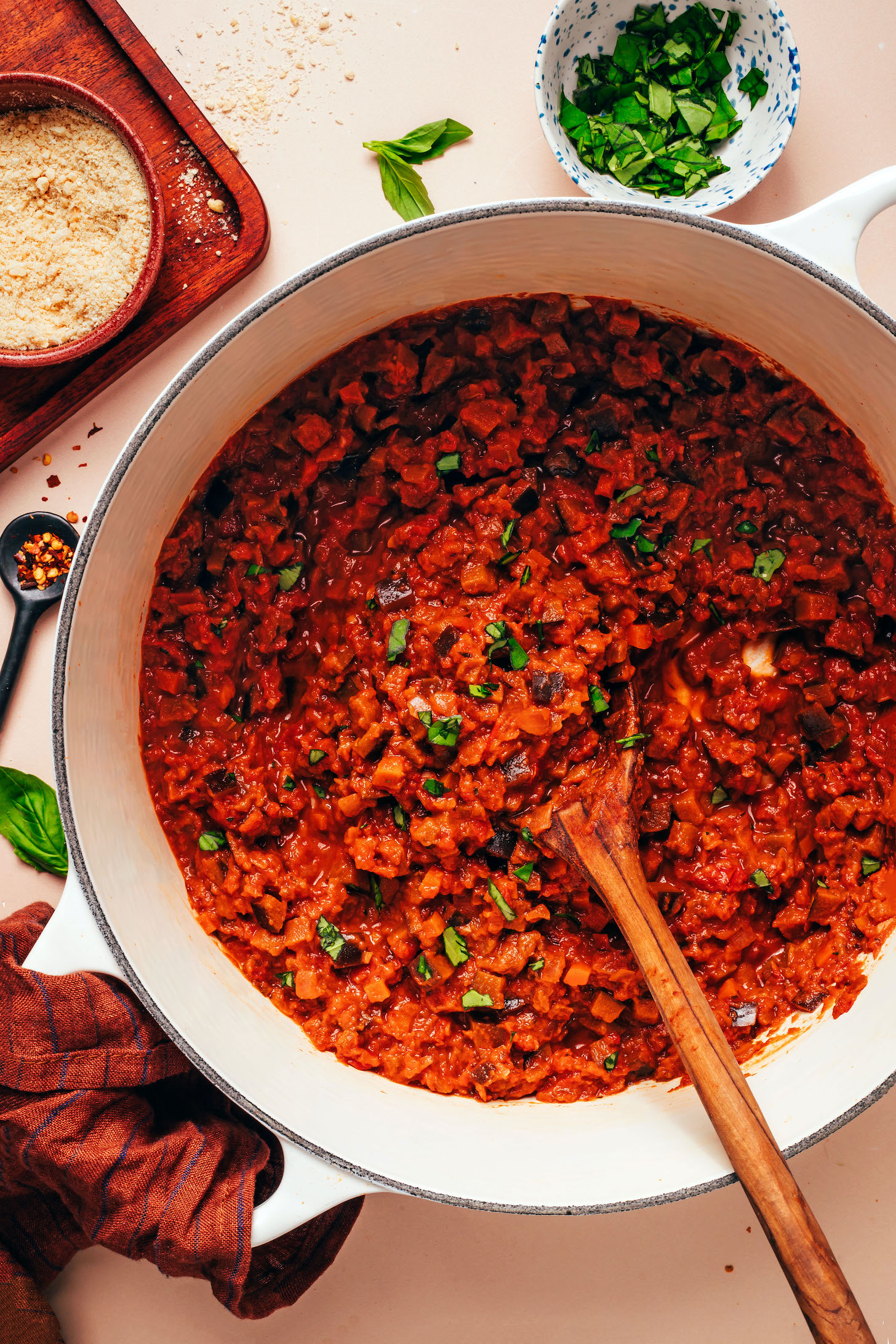
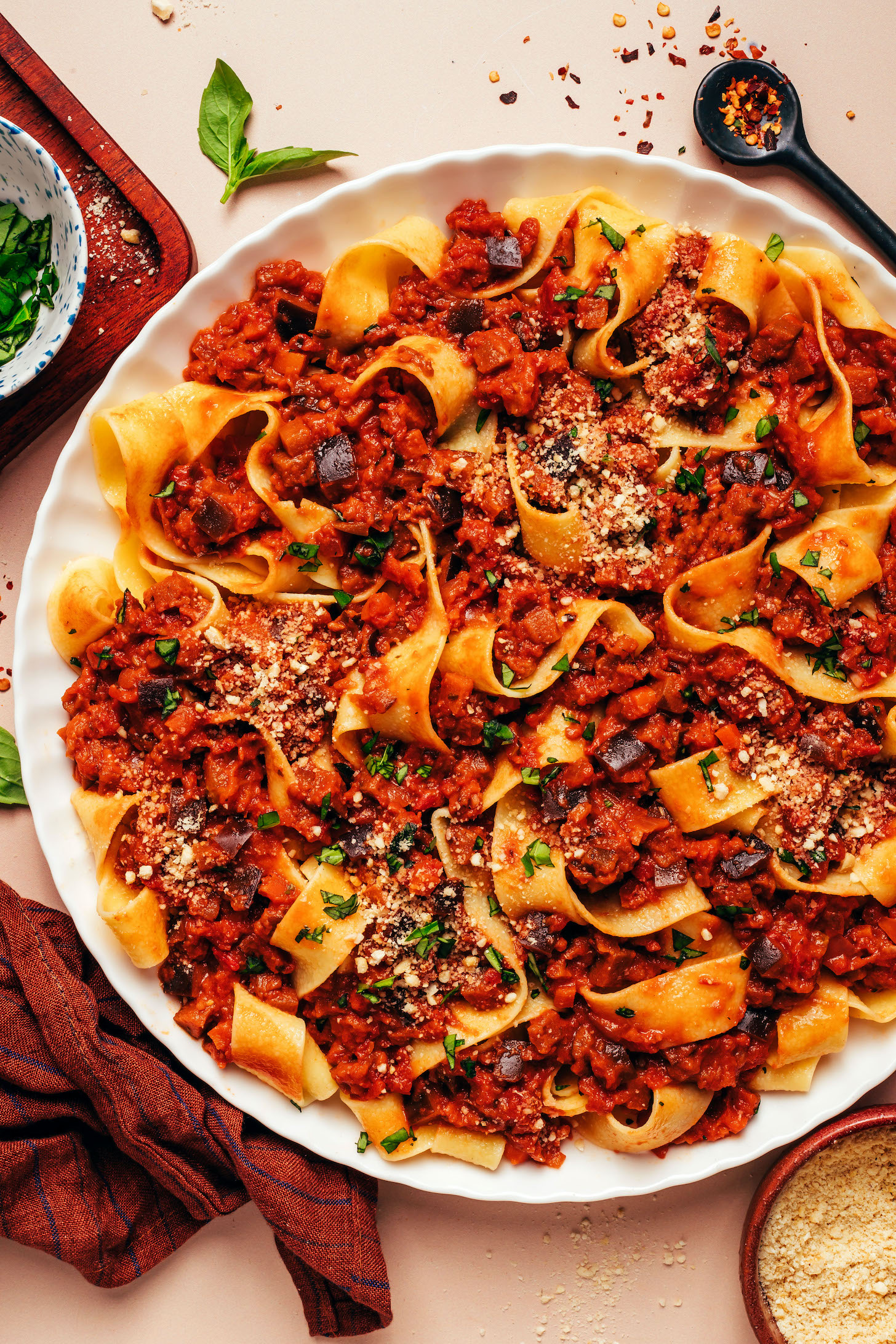
In the ever-evolving landscape of modern gastronomy, few dishes occupy as hallowed a space as the traditional Italian bolognese. Traditionally a slow-simmered, meat-heavy ragù hailing from the culinary heart of Bologna, the dish has long served as a symbol of comfort and patience. However, as dietary preferences shift toward sustainability and plant-forward nutrition, a new iteration is taking center stage: the Eggplant Bolognese. This one-pot marvel is proving that complexity of flavor does not require a laundry list of pots and pans or an animal-based protein source.
Main Facts: The Anatomy of a Modern Classic
At its core, the Eggplant Bolognese is a masterclass in texture and umami manipulation. By utilizing the spongy, absorbent nature of eggplant, home cooks can replicate the substantial, "meaty" mouthfeel usually reserved for traditional beef or pork ragùs.
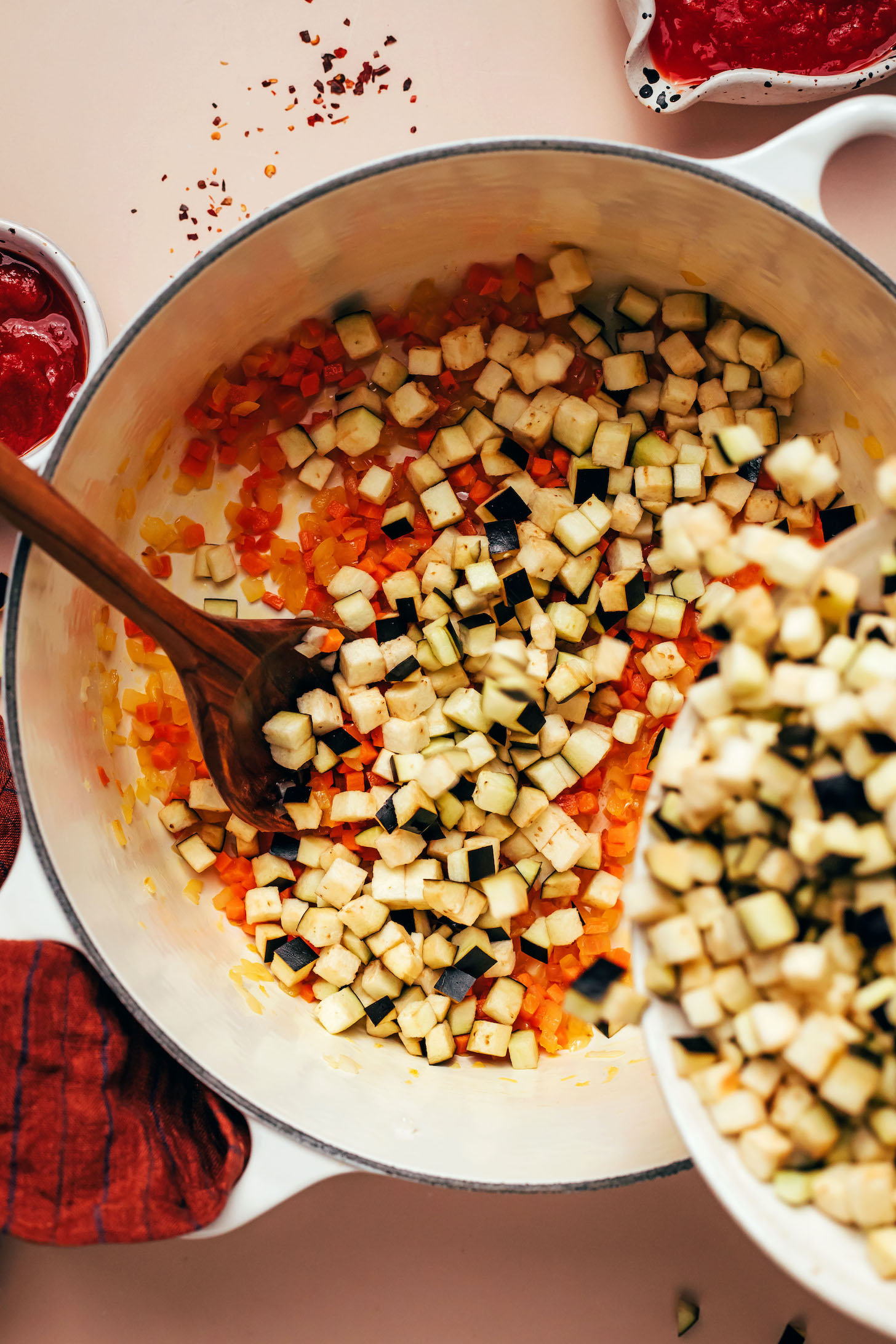
The dish functions on a foundation of soffrito—the classic Italian base of onions, carrots, and celery. From there, the process diverges into the realm of modern efficiency. The eggplant is diced into small, uniform cubes, allowing it to caramelize and break down into a rich, velvety consistency when sautéed.
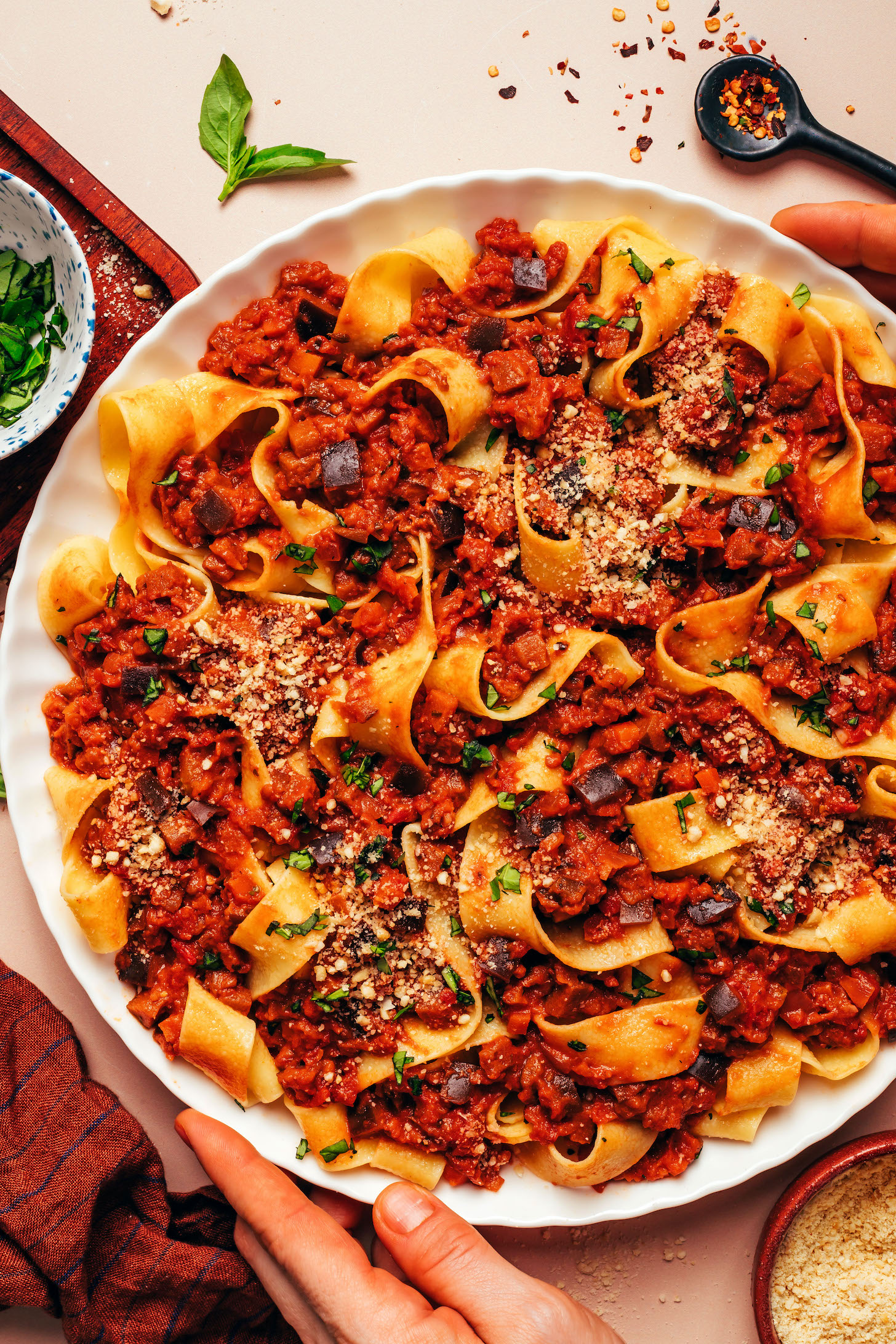
Key nutritional and culinary highlights include:
- Efficiency: The "one-pot" methodology minimizes cleanup, making it an accessible weeknight staple.
- Plant-Based Sophistication: By replacing meat with eggplant, the dish offers a fiber-rich alternative that boasts significant amounts of potassium and vitamins, all while keeping cholesterol levels at zero.
- Flavor Profiles: The inclusion of red wine, high-quality tomato paste, and a splash of creamy nut-based milk (such as cashew) provides the depth and acidity required to balance the sweetness of the vegetables.
Chronology: From Tradition to Transformation
The evolution of the Bolognese sauce is a history of adaptation. Originally documented in the late 18th century, the recipe has migrated through cultures, gaining new ingredients with each crossing.
The Traditional Era
Historically, the ragù alla bolognese was characterized by a slow reduction of various meats, including pancetta, beef, and veal. It was a dish of the wealthy, requiring hours of active stove time and expensive cuts of protein.

The Mid-Century Shift
As Italian cuisine spread globally in the mid-20th century, the recipe became more accessible. Canned tomatoes became a staple, and the "meat sauce" became a household term, often stripped of its regional complexity in favor of quick-prep tomato-heavy sauces.
The Contemporary Plant-Forward Movement
The current shift toward the "Eggplant Bolognese" represents a third wave of the dish. It is no longer about removing ingredients, but about selecting substitutes that offer comparable structural integrity. The rise of this specific version—which utilizes techniques like deglazing with wine and long-simmering—marks a return to the "slow-food" philosophy, even within a simplified one-pot format.
Supporting Data: Why Eggplant?
The choice of eggplant as the primary vegetable vehicle is not accidental. From a culinary science perspective, eggplant contains high levels of phenolic compounds, which, when browned, produce a savory, complex flavor profile that mimics the Maillard reaction often sought in seared meats.
Data from the recipe’s nutritional breakdown reveals:
- Total Time Investment: At approximately 45 minutes, this dish offers a high return on investment. The 30-minute simmer time is the critical window where the magic happens; as liquid evaporates, the flavors of the basil, oregano, and tomato concentrate.
- Caloric Efficiency: With approximately 284 calories per serving, it offers a lighter alternative to traditional pasta sauces while remaining satiating, thanks to 8.3 grams of fiber and 6.6 grams of protein.
- Storage and Longevity: The sauce is remarkably freezer-friendly, lasting up to one month, and remains stable in the refrigerator for three to four days, often improving in flavor as the ingredients continue to meld.
The Professional Kitchen Perspective: Culinary Techniques
To achieve a restaurant-quality finish in a single pot, chefs and home cooks alike must adhere to specific procedural nuances.
The Deglazing Technique
The most important step in building the "Bolognese" profile is the deglazing of the pan. After the eggplant and soffrito have been browned, the addition of dry red wine creates a chemical reaction that lifts the browned bits (the fond) from the bottom of the pot. This is the secret to a deep, resonant sauce color and flavor.
The Role of Dairy Alternatives
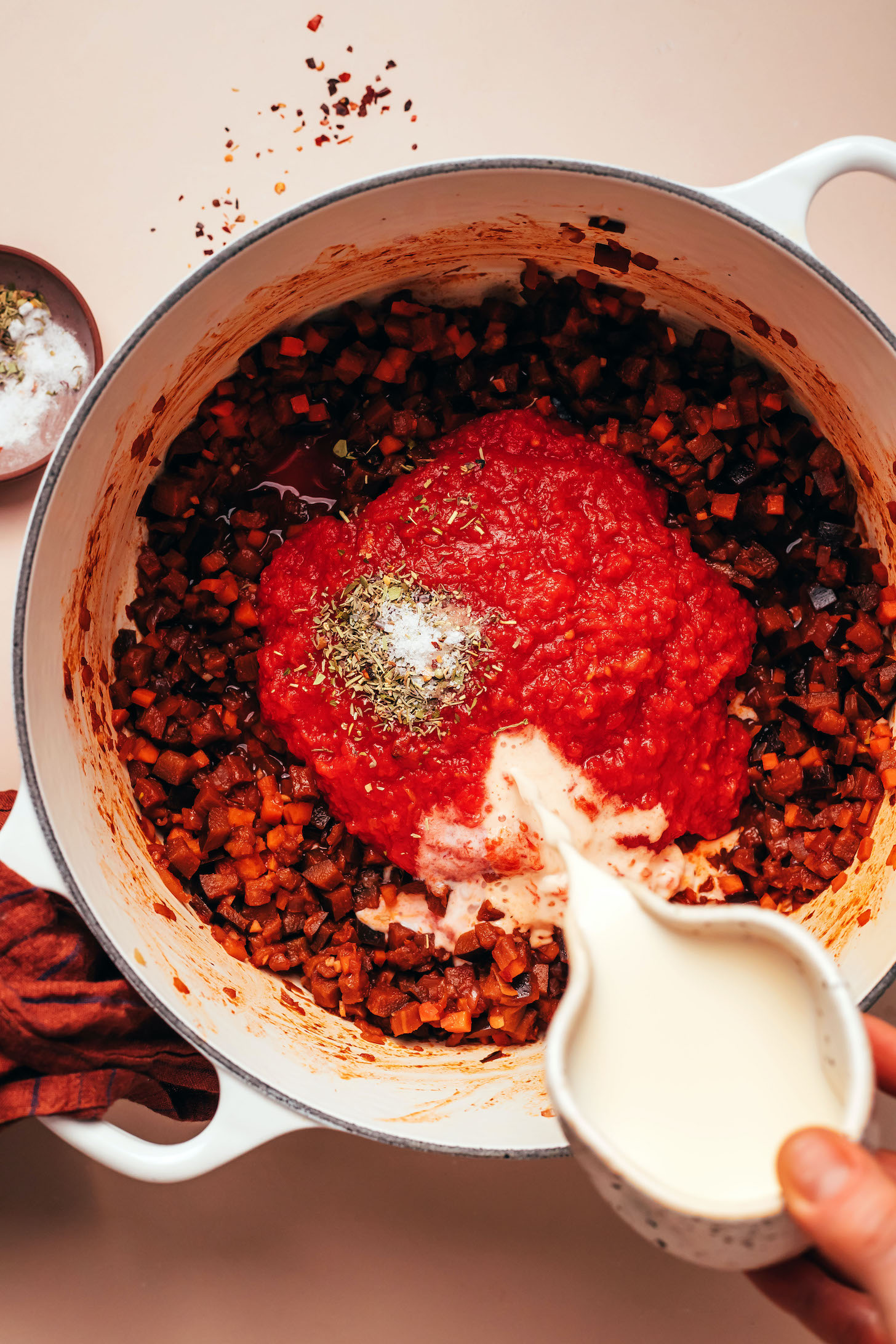
While traditional recipes call for milk to tenderize the meat and add creaminess, the modern vegan version utilizes cashew milk. This addition is crucial. The fat content in the cashew milk mimics the mouthfeel of dairy cream, rounding out the sharp, acidic edges of the crushed tomatoes without the need for animal products.
Balancing Acidity
A common mistake in home-cooked tomato sauces is an imbalance of acidity. The inclusion of maple syrup—a seemingly counterintuitive ingredient—serves as a balancing agent, cutting through the natural bitterness of the eggplant and the intensity of the tomato paste.
Implications: A New Era for Pasta Night
The adoption of the Eggplant Bolognese has broader implications for the culinary world, specifically regarding sustainability and food accessibility.
Sustainability and Carbon Footprint
Meat production remains one of the largest contributors to agricultural greenhouse gas emissions. By choosing plant-based proteins like eggplant, consumers can significantly reduce their individual carbon footprint. The "one-pot" aspect also speaks to energy efficiency, requiring only one heating element and reduced water usage for cleanup.
The "Veggie Skeptic" Challenge
One of the most profound implications of this recipe is its ability to bridge the gap between plant-based enthusiasts and meat-eaters. By focusing on the method of the sauce—the long simmer, the richness of the wine and herbs, and the texture of the vegetables—the dish avoids the "substitute" stigma. It stands on its own as a hearty, satisfying entree that does not feel like a compromise.
Future Outlook
As we look toward the future of home cooking, the emphasis is clearly shifting toward "conscious convenience." Dishes that are fast enough for a Tuesday night but sophisticated enough to serve to guests are becoming the gold standard. The Eggplant Bolognese serves as a blueprint for this transition.
Conclusion: A Dish for All Seasons
The Eggplant Bolognese is more than just a recipe; it is a testament to the versatility of humble ingredients. By stripping away the complexities of traditional meat-based preparation, we are left with a dish that honors the spirit of Italian cooking—patience, quality ingredients, and the joy of a shared meal.
Whether you are a seasoned vegan, a curious omnivore, or simply someone looking to streamline their kitchen routine, this one-pot wonder invites you to reconsider what a pasta night can be. With its rich, savory, and satisfying profile, it is an essential addition to any repertoire. So, sharpen your knife, grab a sturdy pot, and prepare to elevate your next dinner with a dish that is as bright and bold as it is simple to create.
As the culinary world continues to lean into the plant-based revolution, the Eggplant Bolognese stands as a frontrunner, proving that when we focus on the art of the simmer and the depth of our seasonings, we don’t need anything else to make a meal feel truly complete.


 Ali Ikhwan