

 Nana Wu

 Dwi Wanna

 Suro Senen

 Evan Lee Salim

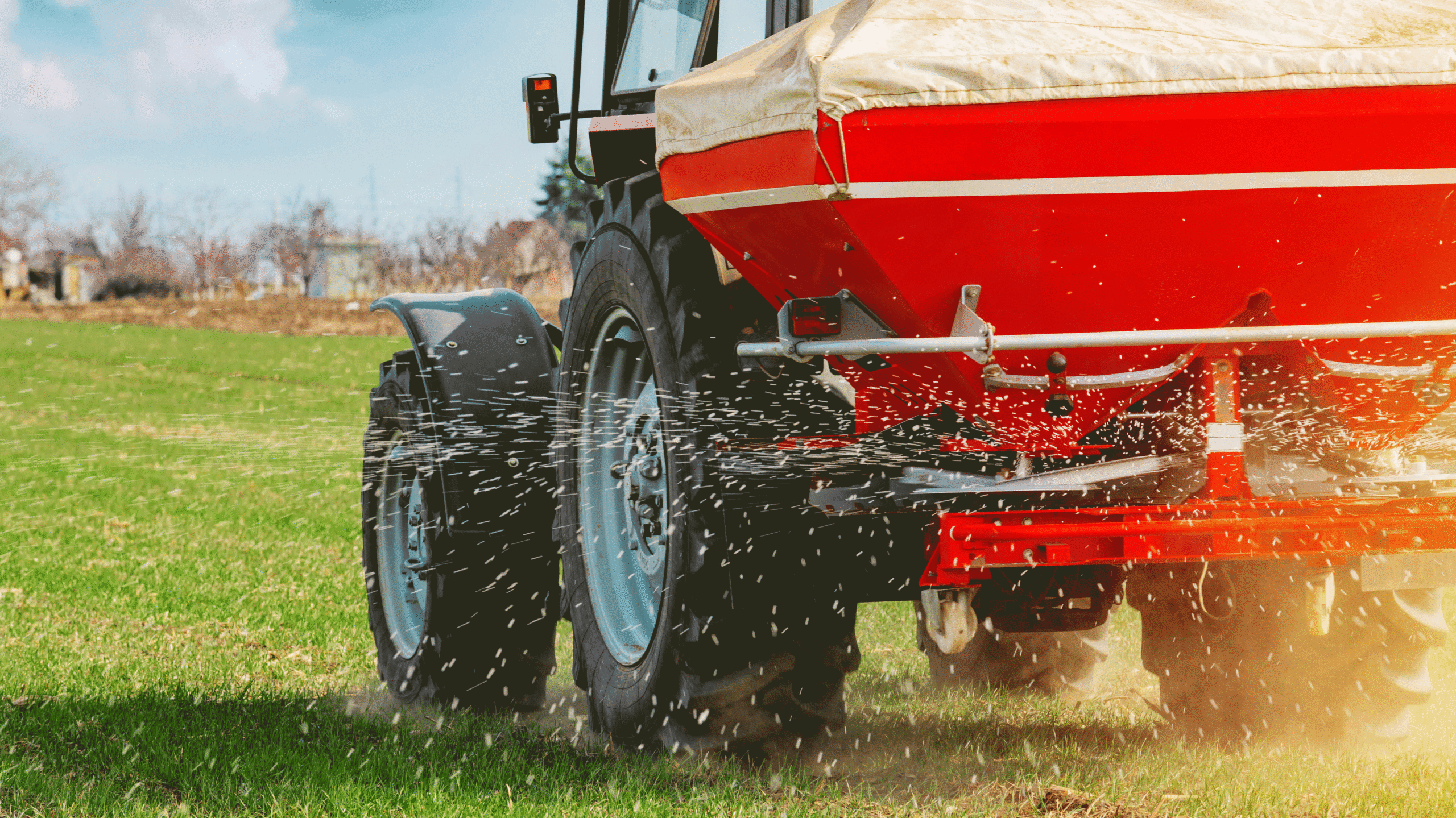
In the rolling fields of Iowa, where the horizon is dominated by endless rows of corn and the hum of heavy machinery, a quiet, pervasive dread has taken root. It is not found in the commodity markets or the daily weather reports, but in the waiting rooms of oncology clinics and the hushed conversations at kitchen tables. Iowa, a state defined by its agricultural might, is now grappling with a sobering reality: it has the second-highest rate of cancer in the United States.
As the state approaches the November 2026 midterm elections, this health crisis has eclipsed the economy and inflation to become the primary concern for voters. From the campaign trail to the rural backroads, the question of why Iowans are falling ill—and whether the state’s industrial farming complex is to blame—has forced a long-overdue confrontation between political survival and public health.
The Anatomy of a Health Crisis: The Main Facts
According to data from the National Institute on Minority Health and Health Disparities, Iowa is one of only three states—alongside Utah and West Virginia—where cancer incidence rates are currently rising. In 2022, the state recorded approximately 506 cancer cases per 100,000 people, significantly outpacing the national average of 442.
The surge, which began in 2012, is not limited to a single form of the disease. However, researchers have noted elevated clusters of non-Hodgkin lymphoma and acute myeloid leukemia. For many Iowans, these statistics are not just numbers; they are personal.
"The road I live on, I think there’s only one family that has not dealt with some kind of cancer," says Seth Watkins, a longtime farmer in southwest Iowa. His sentiment is echoed across the state, where "cancer culture" has become an unavoidable feature of daily life. While state officials have pointed to naturally occurring radon and lifestyle factors like smoking and alcohol consumption, a growing segment of the public, backed by environmental advocates, is looking toward the state’s primary economic engine: Big Agriculture.
A Chronology of Concern: From Taboo to Campaign Trail
For over a decade, the conversation regarding the link between Iowa’s agricultural practices and its cancer rates was considered a "taboo" subject, according to Sarah Green, executive director of the Iowa Environmental Council.
2012: The Turning Point
Before 2012, Iowa’s cancer rates largely mirrored national trends. The subsequent upward trajectory remains a subject of intense scientific inquiry and public speculation.
2023–2025: The Mounting Pressure
The issue began to permeate public discourse as water quality in the state reached a breaking point. In 2025, the water utility serving Des Moines, the state capital, was forced to implement its first-ever lawn-watering ban due to record-breaking levels of nitrates—a byproduct of fertilizer runoff—in the city’s water supply. This crisis provided a tangible, daily reminder of the environmental toll of industrial farming.
2026: The Election Catalyst
By early 2026, the Iowa Environmental Council, in collaboration with the Iowa Farmers Union and Drake University’s Harkin Institute, conducted a series of listening sessions. These meetings revealed a populace that felt abandoned by their elected officials. By the summer of 2026, the issue had reached a fever pitch, making it the central pillar of political platforms for both Republicans and Democrats.
Supporting Data: The Cost of Productivity
Iowa’s status as a global leader in corn and pork production comes at a steep price. The state utilizes more fertilizer than any other in the nation, and it serves as the hub for Concentrated Animal Feeding Operations (CAFOs).
The Nitrate and Herbicide Connection
The environmental footprint of these operations is significant. High levels of nitrates in groundwater are a documented health risk, and the widespread use of glyphosate—marketed as Roundup—has become a flashpoint. While some studies have linked long-term exposure to glyphosate to specific cancers, the legal battles surrounding its safety have only intensified. In June 2026, a Supreme Court ruling made it more difficult for plaintiffs to sue chemical manufacturers over cancer claims, a decision that became an immediate point of contention in the Iowa gubernatorial race.
The "Mining" of the Land
Farmers like Seth Watkins argue that the current model is unsustainable. Having farmed 4,000 acres for decades, Watkins has begun to pivot toward smaller, diversified operations. "We have a farm policy that has resulted in less soil, less biodiversity, more cancer, fewer farmers, and fewer opportunities," Watkins says. "I feel like we’re mining instead of practicing agriculture."
Official Responses and Political Maneuvering
The political response to this crisis has been as polarized as the state itself.
The Gubernatorial Race
In the race to succeed Governor Kim Reynolds, the political divide is stark. Zach Lahn, the Republican nominee, won an upset victory in the primary with the backing of the "Make America Healthy Again" (MAHA) movement. Lahn has taken a populist stance, accusing both Big Ag and Big Pharma of prioritizing profits over the health of Iowans. "Too many politicians… have had their heads stuck in the sand while Big Ag and Big Pharma printed money," Lahn declared.
Conversely, his Democratic opponent, Rob Sand, has proposed a comprehensive management plan that includes better regulation of manure, systematic radon testing, and incentives for conservation-based farming. Both candidates, however, have publicly opposed the recent Supreme Court ruling that shields chemical companies from litigation, reflecting the intense pressure from their constituents.
The Agriculture Secretary Conflict
The race for state agriculture secretary has brought the conflict into even sharper relief. Chris Jones, a former University of Iowa researcher, has proposed a radical transformation of the state’s agricultural sector, including zoning reforms for CAFOs and a strategic shift away from corn production for ethanol. Jones’ candidacy is particularly charged, following allegations that he was silenced by state lawmakers who threatened university funding when he began publishing data on water quality.
Meanwhile, the incumbent, Mike Naig—a former lobbyist for Monsanto—has remained largely silent on the specific criticisms regarding chemical runoff, underscoring the deep entrenchment of industry interests in state governance.
The Path Forward: Implications and Future Outlook
The rise of groups like "The Lobe Rangers"—a collective of farmers in north-central Iowa who are voluntarily adopting sustainable, low-chemical farming practices—signals that change may come from the bottom up even if the political class remains gridlocked.
However, the implications of this election go far beyond state borders. Iowa is a battleground state in the fight for control of Congress, and the rhetoric surrounding this election could set a precedent for how the US addresses the intersection of industrial food production and public health.
As the state moves toward the November 3 election, the consensus among experts and citizens alike is that there is no "silver bullet." Addressing the cancer crisis will require a fundamental shift in how Iowa views its relationship with the land.
"It’s definitely not going to be solved by what’s going to happen in the election in 2026," says Zack Smith, one of the Lobe Rangers. "We’ll maybe start making some steps in the right direction, but this is going to be something that takes a lot of change at a lot of different levels."
For the residents of Iowa, the stakes could not be higher. They are no longer willing to accept the status quo, and as the campaign season enters its final stretch, the message to those in Des Moines and Washington, DC, is clear: the era of silence is over. Whether the political system is capable of delivering the systemic change demanded by the voters remains the most significant, and most uncertain, question of the cycle.

 Asep Darmawan

 Layla Zulfa

