Nana Wu

 Dwi Wanna

 Suro Senen

 Evan Lee Salim

 Basiran
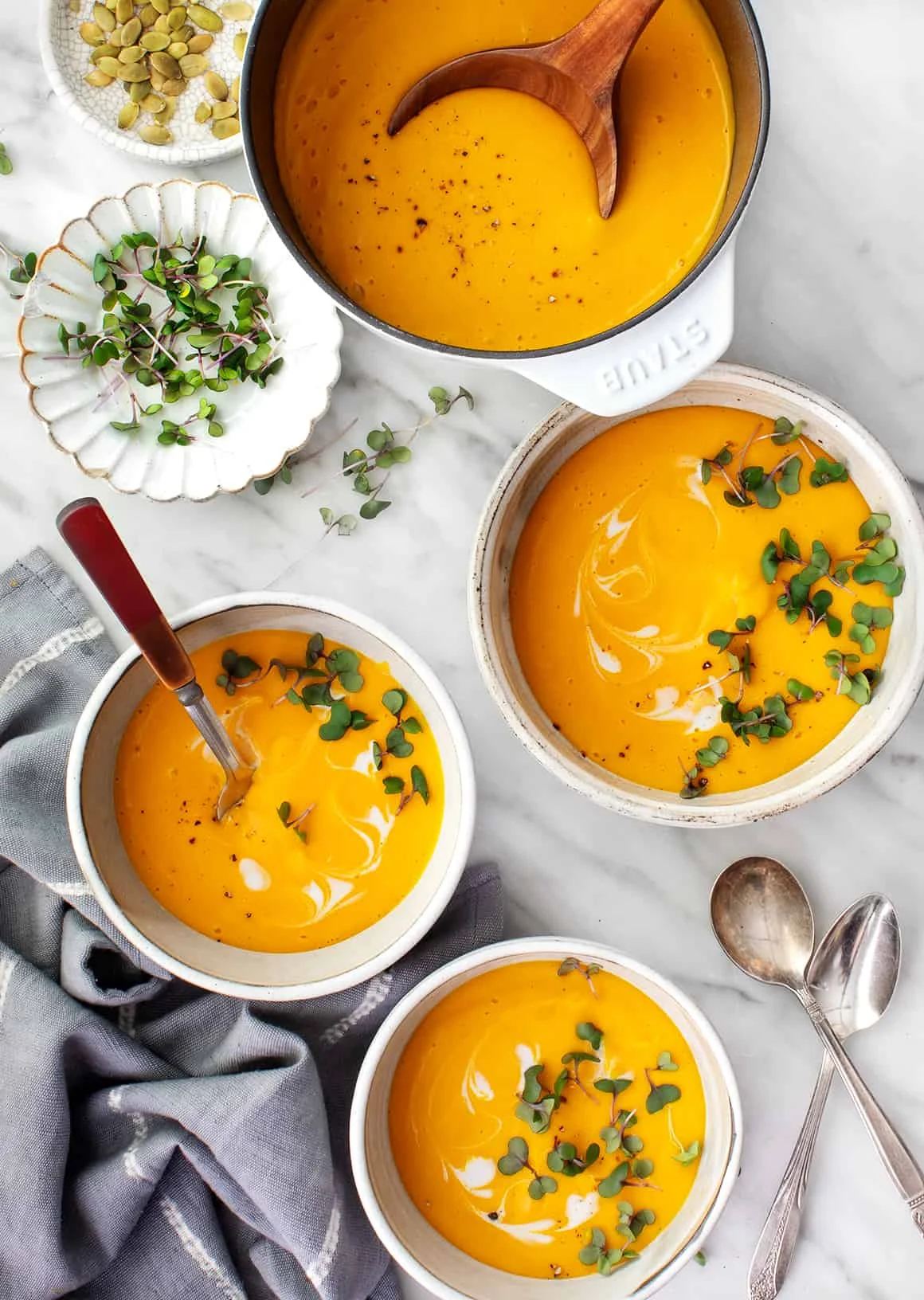
As the crisp air of autumn settles in and the leaves begin their transformation into shades of gold and crimson, the culinary world shifts toward warmer, more grounding flavors. Among the pantheon of seasonal classics, few dishes possess the universal appeal of a perfectly executed pumpkin soup. Whether served as a sophisticated appetizer or a hearty weeknight dinner, the right pumpkin soup bridges the gap between simple home cooking and elevated seasonal fare.
Recent trends in home gastronomy suggest that the modern cook is seeking a balance between artisanal technique—such as roasting squash from scratch—and the undeniable convenience of pantry-friendly staples. This comprehensive guide explores the art of crafting a velvety, aromatic, and deeply flavorful curried pumpkin soup that satisfies both the craving for tradition and the need for efficiency.

Main Facts: The Anatomy of a Perfect Bowl
At its core, this soup is a masterclass in texture and spice. The profile relies on three pillars: the natural sweetness of roasted winter squash, the luxurious creaminess of coconut milk, and the aromatic depth of warming curry spices. Unlike thin, watery soups, this recipe prioritizes a thick, velvety consistency that coats the palate.
The beauty of this dish lies in its versatility. It is inherently vegan and gluten-free, making it an inclusive centerpiece for autumnal gatherings. The addition of curry spices—ginger, garlic, and savory aromatics—lifts the earthy, sometimes monotonous flavor of pumpkin into something vibrant and complex. By utilizing coconut milk instead of heavy dairy, the soup achieves a silky mouthfeel while maintaining a light, clean finish that prevents the diner from feeling overly weighed down.

Chronology: The Evolution of the Recipe
The preparation of this dish can be broken down into three distinct phases, each contributing to the final flavor profile.
Phase 1: The Foundation (Roasting)
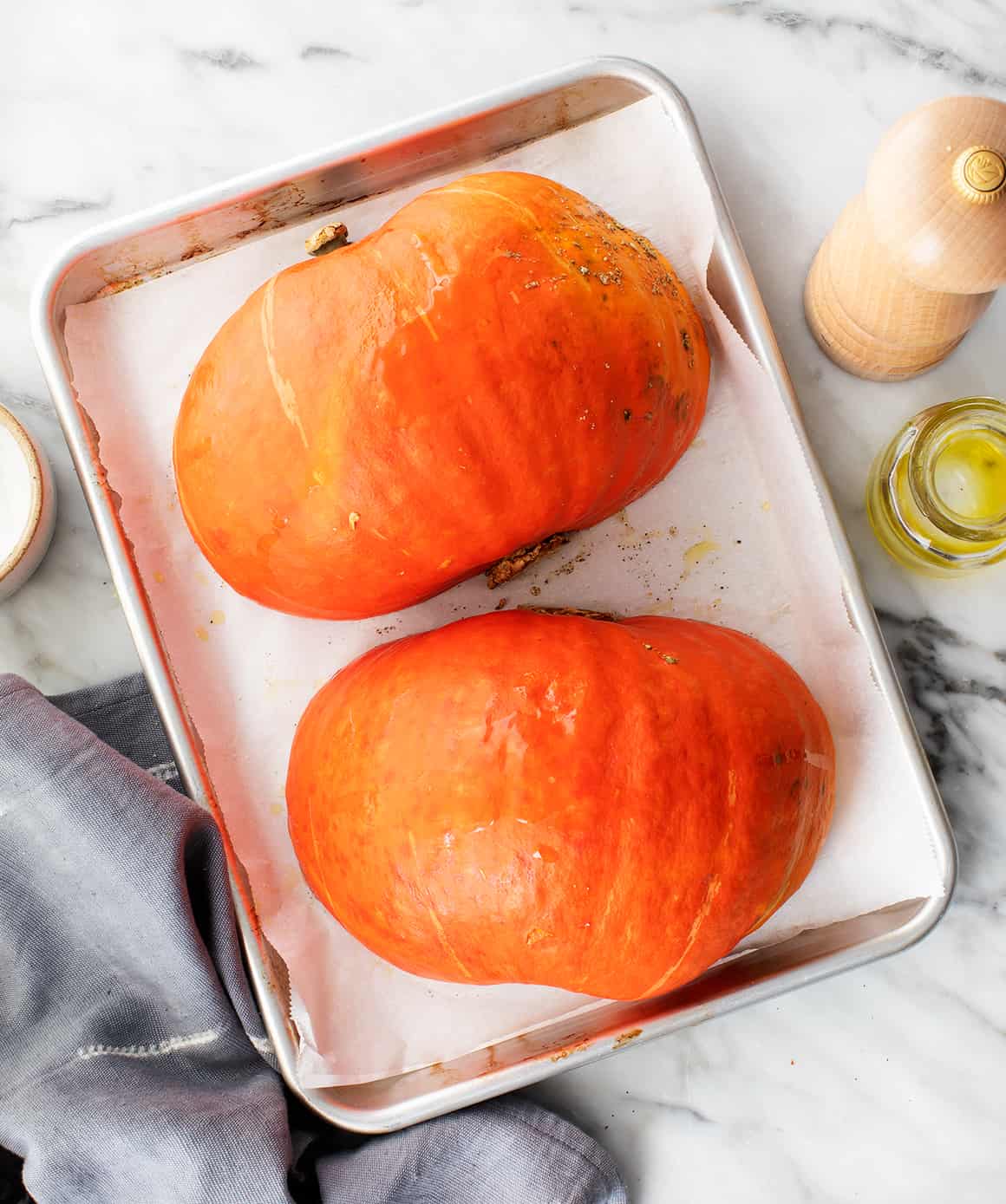
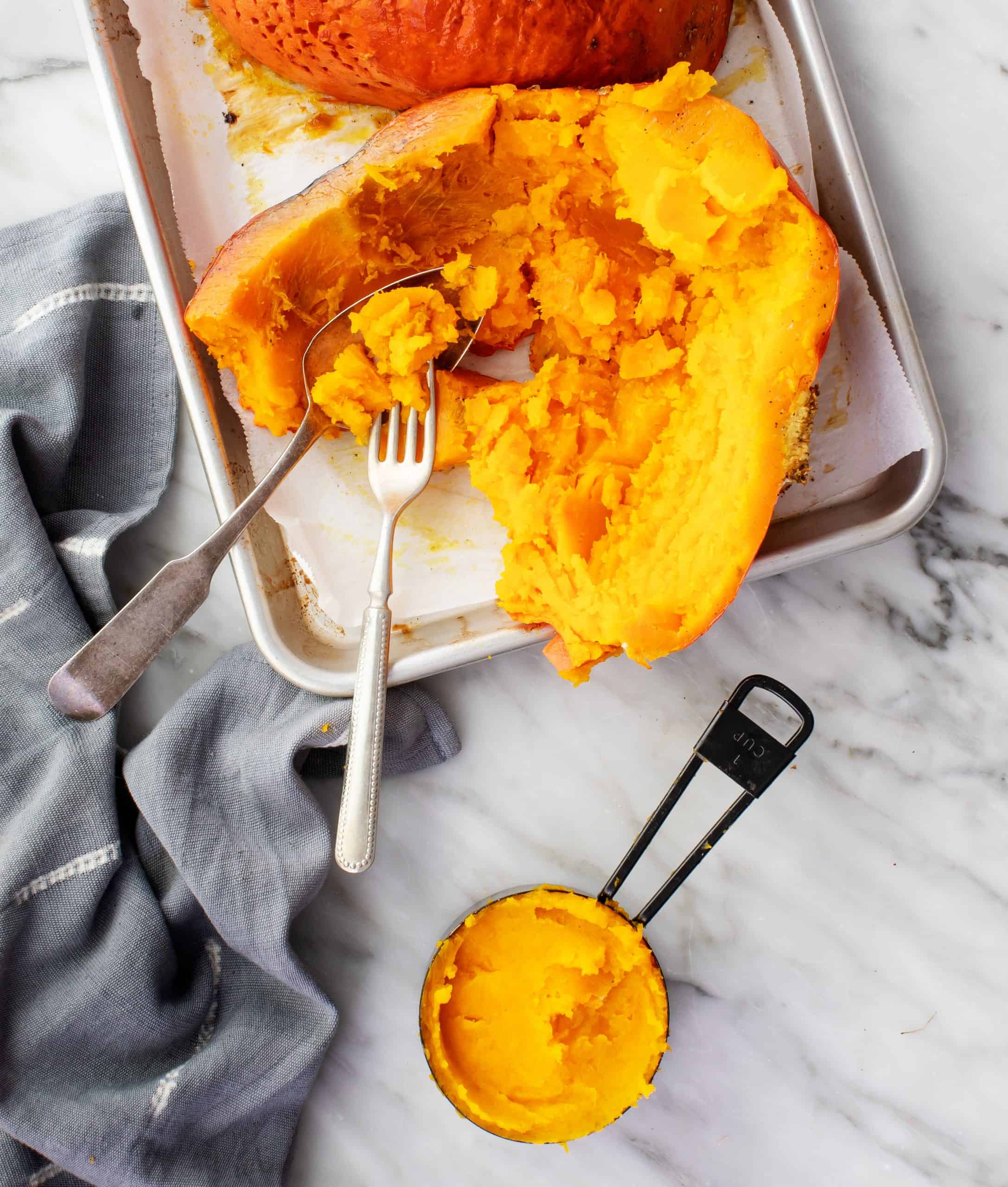
For those with time to spare, the journey begins in the oven. Selecting the right squash is paramount. Varieties such as kabocha, red kuri, buttercup, and butternut are preferred for their dense, sweet, and firm flesh. The process involves halving the squash, removing the seeds, and roasting it face-down until the skin peels away with ease. This process caramelizes the natural sugars within the vegetable, providing a depth of flavor that store-bought purees occasionally lack.

Phase 2: The Sauté and Simmer
Once the base is prepared (or the canned puree is opened), the aromatics take center stage. A large Dutch oven is the vessel of choice, providing even heat distribution. Sautéing onions until translucent creates a sweet, savory foundation. The introduction of curry spices, fresh garlic, and ginger—ideally added in the final thirty seconds of the sauté—is a critical moment where the essential oils in the spices are "woken up," ensuring they permeate the entire batch. Once the pumpkin and broth are added, a twenty-minute simmer allows these flavors to meld.
Phase 3: The Refinement
The final step is the emulsification. Whether using a high-powered blender or a rustic immersion blender, the goal is to eliminate all fibers, creating a uniform, silky liquid. A final stir of vinegar is the "chef’s secret," adding a necessary acidic brightness that cuts through the richness of the coconut milk and balances the sweetness of the pumpkin.

Supporting Data: Nutrition and Efficiency
In an era where convenience is king, the ability to pivot between "slow" and "fast" cooking is highly valued.
- Time Efficiency: Roasting fresh squash requires approximately 40 to 60 minutes of oven time, with an additional 20 minutes for simmering. Conversely, utilizing high-quality canned pumpkin reduces the preparation time by nearly 50%, making this a viable option for a busy Tuesday night.
- Nutritional Profile: This soup is a powerhouse of essential vitamins. A single serving provides a staggering 445% of the daily recommended value of Vitamin A, largely thanks to the beta-carotene found in the squash. With 6 grams of fiber and 3 grams of protein, it serves as a nutrient-dense meal rather than just a starter.
- Storage and Longevity: The soup exhibits excellent shelf-life. In an airtight container, it remains fresh in the refrigerator for up to four days. Furthermore, the molecular structure of the soup allows it to freeze exceptionally well for up to three months, provided it is thawed slowly in the refrigerator before reheating.
Official Perspectives: The Culinary Philosophy
Culinary experts emphasize that the distinction between a "good" soup and a "great" soup often comes down to the quality of the finishing touches.
"The garnishes are not merely decorative; they are functional components of the dish," says one leading food writer. "A drizzle of coconut milk adds a final touch of richness, while toasted pumpkin seeds provide a necessary crunch to contrast the smooth texture of the soup. Furthermore, the inclusion of fresh microgreens or cilantro adds a vegetal brightness that prevents the palate from becoming fatigued by the heavy, warm spices."
The recommendation to serve this alongside crusty bread, such as a sourdough or focaccia, is also rooted in the philosophy of balancing textures. The bread acts as a vehicle for the soup, turning a bowl of liquid gold into a satisfying, full-bodied meal.

Implications for the Modern Kitchen
The shift toward recipes like this curried pumpkin soup reflects a broader trend in home cooking: the desire for "sophisticated comfort." Consumers are moving away from processed, pre-packaged soups in favor of scratch-made options that allow for ingredient control.
Customization and Dietary Flexibility
The recipe is inherently modular. For those who prefer a different flavor profile, the curry can be swapped for sage and thyme, or nutmeg and cinnamon for a more traditional American approach. For those seeking extra protein, the soup serves as an excellent base for adding chickpeas or shredded chicken.
The Sustainability Factor
By choosing seasonal squashes—often locally grown during the harvest months—home cooks reduce their carbon footprint. The ability to use the entire squash, including the seeds (which can be roasted for garnish), aligns with the growing "zero-waste" movement in kitchens worldwide.
Economic Considerations
Given the rising cost of groceries, this soup represents a high-value meal. A single squash or a few cans of puree can yield six generous servings for a fraction of the cost of dining out. Its scalability makes it an ideal choice for families, meal-preppers, and those hosting autumn dinner parties on a budget.

Conclusion: Mastering the Art of the Bowl
As the temperature dips, the ritual of preparing a warm, fragrant soup serves as a meditative practice. Whether you choose to roast your squash in the oven, filling your home with the sweet, nutty aroma of autumn, or opt for the quick, reliable path of canned puree, the result remains the same: a bowl of comfort that feels both indulgent and nourishing.
By understanding the mechanics of the spice blend, the importance of the acidic finish, and the versatility of the serving suggestions, any home cook can elevate their autumn menu. This curried pumpkin soup is more than a recipe; it is a seasonal staple that invites us to slow down, savor the ingredients, and celebrate the richness of the harvest.

Whether you are a seasoned chef or a novice in the kitchen, this soup serves as a reminder that the best meals are often those that require the least pretension and offer the most warmth. Gather your ingredients, prepare your pot, and embrace the season one spoonful at a time.

 Ali Ikhwan