

 Nana Wu

 Dwi Wanna

 Suro Senen

 Evan Lee Salim

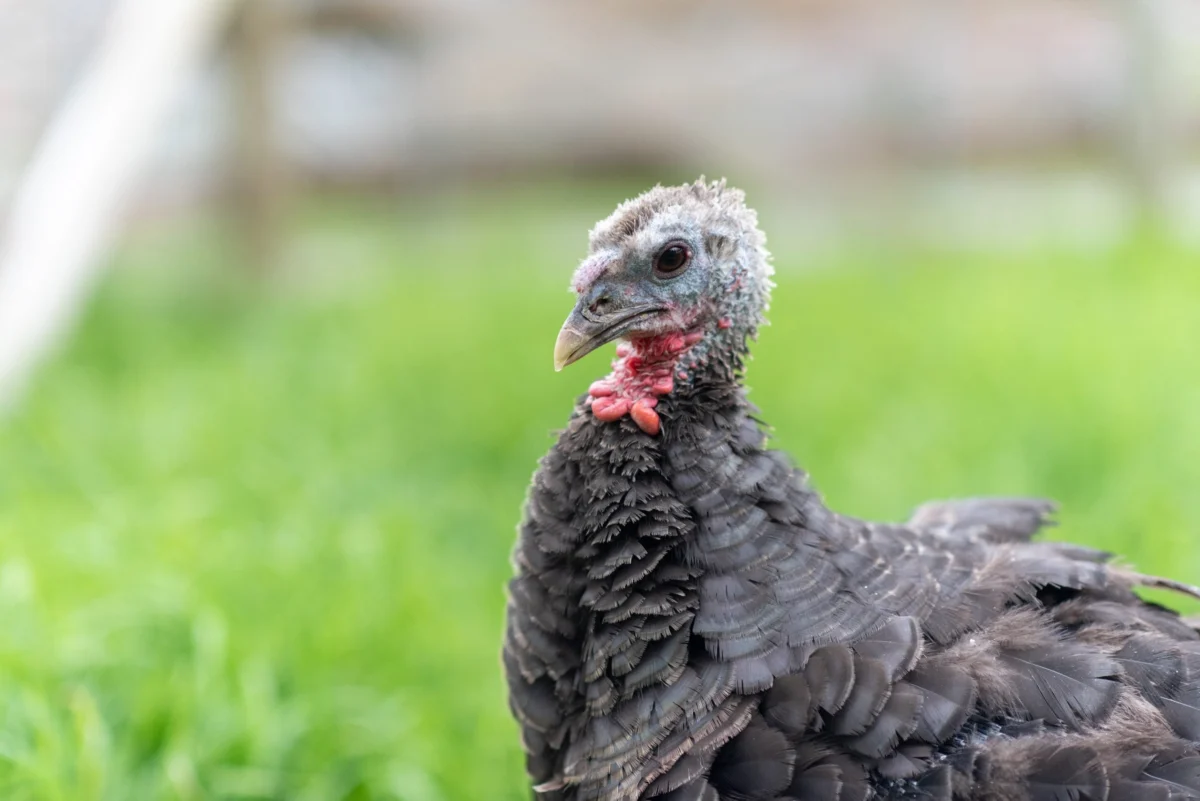
As the holiday season approaches, millions of Americans prepare to gather around the table. For many, this is a time of reflection, gratitude, and communal celebration. However, for Farm Sanctuary—the nation’s premier farm animal protection organization—the season carries a profound, long-standing mission. This year marks a significant milestone: the 40th anniversary of the "Adopt a Turkey Project," an initiative that has transformed how the public perceives one of the most misunderstood and maligned animals in the agricultural industry.
By inviting the public to symbolically "adopt" a rescued turkey, the project seeks to shift the cultural narrative of Thanksgiving from one of consumption to one of compassion. This year’s cohort of ambassadors, each with a unique history of survival, serves as a poignant reminder that every life holds intrinsic value.
The Core Mission: Transforming Holiday Traditions
The Adopt a Turkey Project was founded on a simple yet radical premise: to replace the traditional centerpiece of the holiday feast with an act of kindness. For four decades, the project has provided supporters with the opportunity to sponsor the care of a rescued bird, effectively "taking them under their wing."
"For 40 years, we have invited people to see turkeys not as commodities, but as sentient, intelligent, and deeply social beings," says a spokesperson for Farm Sanctuary. The project’s origins trace back to the 1980s with "Clyde," the inaugural "spokesturkey." Clyde was more than just a mascot; he was an ambassador who demonstrated that turkeys possess complex emotional lives and individual personalities. Today, Clyde’s legacy continues as the organization honors his memory by championing the lives of the residents currently residing at their sanctuaries.
A Chronology of Advocacy: From Clyde to the Class of 2026
The history of the Adopt a Turkey Project is a history of grassroots activism. In the mid-1980s, when the concept of "farm animal welfare" was barely on the public radar, Farm Sanctuary began its work by highlighting the plight of animals discarded by industrial agriculture.
The Evolution of the Movement
- The 1980s: The project launches with Clyde, setting the stage for a national conversation about the ethics of the Thanksgiving dinner.
- The 1990s–2000s: As the sanctuary grows, the program expands, shifting focus toward educational outreach. The "adoption" model becomes a staple for animal rights organizations nationwide.
- The 2010s: With the advent of digital advocacy, the project reaches a global audience, allowing supporters from across the world to sponsor specific rescued residents.
- 2026 (The Milestone Year): Celebrating 40 years, the organization highlights five specific birds—Julie, Tutu, Galadriel, Griffin, and Brunnhilde—to represent the millions of turkeys currently living in factory farms.
The Industrial Reality: Supporting Data
The urgency of this project is rooted in staggering statistics. Every year in the United States, approximately 46 million turkeys are slaughtered for Thanksgiving alone. The vast majority of these birds spend their lives—which are intentionally cut short—within the confines of industrial factory farms.
These facilities, often described as "animal factories," prioritize high-volume production over welfare. Turkeys are typically bred for rapid growth, which often leads to severe skeletal issues, heart strain, and mobility problems. Because they are categorized as agricultural products rather than companion animals, they lack the legal protections afforded to dogs or cats.
The Adopt a Turkey Project acts as a direct counter-narrative to this industrial model. By funding the daily care of sanctuary residents—including specialized veterinary services, high-quality nutrition, and safe, enriching environments—donors contribute to a system that prioritizes life over profit. Furthermore, these funds bolster the sanctuary’s legal and lobbying efforts, which fight for stricter animal welfare regulations at the state and federal levels.
Meet the Ambassadors: Profiles in Resilience
The 2026 class of adoptable turkeys offers a window into the distinct personalities that exist within the species. Each bird serves as a representative of the millions who did not escape the industrial cycle.
Julie: The Resilient Survivor
Julie’s journey began in a setting defined by loss. After her flockmates perished, she spent her early months in a state of deep mourning, clinging to her human guardian for security. Her transformation at the sanctuary has been gradual but profound. While she remains cautious of the outside world, she has blossomed into a loyal friend who finds deep comfort in her bond with her companion, Roberto.
Tutu: The Social Butterfly
Born into an industrial factory, Tutu’s future was bleak until she was rescued by an art student determined to tell her story. Now a permanent resident, Tutu embodies joy. Known for her love of swimming and her social nature, she is the sanctuary’s unofficial "listener," always ready to provide a comforting presence to those around her.
Galadriel: The Adventurous Explorer
Galadriel’s past is a testament to the necessity of true sanctuary. Having spent time in a facility that failed to provide basic necessities, she arrived at Farm Sanctuary ready to live. Today, she is the "outdoorsy" member of the flock, constantly exploring her surroundings and demonstrating a curiosity that defies the stereotype of the lethargic farm bird.
Griffin: The Romantic Heart
Griffin’s story is one of high-stakes rescue. He was found wandering a busy Los Angeles shopping center, likely having escaped from a crate destined for a holiday market. A rescue team intercepted him just in time. Known for his vanity—he is often found admiring his reflection—Griffin is a bird of intense devotion, having formed a lifelong, romantic bond with his partner, Serena.
Brunnhilde: The Diligent Assistant
Brunnhilde’s life reflects a different kind of story—one of a broken promise. Born on a small farm, she was cared for until her owner passed away. Despite the tragedy, her guardian’s family ensured she reached safety. Now, she is the "worker" of the group, following caregivers around during their daily tasks and acting as a self-appointed supervisor of snack time.
Implications for the Future
The implications of the Adopt a Turkey Project extend far beyond the care of a few individual birds. By participating, donors are making a statement against the normalization of cruelty. The act of "adopting" creates a tangible connection between the consumer and the animal, effectively humanizing a creature that is often viewed merely as an ingredient.
"When you display your adoption certificate on your holiday table, you are opening a conversation," says an advocate for the project. "You are inviting your friends and family to consider where their food comes from and what kind of legacy they want to leave behind."
How to Get Involved
As the 2026 holiday season approaches, Farm Sanctuary encourages the public to visit AdoptaTurkey.org. The process is designed to be inclusive and accessible:
- Select an Adoptee: Supporters can choose to sponsor one of the five ambassadors or the entire flock.
- Make a Gift: The donation covers the essential care of the birds.
- Receive the Certificate: Donors receive a digital or printed certificate, complete with the story and photo of their chosen bird, which serves as a centerpiece for holiday gatherings.
By shifting the focus from the plate to the pasture, the Adopt a Turkey Project continues to prove that compassion is a choice. For 40 years, this tradition has offered a path toward a more humane future—one bird, one family, and one holiday at a time. In the words of the organizers, this is an invitation to protect the vulnerable and celebrate the lives of those who have overcome the impossible.

 Nila Kartika Wati
 Layla Zulfa

