 Laily UPN
 Suro Senen
 Muslim

 Raul Delapena Setiawan

 Layla Zulfa
 Lina Hope
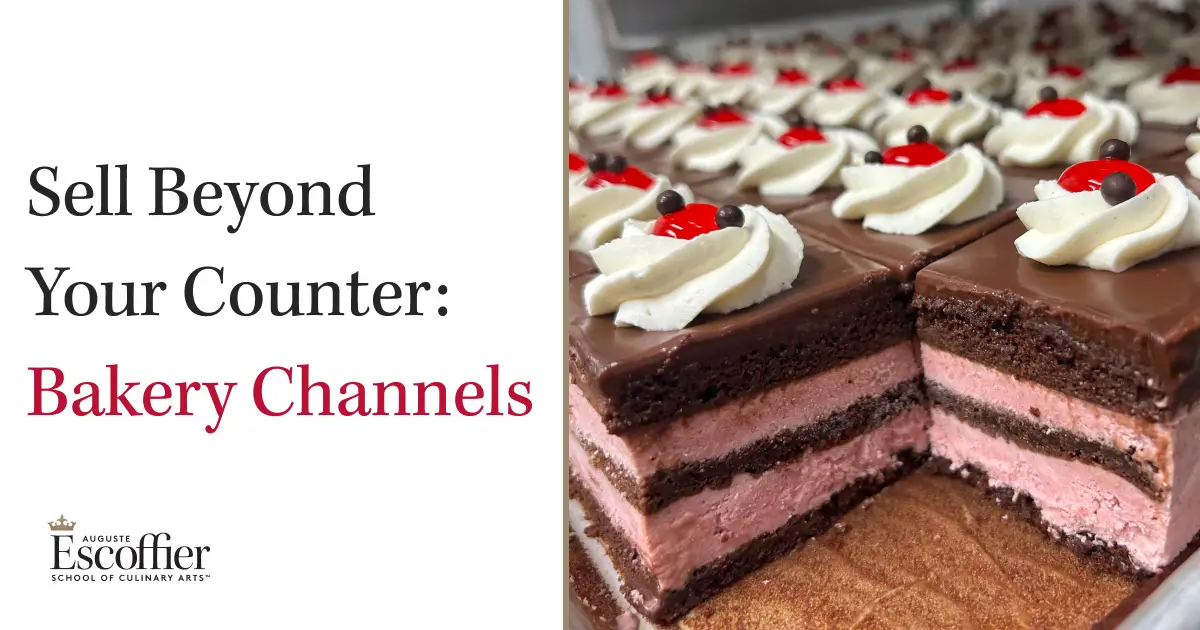
For many bakers, the ultimate dream is the morning rush: a line snaking out the door, the bell chiming incessantly, and a display case wiped clean by 10 a.m. It is a sign of validation, a testament to the quality of your craft. However, seasoned entrepreneurs often view this scene with a mix of pride and apprehension. While high retail traffic is a success, it also defines a rigid ceiling for your business. If your revenue is tied strictly to walk-in customers, your growth is limited by your square footage and the number of hours in a day.
To break through that ceiling, bakers must transition from being "hands-on makers" to "strategic business owners." Sales do not have to stop at the front counter. By diversifying distribution channels, you can exponentially grow your revenue without necessarily investing in a larger kitchen or a secondary retail location. Whether you are eyeing the local corporate market, grocery store shelves, or national e-commerce, the path to expansion is paved with careful planning and operational rigor.
Note: The Auguste Escoffier School of Culinary Arts does not provide financial or tax advice. The information provided is specific to the United States and is for educational purposes only. Always consult with a qualified professional to determine the best strategy for your specific business situation.
The Economics of Expansion: Assessing Your Readiness
Before pivoting to a new distribution model, it is vital to perform a "business audit." Not every bakery is ready for every channel. A cottage-based baker operating from a home kitchen faces entirely different constraints than a commercial bakery with a three-year track record of steady retail growth.
To determine your next step, evaluate three core pillars:
- Production Capacity: Does your current kitchen layout and equipment allow for high-volume, repeatable production without disrupting your daily retail flow?
- Staffing Flexibility: Do you have the labor to manage additional demands, such as off-site deliveries or specialized packaging, without burning out your existing team?
- Financial Runway: Can your cash flow withstand the "payment lag" often associated with wholesale or corporate contracts, where payment terms may range from 30 to 60 days?
Understanding your current position allows you to prioritize growth that is sustainable rather than reactive.
Seven Proven Channels for Scaling Beyond the Counter
1. Wholesale: The Volume Play
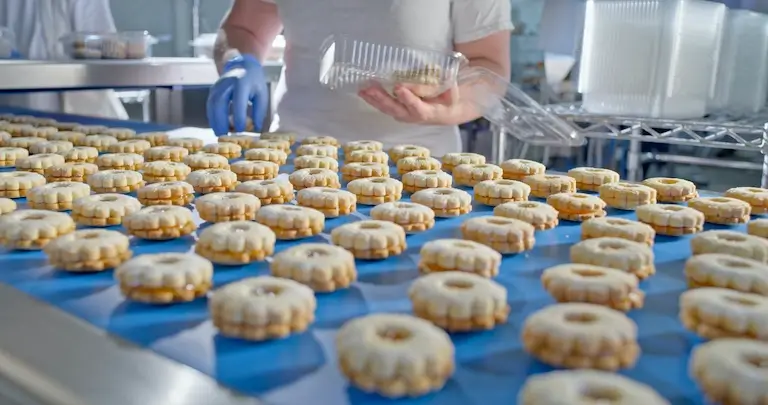
Wholesale involves supplying other businesses—cafes, independent grocers, or restaurants—with your products. It is the most effective way to scale volume, but it requires a shift in mindset. You are no longer selling to the end consumer; you are selling to a business partner who needs consistency, shelf-life, and profit margins.
The Evolution of King’s Hawaiian:
Perhaps the most famous example of a successful wholesale pivot is Robert’s Bakery in Hilo, Hawaii. Founded in 1950, the shop gained fame for its Portuguese sweet bread. Rather than staying a local favorite, owner Robert Taira began optimizing his production for scale. By transitioning into wholesale, the brand evolved into the household name "King’s Hawaiian," which now manufactures in massive facilities to supply grocery stores nationwide.
Strategic Pricing:
When pricing for wholesale, you must account for "keystone pricing." Retailers typically expect to double their cost to achieve their own margins. If you hope to see your cookies in a boutique cafe, your wholesale price must be low enough for the cafe to add their markup while remaining competitive. Always conduct a rigorous audit of your ingredient and labor costs to ensure that high-volume sales do not lead to razor-thin, unsustainable margins.
2. Licensing: The Brand Expansion
Licensing allows other businesses to manufacture or sell products under your brand name in exchange for royalties. Unlike franchising, where you provide the entire business model, licensing is often product-specific.
The Cinnabon Model:
Cinnabon, which began as a mall-based bakery, is a master of this. By licensing their brand to companies like General Mills and Kellogg’s, they have placed their signature cinnamon flavor in over 70 different products worldwide. They do not operate the factories making these goods; they provide the brand equity and quality standards.
Protecting Your Intellectual Property:
Licensing requires a legal fortress. You must have ironclad agreements that outline quality control and brand usage. Because your reputation is on the line, you need strict oversight to ensure that a third-party product lives up to your bakery’s standards.
3. Subscription Services: Predicting Revenue
Subscription models, such as monthly "baker’s boxes," offer a critical advantage: predictable cash flow. When customers commit to a recurring monthly payment, you can plan your inventory and production schedules with scientific precision, drastically reducing food waste.
Milk Bar’s First Bite Club:
Milk Bar successfully utilized this by offering early access to experimental desserts. It served a dual purpose: it created a revenue stream while allowing the bakery to gather feedback on new concepts from their most loyal fans.
4. Online Sales: Removing Geographic Barriers
The digital storefront allows you to sell to a customer in California while you are based in New York. Levain Bakery’s rise to national fame was fueled by their ability to package their iconic, massive cookies for nationwide shipping.
The Power of Presentation:
In the online space, your photography is your storefront. Because customers cannot smell or taste the product, your high-quality, professional imagery must do the heavy lifting. Furthermore, ensure you are compliant with local and state cottage food laws, especially if you are shipping across state lines, as regulations vary significantly regarding labeling and production standards.

5. Strategic Partnerships: Shared Visibility
A strategic partnership allows you to piggyback on the existing customer base of another business. Sugarbloom Bakery’s collaboration with Blue Bottle Coffee is a perfect case study. By focusing on products that paired perfectly with Blue Bottle’s coffee, Sugarbloom gained access to a premium, aligned demographic without the capital expenditure of opening their own cafes.
Finding the Right Fit:
Look for partners whose brand values and target audience mirror your own. This is not about selling as much as possible; it is about "brand alignment." A partnership with a high-end florist or a boutique hotel can provide a "halo effect" that elevates your brand’s perceived value.
6. Catering: The High-Margin Service
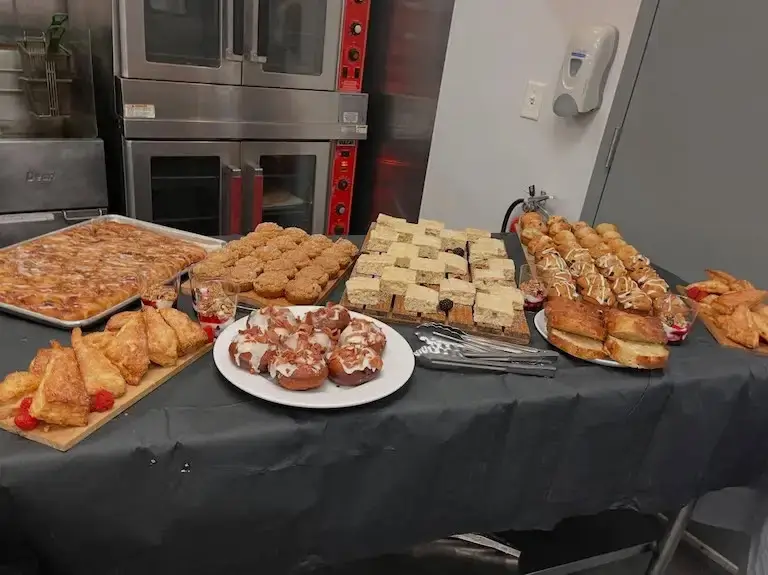
Catering is a lucrative way to utilize your kitchen during off-peak hours. Whether it is a tray of pastries for a boardroom or a full-scale dessert table for a wedding, catering allows for higher price points due to the added value of service and presentation.
Operational Hurdles:
Catering requires a flexible staff. You need a team that can pivot from daily counter service to large-volume prep without quality degradation. Panera Bread’s success in this sector came from creating a dedicated, simplified ordering platform that turned an "occasional request" into a predictable, high-volume channel.

7. Franchising: Scaling the System
Franchising is the final frontier. It involves selling your entire "operating system"—your recipes, branding, staff training, and marketing strategy—to others.
The Great Harvest Example:
Great Harvest Bread Co. turned their local Montana bakery into a national network of over 150 locations. They succeeded because they developed a robust training program that ensures every franchisee understands the company’s "fresh-milled wheat" philosophy before they open their doors. This is a complex legal and financial path; it requires franchise disclosure documents and a deep commitment to ongoing management support.
Implications of Scaling: The Professional Transition
Moving from a small-batch baker to a business owner requires a fundamental shift in skills. You are no longer just measuring flour; you are measuring unit costs, managing labor laws, navigating supply chain logistics, and interpreting financial statements.
The Role of Education:
The jump from "making" to "managing" is where many businesses stall. A formal culinary education, such as the programs offered at the Auguste Escoffier School of Culinary Arts, provides the foundational business acumen necessary for this transition. Through coursework in inventory control, digital marketing, and management, aspiring owners can learn to make data-driven decisions.
Chronology of Growth
For those just beginning, the suggested progression is as follows:
- Phase 1: Master your daily retail flow and build a loyal local base.
- Phase 2: Introduce a low-overhead channel like local catering or online shipping to test production capacity.
- Phase 3: Establish strategic partnerships or wholesale accounts to build brand awareness.
- Phase 4: Once your systems are bulletproof, consider the long-term potential of licensing or franchising.
Conclusion
Scaling a bakery is an exercise in intention. It is not about doing everything; it is about doing the right things at the right time. Whether you are aiming to be a local staple with a massive catering wing or a national brand with retail shelf space, the principles remain the same: maintain quality, understand your margins, and build systems that support your growth.
By diversifying your distribution, you liberate your business from the limitations of your physical location, allowing your craft to reach the audience it deserves. The transition from baker to business owner is challenging, but with the right strategy, it is the most rewarding leap you can take in the culinary world.

 Iffa Jayyana

 Azzam Bilal Chamdy