
 Lina Hope

 Jia Lissa

 Pevita Pearce

 Ammar Sabilarrohman

 Basiran
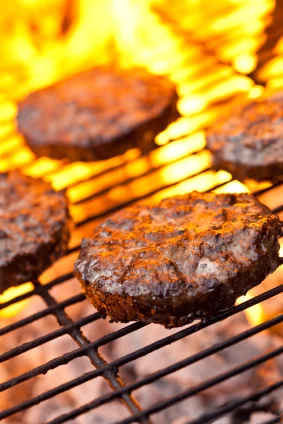
As the seasons shift and the scent of woodsmoke begins to drift through our neighborhoods, the annual tradition of outdoor grilling returns. For many, the backyard barbecue is the quintessence of summer—a time for friends, family, and culinary exploration. However, beneath the sizzle of burgers and the aroma of char-grilled vegetables lies a significant, often overlooked danger. Every year, thousands of grill-related injuries, fatalities, and property fires are reported, serving as a sobering reminder that a grill is, at its core, a high-heat industrial appliance. To ensure your next outdoor gathering remains a celebration rather than a tragedy, it is imperative to move beyond casual habits and adopt a professional, safety-first mindset.
The Anatomy of Risk: Understanding Grill Hazards
The primary dangers associated with outdoor grilling stem from three sources: fuel-based fire, carbon monoxide emissions, and thermal contact injuries. According to data from the National Fire Protection Association (NFPA), grills are involved in approximately 10,000 home fires annually. These fires are rarely the result of a single catastrophic failure; rather, they are often the culmination of small, preventable mistakes—improper cleaning, unstable positioning, or the misuse of flammable accelerants.
Beyond the threat of property damage, there is the silent, invisible danger of carbon monoxide (CO) poisoning. Because grills rely on the combustion of charcoal, propane, or natural gas, they produce CO as a byproduct. In an enclosed environment, this colorless, odorless gas can reach lethal concentrations in a matter of minutes. By understanding the physics of your equipment and the chemistry of combustion, you can mitigate these risks and elevate your grilling experience to a professional standard.
Chronology of a Safe Grill Setup
True safety begins long before the first flame is ignited. A successful, incident-free grilling session follows a specific logical sequence:
- Preparation and Inspection: Before the grill is moved or prepped, consult the owner’s manual. This document is not merely a collection of assembly steps; it is a safety manual designed by the engineers who built your specific unit. If the grill shows signs of rust, faulty valves, or damaged hoses, contact the manufacturer immediately. Do not attempt "field repairs" on gas lines or burner assemblies.
- Site Selection: Choose a location that is exclusively outdoors. Even a well-ventilated garage or a screened-in porch is unsuitable. The grill must be situated on a flat, non-combustible surface, far from overhanging branches, deck railings, or siding.
- Stability Checks: Ensure the grill is level. For portable or wheeled grills, utilize heavy-duty chocks or bricks to prevent accidental movement. A tipped grill is a fire waiting to happen.
- Ignition Protocol: Once the grill is stable, follow the specific ignition sequence outlined by the manufacturer. Never add flammable liquid to an existing fire; this can lead to flashback explosions.
- Monitoring and Maintenance: Throughout the cooking process, maintain a “fire-ready” posture, keeping extinguishing tools within arm’s reach.
Essential Infrastructure for the Backyard Chef
To operate a grill safely, one must be properly equipped. Relying on kitchen-grade tools is a common mistake that leads to unnecessary burns.
The Manual as a Blueprint
Every grill has its own temperament. High-BTU gas grills require different handling than traditional charcoal kettles. By reading the manual, you learn the “red lines” of your equipment—how much pressure the hose can withstand, the maximum weight the racks can support, and the exact procedures for extinguishing the unit. If you have misplaced your manual, most manufacturers provide digital versions on their corporate websites.
Electrical Codes and Appliance Safety
For those utilizing electric smokers or infrared grills, electrical safety is paramount. Regulations regarding outdoor outlets often require Ground Fault Circuit Interrupter (GFCI) protection. Ensure your cords are heavy-duty, rated for outdoor use, and routed through low-traffic areas where they cannot be tripped over or exposed to standing water.
Personal Protective Equipment (PPE)
The professional griller dresses for the task. Long, flowing sleeves or loose clothing are major fire hazards. Opt for fitted garments, roll up sleeves above the wrist, and utilize a fire-resistant apron. For those with long hair, tying it back is not just a culinary standard for hygiene—it is a safety necessity. Finally, invest in high-quality, heat-resistant oven mitts. Standard kitchen towels, even when doubled over, do not provide sufficient protection against the intense, concentrated heat of a grill grate.
Managing the Flame: Proactive Control Techniques
A grill is a living, breathing fire system. Understanding how to regulate the temperature is the hallmark of a skilled cook.
Managing Flare-ups
Flare-ups are caused by fat dripping onto hot coals or burner covers. To control these, maintain a "cool zone" on your grill—an area without direct heat where food can be moved if the flames become too aggressive. If a flare-up does occur, move the food to the cool zone and adjust the airflow or gas controls to lower the temperature. For charcoal grills, keep a spray bottle of water nearby to lightly mist the coals—never douse them, as this can cause an ash cloud and potential steam burns.
Emergency Extinguishing
Even with the best planning, emergencies can occur. Every grill station should be equipped with:
- A Fire Extinguisher: A dry chemical extinguisher (Class B for grease fires) is the gold standard. Ensure it is easily accessible, not buried in a shed or garage.
- A Garden Hose: If connected to a water source, a hose with a spray nozzle is an excellent tool for perimeter cooling.
- Baking Soda: A large box of baking soda is the most effective way to smother a grease fire on the grates without causing the chemical reaction that water might trigger.
- Sand: A bucket of dry sand is highly effective at smothering fires in charcoal grills, cutting off the oxygen supply instantly.
Implications for the Homeowner
The implications of ignoring these safety protocols extend beyond the immediate risk of injury. A grill fire that spreads to a structure can result in catastrophic financial loss and may even void insurance policies if negligence is found to be a factor. By taking the time to educate oneself and others, the homeowner transforms the grill from a potential liability into a safe, reliable appliance.
Expert Consensus and Industry Standards
Fire safety organizations and culinary institutes globally agree: the most dangerous component of any grill is the human operator. Complacency is the greatest enemy of safety. "We often see accidents occur when people stop respecting the heat," says safety expert James Miller. "They get comfortable, they get distracted, and that is when a simple burger cookout turns into an emergency response situation."
The consensus is clear: safety is not a one-time event; it is an ongoing practice. Before you fire up the grill this summer, perform a “safety walk-around.” Check your hoses for leaks, clear your perimeter of debris, and ensure your extinguishing equipment is ready. By integrating these habits into your routine, you ensure that the only thing you leave on the grill is a perfect char, and the only thing you take away from the experience is a pleasant memory.
Ultimately, grilling is an art form that demands respect. Whether you are a weekend hobbyist or an aspiring pitmaster, the principles remain the same. Respect the equipment, control the environment, and always—without exception—keep your eyes on the fire.


 Azzam Bilal Chamdy