

 Reynand Wu
 Sagoh
Sagoh
 Basiran
 Evan Lee Salim
 Jia Lissa
 Nana
Nana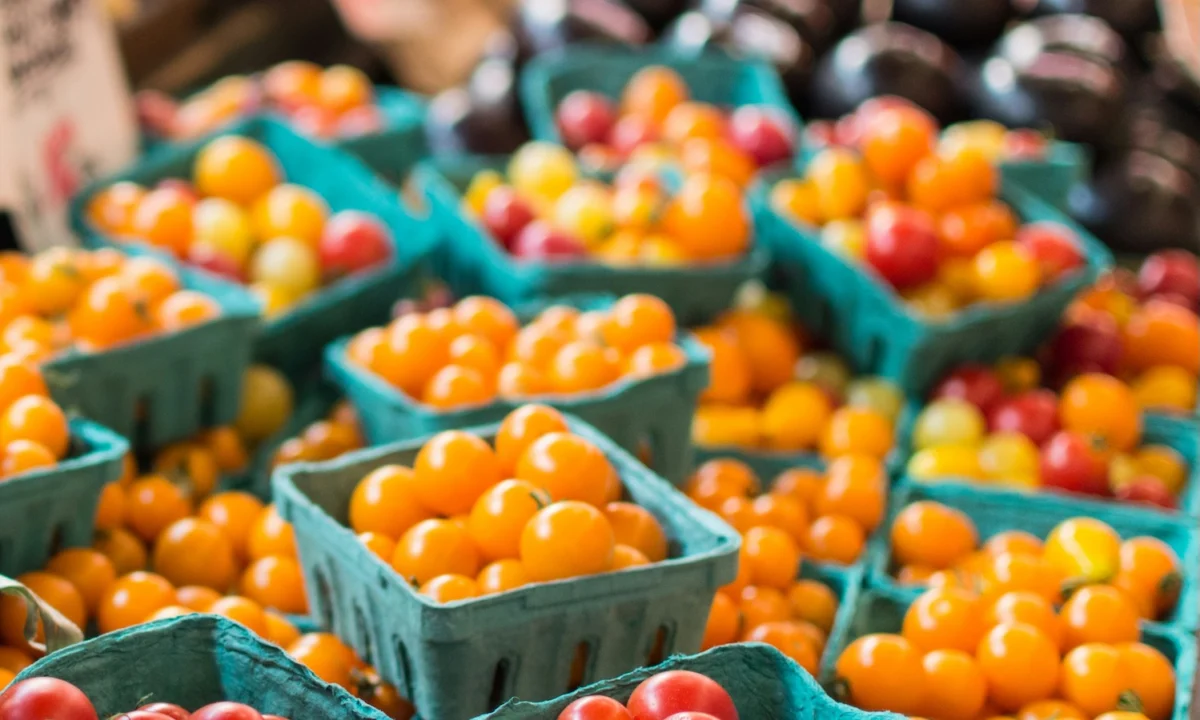
On October 19, the heart of Manhattan’s culinary scene will shift its focus from mere consumption to systemic transformation. Slow Food NYC is set to host SnailFest 2026 at the iconic Eataly SoHo, an evening dedicated to honoring the unsung heroes of the city’s food landscape: the local producers, chefs, and retailers who anchor their operations in the principles of "good, clean, and fair" food.
The event, which serves as both a celebration and a fundraiser, marks a pivotal moment for the organization as it continues to advocate for a more equitable and sustainable regional food system. By bringing together the recipients of the coveted "Snail of Approval" award, the event creates a rare synergy between those who grow, distribute, and serve the food that sustains New York City.
Main Facts: The Mission of SnailFest 2026
SnailFest is the flagship annual celebration of the Slow Food NYC Snail of Approval program. This initiative does not merely celebrate taste; it evaluates the integrity of the entire supply chain. Awardees—ranging from urban farms in Brooklyn to high-end Italian eateries in Manhattan—are selected based on rigorous criteria that look beyond the plate.
Participants are evaluated on:
- Sourcing: A focus on local, seasonal, and sustainable procurement.
- Environmental Impact: Efforts to reduce carbon footprints and minimize waste.
- Cultural Connection: The preservation of food traditions and local biodiversity.
- Social Equity: How businesses treat their staff and engage with their local communities.
This year’s iteration will feature a sophisticated cocktail reception followed by a multi-course, seasonally curated dinner. The event serves as the primary engine for Slow Food NYC’s advocacy, education, and community-building efforts, with proceeds going directly toward initiatives that bridge the gap between conscious consumption and accessible nutrition.
Chronology: From Concept to Culinary Catalyst
The road to SnailFest 2026 is paved with years of grassroots organizing and a growing cultural appetite for transparency in the food industry.
The Foundation (Pre-2023)
For years, Slow Food NYC operated largely through localized initiatives, farmer market outreach, and educational workshops. The organization realized that while consumer demand for "farm-to-table" was rising, there was no standardized way to verify the claims of businesses. This necessity birthed the Snail of Approval program.
The Inaugural Event (2025)
Last year, the inaugural SnailFest was launched to provide a physical, high-profile venue for these awardees. The event was met with significant critical acclaim, filling the room with diverse stakeholders who had previously worked in silos. The success of the 2025 event proved that there was a massive, untapped desire for a collective identity among sustainable food businesses in the five boroughs.
The Path to 2026
Since the inaugural gathering, the Snail of Approval program has expanded its reach, adding dozens of new partners to its directory. The planning for SnailFest 2026 began in early winter, with organizers focusing on securing a venue that mirrors the movement’s values. Eataly SoHo was chosen for its commitment to artisanal quality and its ability to host the complex logistical requirements of a multi-course, locally sourced dinner.
Supporting Data: The Impact of the Snail of Approval
The Snail of Approval program is not merely an honorary badge; it is an economic and social metric. According to data provided by Slow Food NYC, businesses that achieve the Snail of Approval see tangible benefits, including increased customer loyalty and a strengthened network of regional supply chains.
The Diversity of the Ecosystem
The roster of current awardees demonstrates the breadth of the movement. It includes:
- Producers: Brooklyn Packers (community-supported agriculture) and Norwich Meadows Farm (organic vegetable production).
- Retailers & Distributors: Farm to People and GrowNYC, which facilitate the movement of fresh food from the Hudson Valley and beyond into the city.
- Food Tech & Waste Reduction: Matriark Foods, which works to divert food waste into healthy products.
- Restaurants: Establishments like Osteria 57, Café Paulette, and Roscioli, which prioritize transparency in their procurement.
This diversity is essential to the "fair food" pillar of the Slow Food movement. By supporting urban farms like Oko Farms alongside established retail giants like Eataly, the organization creates a roadmap for food systems that can function at various scales.
Official Responses: The Philosophy Behind the Plate
The leadership at Slow Food NYC views SnailFest as a defiant act of commitment in an era of industrial food dominance. Richa Mehra, Vice Chair of Slow Food NYC, emphasized that the event is designed to humanize the supply chain.
"Slow Food NYC exists because good, clean, and fair food doesn’t happen by accident," Mehra stated. "It takes real people, showing up every day, making hard choices about how they source and serve. SnailFest is our chance to celebrate our Snail of Approval awardees who do this work every day and bring them together in one room with our larger community."
Mehra noted that the energy at the 2025 event was the catalyst for the organization’s current momentum. "The energy at last year’s inaugural event was so special, and we’re excited to build on that this year," she added. The sentiment among the board is that the event is not just a party, but a necessary recharging of the community’s collective spirit.
Implications: A Shift Toward Systemic Sustainability
The implications of SnailFest extend far beyond the three-hour window of the event. As New York City grapples with the dual challenges of food insecurity and climate change, the practices championed by Slow Food NYC offer a viable, scalable alternative.
Economic Resilience
By prioritizing local sourcing, awardees keep capital circulating within the regional economy. This creates a buffer against the volatility of global food chains, which have become increasingly susceptible to climate-induced disruptions and geopolitical instability.
Cultural Preservation
The Snail of Approval also places a heavy emphasis on cultural heritage. By celebrating businesses that preserve regional cooking methods and heirloom ingredients, the movement acts as a safeguard against the homogenization of the American diet. It ensures that the diverse immigrant and local culinary traditions of New York City remain vibrant and intact.
Advocacy and Policy
The funds raised at SnailFest 2026 are earmarked for advocacy. Slow Food NYC is increasingly active in city policy, pushing for school lunch reform, support for urban agricultural zoning, and the mitigation of food deserts. By building a cohesive network of influential businesses, the organization creates a powerful lobbying bloc that can effectively engage with municipal government.
The Future of the Movement
As SnailFest 2026 approaches, the organization is looking toward the future. The challenge, as identified by the leadership, is scaling these practices to be accessible to all New Yorkers, regardless of socioeconomic status. The upcoming dinner will not only be a celebration but also a strategy session for the next phase of the movement.
For those interested in participating, the event will take place from 6:30 to 9:30 p.m. at Eataly SoHo. Tickets include not only the dinner and drinks but also access to a silent auction featuring items that highlight the best of New York’s artisanal and sustainable sectors.
Articles like the one you just read are made possible through the generosity of Food Tank members. The movement for a more equitable food system is growing, and your support is vital to its continued success. Please consider becoming a member today to help sustain this vital advocacy and reporting.
Photo courtesy of Anne Preble, Unsplash.

 Siti Muinah
 Nila Kartika Wati
