Nana Wu

 Dwi Wanna

 Suro Senen

 Evan Lee Salim

 Jia Lissa
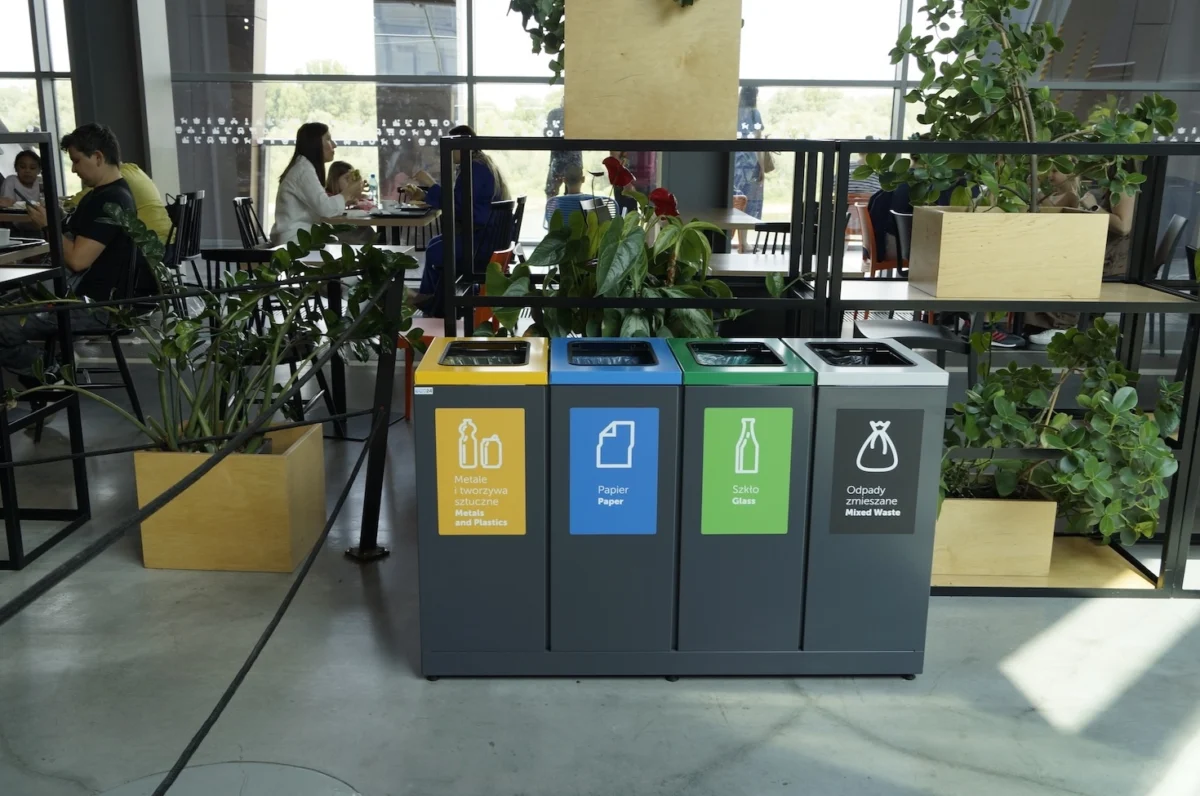
"Can I put a stapled document in the recycling bin?"
"Don’t even think about getting rid of the K-cups—the VP will lose his mind."
"Can we acknowledge the existence of climate change in this meeting?"
For those tasked with leading corporate sustainability initiatives, these questions are all too familiar. They represent the daily friction of navigating office culture, leadership quirks, and the complex, often pedantic, debates surrounding environmental tradeoffs. While these interactions are part and parcel of the job, they also highlight a critical tension: the struggle to move sustainability from a peripheral "green team" activity to a core business strategy.
The Evolution of the Corporate "Green Ambassador"
The journey of an employee engagement lead is often a trial by fire. My own experience spans six years in the power industry—first at Green Mountain Energy, where I led the "Green Ambassadors," and later at NRG, where I built an employee engagement pillar for both office-based staff and industrial power-plant workers.
In these roles, the work was deeply rewarding, but it was fraught with risks. When sustainability programs focus exclusively on surface-level tactics—like choosing between paper cups and reusable bottles—they risk being relegated to the status of elementary school projects. This "elementary school" trap is dangerous; it can trigger apathy among employees and, more importantly, diminish the sustainability team’s credibility when they attempt to influence high-level business decisions, such as sustainable procurement or emissions reduction in business travel.
To be effective, sustainability engagement must be balanced. It requires a pivot from the trivial toward the material.
The Data: Why Engagement Still Matters
Critics might argue that if employee-led recycling programs are prone to triviality, companies should abandon internal engagement entirely. However, the data suggests otherwise. Research from the sustainability consultancy Kite Insights indicates that more than 80 percent of employees have a genuine desire to take action on climate change within the workplace.
The challenge is not a lack of interest, but a lack of alignment. Employees are hungry for impact, but they are often served "sustainability theater" instead. When employees feel that their company’s climate commitments are disconnected from their daily operations, the resulting cynicism is palpable. To bridge this gap, organizations must deploy strategies that move beyond the breakroom and into the boardroom.
Five Replicable Strategies for Meaningful Engagement
To align your workforce with your organization’s broader sustainability goals, consider these five proven, scalable strategies:
1. Host a Dedicated Sustainability Summit
Sustainability should not be relegated to a sidebar in an all-hands meeting. According to Lydia Perez Poole, sustainability director at the spice and herb maker McCormick, hosting an annual, one-day event dedicated exclusively to sustainability ensures the topic receives the undivided attention and priority it deserves. When the entire organization pauses to focus on environmental performance, it sends a clear signal that the topic is foundational, not optional.
2. Secure CEO Buy-in and Presence
Leadership visibility is the ultimate force multiplier. Holding sustainability summits at the corporate headquarters makes it logistically feasible for the CEO to participate—not just to offer a pre-recorded video greeting, but to actively engage.
One leader at a logistics firm recalls a pivotal event where their CEO bluntly stated that the company pursued sustainability strategies because customers and investors demanded them, not because the company was trying to "get to heaven." While the statement lacked the flowery rhetoric of a typical corporate mission, its radical honesty resonated with staff. Such moments of truth cannot be scripted; they can only happen when the sustainability team creates the space for leadership to be held accountable by the workforce.
3. Integrate Sustainability into Compensation
As the old corporate adage goes, "What gets measured gets managed—and what gets rewarded gets done." Linking sustainability goals to compensation is the most effective way to signal that these targets are not just "nice to haves."
Hannah Black, a leader of Trane Technologies’ global Sustainability Ambassador Network, has championed the use of function-specific goal guides. By providing departments with clear frameworks, her team saw a 20 percent increase in sustainability goals being classified as SMART (Specific, Measurable, Achievable, Realistic, and Timely). When an engineer or a procurement officer has a sustainability metric tied to their annual bonus, the conversation changes from "Can I recycle this?" to "How can we optimize our supply chain for lower carbon intensity?"
4. Implement Curated, Cross-Functional Meetings
Sustainability directors often fail because they operate in silos. Erin Koch, sustainability director at Prologis, advocates for 15-minute, high-impact meetings with specific teams and their managers. By presenting a concise deck that connects the company’s broad sustainability strategy to that specific team’s daily KPIs, the sustainability department transforms from an external "auditor" into a strategic partner.
5. Expand the Scope Beyond "Green"
Not every employee will be motivated by carbon accounting. Sam Gooch of Waymo, a long-time internal sustainability advocate, notes that leveraging the broader United Nations Sustainable Development Goals (SDGs)—such as gender equity, food access, and community development—can serve as a more compelling entry point for diverse segments of the workforce. By framing sustainability as a holistic commitment to human well-being, companies can engage employees who might otherwise feel alienated by a narrow focus on emissions.
Measuring Impact: Moving Beyond Vanity Metrics
The perennial question remains: How do we measure the impact of these initiatives?
While many organizations rely on employee surveys, these can sometimes yield "vanity metrics." A more sophisticated approach involves tracking the frequency with which sustainability team members are invited to participate in projects led by other business units. If other departments are proactively seeking your expertise for their own initiatives, you have moved beyond the "green team" and into the core business.
Furthermore, recognize that while sustainability teams can contribute to employee happiness and retention, these metrics ultimately belong to Human Resources. Sustainability teams should act as a supporting partner in these efforts rather than the primary owner.
Implications for the Future
As you refine your internal strategy, watch for the "echo chamber" red flag. If your sustainability initiatives only engage employees who were already passionate about the climate crisis, your strategy is failing to drive organizational change. You are not building a movement; you are merely gathering the choir.
If you find yourself explaining for the hundredth time that plastic bags do not belong in the recycling bin, do not despair. You are in good company. The transition from performative greening to material sustainability is messy, iterative, and often frustrating. But by focusing on alignment, leadership accountability, and cross-functional integration, you can transform your workforce from a collection of curious individuals into a powerful engine for institutional change.
The path forward isn’t found in the recycling bin—it’s found in the hard, strategic work of making sustainability an inseparable part of the company’s identity.


 Pevita Pearce