

 Nana Wu

 Dwi Wanna

 Suro Senen

 Evan Lee Salim

Introduction: The Art of Seasonal Entertaining
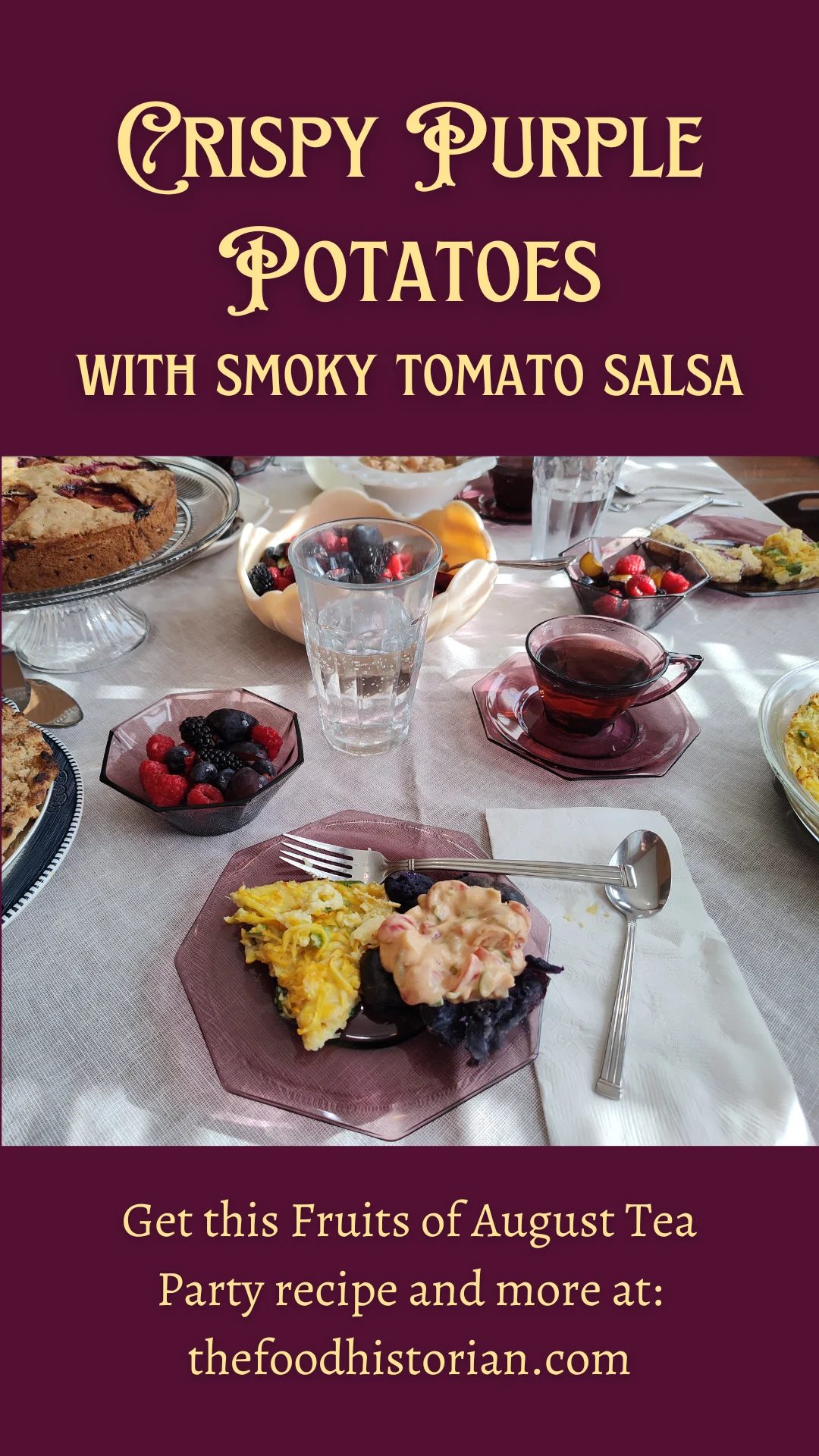
In the realm of seasonal entertaining, the challenge often lies in striking a balance between aesthetic cohesion and culinary simplicity. As the peak of summer harvest settles in, the abundance of local produce offers a canvas for chefs and home cooks alike to experiment with vibrant palettes. Recently, the "Fruits of August Tea Party" served as a masterclass in this philosophy, showcasing a menu designed around a striking visual theme of deep purples and sun-drenched yellows. Among the standout offerings—which eschewed the complexity of traditional frittatas for a more approachable yet sophisticated profile—was the dish of Crispy Purple Potatoes topped with a Smoky Tomato "Salsa." This article explores the mechanics of this recipe, its role in modern seasonal dining, and the broader implications of utilizing farm-to-table ingredients to create memorable, accessible culinary experiences.
Main Facts: The Composition of the Dish
The dish in question is a study in textural contrast and flavor synergy. It is essentially a deconstructed, elevated take on classic comfort food, combining the earthy, starchy crunch of roasted fingerling potatoes with the creamy, piquant brightness of a BLT-inspired tomato condiment.
- The Foundation: Purple fingerling potatoes, prized for their waxy texture and striking violet hue, serve as the base. When smashed and roasted at high heat, they achieve a caramelization that provides a savory, nutty foundation.
- The Topping: The "salsa" is a clever adaptation of a BLT dip. By utilizing a base of mayonnaise—often lightened with Greek yogurt or sour cream—the recipe incorporates a significant volume of diced cherry tomatoes and scallions. The secret ingredient, smoked Spanish paprika, bridges the gap between the fresh acidity of the tomatoes and the roasted depth of the potatoes.
- The Aesthetic: The presentation relies on the natural pigments of the ingredients. The vivid yellow of the cherry tomatoes, the bright green of the scallions, and the deep, royal purple of the potatoes create a visual narrative that aligns perfectly with the late-summer color palette.
Chronology: From Farm Stand to Tea Table
The development of this dish follows a clear progression, mirroring the typical lifecycle of a successful seasonal recipe.
Phase 1: Procurement and Inspiration
The genesis of the dish began at a local farm stand. Recognizing the peak season for cherry tomatoes and fingerling potatoes, the culinary team sought to create a dish that honored the "Fruits of August" theme. By selecting yellow cherry tomatoes to contrast with traditional red varieties, the foundation for the visual theme was laid.
Phase 2: Execution and Technique
The preparation is divided into two distinct technical processes:
- Parboiling and Smashing: The potatoes are first scrubbed and simmered in salted water until fork-tender. Following a traditional "smashed" technique, they are flattened with the base of a heavy glass, a process that maximizes the surface area exposed to the heat, ensuring optimal crispness.
- The Emulsion: The salsa preparation is a matter of precision in ratios. The tomatoes are diced into consistent pieces, ensuring they hold their structure when folded into the mayonnaise and smoked paprika mixture.
Phase 3: The Tea Party Service
During the event, the potatoes were served hot, directly from the oven, topped with a generous dollop of the room-temperature salsa. Placed in a lace-edged milk glass compote, the dish stood as a centerpiece of the tea table, proving that sophisticated presentation does not require high-labor recipes.

Supporting Data: Culinary Ratios and Nutritional Context
To replicate this dish with consistency, one must adhere to the fundamental ratios that define its success.
Technical Specifications
- Potato Preparation: Utilizing 1–2 pounds of purple fingerling potatoes, the roasting process requires a high oven temperature of 450°F. The generous use of olive oil is non-negotiable; it acts as a frying medium for the potato skin, creating the characteristic "shatter" of a well-roasted fingerling.
- Salsa Ratios: The salsa calls for 2 quarts of cherry tomatoes, 1/2 to 1 cup of thinly sliced scallions, and 1+ cup of high-quality mayonnaise. The inclusion of smoked Spanish paprika is calculated at 1/2 to 1 tablespoon; this ingredient provides the "smoky" element that mimics the flavor profile of crispy bacon often found in a BLT.
Dietary Flexibility
One of the most significant aspects of this recipe is its adaptability. By allowing for the substitution of mayonnaise with Greek yogurt or sour cream, the recipe accommodates a range of dietary preferences. This flexibility reflects a growing trend in home cooking: the "modular recipe," where the cook maintains agency over the final health profile of the meal without compromising the chef’s intended flavor profile.
Official Responses and Culinary Critique
While this recipe was developed in a private capacity for a social gathering, the response from guests and observers highlights its efficacy as a "bridge" dish. Culinary critics often note that in high-pressure social events, such as tea parties, heavy or overly complex dishes can detract from the conversational atmosphere.
The feedback from the "Fruits of August" event emphasized that the simplicity of the smashed potato provided a sense of comfort, while the bright, acidic profile of the tomato-mayo salsa provided the necessary "lift" to cut through the richness of the roasted starch. It was described as a "sophisticated finger food" that retains the warmth of a sit-down meal.
Implications: The Future of Seasonal Entertaining
The success of the Crispy Purple Potatoes with Smoky Tomato "Salsa" has broader implications for modern culinary practices.
1. The Rise of "High-Low" Dining
This dish is a prime example of the "high-low" dining trend. By pairing a rustic, humble ingredient (the potato) with a refined presentation and high-quality, farm-fresh produce, the cook achieves a level of culinary respectability without the need for expensive proteins or complex techniques. This is increasingly relevant in an era where inflation and supply chain issues make simple, plant-forward cooking both a budget-conscious and an ethical choice.
2. Seasonality as a Creative Constraint
The strict adherence to a purple-and-yellow color scheme demonstrates how creative constraints can actually lead to better innovation. When a chef is forced to work within specific parameters, the result is often a more cohesive and thoughtful menu. The "Fruits of August" project serves as a model for how home cooks can use seasonality to dictate their grocery lists, reducing reliance on out-of-season imports and fostering a deeper connection to the local food system.
3. The Democratization of the "Tea Party" Aesthetic
Traditionally, tea parties have been associated with dainty, labor-intensive sandwiches and pastries. The introduction of a robust, savory, and potato-based dish signals a shift toward more inclusive, substantial party menus. It suggests that the "tea party" format is evolving, moving away from the restrictive traditions of the past and toward a more flexible, hearty, and celebratory style of hosting.
Conclusion: Sustaining the Momentum
The recipe for Crispy Purple Potatoes with Smoky Tomato "Salsa" is more than just a set of instructions; it is a blueprint for successful modern entertaining. By prioritizing the quality of the raw ingredients, employing classic "smashing" techniques for texture, and balancing flavors with a touch of smoke and acidity, the cook can transform simple garden produce into a show-stopping dish.
As we look toward the remainder of the harvest season, the lessons learned from this dish remain clear: complexity is not a prerequisite for excellence. Whether you are hosting a formal tea party or simply looking for a savory side dish to elevate a weeknight meal, the path forward is found in the garden, the oven, and the simple joy of sharing a well-prepared plate. Stay tuned for further explorations into seasonal culinary traditions, and remember that the most successful dishes are often those that honor the ingredients in their purest, most vibrant state. Enjoy your culinary journey, and may your next table be as colorful as the season itself.

 Sagoh
 Asep Darmawan

