
 Lina Hope

 Jia Lissa
 Pevita Pearce

 Ammar Sabilarrohman
 Layla Zulfa

Main Facts: A Culinary Adaptation
For many culinary enthusiasts, the scone is the cornerstone of a proper tea party—a delicate balance of texture, crumb, and sweetness. However, the pursuit of the perfect scone is often fraught with the peril of unreliable recipes. When planning the "Fruits of August Tea Party," the goal was to secure a reliable, high-quality scone recipe that captured the essence of late summer.
Drawing inspiration from the renowned baking authority Dorie Greenspan, the decision was made to modify her classic oatmeal-nutmeg scone recipe. While Greenspan’s original formula is a staple for cooler months, its profile—dominated by the earthy, autumnal notes of nutmeg and oats—felt discordant for an end-of-summer celebration. The resulting innovation, a Blackberry Cornmeal Scone, emerged as a triumph of texture: crisp on the exterior, tender and flaky within, and perfectly accented by the tartness of fresh, whole blackberries.
Chronology: From Concept to Golden Brown
The development of this recipe followed a structured, methodical approach, beginning with a critical evaluation of ingredient ratios.
- The Conceptual Phase: Recognizing that substituting whole grains for approximately one-third of the flour in standard pastry recipes is a reliable technique, the goal was to adapt Greenspan’s ratio of 1 2/3 cups all-purpose flour to 1 1/3 cups rolled oats. To introduce a summer profile, a 2:1 ratio of flour to medium-stoneground cornmeal was established.
- The Substitution Challenge: Faced with a lack of traditional buttermilk, a common obstacle in home baking, a chemical alternative was synthesized. A mixture of whole milk and a tablespoon of bottled lemon juice was allowed to sit, successfully curdling to mimic the acidity and viscosity of store-bought buttermilk.
- The Preparation: On the day of the event, the process commenced with preheating the oven to 400°F. The dry ingredients—flour, cornmeal, sugar, baking powder, baking soda, and salt—were whisked into a homogenous blend. The cold butter was meticulously cubed and incorporated, followed by the wet ingredients.
- The Folding Technique: The most delicate stage involved the integration of fresh, washed, and dried blackberries. By patting the dough into a flat circle and carefully folding the berries into the mixture, the structural integrity of the dough was preserved, preventing the fruit from bleeding excessively or turning the dough gummy.
- The Bake: The scones were divided into two rounds, cut into wedges, and baked on parchment paper for 20 to 22 minutes until reaching a deep golden brown. The final step involved cooling the scones on a wire rack to ensure the steam escaped, preventing sogginess.
Supporting Data: The Anatomy of the Recipe
To replicate these scones, precision is required. The following specifications outline the core requirements for a successful bake:

The Blackberry Cornmeal Scones
- Dairy/Binder: 1 large egg; 1/2 cup cold buttermilk (or the milk-lemon substitute).
- Dry Base: 2 cups all-purpose flour; 1 cup medium stoneground cornmeal (e.g., Bob’s Red Mill).
- Flavor/Leavening: 1/3 cup sugar; 1 tablespoon baking powder; 1/2 teaspoon baking soda; 1/2 teaspoon salt.
- Fat: 10 tablespoons cold, unsalted butter (cut into small, consistent cubes).
- Inclusion: Fresh whole blackberries (a volume of just under one pint).
The Essential Honey Butter
No scone is complete without an accompaniment. The simplicity of this honey butter serves to enhance, rather than mask, the texture of the cornmeal.
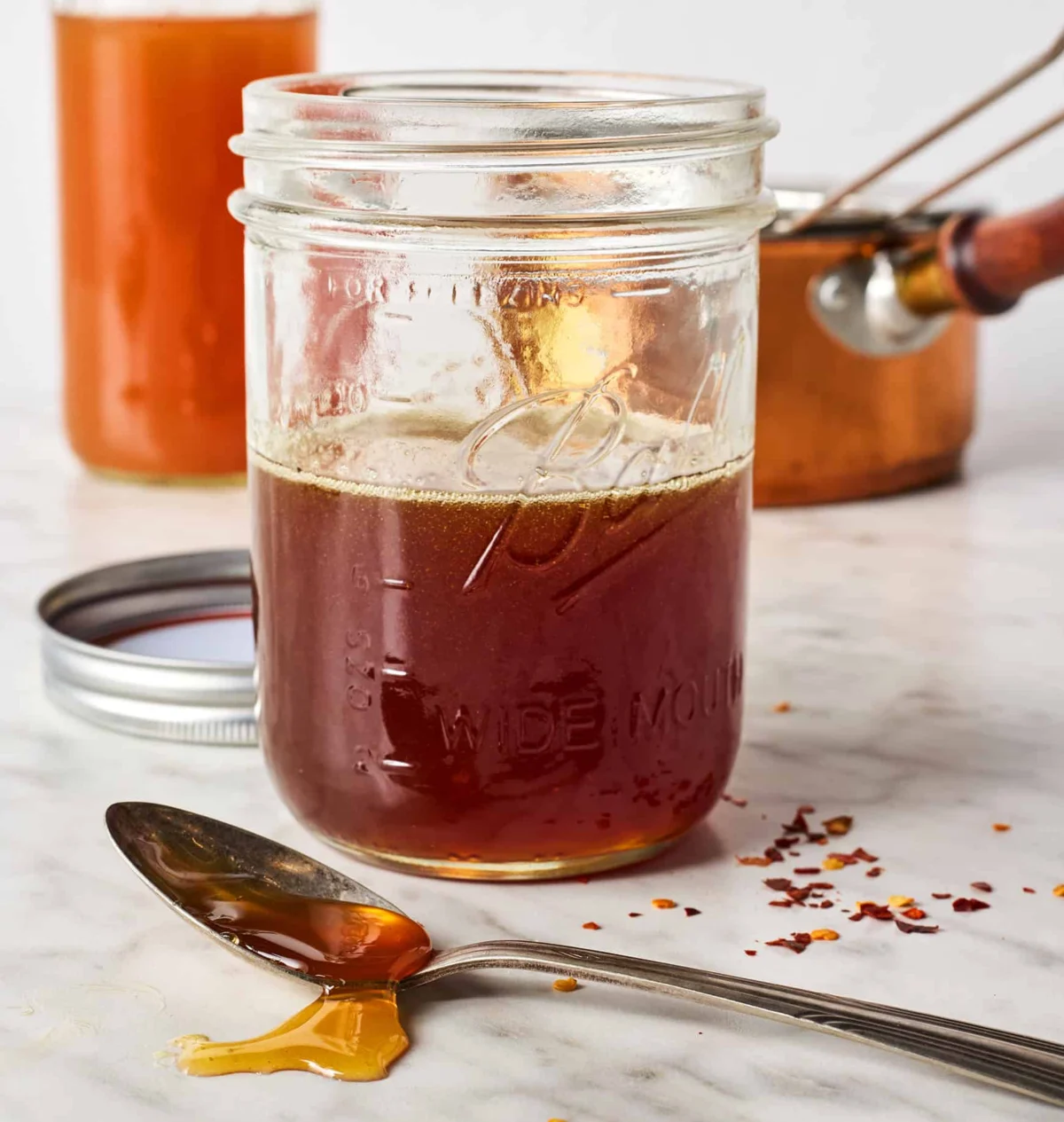
- Ingredients: 1 stick of high-quality salted butter (softened); 1/4 cup liquid honey (local raw honey is recommended for complex floral notes); salt to taste.
- Method: Combine the butter and honey using a fork until fully integrated. Adjust the salt levels to balance the sweetness of the honey.
Official Perspectives: The Philosophy of Substitution
In the world of professional baking, the "rule of thirds" regarding grain substitution is a foundational principle. By replacing a portion of refined all-purpose flour with cornmeal, the baker introduces not only a distinct, nutty flavor profile but also a desirable grit that provides a contrast to the softness of the blackberries.
Culinary experts note that working with cold butter is the single most important variable in achieving a "flaky" scone. The method of slicing the butter lengthwise and then crosswise creates small, solid pieces of fat. When these pieces hit the hot oven, they melt, creating pockets of steam that lift the dough, resulting in the iconic "lifted" layer characteristic of a high-end bakery product.
The inclusion of whole fruit, specifically blackberries, is often debated. To avoid "gummy" results, the fruit must be handled with extreme care. The folding method used here—rather than aggressive mixing—ensures that the berry remains intact until the moment of consumption, where it bursts with juice upon the first bite.
Implications: The Evolution of the Tea Table
The successful integration of cornmeal into a traditional tea-time staple suggests a broader trend in home baking: the "seasonalization" of classic recipes. By adapting a winter-focused scone recipe into a summer-ready version, the home baker proves that culinary foundations are not static.
Sensory Impact
The combination of cornmeal and blackberries offers a multi-sensory experience. The cornmeal provides a tactile crunch, the blackberries offer a sharp, acidic contrast, and the honey butter provides a silky, sweet finish that coats the palate. This dish serves as an example of how minor modifications—a change in grain here, a substitution of acid there—can lead to significant improvements in the final product.
The Social Component
The "Fruits of August Tea Party" serves as a microcosm for the importance of comfort food in social gatherings. When hosts serve food that has been tested and refined, it fosters an atmosphere of reliability and relaxation. The feedback loop—from the initial doubt about substituting cornmeal to the final realization of the "divine" result—underscores the joy of culinary exploration.
Future Considerations
As the seasons turn, the potential for further experimentation remains high. The base recipe established here is robust enough to accommodate other seasonal fruits, such as blueberries or raspberries, and even variations in the dry base, such as rye flour or toasted almond meal. The success of this recipe encourages readers to move beyond the recipe card and engage with the science of baking, trusting their instincts while respecting the fundamental chemistry of the ingredients.

In summary, the Blackberry Cornmeal Scone is more than just a pastry; it is an exercise in adaptation and a celebration of late-summer harvests. Whether served at an formal afternoon tea or enjoyed as a quiet indulgence with a cup of coffee, it stands as a testament to the fact that with the right technique, even the most traditional recipes can be evolved to suit the moment.

 Sagoh
 Asep Darmawan