

 Reynand Wu
 Sagoh
Sagoh
 Basiran
 Evan Lee Salim
 Jia Lissa
 Ammar Sabilarrohman
In the modern agricultural landscape, the divide between traditional, boots-on-the-ground farming wisdom and the rapid evolution of scientific best practices is closing. For decades, the Rodale Institute—a global leader in regenerative organic research—has operated its renowned Rodale Institute Farmer Training (RIFT) program at its Pennsylvania headquarters. Now, through a strategic pivot to digital infrastructure, that deep reservoir of expertise is being exported from the farm gate to every corner of the country, democratizing access to the knowledge necessary to scale organic operations.
The Knowledge Gap in Modern Farming
Farming is arguably one of the most demanding professions in existence. It requires an interdisciplinary mastery that spans soil microbiology, entomology, complex financial accounting, and multifaceted marketing strategies. For those looking to transition to regenerative practices or launch a new agricultural enterprise, the learning curve is often vertical.
"Farming is a unique way to make a living because farmers don’t get vacations or even weekends off when they can take time to focus on learning," explains Renée Baran, Rodale Institute’s Dean of Education. "But new farmers and many experienced ones have gaps in their knowledge they need to fill. We recognized that the traditional model—requiring physical attendance—was an inherent barrier to entry for the very people who need this training the most."
The challenge was clear: how does an institution dedicated to hands-on, land-based learning provide that same high-quality education to a farmer working a thousand miles away?
Chronology of a Digital Transformation
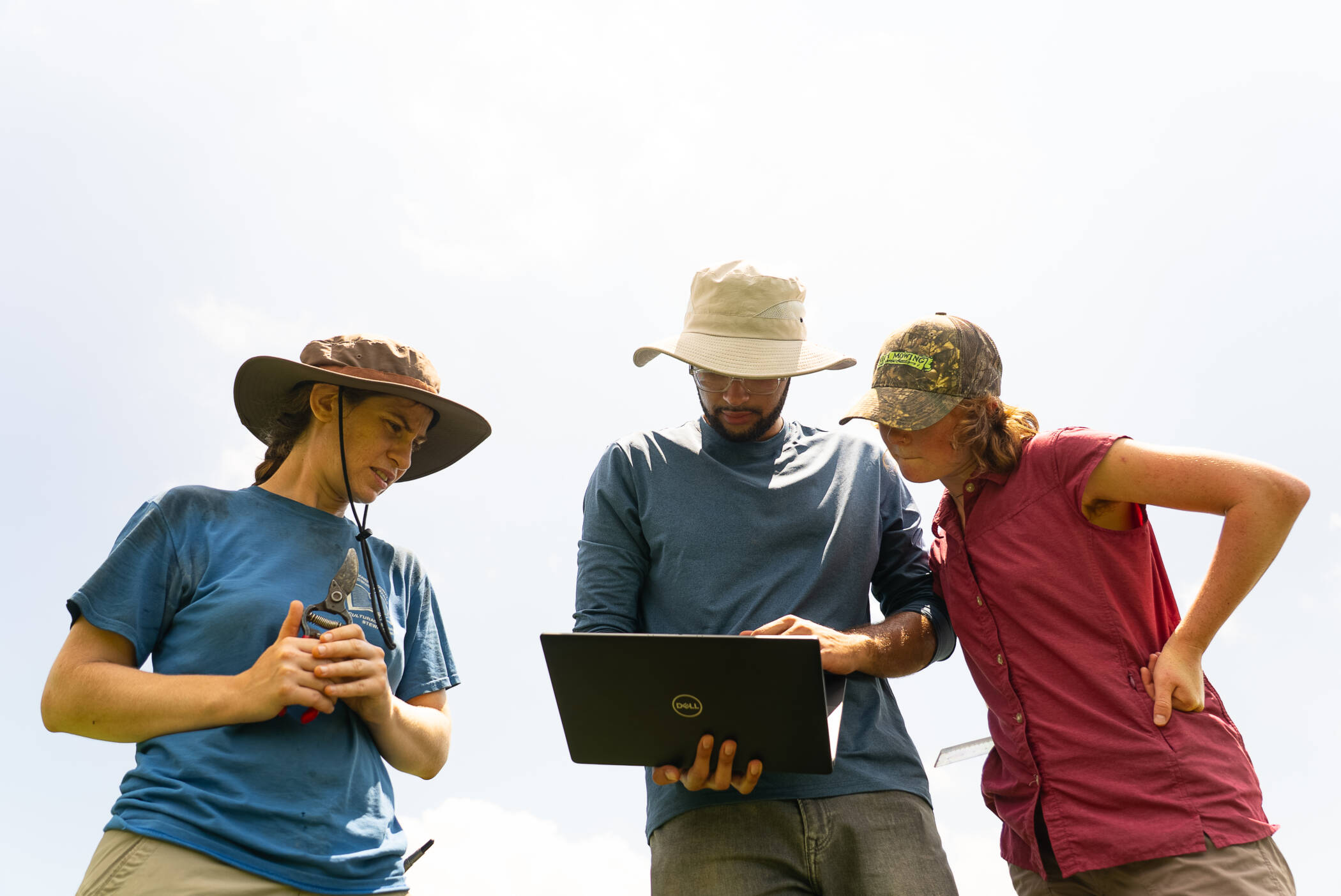
The path to the Rodale Institute’s current digital ecosystem was not an overnight endeavor. It began three years ago, when the Institute’s education team initiated a massive project to capture the entirety of its RIFT curriculum on video.
- Phase One (2021–2022): Curriculum mapping and video production. Educators worked to condense years of in-person training into modular, high-definition video content that retained the integrity of the original program.
- Phase Two (2023): Beta testing the delivery platform. The Institute selected the Canvas learning management system, chosen for its professional-grade capabilities, including assignment tracking, peer-to-peer discussion forums, and integrated assessment tools.
- Phase Three (2024–2025): The official launch of the virtual campus. This phase saw the integration of both professional-level agricultural training and consumer-focused wellness courses, effectively broadening the Institute’s educational footprint.
Today, this virtual extension acts as a bridge, allowing farmers to access university-level agricultural education without abandoning their daily farm management responsibilities.
Supporting Data: Scaling the Impact
The numbers underscore the necessity and the success of this transition. Historically, the in-person RIFT program has been an elite, high-touch experience, graduating roughly a dozen new farmers annually. While the quality of this training is world-class, it is inherently limited by physical space and capacity.
By contrast, the new virtual platform is designed for massive scalability. According to Baran, the virtual campus has the capacity to serve upwards of 6,500 farmers—a nearly 500-fold increase in potential impact.
The curriculum itself is meticulously structured to go far beyond the superficial "how-to" videos often found on open-access platforms like YouTube. It covers critical operational pillars, including:
- Soil Health and Fertility: Advanced techniques in composting, cover cropping, and biological nutrient cycling.
- Integrated Pest Management (IPM): Evidence-based strategies for entomological control without synthetic inputs.
- Business Viability: Modules on financial recordkeeping, cost accounting, and supply chain logistics, which are frequently the most neglected aspects of farm management.
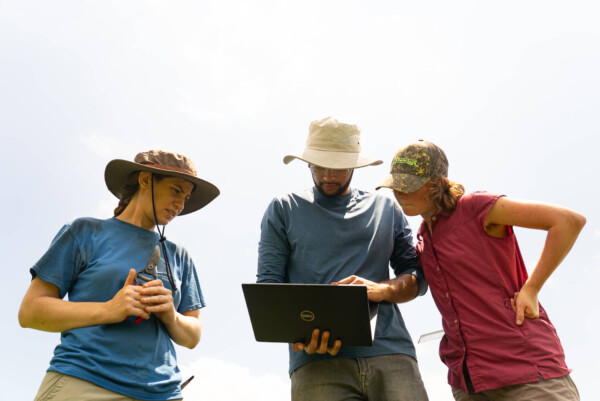
"These are university-level classes based on proven instructional principles," notes Dr. Jason Slipp, Director of Education at the Rodale Institute. "We aren’t just uploading clips; we are building a pedagogical structure that ensures the student isn’t just watching, but actively engaging with the material."
Official Perspectives: The Value of "Working On" the Business
Industry partners are already hailing the platform as a game-changer for the next generation of producers. Rebecca Frimmer, a partner and principal consultant at the nonprofit Good Roots, highlights the critical nature of this training.
"Farmers need training in business management and finance to ensure they are profitable and viable for the long term," Frimmer says. "The biggest challenge for farmers is finding the time to balance all that must be done. It’s essential to carve out the space to work on the farm business and not just in the business."
For many small-scale, independent farmers, the cost of specialized business consulting is prohibitive. By offering this expertise through an accessible, self-paced digital portal, the Rodale Institute is leveling the playing field. "The self-paced educational resources and interactive support offered by Rodale Institute open up effective ways for Good Roots to ensure the next generation of farmers can scale up with strong financial and marketing foundations," Frimmer adds.
Implications for the Future of Agriculture
The launch of this virtual program has profound implications for the regenerative movement.
1. The "YouTube of Regenerative Agriculture"
The goal is to establish a digital hub that possesses the accessibility of social media but the scientific rigor of an academic institution. By building a community where farmers can share insights, troubleshoot issues with instructors, and access 75 years of the Institute’s proprietary research, the platform creates a feedback loop of continuous improvement.
2. Democratizing Access to Organic Certification
One of the most significant barriers for transitioning farmers is the complex regulatory landscape of organic certification. By providing guided, step-by-step educational modules on the requirements of certification, the Rodale Institute is effectively lowering the barrier for entry, potentially increasing the total acreage under regenerative management in the United States.
3. Expanding the "Regenerative Consumer"
Perhaps the most ambitious aspect of this project is its inclusivity. By offering courses like "Being a Regenerative Consumer" and "Regenerative Health: The Power of the Plate," the Institute is educating the demand side of the equation. When consumers understand the science behind their food—from soil health to nutritional density—they become more willing to pay the premium required to support the small-scale, regenerative farmers being trained on the platform.
A Call to Action for the Next Generation
Whether you are a seasoned producer looking to optimize your financial yields, a hobbyist beekeeper, or a consumer interested in the intersection of soil health and human wellness, the Rodale Institute’s virtual campus offers a pathway to deeper understanding.
The platform effectively removes the geographical and scheduling constraints that have historically kept expert knowledge locked away in institutional silos. In doing so, it serves as a vital tool in the broader effort to increase the number of regenerative farmers, build more resilient food systems, and restore the health of the earth.
For those ready to transition from theory to practice, the doors to this virtual classroom are open. By enrolling, students are not only gaining access to decades of agricultural science; they are directly participating in a movement that prioritizes the long-term sustainability of our planet’s most precious resource: the soil.
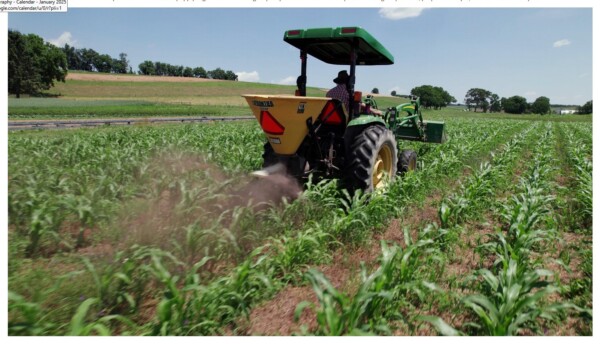
For full course catalogs, upcoming enrollment windows, and detailed schedules, visit RodaleInstitute.org/education.

 Siti Muinah
 Nila Kartika Wati
