 Laily UPN
 Suro Senen

 Muslim

 Raul Delapena Setiawan

 Layla Zulfa
 Evan Lee Salim
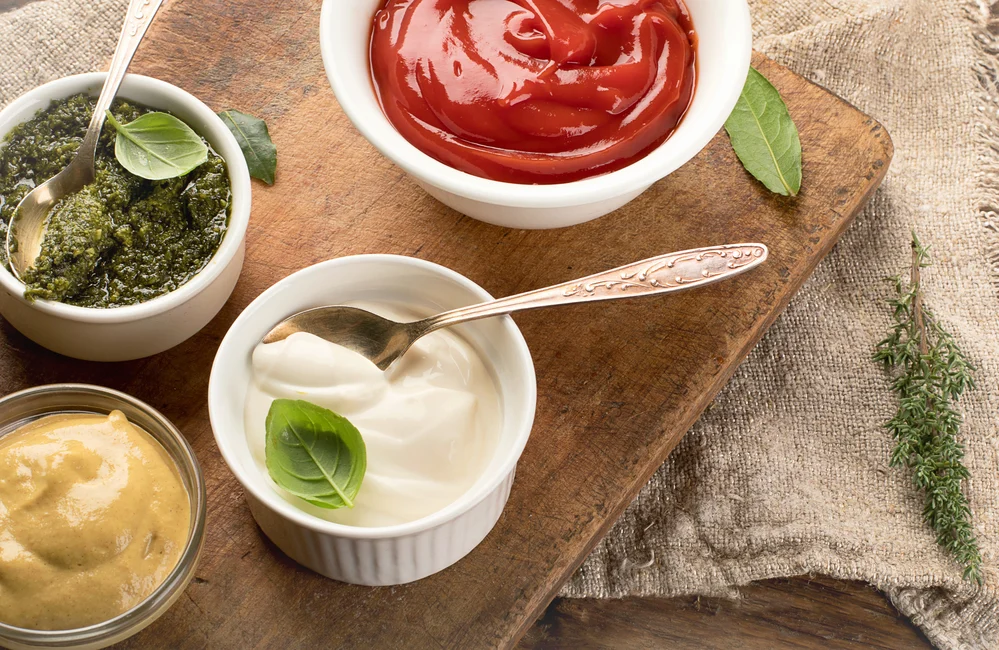
In the modern culinary landscape, the contents of a refrigerator door act as a domestic mirror. While home décor and library shelves offer a glimpse into one’s aesthetic preferences, the condiment shelf serves as a definitive index of personal identity. Whether one identifies as a staunch loyalist to Duke’s mayonnaise, a devotee of a specific artisanal Sriracha, or a purist regarding yellow mustard, these bottled flavor-enhancers are more than mere additives—they are cultural markers.
However, a quiet movement is shifting the status quo. Driven by a desire for culinary autonomy, health consciousness, and the pursuit of unparalleled flavor, home cooks are increasingly turning their backs on supermarket aisles in favor of the pantry. Homemade condiments are no longer just a hobby; they are becoming a fundamental aspect of the "from-scratch" movement.
The Evolution of the Table Sauce: A Chronology
The history of condiments is as long as civilization itself. Ancient Romans favored garum, a pungent fermented fish sauce, while medieval Europeans relied heavily on verjuice and vinegar-based concoctions to mask the flavors of preserved meats.
- 18th and 19th Centuries: Condiments became commercialized, yet remained labor-intensive. Ketchup, for instance, was not always the tomato-based staple we know today; early versions were made from mushrooms, walnuts, or even oysters.
- The Mid-20th Century: The industrial boom brought shelf-stability to the forefront. Preservatives, high-fructose corn syrup, and thickeners became the industry standard, standardizing the taste of American cuisine.
- 2015 – Present: The "Real Food" movement sparked a resurgence in DIY cooking. As consumers began reading labels and questioning the necessity of additives like xanthan gum or potassium sorbate, the interest in homemade condiments surged. Originally published in May 2015, the conversation around DIY sauces has evolved from a niche trend into a robust culinary discipline, with updated techniques making these recipes more accessible than ever.
The Case for DIY: Flavor Control and Nutritional Agency
The primary driver behind the shift toward homemade condiments is the pursuit of "bespoke" flavor. Store-bought sauces are engineered for the middle ground—designed to appeal to the widest possible demographic. By contrast, a homemade condiment allows for total agency over the flavor profile.
The Science of Seasoning
When one makes ketchup or BBQ sauce at home, the salt, heat, and spice levels are no longer arbitrary. For those who find commercial ketchup too sugary, a DIY version allows for a reduction in sweetness and an increase in acidity or herbal notes. The inclusion of spices like allspice, clove, and smoked paprika transforms a flat, syrupy condiment into a complex, nuanced sauce that stands as a legitimate component of a dish rather than a mere afterthought.
Implications for Health and Additive Avoidance
Beyond taste, the implications of removing store-bought condiments from one’s diet are significant. Commercial BBQ sauces are frequently laden with artificial smoke flavors and excessive sweeteners. By preparing these at home, a cook eliminates the "mystery ingredients" that appear on long, unpronounceable ingredient lists. The result is a cleaner, more vibrant product that prioritizes fresh ingredients—be they vine-ripened tomatoes, organic eggs, or stone-ground mustard seeds.
Deep Dive: The Pillars of the DIY Pantry
1. The Ketchup Renaissance
Ketchup is perhaps the most misunderstood condiment. Once it is stripped of its industrial identity, it reveals itself as a versatile vegetable preserve. Home cooks are now experimenting with fruit-based ketchups, such as blackberry or plum, which pair beautifully with game meats and sharp cheeses. Savory tomato jams offer an alternative for those who dislike the acidity of traditional ketchup, providing a richer, deeper profile that is perfect for charcuterie boards.
2. Mastering the Emulsion: Mayonnaise
Mayonnaise has long held a reputation as a difficult culinary feat, largely due to the risk of "breaking" the emulsion. However, modern techniques have simplified this process. While many reach for food processors, the manual whisking method remains the gold standard for consistency. Furthermore, the rise of aquafaba (the viscous liquid found in canned chickpeas) has revolutionized vegan mayonnaise, allowing for a luxurious, cholesterol-free alternative that is both cost-effective and environmentally conscious.
3. Mustard: The Underestimated Engine
Mustard is the unsung hero of the kitchen. Its ability to emulsify dressings, brighten heavy mac and cheese, and provide a sharp counterpoint to fatty meats is unparalleled. Making mustard at home is deceptively simple: it is a process of soaking seeds in vinegar or wine, followed by a grind to the desired texture. Pickled mustard seeds, in particular, provide a "pop" of texture that commercial mustard simply cannot replicate.
4. The Craft of BBQ Sauce
The DIY approach to BBQ sauce is an exercise in creativity. Commercial brands often rely on liquid smoke and molasses to achieve a generic "barbecue" flavor. Homemade versions, however, can lean into fruit-forward profiles, using fresh peaches, cherries, or apricots to provide a natural sweetness that complements the smokiness of a grill.
5. Hot Sauce: The Personal Heat Index
Hot sauce is the most intimate of all condiments. The process of fermentation or simple blending allows the cook to calibrate heat precisely to their palate. By adjusting the ratio of peppers to vinegar—and strategically removing seeds—a cook can create anything from a mild, flavor-forward sauce to a high-Scoville, sweat-inducing masterpiece.
Supporting Data and Industry Perspectives
According to recent food industry reports, the market for "clean label" condiments is growing at an annual rate of nearly 7%. This data confirms that consumers are moving away from heavily processed items. Culinary experts argue that this trend is not merely a fad, but a fundamental shift in how we view the kitchen.
"When a home cook spends twenty minutes preparing their own mayonnaise or mustard, they are reclaiming a skill that was largely lost during the post-war convenience era," notes food historian Dr. Aris Thorne. "It changes the way we eat. You become more invested in the meal because you have participated in the creation of every element, down to the final flourish of sauce."
Official Responses and Culinary Best Practices
Culinary schools and professional chefs have increasingly embraced the DIY condiment trend. Professional kitchens often reserve the "secret sauce" as a signature of their establishment, and this philosophy is now being applied to the home kitchen.
Best Practices for the Aspiring DIY Chef:
- Source Quality Ingredients: Since there are fewer ingredients in a homemade sauce, the quality of the vinegar, oil, and spices becomes paramount.
- Storage Matters: Homemade condiments, lacking the preservatives of commercial brands, must be stored in sterilized glass jars and consumed within a reasonable timeframe (typically two to three weeks for refrigerated items).
- The Squeeze Bottle Advantage: For emulsified sauces like mayonnaise, using a squeeze bottle allows for a steady, controlled stream of oil, which is the secret to a stable emulsion.
The Future of the Home Condiment
The "from-scratch" movement is unlikely to lose steam. As we become more aware of the environmental cost of long-distance shipping and the health implications of highly processed foods, the ability to produce one’s own condiments becomes an act of sustainability.
Whether you are seeking to reduce your sugar intake, eliminate artificial additives, or simply impress guests at your next backyard barbecue, the homemade condiment is a gateway to a more authentic dining experience. By mastering these foundational recipes, you aren’t just making a sauce; you are defining the flavor of your home. The next time you reach for that store-bought bottle, consider the possibilities of what you could create if you started from scratch. After all, the best secret sauce is the one you made yourself.


 Pevita Pearce

 Nila Kartika Wati